
Market Report · July 15, 2026

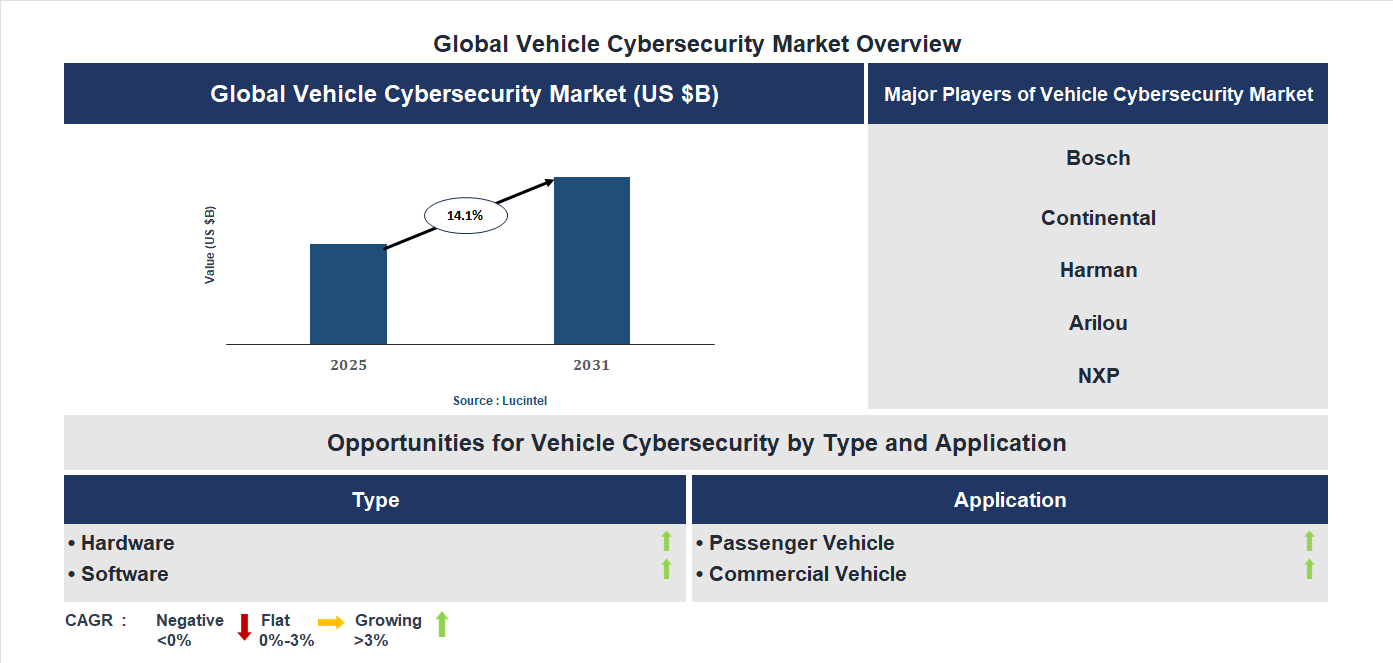
Key data points: The growth forecast = 14.1% annually for the next 7 years. Scroll below to get more insights. This market report covers trends, opportunities and forecasts in vehicle cybersecurity market to 2031 by type (hardware and software), application (passenger vehicle and commercial vehicle), and region (North America, Europe, Asia Pacific, and the Rest of the World)
We'll send your sample report shortly.
• Lucintel forecasts that, within the type category, software is expected to witness higher growth over the forecast period.
• Within the application category, passenger vehicle is expected to witness higher growth.
• In terms of region, APAC is expected to witness the highest growth over the forecast period. Gain valuable insights for your business decisions with our comprehensive 150+ page report. Sample figures with some insights are shown below.
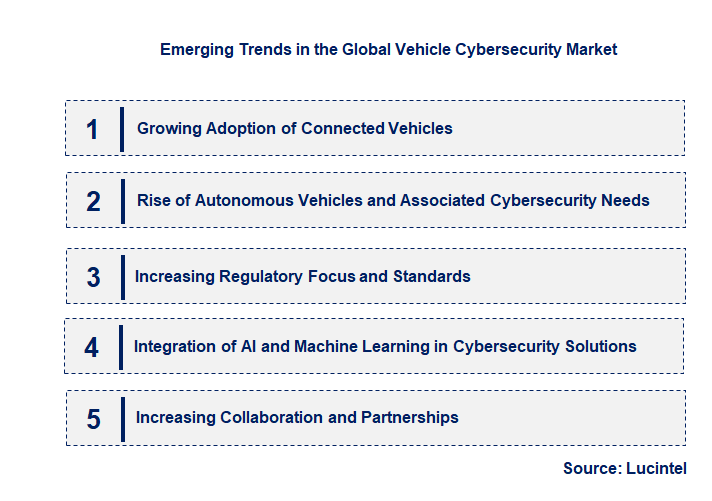
• Growing adoption of connected vehicles: The proliferation of connected vehicles has expanded the attack surface for cyber threats. As vehicles integrate IoT devices, telematics, and cloud services, they become more vulnerable to hacking. This trend drives demand for advanced cybersecurity solutions that can monitor, detect, and prevent cyberattacks in real-time. Manufacturers are prioritizing secure communication protocols and encryption to safeguard data and ensure vehicle safety. The increasing connectivity also necessitates collaboration among automakers, tech firms, and cybersecurity providers to develop comprehensive security frameworks, ultimately enhancing consumer trust and safety.
• Rise of autonomous vehicles and associated cybersecurity needs: Autonomous vehicles rely heavily on complex software, sensors, and AI systems, making cybersecurity a critical concern. The integration of these technologies introduces new vulnerabilities that could be exploited maliciously, risking passenger safety and operational integrity. Consequently, the market is witnessing a surge in cybersecurity solutions tailored for autonomous systems, including intrusion detection and secure data management. This trend compels automakers to embed security measures during the design phase, fostering innovation in secure autonomous vehicle architectures. Strengthening cybersecurity for autonomous vehicles is essential for their widespread adoption and regulatory approval.
• Increasing regulatory focus and standards: Governments and industry bodies are establishing stringent cybersecurity regulations and standards for vehicles. These regulations aim to ensure manufacturers implement adequate security measures to protect against cyber threats. Compliance requirements are driving investments in cybersecurity infrastructure and testing protocols. Automakers are adopting proactive security strategies, including regular software updates and vulnerability assessments, to meet evolving standards. This regulatory environment fosters a more secure vehicle ecosystem, encouraging innovation while emphasizing safety and consumer protection. It also levels the playing field, prompting industry-wide improvements in cybersecurity practices.
• Integration of AI and machine learning in cybersecurity solutions: AI and machine learning are transforming vehicle cybersecurity by enabling predictive threat detection and automated response systems. These technologies analyze vast amounts of data to identify anomalies and potential cyber threats swiftly. The deployment of AI-driven security solutions enhances real-time protection, reduces false positives, and improves response times. Automakers and cybersecurity providers are investing in these advanced tools to stay ahead of sophisticated cyberattacks. This trend accelerates the development of intelligent security systems that adapt to emerging threats, ensuring vehicles remain resilient against evolving cyber risks.
• Increasing collaboration and partnerships: The complexity of vehicle cybersecurity challenges is prompting increased collaboration among automakers, technology firms, cybersecurity specialists, and regulatory bodies. Partnerships facilitate the sharing of threat intelligence, development of standardized security protocols, and joint innovation efforts. Such collaborations help accelerate the deployment of effective security solutions and ensure comprehensive protection across the vehicle lifecycle. They also foster industry consensus on best practices and compliance standards. This trend enhances the overall resilience of the vehicle cybersecurity ecosystem, promoting safer mobility and fostering consumer confidence in connected and autonomous vehicles. In summary, these trends are fundamentally reshaping the vehicle cybersecurity market by driving innovation, enhancing safety standards, and fostering collaborative efforts. As connectivity and automation continue to grow, the emphasis on robust cybersecurity solutions becomes paramount, ensuring the future of mobility is both advanced and secure.
• Adoption of Advanced Encryption Protocols: Implementation of sophisticated encryption methods enhances data security within vehicles, reducing vulnerability to hacking and unauthorized access, thereby increasing consumer trust and safety.
• Integration of AI and Machine Learning: AI-driven cybersecurity solutions enable real-time threat detection and response, improving the ability to prevent cyberattacks before they cause damage, thus strengthening vehicle safety systems.
• Development of Over-the-Air (OTA) Security Updates: OTA updates allow manufacturers to remotely patch vulnerabilities and update security features, ensuring vehicles remain protected against emerging threats without requiring physical servicing.
• Regulatory and Standardization Initiatives: Governments and industry bodies are establishing cybersecurity standards and regulations, which compel manufacturers to adopt comprehensive security measures, fostering a more secure automotive ecosystem.
• Collaboration Between Automakers and Cybersecurity Firms: Strategic partnerships are forming to share threat intelligence and develop integrated security solutions, accelerating innovation and improving overall vehicle cybersecurity resilience. These developments are significantly impacting the vehicle cybersecurity market by enhancing vehicle safety, increasing consumer confidence, and ensuring compliance with evolving regulations. The market is becoming more dynamic, with continuous innovation driven by technological advancements and regulatory pressures, ultimately leading to more secure and trustworthy connected vehicles.
• Embedded Security Solutions: Strengthening vehicle hardware with integrated security features enhances protection against cyber threats, reducing vulnerabilities and increasing consumer trust.
• Cloud-Based Security Platforms: Offering scalable, real-time monitoring and updates through cloud solutions enables manufacturers to respond swiftly to emerging threats and improve vehicle safety.
• IoT Device Integration: Securing connected devices within vehicles ensures seamless communication and prevents malicious access, supporting the growth of connected car ecosystems.
• Advanced Threat Detection Systems: Implementing AI-driven detection tools allows for proactive identification of cyber threats, minimizing potential damage and ensuring vehicle integrity.
• Collaborations with Automotive OEMs: Strategic partnerships facilitate the development of tailored cybersecurity solutions, accelerating market adoption and compliance with safety standards. In summary, these growth opportunities are significantly impacting the vehicle cybersecurity market by fostering innovation, enhancing safety, and enabling the deployment of smarter, more connected vehicles. As these developments progress, the market is poised for substantial expansion, driven by the increasing demand for secure automotive technologies worldwide.
• Technological Innovation: The rapid integration of IoT, AI, and V2X communication systems in vehicles enhances connectivity and automation, creating a need for advanced cybersecurity solutions. As vehicles become smarter, the attack surface expands, necessitating robust security measures to protect against hacking, data breaches, and malicious attacks. This technological evolution fuels market growth by increasing demand for specialized cybersecurity products and services that can safeguard complex vehicle systems.
• Increasing Vehicle Production and Connectivity: The global surge in vehicle manufacturing, especially connected and autonomous vehicles, significantly boosts the demand for cybersecurity solutions. Consumers and manufacturers prioritize safety and data privacy, prompting automakers to invest heavily in cybersecurity infrastructure. This economic trend ensures a steady market expansion as more vehicles require protection against cyber threats throughout their lifecycle.
• Regulatory and Standards Development: Governments and industry bodies are establishing stringent cybersecurity standards for vehicles, such as UNECE WP.29 regulations. These frameworks compel automakers to implement comprehensive security measures, driving market growth. Compliance with these standards not only mitigates legal risks but also enhances brand reputation, encouraging investment in advanced cybersecurity solutions.
• Consumer Awareness and Demand for Safety: Growing awareness among consumers regarding vehicle cybersecurity risks influences purchasing decisions. Customers increasingly seek vehicles equipped with advanced security features, prompting manufacturers to incorporate robust cybersecurity measures. This demand accelerates market development as companies innovate to meet consumer expectations for safety and data protection.
• Strategic Collaborations and Investments: Partnerships between automotive manufacturers, cybersecurity firms, and technology providers foster innovation and accelerate market growth. Investments in research and development enable the creation of sophisticated security solutions tailored for vehicles. Such collaborations also facilitate the sharing of expertise and resources, strengthening the overall cybersecurity ecosystem within the automotive industry. The challenges facing this vehicle cybersecurity market include:
• High Implementation Costs: Integrating advanced cybersecurity measures into vehicles involves significant expenses related to hardware, software, and ongoing maintenance. These costs can be prohibitive, especially for smaller manufacturers, potentially limiting widespread adoption. Additionally, the need for continuous updates to counter evolving threats adds to the financial burden, impacting profitability and market expansion.
• Rapidly Evolving Threat Landscape: Cyber threats targeting vehicles are constantly evolving, with hackers developing sophisticated attack methods. Keeping pace with these threats requires continuous innovation and updates to cybersecurity protocols, which can be resource-intensive. The dynamic nature of cyber risks complicates the development of comprehensive, long-term security solutions, posing a persistent challenge for industry stakeholders.
• Regulatory Compliance and Standardization: While regulations drive security improvements, they also present challenges related to compliance complexity and costs. Variations in standards across regions can hinder global deployment of cybersecurity solutions. Ensuring consistent adherence to diverse regulatory requirements demands significant effort and resources, potentially delaying product launches and increasing operational risks. In summary, the vehicle cybersecurity market is shaped by rapid technological advancements, increasing vehicle connectivity, and evolving regulatory standards, all of which drive growth. However, high implementation costs, the dynamic threat landscape, and regulatory complexities pose significant challenges. These factors collectively influence the pace and direction of market development, requiring stakeholders to balance innovation with risk management. Successful navigation of these drivers and challenges will determine the future trajectory of vehicle cybersecurity, emphasizing the need for strategic investments, collaboration, and adaptive security frameworks to ensure safe and secure mobility solutions.
• Bosch
• Continental
• Harman
• Arilou
• NXP
• AUTOCRYPT
• Synopsys
• Upstream Security
• DENSO
• Karamba Security
• Hardware
• Software
• Passenger Vehicle
• Commercial Vehicle
• North America
• Europe
• Asia Pacific
• The Rest of the World
• United States: The US market has seen significant investments from major automakers and tech firms in developing advanced cybersecurity solutions. Regulatory agencies like NHTSA are establishing guidelines to enhance vehicle security standards. Several startups are innovating in threat detection and response systems, and collaborations between industry and government are increasing to combat cyber threats effectively.
• China: China is rapidly expanding its vehicle cybersecurity capabilities, driven by government initiatives to promote smart and connected vehicles. Domestic companies are developing integrated security platforms, and there is a focus on creating standards aligned with national policies. The market also benefits from increased investments in AI-driven threat detection and vehicle data protection.
• Germany: As a leader in automotive engineering, Germany emphasizes integrating cybersecurity into vehicle design. Automakers are adopting comprehensive security frameworks and collaborating with cybersecurity firms to develop resilient systems. The country is also involved in European Union initiatives to establish unified cybersecurity standards for connected vehicles.
• India: The Indian market is witnessing growing awareness of vehicle cybersecurity, with automakers beginning to incorporate basic security features. Government policies are encouraging the adoption of secure connected vehicle technologies. Startups and tech firms are exploring affordable cybersecurity solutions tailored to the local market needs.
• Japan: Japan is focusing on enhancing cybersecurity for its automotive exports and domestic vehicles. Major manufacturers are investing in secure communication protocols and threat mitigation strategies. The country is also participating in international collaborations to develop global standards for vehicle cybersecurity, ensuring safety and compliance across markets.


• Bosch
• Continental
• Harman
• Arilou
• NXP
• AUTOCRYPT
• Synopsys
• Upstream Security
• DENSO
• Karamba Security Q5. Which vehicle cybersecurity market segment will be the largest in future? Answer: Lucintel forecasts that, within the type category, software is expected to witness higher growth over the forecast period. Q6. In vehicle cybersecurity market, which region is expected to be the largest in next 5 years? Answer: In terms of region, APAC is expected to witness the highest growth over the forecast period. Q7. Do we receive customization in this report? Answer: Yes, Lucintel provides 10% customization without any additional cost.


Choose a license that fits your team. Instant PDF delivery.
Prices exclude taxes. Instant delivery. Custom licensing available on request.
Market Report · July 15, 2026
Market Report · June 26, 2026
Market Report · June 24, 2026
Trusted partner for strategic intelligence and business growth


Receive a complimentary market analysis tailored to your industry. Our analysts will identify key growth opportunities and competitive dynamics specific to your business.

Market size, growth rate, and key trend analysis for your specific sector.

Top competitor positioning and market share analysis.

Strategic recommendations backed by data-driven insights.
Get curated market intelligence and competitive moves straight to your inbox.
By subscribing, you agree to receive our monthly insights. Unsubscribe anytime.
Receive a complimentary market analysis tailored to your industry. Our analysts will identify key growth opportunities and competitive dynamics specific to your business.
Market size, growth rate, and key trend analysis for your specific sector.
Top competitor positioning and market share analysis.
Strategic recommendations backed by data-driven insights.
Get curated market intelligence, emerging trends, and competitive moves straight to your inbox each month.
By subscribing, you agree to receive our monthly insights. Unsubscribe anytime.
We'll send your sample report shortly.