
Market Report · July 31, 2026

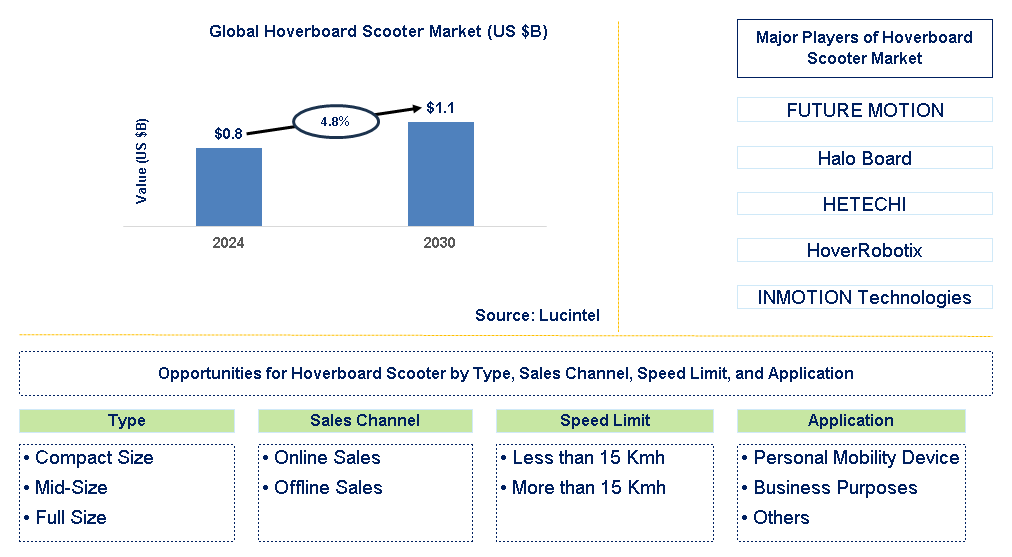
Key data points: The market size in 2030 = $1.1 billion, growth forecast = 4.8% annually for the next 6 years. Scroll below to get more insights. This market report covers trends, opportunities, and forecastss in the global hoverboard scooter market to 2030 by type (compact size, mid-size, and full size), sales channel (online sales and offline sales), speed limit (less than 15 kmh and more than 15 kmh), application (personal mobility device, business purposes, and others), and region (North America, Europe, Asia Pacific, and the Rest of the World)
We'll send your sample report shortly.
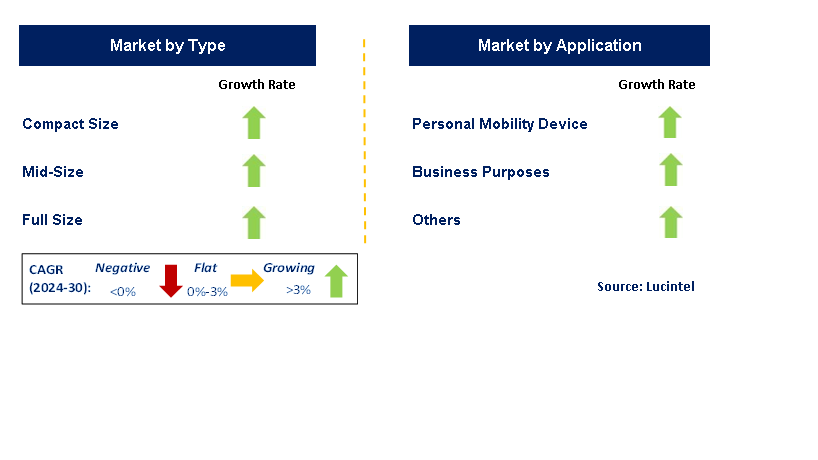
• Lucintel forecasts that, within the type category, compact size will remain the largest segment over the forecast period because the compact hoverboard scooters are small and lightweight, making them easy to carry and store.
• In terms of regions, APAC is expected to witness highest growth over the forecast period due to increase in requirement for urban commute solutions. Gain valuable insights for your business decisions with our comprehensive 150+ page report.
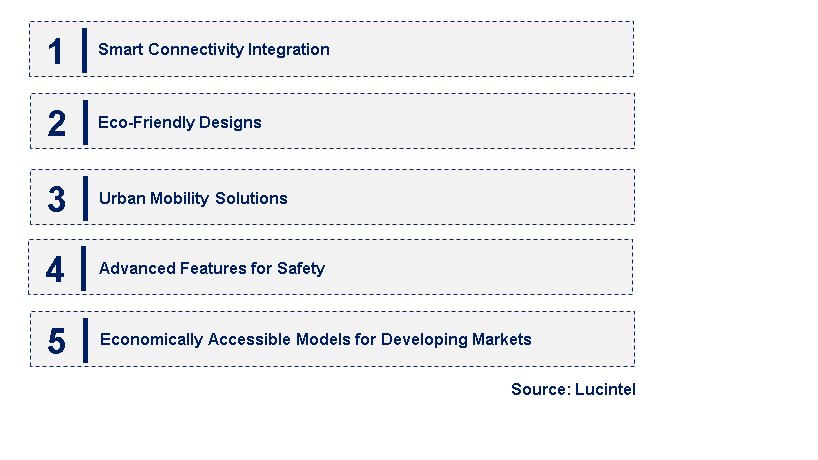
• Smart Connectivity Integration: With the advent of smart technologies, hoverboards now integrate IoT capabilities, allowing users to monitor performance, battery levels, and even GPS locations using mobile applications. As a result, demand is particularly high among tech-savvy customers who drive demand for high-end, connected versions. The integration of AI for better navigation and safety features is on the rise, positioning hoverboards within the smart mobility ecosystem.
• Eco-Friendly Designs: With growing emphasis on sustainability, manufacturers are focusing on eco-friendly materials and energy-saving batteries for hoverboards. Consumers increasingly prefer 'green' options, prompting companies to invest in renewable energy technologies. Common features include rechargeable lithium-ion batteries with longer life cycles and recyclable materials, which meet global environmental standards and the demand for eco-friendly products.
• Urban Mobility Solutions: Hoverboards are increasingly used for urban mobility over short distances, helping reduce congestion and pollution. This trend is gaining momentum in cities adopting micro-mobility as part of broader smart city initiatives. With compact designs and improved battery efficiency, hoverboards serve as affordable last-mile transportation options, further supported by investments in urban mobility infrastructure.
• Advanced Features for Safety: Consumer safety concerns have spurred the development of hoverboards with advanced features such as gyroscopic stabilization, improved braking systems, and battery management technologies. Companies are striving to meet stringent safety standards, particularly in Europe and the U.S., where regulations are more rigorous. This trend is essential for building consumer trust and expanding the market.
• Economically Accessible Models for Developing Markets: The growing popularity of hoverboards has driven manufacturers to produce economically accessible models for emerging markets. This is particularly true in countries like India, where price sensitivity is a major factor in purchasing decisions. More affordable hoverboards with fewer features offer sufficient functionality to enable wider adoption. These emerging trends continue to guide the hoverboard scooter market toward consumer friendliness, sustainability, and broader reach. Smart technology, eco-friendly designs, and affordability are key differentiators shaping future growth opportunities and expanding the market to new demographics.
• AI Integration in Hoverboards: The integration of AI technologies in hoverboards enhances navigation, self-balancing, and safety features, attracting tech-savvy consumers and promoting premium, connected models. AI use improves the overall experience, ensuring smoother rides and better performance, thus contributing to technological advancement in the market.
• UL 2272 Safety Certification: In the U.S. and European markets, the establishment of the UL 2272 safety certification has been a major milestone. This certification ensures that hoverboards meet strict safety standards, particularly regarding batteries and electric systems. Products with UL certification have gained consumer trust, reducing fire hazards and boosting sales.
• Partnerships with E-commerce Platforms: Many manufacturers are partnering with leading online e-commerce platforms to increase market exposure. This trend is especially prominent in e-commerce-friendly markets like the U.S. and China. Such partnerships facilitate quicker market entry and increased product visibility, driving higher sales.
• Lightweight and Portable Model Emphasis: As manufacturers prioritize mobility, hoverboards are becoming lighter and more portable. This is especially beneficial for urban commuters looking for easy ways to get around. Lighter models with foldable designs are gaining popularity in densely populated cities, further driving demand.
• Electric Mobility Initiatives by Government Bodies: Governments worldwide are promoting electric mobility solutions, and hoverboards are benefiting from this trend. Subsidies, tax incentives, and infrastructure developments related to electric vehicles are indirectly fostering hoverboard adoption in countries like China and India. Government support is helping drive wider acceptance of hoverboards as a greener transportation option. These developments represent significant changes in the hoverboard scooter market regarding product safety, e-commerce expansion, and alignment with global electric mobility trends. With further technological advancements and lightweight designs on the horizon, industry growth is expected to continue.
• Personal Mobility: Hoverboards are emerging as a personal mobility solution, particularly in cities where short trips are common. This growth opportunity is driven by the demand for cheaper, greener alternatives to traditional vehicles. Manufacturers are working on extending battery life and improving safety to ensure hoverboards are a viable option for daily commuting and convenient, sustainable transportation.
• Recreation: Hoverboards have found a niche in recreation, especially among younger consumers. Companies are responding by developing innovative designs and customizable products. The recreation segment offers growth potential through collaborations with sports and entertainment companies, positioning hoverboards as part of outdoor and leisure activities, particularly in amusement parks, resorts, and retail environments.
• Urban Transportation Solutions: As urbanization increases and smart city concepts grow, hoverboards are becoming an essential component of urban transportation solutions. Their compact size and ease of use create demand for last-mile transportation options in congested cities. Furthermore, the development of smart docking stations for integrating hoverboards with public transportation will open new growth opportunities.
• Tourism and Rentals: Hoverboard rentals are becoming an exciting way for tourists to explore cities worldwide. Many tourism destinations offer rental services, providing a lucrative opportunity for manufacturers to supply durable, user-friendly hoverboards tailored for rental fleets.
• Logistics and Delivery: Hoverboards are also being explored for use in logistics and delivery services, particularly for short-distance deliveries in congested urban areas where traditional vehicles struggle to operate. The lightweight and agile nature of hoverboards makes them an effective and economical delivery method, particularly for quick services like food delivery. The strategic growth opportunities for personal mobility, recreation, urban transport, tourism, and logistics are driving the direction of the hoverboard market. Manufacturers that can position their innovations across these applications will benefit from increasing demand for versatile hoverboard solutions.
• Technological Advancements: Developments in battery technology, AI integration, and smart connectivity have been crucial in driving the hoverboard market. These advancements make hoverboards more efficient, safe, and user-friendly, attracting tech-savvy consumers. Key drivers include improved battery life and IoT features such as GPS tracking, enhancing product appeal and expanding the premium market.
• Growing Urbanization: Hoverboards are filling the need for urban mobility, particularly in growing cities. Their compact design and minimal environmental impact make them ideal for last-mile transportation. Urbanization is driving the adoption of smart mobility solutions to reduce congestion and pollution, aiding hoverboard adoption.
• Increased Demand for Eco-Friendly Transportation: As awareness of environmental issues grows, consumers are seeking eco-friendly transportation options like hoverboards. Manufacturers are responding by designing energy-efficient products using eco-friendly materials, which attracts customers and aligns with global electric mobility trends.
• Growth of E-commerce and Digital Retail: E-commerce platforms have made hoverboards more accessible, significantly boosting sales. Online retail offers manufacturers the opportunity to reach customers worldwide, and convenience, combined with promotions and product reviews, drives consumer confidence. Stricter Safety Standards: Growing concerns about battery safety and product reliability have led to stricter safety standards, such as UL 2272 certification. This certification has helped build consumer trust, particularly in regions with stringent safety regulations like the U.S. and Europe. Challenges:
• Regulatory Constraints: Regulatory restrictions in several regions limit hoverboard use on public pathways. In Europe and parts of the U.S., these restrictions have hindered market expansion and consumer adoption. Overcoming these legal barriers is a key challenge for manufacturers.
• Safety Concerns: Despite improvements in safety features, consumers remain wary of potential accidents and battery malfunctions. Concerns about fire hazards and faulty batteries have led to increased scrutiny. Addressing these safety issues through stringent testing and quality control is essential.
• High Competition from Alternative Solutions for Mobility: Hoverboards face stiff competition from other micro-mobility solutions like electric scooters and bikes, which offer similar benefits for short-distance travel. Differentiating hoverboards through unique features and value propositions will be crucial for maintaining competitiveness in the market. Advancement in technology, urbanization, and demand for eco-friendly transportation are some of the growth drivers for hoverboard scooters. However, regulatory restrictions and issues related to safety need to be resolved for sustained market performance. Overall, it is expected that the interplay of these drivers and challenges would shape the future of the hoverboard industry and influence product development and market strategies.
• FUTURE MOTION
• Halo Board
• HETECHI
• HoverRobotix
• INMOTION Technologies
• Jetson Electric Bikes
• Shenzhen Gyroor Tech
• SWAGTRON
• Tomoloo Technology Industrial
• UBOARD India
• Compact Size
• Mid-Size
• Full Size
• Online Sales
• Offline Sales
• Less than 15 Kmh
• More than 15 Kmh
• Personal Mobility Device
• Business Purposes
• Others
• In terms of regions, North America
• In terms of regions, Europe
• Asia Pacific
• The Rest of the World
• United States: The U.S. market for hoverboards is significantly safer than in the past, thanks to the widespread adoption of UL 2272-certified batteries. E-commerce sales have surged due to growing consumer demand for personal mobility devices as alternatives to traditional transportation methods, particularly in urban areas.
• China: As a major producer and exporter of hoverboards, China has seen a surge in domestic demand due to government support for green mobility initiatives. Companies are investing in AI and IoT technologies to enhance hoverboard performance, catering to tech-savvy consumers.
• Germany: Strict road safety regulations may limit hoverboard use on public roads, but demand has increased for recreational use, particularly in parks and controlled environments. Manufacturers are innovating to meet European safety standards while offering high performance to outdoor enthusiasts.
• India: Urbanization and the growing popularity of micro-mobility solutions are driving hoverboard sales. Local manufacturers offer affordable models, and government initiatives on electric mobility have further encouraged adoption, particularly among younger consumers.
• Japan: Japan's hoverboard market is focused on product safety and design innovation. Companies are developing lighter models that meet local safety standards and are also integrating hoverboards into broader smart mobility solutions for ease of movement in densely populated cities.


• FUTURE MOTION
• Halo Board
• HETECHI
• HoverRobotix
• INMOTION Technologies
• Jetson Electric Bikes
• Shenzhen Gyroor Tech
• SWAGTRON
• Tomoloo Technology Industrial
• UBOARD India Q6. Which hoverboard scooter market segment will be the largest in future? Answer: Lucintel forecasts that compact size will remain the largest segment over the forecast period because the compact hoverboard scooters are small and lightweight, making them easy to carry and store. Q7. In hoverboard scooter market, which region is expected to be the largest in next 5 years? Answer: APAC is expected to witness highest growth over the forecast period due to increase in requirement for urban commute solutions. Q.8 Do we receive customization in this report? Answer: Yes, Lucintel provides 10% customization without any additional cost.


Choose a license that fits your team. Instant PDF delivery.
Prices exclude taxes. Instant delivery. Custom licensing available on request.
Market Report · July 31, 2026
Market Report · July 17, 2026
Market Report · May 18, 2026
Trusted partner for strategic intelligence and business growth


Receive a complimentary market analysis tailored to your industry. Our analysts will identify key growth opportunities and competitive dynamics specific to your business.

Market size, growth rate, and key trend analysis for your specific sector.

Top competitor positioning and market share analysis.

Strategic recommendations backed by data-driven insights.
Get curated market intelligence and competitive moves straight to your inbox.
By subscribing, you agree to receive our monthly insights. Unsubscribe anytime.
Receive a complimentary market analysis tailored to your industry. Our analysts will identify key growth opportunities and competitive dynamics specific to your business.
Market size, growth rate, and key trend analysis for your specific sector.
Top competitor positioning and market share analysis.
Strategic recommendations backed by data-driven insights.
Get curated market intelligence, emerging trends, and competitive moves straight to your inbox each month.
By subscribing, you agree to receive our monthly insights. Unsubscribe anytime.
We'll send your sample report shortly.