Close Lucintel Chat
Didn't Find What You're Looking for?
Call us at +1972 636 5056 or write at helpdesk@Lucintel.com
Ask an Expert Provide Custom Requirements Download Sample Report Search Available Reports
  • helpdesk@Lucintel.com
  • |
  • Call Lucintel +1 972 636 5056
  • |
  • Login
  • |
  • Register
  • |
  • Search
  • |
'
...

The Impact of COVID-19 is included in Graphene Market Report. Buy it today to get an advantage.

Request the impact of COVID-19 on your product or industry


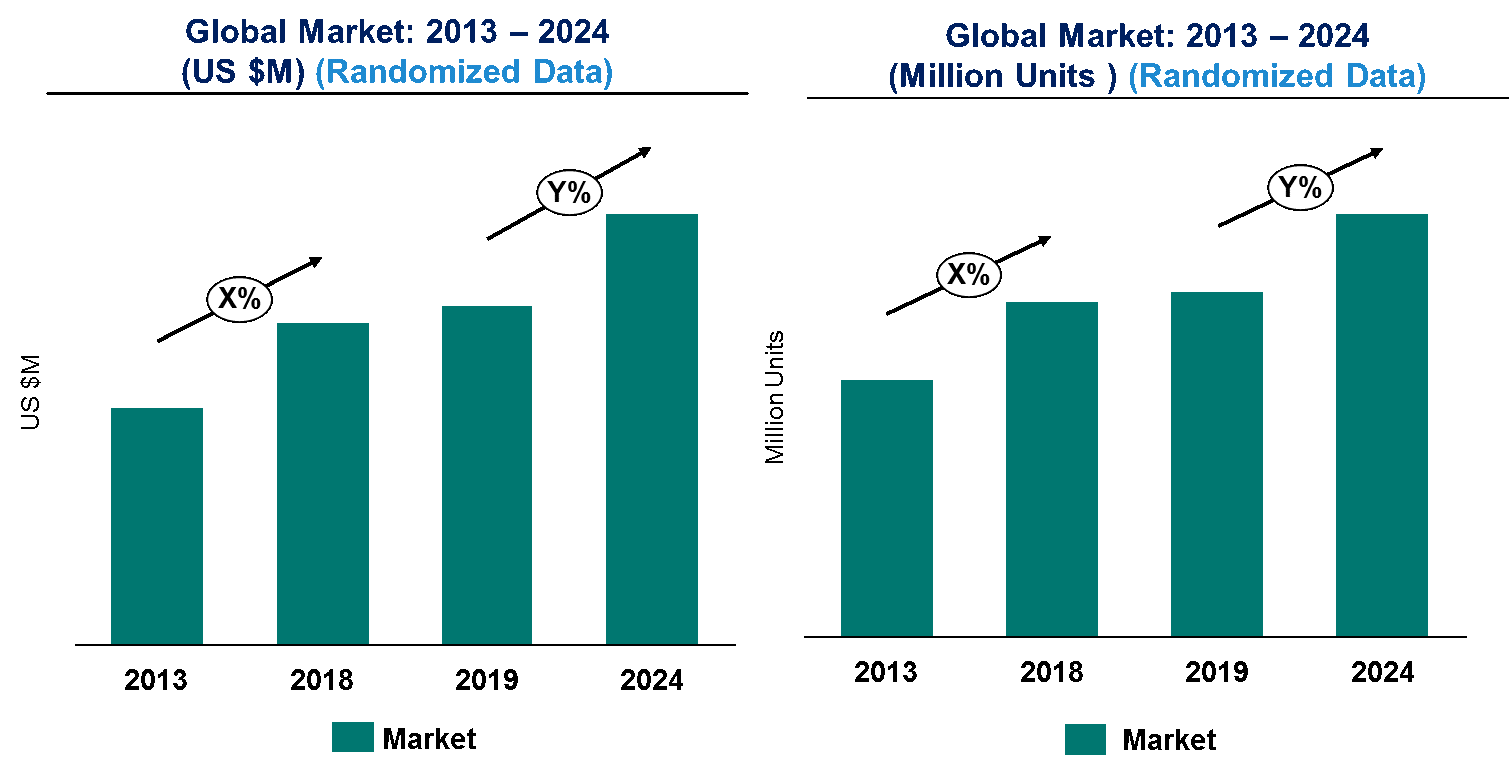
Graphene Trends and Forecast

The future of the global graphene market looks promising with opportunities in the automotive & transportation, aerospace, electronic, and military & defense markets. The global graphene market is expected to reach an estimated $1.8 billion by 2030 with a CAGR of 18.7% from 2024 to 2030. The major drivers for this market are the rising application of this material in composites & coatings, increasing demand for sustainable and eco-friendly materials, and growing demand for graphene in electronics & energy storage.
• Lucintel forecasts that, within the type category, bulk graphene is expected to witness higher growth over the forecast period.
• Within this end use category, automotive & transportation is expected to witness the highest growth.
• In terms of region, APAC is expected to witness the highest growth over the forecast period.
A more than 150-page report is developed to help in your business decisions.
Graphene Trends and Forecast

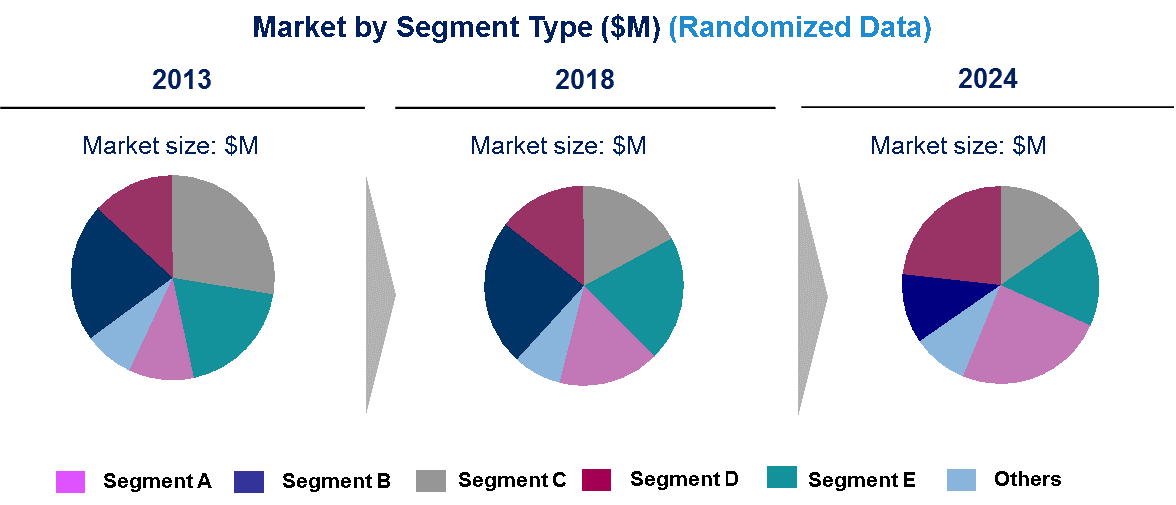
Graphene by Segment

Emerging Trends in the Graphene Market

The graphene market is experiencing transformative changes driven by technological advancements and expanding applications. Known for its exceptional electrical, thermal, and mechanical properties, graphene is finding new uses in diverse industries such as electronics, energy storage, and materials science. Emerging trends reflect innovations in production techniques, growing application areas, and increased investment in research and development. These trends are shaping the future of the graphene market and driving its evolution across various sectors.
• Advancements in Production Methods: New production methods, such as chemical vapor deposition (CVD) and liquid-phase exfoliation, are enhancing the quality and scalability of graphene. These advanced techniques allow for the production of high-purity graphene with controlled properties at lower costs. The trend toward more efficient and scalable production methods is making graphene more accessible for commercial applications and driving innovation in industries such as electronics, energy storage, and advanced materials.
• Increased Focus on Energy Storage: GrapheneÄX%$%Xs exceptional conductivity and surface area make it ideal for energy storage applications. Recent advancements include integrating graphene into supercapacitors and batteries to enhance energy density, charge/discharge rates, and overall performance. This trend is particularly relevant as the demand for efficient energy storage solutions grows, driven by the rise of renewable energy technologies and electric vehicles. The incorporation of graphene into energy storage devices is expected to lead to significant improvements in performance and longevity.
• Expansion into Electronics and Semiconductors: The use of graphene in electronics and semiconductors is rapidly expanding due to its high electrical conductivity and flexibility. Innovations include the development of graphene-based transistors, flexible displays, and high-frequency RF components. These advancements are driving progress in the electronics industry by enabling faster, more efficient, and flexible electronic devices. The growing application of graphene in electronics is positioning it as a key material for next-generation technology.
• Development of Advanced Coatings and Composites: Graphene is increasingly being used in coatings and composites to enhance durability, conductivity, and performance. Recent developments focus on creating graphene-infused coatings for corrosion resistance, wear protection, and enhanced thermal conductivity. In composites, graphene is used to improve mechanical strength and lightweight properties. This trend is expanding the use of graphene in industries such as automotive, aerospace, and construction, where advanced materials are crucial for performance and longevity.
• Investments in Biomedical Applications: The biomedical sector is exploring graphene for a range of applications, including drug delivery, imaging, and diagnostics. Recent research focuses on developing biocompatible graphene-based materials that can improve drug delivery efficiency and enhance imaging techniques. The trend toward incorporating graphene into biomedical technologies holds promise for advancing personalized medicine and diagnostics, potentially leading to more effective treatments and diagnostic tools.
These emerging trends are reshaping the graphene market by driving innovations in production methods, expanding applications, and increasing investment in research and development. Advances in production techniques are making graphene more accessible and cost-effective, while its applications in energy storage, electronics, coatings, and biomedical fields are highlighting its versatility and potential. As these trends continue to evolve, graphene is expected to play a significant role in advancing technologies and addressing challenges across various industries.

Emerging Trends in the Graphene Market

Recent Developments in the Graphene Market

Recent developments in the graphene market underscore significant advancements in production technologies and expanding applications. Graphene, with its remarkable properties, is being increasingly explored for various high-tech and industrial uses. These developments reflect progress in improving production efficiency, expanding application areas, and integrating graphene into emerging technologies. Understanding these developments is crucial for grasping the evolving landscape of the graphene market and its future potential.
• Scalable Production Techniques: Recent advancements in scalable production techniques, such as chemical vapor deposition (CVD) and roll-to-roll processing, have significantly improved the feasibility of mass-producing high-quality graphene. CVD allows for the growth of large-area graphene films with excellent electronic properties, while roll-to-roll processing enables the continuous production of graphene-coated flexible substrates. These techniques are making graphene more accessible for commercial applications, reducing costs, and enabling its use in a wider range of products, from flexible electronics to large-area displays.
• Enhanced Energy Storage Solutions: Innovations in integrating graphene into energy storage devices have led to breakthroughs in supercapacitors and batteries. Graphene-enhanced supercapacitors exhibit improved energy density and faster charge/discharge rates, while graphene-based batteries offer higher capacity and longer life cycles. These developments address the growing demand for efficient and durable energy storage solutions, particularly in electric vehicles and renewable energy systems. The incorporation of graphene is expected to enhance the performance and viability of energy storage technologies.
• Graphene-Based Electronics: The application of graphene in electronics has seen notable progress, with the development of graphene-based transistors, flexible displays, and high-frequency components. Researchers are exploring grapheneÄX%$%Xs potential to replace silicon in certain electronic applications, offering advantages such as higher speed and lower power consumption. Recent advancements include the creation of high-speed graphene transistors and flexible electronic devices that can be integrated into wearable technology and advanced consumer electronics, positioning graphene as a key material for next-generation electronics.
• Biomedical Innovations: GrapheneÄX%$%Xs potential in biomedical applications is being actively explored, with recent developments focusing on its use in drug delivery systems, biosensors, and imaging technologies. Researchers are developing biocompatible graphene materials that can improve targeted drug delivery and enhance diagnostic imaging. Advances in this area could lead to more effective treatments and diagnostics, benefiting personalized medicine and healthcare. The growing interest in grapheneÄX%$%Xs biomedical applications highlights its versatility and potential impact on the medical field.
• Advanced Coatings and Composites: The development of graphene-based coatings and composites has advanced significantly, with applications in protective coatings, high-strength composites, and conductive materials. Recent innovations include graphene-infused coatings that provide superior corrosion resistance and durability, as well as composites that enhance mechanical strength and thermal conductivity. These advancements are driving the use of graphene in various industries, including automotive, aerospace, and construction, where advanced materials are crucial for performance and longevity.
• Increased R&D Investments: There has been a surge in research and development investments in graphene technology, driven by both public and private sectors. Significant funding is being directed toward exploring new applications, improving production methods, and overcoming technical challenges. This increased investment is accelerating the commercialization of graphene-based technologies and fostering innovation across multiple industries. The growing R&D activity underscores the high potential and strategic importance of graphene in advancing cutting-edge technologies.
Recent developments in the graphene market are significantly impacting its growth and application. Innovations in scalable production techniques, energy storage solutions, electronics, biomedical applications, and advanced coatings are enhancing the versatility and performance of graphene. Increased R&D investments are further accelerating advancements and commercialization. These developments are driving the expansion of grapheneÄX%$%Xs applications and establishing it as a critical material in various high-tech sectors, shaping the future of the graphene market.


Strategic Growth Opportunities for Graphene Market

The graphene market is poised for significant growth due to its exceptional properties, including high electrical conductivity, thermal conductivity, and mechanical strength. These properties make graphene a valuable material for various applications, presenting several strategic growth opportunities. As industries increasingly adopt graphene for advanced technologies, opportunities arise in electronics, energy storage, composites, coatings, biomedical applications, and environmental solutions. Each of these applications offers unique potential for innovation and market expansion, driving broader adoption of graphene and contributing to its development as a key material in high-tech industries.
• Electronics and Semiconductors: GrapheneÄX%$%Xs high electrical conductivity and flexibility make it an ideal candidate for next-generation electronic devices and semiconductors. Opportunities in this sector include the development of graphene-based transistors, flexible displays, and high-frequency RF components. Graphene transistors offer the potential for faster and more efficient electronic devices compared to traditional silicon-based technology. Flexible displays, enabled by grapheneÄX%$%Xs flexibility and transparency, could lead to new consumer electronics designs, including bendable screens and wearable technology. The incorporation of graphene into high-frequency components can enhance the performance of communication devices. These advancements are expected to revolutionize the electronics and semiconductor industries by enabling faster, more efficient, and flexible electronic components.
• Energy Storage: In energy storage, graphene’s high surface area and electrical conductivity offer substantial improvements in supercapacitors and batteries. Graphene-enhanced supercapacitors can achieve higher energy densities and faster charge/discharge rates, addressing the growing demand for efficient and quick energy storage solutions. For batteries, graphene can improve capacity, charge rates, and lifespan, making it a valuable material for electric vehicles and renewable energy systems. This growth opportunity is significant as it aligns with the global push toward sustainable energy solutions and electric mobility, driving advancements in energy storage technologies and broadening their application range.
• Composites and Advanced Materials: Graphene’s exceptional mechanical strength and lightweight properties are ideal for enhancing composites and advanced materials. Incorporating graphene into materials like polymers, metals, and ceramics can significantly improve their strength, durability, and thermal conductivity. This has applications in industries such as aerospace, automotive, and construction, where high-performance materials are crucial. For example, graphene-reinforced composites can lead to lighter and stronger components, improving fuel efficiency in vehicles and increasing the performance and safety of aerospace structures. The growth of this opportunity will drive innovation in materials science and expand the use of graphene in critical industries.
• Coatings and Surface Treatments: The unique properties of graphene make it highly effective in coatings and surface treatments. Graphene-based coatings can provide superior protection against corrosion, wear, and thermal degradation. Applications include protective coatings for metals, anti-fogging coatings for glass, and self-cleaning surfaces. For instance, graphene-infused coatings can enhance the durability of automotive and industrial components, extend the lifespan of infrastructure, and improve the performance of electronic devices. This growth opportunity leverages graphene’s ability to create high-performance coatings and treatments, supporting the development of more resilient and functional surfaces.
• Biomedical Applications: In the biomedical field, graphene’s biocompatibility and functionalization capabilities offer exciting opportunities for drug delivery, biosensing, and imaging. Graphene-based drug delivery systems can target specific cells or tissues, improving the efficacy and precision of treatments. Biosensors incorporating graphene can achieve high sensitivity and rapid detection for diagnostics. Additionally, graphene-based imaging agents can enhance contrast and resolution in medical imaging techniques. These advancements hold the potential to transform personalized medicine and diagnostics, offering more effective and targeted healthcare solutions and driving growth in the biomedical sector.
• Environmental Solutions: Graphene’s potential in environmental solutions includes applications in water filtration, air purification, and energy-efficient technologies. Graphene-based materials can be used in membranes for desalination and wastewater treatment, offering high filtration efficiency and durability. Air purification systems utilizing graphene can effectively remove pollutants and toxins. Additionally, graphene’s role in energy-efficient technologies, such as photovoltaic cells, can contribute to more sustainable energy solutions. The growth opportunity in environmental applications reflects the increasing demand for advanced materials that address environmental challenges and promote sustainability.
The strategic growth opportunities in the graphene market highlight its potential to drive innovation across various industries. By leveraging graphene’s unique properties, advancements in electronics, energy storage, composites, coatings, biomedical applications, and environmental solutions are set to expand the materialÄX%$%Xs impact. Each application offers significant potential for market growth, positioning graphene as a transformative material in high-tech and sustainable technologies. As these opportunities are explored, they will shape the future of the graphene market and drive its integration into a wide range of applications.

Graphene Market Driver and Challenges

The graphene market is influenced by a range of drivers and challenges that impact its growth and development. Key drivers include technological advancements, increasing demand for high-performance materials, and supportive government policies. Conversely, challenges such as high production costs, regulatory hurdles, and scalability issues present obstacles to market expansion. Understanding these factors is essential for stakeholders to navigate the evolving landscape and capitalize on opportunities in the graphene market.
Drivers:
• Technological advancements: Advances in graphene production technologies, such as chemical vapor deposition (CVD) and liquid-phase exfoliation, are driving market growth. Improved production methods enable the creation of high-quality graphene at lower costs, making it more accessible for commercial applications. These advancements also support the development of new products and technologies, expanding graphene’s use across various industries. Technological progress in synthesis and processing is crucial for meeting the growing demand for graphene in electronics, energy storage, and other high-tech applications.
• Rising demand for high-performance materials: The increasing demand for advanced materials with superior properties, such as high electrical conductivity and mechanical strength, is driving the growth of the graphene market. Industries like electronics, aerospace, automotive, and energy are seeking materials that can enhance performance and efficiency. Graphene, with its exceptional properties, offers significant advantages over traditional materials, leading to its adoption in various high-tech and industrial applications. This growing demand for high-performance materials is a key driver of market expansion.
• Government support and funding: Government initiatives and funding programs aimed at promoting research and development in advanced materials are boosting the graphene market. Supportive policies and grants facilitate innovation and commercialization, helping to overcome technical and financial barriers. Governments around the world are investing in graphene research to foster technological advancements and strengthen their positions in the global market. This support is essential for accelerating the development of graphene technologies and expanding their application across multiple sectors.
• Increased investment in R&D: Significant investments in research and development are driving innovation in the graphene market. Both the public and private sectors are funding research to explore new applications, improve production methods, and address technical challenges. This increased investment is accelerating the development and commercialization of graphene-based products, supporting market growth and enhancing the material’s integration into various industries. The focus on R&D is crucial for advancing graphene technologies and expanding their use in high-tech and industrial applications.
• Growing applications across industries: The expansion of graphene applications across diverse industries is a major driver of market growth. Graphene’s versatility makes it suitable for a wide range of uses, including electronics, energy storage, coatings, biomedical applications, and environmental solutions. As new applications are explored and developed, the demand for graphene increases, driving market expansion. The growing recognition of graphene’s potential across different sectors is contributing to its widespread adoption and integration into various technologies.
Challenges in the graphene market:
• High production costs: The cost of producing high-quality graphene remains a significant challenge. Advanced production methods, such as CVD, are costly and require specialized equipment, impacting the overall pricing of graphene. High production costs can limit the material’s accessibility and affordability for various applications, hindering market growth. Addressing cost challenges through advancements in production techniques and economies of scale is crucial for making graphene more commercially viable and expanding its use across industries.
• Regulatory and safety concerns: Regulatory hurdles and safety concerns related to the use of graphene can pose challenges for market growth. Ensuring compliance with regulations and addressing safety issues are essential for market acceptance and widespread adoption. The potential environmental and health impacts of graphene need to be carefully evaluated and managed. Navigating regulatory requirements and ensuring the safe handling and use of graphene are important for overcoming barriers to market expansion and fostering industry growth.
• Scalability and commercialization issues: Scaling up production and achieving commercialization of graphene-based products present challenges. While advancements have been made in production technologies, scaling these processes to meet commercial demands can be difficult. Ensuring consistent quality and performance while achieving large-scale production is crucial for market success. Overcoming scalability issues and developing effective commercialization strategies are key for driving the widespread adoption of graphene technologies and expanding their market presence.
The graphene market is influenced by several drivers, including technological advancements, rising demand for high-performance materials, government support, increased R&D investment, and growing applications across industries. However, challenges such as high production costs, regulatory and safety concerns, and scalability issues can impact market growth. Addressing these challenges while leveraging the drivers will be essential for advancing the graphene market and unlocking its full potential. Understanding these dynamics is crucial for stakeholders to navigate the market effectively and capitalize on emerging opportunities.

List of Graphene Companies

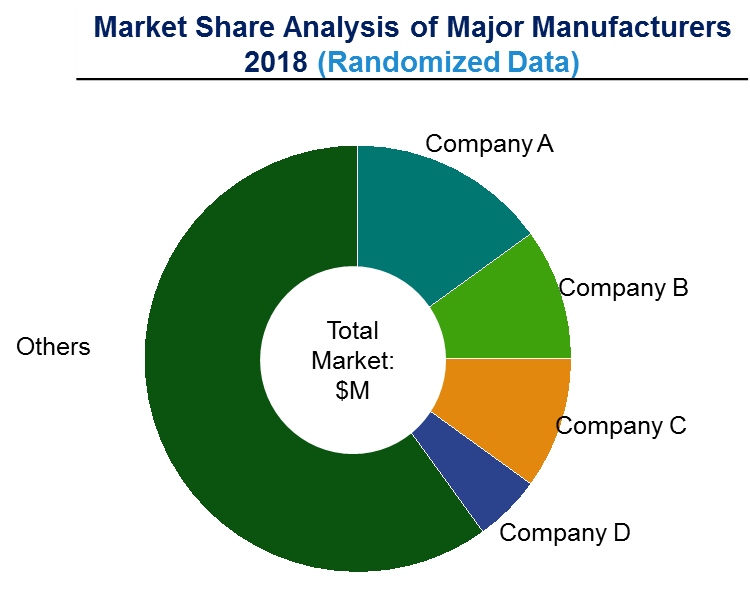
Companies in the market compete on the basis of product quality offered. Major players in this market focus on expanding their manufacturing facilities, R&D investments, infrastructural development, and leverage integration opportunities across the value chain. Through these strategies graphene companies cater increasing demand, ensure competitive effectiveness, develop innovative products & technologies, reduce production costs, and expand their customer base. Some of the graphene companies profiled in this report include-
• NanoXplore
• Graphenea
• Avanzare Innovacion Tecnologica
• Global Graphene
• Directa Plus
• Changzhou Sixth Element Materials Technology
• Ningbo Morsh Technology

Graphene by Segment

The study includes a forecast for the global graphene market by type, application, end use, and region.

Graphene Market by Type [Analysis by Value from 2018 to 2030]:


• Bulk Graphene
• Monolayer Graphene

Graphene Market by Application [Analysis by Value from 2018 to 2030]:


• Composites
• Paints, Coatings, & Inks
• Energy Storage & Harvesting
• Electronics
• Catalyst
• Tires
• Others

Graphene Market by End Use [Analysis by Value from 2018 to 2030]:


• Automotive & Transportation
• Aerospace
• Electronics
• Military & Defense
• Others

Graphene Market by Region [Analysis by Value from 2018 to 2030]:


• North America
• Europe
• Asia Pacific
• The Rest of the World

Country Wise Outlook for the Graphene Market

The graphene market is evolving rapidly, driven by advancements in production technologies and expanding applications. Graphene, known for its exceptional electrical, thermal, and mechanical properties, is increasingly being explored for diverse uses, from electronics to energy storage. Recent developments in major markets such as the United States, China, Germany, India, and Japan highlight significant progress in graphene research, production, and application, reflecting the material’s growing importance and potential in various high-tech sectors.
• United States: In the United States, recent developments in the graphene market focus on scaling up production and enhancing material quality. U.S. companies and research institutions are investing in advanced manufacturing techniques such as chemical vapor deposition (CVD) to produce high-quality graphene at a commercial scale. There is a strong emphasis on integrating graphene into electronics, energy storage systems, and advanced materials. Collaborative efforts between industry and academia are accelerating innovations and applications, positioning the U.S. as a leader in graphene technology development and commercialization.
• China: China is making significant strides in the graphene market by expanding production capabilities and exploring new applications. Recent advancements include the development of large-scale graphene production facilities and the use of innovative methods like liquid-phase exfoliation. Chinese companies are focusing on incorporating graphene into a wide range of products, including batteries, supercapacitors, and conductive coatings. Government support and substantial investments in research and development are driving growth, establishing China as a major player in both graphene production and application.
• Germany: Germany is advancing in the graphene market with a focus on high-performance applications and sustainability. Recent developments include research into scalable production methods and the integration of graphene into advanced electronic components, automotive parts, and renewable energy technologies. German companies are also exploring eco-friendly production techniques and applications in high-precision industries. The country’s strong emphasis on innovation and quality is driving the development of cutting-edge graphene technologies, positioning Germany as a key contributor to the global graphene market.

Lucintel Analytics Dashboard

Features of the Global Graphene Market

Market Size Estimates: Graphene market size estimation in terms of value ($B).
Trend and Forecast Analysis: Market trends (2018 to 2023) and forecast (2024 to 2030) by various segments and regions.
Segmentation Analysis: Graphene market size by type, application, end use, and region in terms of value ($B).
Regional Analysis: Graphene market breakdown by North America, Europe, Asia Pacific, and Rest of the World.
Growth Opportunities: Analysis of growth opportunities in different types, applications, end uses, and regions for the graphene market.
Strategic Analysis: This includes M&A, new product development, and competitive landscape of the graphene market.
Analysis of competitive intensity of the industry based on Porter’s Five Forces model.

If you are looking to expand your business in this market or adjacent markets, then contact us. We have done hundreds of strategic consulting projects in market entry, opportunity screening, due diligence, supply chain analysis, M & A, and more.
Lucintel Consulting Services

FAQ

Q1. What is the graphene market size?
Answer: The global graphene market is expected to reach an estimated $1.8 billion by 2030.
Q2. What is the growth forecast for the graphene market?
Answer: The global graphene market is expected to grow with a CAGR of 18.7% from 2024 to 2030.
Q3. What are the major drivers influencing the growth of the graphene market?
Answer: The major drivers for this market are the rising application of this material in composites & coatings, increasing demand for sustainable and eco-friendly materials, and growing demand for graphene in electronics & energy storage.
Q4. What are the major segments of the graphene market?
Answer: The future of the graphene market looks promising with opportunities in the automotive & transportation, aerospace, electronic, and military & defense markets.
Q5. Who are the key graphene market companies?
Answer: Some of the key graphene companies are as follows:
• NanoXplore
• Graphenea
• Avanzare Innovacion Tecnologica
• Global Graphene
• Directa Plus
• Changzhou Sixth Element Materials Technology
• Ningbo Morsh Technology
Q6. Which graphene market segment will be the largest in the future?
Answer: Lucintel forecasts that bulk graphene is expected to witness higher growth over the forecast period.
Q7. In the graphene market, which region is expected to be the largest in the next 5 years?
Answer: APAC is expected to witness the highest growth over the forecast period.
Q.8 Do we receive customization in this report?
Answer: Yes, Lucintel provides 10% customization without any additional cost.

This report answers following 11 key questions:

Q.1. What are some of the most promising, high-growth opportunities for the graphene market by type (bulk graphene and monolayer graphene), application (composites, paints, coatings, & inks, energy storage & harvesting, electronics, catalyst, tires, and others), end use (automotive & transportation, aerospace, electronics, military & defense, and others), and region (North America, Europe, Asia Pacific, and the Rest of the World)?
Q.2. Which segments will grow at a faster pace and why?
Q.3. Which region will grow at a faster pace and why?
Q.4. What are the key factors affecting market dynamics? What are the key challenges and business risks in this market?
Q.5. What are the business risks and competitive threats in this market?
Q.6. What are the emerging trends in this market and the reasons behind them?
Q.7. What are some of the changing demands of customers in the market?
Q.8. What are the new developments in the market? Which companies are leading these developments?
Q.9. Who are the major players in this market? What strategic initiatives are key players pursuing for business growth?
Q.10. What are some of the competing products in this market and how big of a threat do they pose for loss of market share by material or product substitution?
Q.11. What M&A activity has occurred in the last 5 years and what has its impact been on the industry?
For any questions related to Graphene Market , Graphene MarketSize, Graphene MarketGrowth, Graphene MarketAnalysis, Graphene MarketReport, Graphene MarketShare, Graphene MarketTrends, Graphene MarketForecast, Graphene Market Companies, write Lucintel analyst at email: helpdesk@lucintel.com. We will be glad to get back to you soon.

                                                            Table of Contents

            1. Executive Summary

            2. Global Graphene Market : Market Dynamics
                        2.1: Introduction, Background, and Classifications
                        2.2: Supply Chain
                        2.3: Industry Drivers and Challenges

            3. Market Trends and Forecast Analysis from 2018 to 2030
                        3.1. Macroeconomic Trends (2018-2023) and Forecast (2024-2030)
                        3.2. Global Graphene Market Trends (2018-2023) and Forecast (2024-2030)
                        3.3: Global Graphene Market by Type
                                    3.3.1: Bulk Graphene
                                    3.3.2: Monolayer Graphene
                        3.4: Global Graphene Market by Application
                                    3.4.1: Composites
                                    3.4.2: Paints, Coatings, & Inks
                                    3.4.3: Energy Storage & Harvesting
                                    3.4.4: Electronics
                                    3.4.5: Catalyst
                                    3.4.6: Tires
                                    3.4.7: Others
                        3.5: Global Graphene Market by End Use
                                    3.5.1: Automotive & Transportation
                                    3.5.2: Aerospace
                                    3.5.3: Electronics
                                    3.5.4: Military & Defense
                                    3.5.5: Others

            4. Market Trends and Forecast Analysis by Region from 2018 to 2030
                        4.1: Global Graphene Market by Region
                        4.2: North American Graphene Market
                                    4.2.1: North American Market by Type: Bulk and Monolayer Graphene
                                    4.2.2: North American Market by End Use: Automotive & Transportation, Aerospace, Electronics, Military & Defense, and Others
                        4.3: European Graphene Market
                                    4.3.1: European Market by Type: Bulk and Monolayer Graphene
                                    4.3.2: European Market by End Use: Automotive & Transportation, Aerospace, Electronics, Military & Defense, and Others
                        4.4: APAC Graphene Market
                                    4.4.1: APAC Market by Type: Bulk and Monolayer Graphene
                                    4.4.2: APAC Market by End Use: Automotive & Transportation, Aerospace, Electronics, Military & Defense, and Others
                        4.5: ROW Graphene Market
                                    4.5.1: ROW Market by Type: Bulk and Monolayer Graphene
                                    4.5.2: ROW Market by End Use: Automotive & Transportation, Aerospace, Electronics, Military & Defense, and Others

            5. Competitor Analysis
                        5.1: Product Portfolio Analysis
                        5.2: Operational Integration
                        5.3: Porter’s Five Forces Analysis

            6. Growth Opportunities and Strategic Analysis
                        6.1: Growth Opportunity Analysis
                                    6.1.1: Growth Opportunities for the Global Graphene Market by Type
                                    6.1.2: Growth Opportunities for the Global Graphene Market by Application
                                    6.1.3: Growth Opportunities for the Global Graphene Market by End Use
                                    6.1.4: Growth Opportunities for the Global Graphene Market by Region
                        6.2: Emerging Trends in the Global Graphene Market
                        6.3: Strategic Analysis
                                    6.3.1: New Product Development
                                    6.3.2: Capacity Expansion of the Global Graphene Market
                                    6.3.3: Mergers, Acquisitions, and Joint Ventures in the Global Graphene Market
                                    6.3.4: Certification and Licensing

            7. Company Profiles of Leading Players
                        7.1: NanoXplore
                        7.2: Graphenea
                        7.3: Avanzare Innovacion Tecnologica
                        7.4: Global Graphene
                        7.5: Directa Plus
                        7.6: Changzhou Sixth Element Materials Technology
                        7.7: Ningbo Morsh Technology
.

Buy full report or by chapter as follows

Limited Time Offer

Price by License Type:
[-] Hide Chapter Details
[Chapter Number] [Chapter Name] [Chapter Number Of Pages] [Chapter Price]
Title/Chapter Name Pages Price
Full Report: Graphene Market Report: Trends, Forecast and Competitive Analysis to 2030 Full Report $ 2,990
Lucintel has been in the business of market research and management consulting since 2000 and has published over 1000 market intelligence reports in various markets / applications and served over 1,000 clients worldwide. This study is a culmination of four months of full-time effort performed by Lucintel's analyst team. The analysts used the following sources for the creation and completion of this valuable report:
  • In-depth interviews of the major players in this market
  • Detailed secondary research from competitors’ financial statements and published data 
  • Extensive searches of published works, market, and database information pertaining to industry news, company press releases, and customer intentions
  • A compilation of the experiences, judgments, and insights of Lucintel’s professionals, who have analyzed and tracked this market over the years.
Extensive research and interviews are conducted across the supply chain of this market to estimate market share, market size, trends, drivers, challenges, and forecasts. Below is a brief summary of the primary interviews that were conducted by job function for this report.
 
Thus, Lucintel compiles vast amounts of data from numerous sources, validates the integrity of that data, and performs a comprehensive analysis. Lucintel then organizes the data, its findings, and insights into a concise report designed to support the strategic decision-making process. The figure below is a graphical representation of Lucintel’s research process. 
 

Please sign in below to get report brochure - Graphene Market Report.

At Lucintel, we respect your privacy and maintain the confidentiality of information / data provided by you
(Please enter your corporate email. * These fields are mandatory )

Follow us on