
Market Report · July 31, 2026

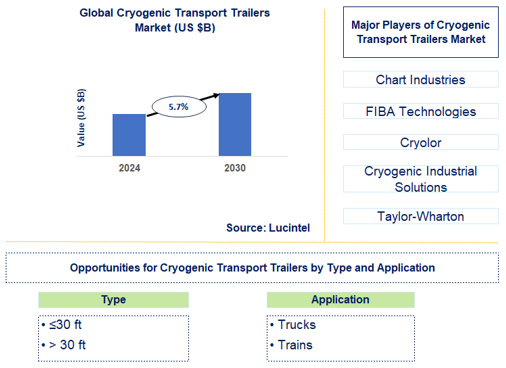
Key data points: The growth forecast = 5.7% annually next for the 6 years. Scroll below to get more insights. This market report covers trends, opportunities, and forecasts in the global cryogenic transport trailers market to 2030 by type (≤30 ft and > 30 ft), application (trucks and trains), and region (North America, Europe, Asia Pacific, and the Rest of the World)
We'll send your sample report shortly.
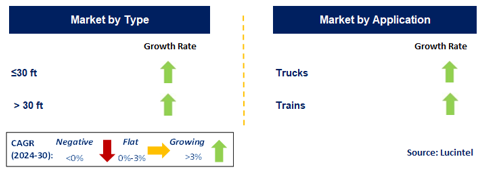
• Lucintel forecasts that, within the type category, ≤30 ft is expected to witness the higher growth over the forecast period.
• Within this application category, truck is expected to witness the higher growth.
• In terms of regions, APAC is expected to witness the highest growth over the forecast period. A more than 150-page report is developed to help in your business decisions.
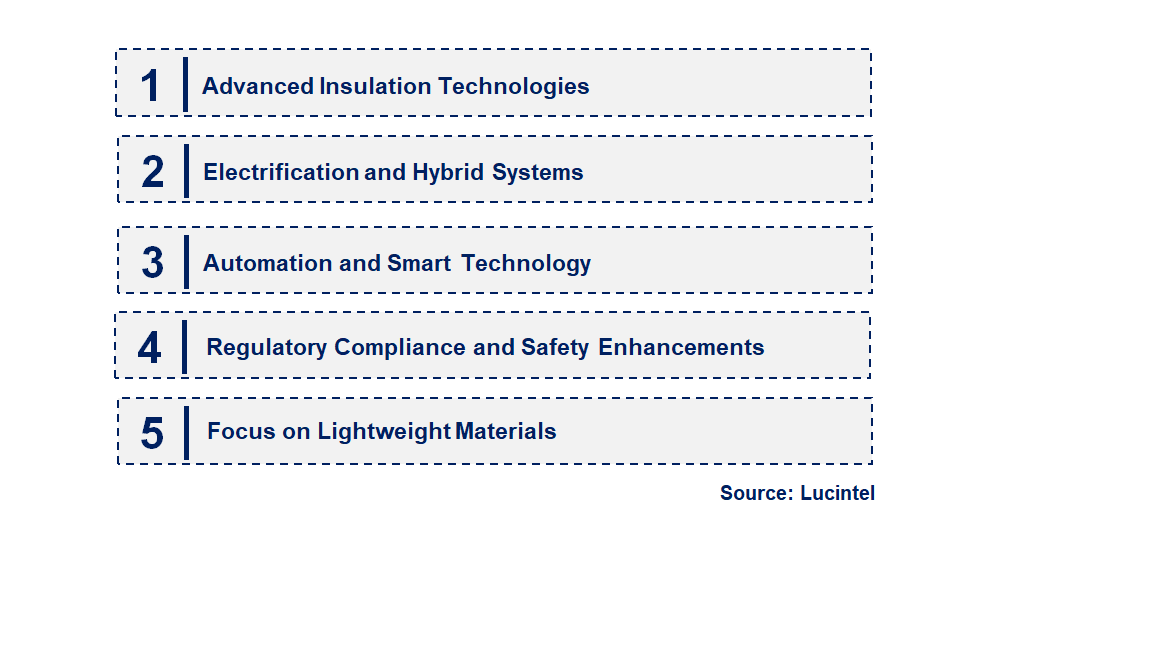
• Advanced Insulation Technologies: Advanced insulation technologies have become a key trend aimed at enhancing thermal efficiency and reducing heat loss. For example, vacuum-insulated panels (VIPs) and aerogel materials reduce heat exchange between the outer space and extremely low temperatures. As a result, there is less need for frequent cooling, thereby reducing energy consumption while increasing the overall efficiency of freezing delivery services.
• Electrification and Hybrid Systems: Cryogenic transport trailers are increasingly being fitted with electrification and hybrid systems. These systems aim to integrate electric or hybrid powertrains to reduce reliance on diesel engines. This trend aligns with a growing emphasis on reducing carbon emissions and increasing environmental sustainability in transportation. Electric and hybrid systems provide smoother operation and reduced operating costs.
• Automation and Smart Technology: The integration of automation and smart technology has transformed cryogenic transport trailers into innovative solutions. This involves automated temperature control, real-time monitoring, and predictive maintenance, which are becoming standard features. The use of these technologies allows for precise control and early detection of potential issues, resulting in improved overall performance and enhanced operational efficiency, safety, and reliability.
• Regulatory Compliance and Safety Enhancements: The need to meet increased regulatory demands has driven the development of safety improvements and compliance measures for cryogenic transport trailers. In meeting these stricter regulations, better safety systems, including advanced leak detection, pressure monitoring, and enhanced containment strength, have been deployed. Therefore, strict observance of such rules ensures safe transportation and helps prevent accidents or environmental disasters.
• Focus on Lightweight Materials: Current trends in the cryogenic transport trailer market indicate the use of lightweight composites, such as advanced composites and aluminum alloys. These materials serve to reduce weight, leading to improved fuel consumption rates and better handling characteristics in terms of general serviceability. Lightweight designs also enhance payload capacity and operational flexibility of cryogenic transport solutions. Emerging trends such as advanced insulation technologies, electrification, automation, regulatory compliance, and lightweight materials have significantly influenced the cryogenic transport trailers market. These trends drive innovations that focus on improving efficiency, safety, and environmental friendliness, thus defining what will come next within this field.
• Enhanced insulation technologies: Significant improvements in cryogenic transport trailer insulation technologies have been made recently. These advances include vacuum insulated panels (VIPs) and aerogels, which are superior insulating materials for maintaining cryogenic temperatures. This reduces the need for frequent re-cooling and energy consumption, leading to cost savings while also improving operational efficiency. As a result, improved safety is achieved due to less temperature variation that may destabilize the liquid state of cryogenics.
• Adoption of electric and hybrid systems: There is currently a trend toward electric and hybrid powertrain systems within the cryogenic transport trailer market. Diesel engines are being replaced by these systems, reflecting global sustainable development goals. Greenhouse gas emissions can be reduced by electric or hybrid trailers, which offer quieter operating conditions and low costs of operation. Advanced battery technology, along with charging infrastructure, has made these changes possible.
• Integration of smart technologies: Cryogenic transport trailers have been transformed by the implementation of smart technologies. The standardization of automated temperature control, real-time monitoring, and predictive maintenance now enables accurate temperature control, early identification of potential problems, and preventive action, thereby enhancing overall safety and dependability in the movement of these goods. Additionally, IoT integration combined with analytical data improves operational efficiency by providing insights that drive decisions for better performance.
• Development of lightweight and durable materials: There is a growing trend in the cryogenic transport trailer market for lighter materials that last longer. The use of advanced composites and high-strength aluminum alloys has reduced the weight of trailers while maintaining their structural integrity. These materials also contribute to improved fuel efficiency, increased payload capacity, and enhanced maneuverability. Another advantage of these materials is their longevity, which reduces maintenance needs and extends product life, making them attractive to prospective buyers.
• Stricter safety regulations and compliance: Improvements in cryogenic transport trailer designs are being fueled by recent developments in safety regulations. Better leak detection systems, pressure monitoring systems, and stronger containment measures are now required due to new safety standards imposed on this equipment. These measures will guarantee the safe transportation of cryogenic liquids while minimizing the risks of accidents or environmental hazards. Manufacturers are therefore investing in design improvements and technological advancements that can meet these strict safety requirements. Recent developments in the cryogenic transport trailers market show advances in insulation technologies, electric and hybrid systems, smart technologies, lightweight materials, and safety regulations. Consequently, this creates opportunities for better energy consumption rates and paves the way for safer transportation methods that are essential for any future development, especially regarding cryogenics handling.
• Expansion into Emerging Markets: Emerging markets provide significant growth prospects for manufacturers of cryogenic transport trailers that wish to venture outside their geographical boundaries. Industrial growth taking place across Asia-Pacific and Latin America has sparked demand for such solutions, along with related aspects like storage facilities available nearer to the source. Therefore, if companies make the correct entry choices into these regions, they will be able to reach more customers through new revenue sources, thereby increasing their profits.
• Investment in Electric and Hybrid Technologies: The business case for investing in electric or hybrid technology can be very strong in the cryogenic transport trailer sector. The demand for eco-friendly means of transportation is increasing as environmental regulations become stricter. Taking a leading position in sustainable transport by developing and marketing electric and hybrid refrigerated trailers will appeal to customers who want to lower their carbon footprint.
• Adoption of Smart Technologies: The growth potential for smart technologies in cryogenic transport trailers lies in enhancing operational efficiency and safety. This can help boost the performance of the truck through monitoring and maintenance systems that provide important information for decision-making. Such businesses will also add value to their client base, allowing them to stand out from competitors.
• Focus on Customization and Specialized Solutions: For companies offering specialty transport services, customization is an important factor that should be emphasized, as it enables them to meet specific customer requirements and expand market share. Personalized trailers can capture niche markets, such as special cargo or temperature ranges, thereby building strong relationships with customers. As such, they may charge premium rates over non-custom or emergency solutions offered at higher volumes.
• Collaboration and Strategic Partnerships: Building strategic partnerships and alliances with key players within the cryogenic supply chain creates more business opportunities. The formation of joint ventures between technology vendors, service providers, and trade groups often results in product innovations and greater expansion by targeting new markets together while sharing risks. In addition, creating solid foundations among different parties can lead to better competitive advantages and support future growth endeavors. The market expansion, electric and hybrid technology investment, adoption of smart technologies, focus on customized models, and collaboration through strategic partnerships all offer various pathways for sustained improvements within the cryogenic transport segment. By leveraging these opportunities, companies can achieve significant milestones in terms of innovation and sustainable growth.
• Increased Industrial Demand: The demand for cryogenic liquids is increasing in various industries, including aerospace and healthcare, thereby growing the cryogenic transport trailers market. As industries expand and require efficient transportation of cryogenic gases and liquids, there is a need for modern trailers to safely transport these materials.
• Environmental Regulations: The market is moving toward more environmentally friendly alternatives due to tightening environmental regulations. Rules aimed at reducing emissions and improving energy efficiency have led to an uptake of electric or hybrid cryogenic transport trailers. Adhering to these rules and regulations is now a requirement for anyone who wants to remain competitive or participate in this market.
• Technological Advancements: Cryogenic transport trailers are experiencing innovation due to advancements in insulating technology, smart systems, and materials. Better insulation materials, coupled with automated systems, enhance the efficiency, safety, and performance of trailers. There has been significant improvement through technological advancements, resulting in more complex yet reliable solutions for transporting cryogenics.
• Infrastructure Development: Investments in infrastructure development, especially in emerging markets, have boosted growth within the cryogenic transport trailers market. Growth in industrial infrastructure alongside logistics infrastructure leads to increased demand for new facilities or the improvement of existing ones that support transportation involving low temperatures.
• Increased Focus on Safety: Advancements in trailer design and technology are driven by greater concern about safety and regulatory compliance requirements. Better safety features, along with tougher containment methods, have become basic necessities, resulting in improved offerings that instill customer confidence. Challenges in the cryogenic transport trailers market include:
• High Initial Costs: Market acceptance is hindered by the high initial costs associated with advanced materials used in manufacturing, leading to significant price increases for products like cryogenic transport trailers. Small companies that are potential buyers may be priced out due to the high costs involved in purchasing and maintaining these trailers.
• Technological Complexity: The integration of advanced technology, such as automation and smart systems, can be complex. To effectively introduce new technologies and ensure their efficiency, companies will need to invest in research, development, and training.
• Regulatory Compliance: Navigating changes in regulatory requirements concerning safety, emissions, and performance is challenging. Companies must avoid penalties arising from non-compliance with the rules to preserve business integrity. The increasing industrial demand, stricter environmental regulations, technological advancements, infrastructure growth, and greater emphasis on safety are significant factors in the market. Nevertheless, challenges such as high initial costs, technological complexity in cryogenics transportation equipment development, regulatory compliance requirements, the burdensome nature of maintenance, and fierce rivalry among key players must be addressed to achieve successful market growth. This will lead to sustainable transportation solutions for liquid gases, especially in the Michigan area and globally, benefiting future generations.
• Chart Industries
• FIBA Technologies
• Cryolor
• Cryogenic Industrial Solutions
• Taylor-Wharton
• Wessington Cryogenics
• CIMC
• ≤30 ft
• > 30 ft
• Trucks
• Trains
• North America
• Europe
• Asia Pacific
• The Rest of the World
• United States: Advances in insulation technology and improved safety features have been some of the latest developments in the United States cryogenic transport trailers market over the last few years. Innovations such as vacuum-insulated panels (VIPs) and advanced refrigeration systems enable improvements in temperature control and energy efficiency that have been observed recently in this market segment. Additionally, new regulations demand improved safety standards, including robust leak detection systems and required structural integrity for trailer designs carrying cryogenic liquids.
• China: The Chinese government has seen an expansion in its cryogenic transport trailer fleet aimed at meeting its growing industrial and energy sectors. This includes the introduction of larger capacity trailers while adopting advanced materials to enhance their durability and thermal efficiency. In addition, increased infrastructure development by the Chinese government, coupled with rapid industrialization, has necessitated high-performance cryogenically cooled transportation facilities. As part of its strategy toward self-reliance, more R&D investments are being made in developing these high-capacity packages for both domestic use and international markets.
• Germany: Sustainability and efficiency are the major trends in cryogenic transport trailers being recorded in Germany’s economy. These trends range from the integration of eco-friendly materials to energy-efficient technologies that lower environmental impacts. The new trailer designs, which incorporate lighter materials and better aerodynamics, strive to improve fuel efficiency and operational performance while complying with the country’s strict requirements.
• India: The cryogenic transport trailers market is gradually evolving to offer more capacity and efficient operations in India. This evolution considers the different climatic conditions across India, leading to the adoption of sophisticated insulation materials and more efficient cooling systems. In order to advance logistics and improve supply chains, the Indian government has been focusing on enhancing high-capacity, reliable cryogenic trailers. The emphasis on infrastructure development in the industrial sector increases the demand for high-capacity cryogenic liquid transportation systems.
• Japan: Technological advancements associated with automation and precision characterize Japan’s cryogenic transport trailer industry. For instance, the integration of automated temperature control systems and real-time monitoring technology improves delivery processes at low temperatures. Japan prides itself on having stringent quality standards and a focus on high-tech solutions, where safety is enhanced through its latest trailer models.


• Chart Industries
• FIBA Technologies
• Cryolor
• Cryogenic Industrial Solutions
• Taylor-Wharton
• Wessington Cryogenics
• CIMC Q5. Which cryogenic transport trailers market segment will be the largest in future? Answer: Lucintel forecasts that ≤30 ft is expected to witness higher growth over the forecast period. Q6. In cryogenic transport trailers market, which region is expected to be the largest in next 5 years? Answer: APAC is expected to witness the highest growth over the forecast period. Q.7 Do we receive customization in this report? Answer: Yes, Lucintel provides 10% customization without any additional cost.


Choose a license that fits your team. Instant PDF delivery.
Prices exclude taxes. Instant delivery. Custom licensing available on request.
Market Report · July 31, 2026
Market Report · July 17, 2026
Market Report · May 18, 2026
Trusted partner for strategic intelligence and business growth


Receive a complimentary market analysis tailored to your industry. Our analysts will identify key growth opportunities and competitive dynamics specific to your business.

Market size, growth rate, and key trend analysis for your specific sector.

Top competitor positioning and market share analysis.

Strategic recommendations backed by data-driven insights.
Get curated market intelligence and competitive moves straight to your inbox.
By subscribing, you agree to receive our monthly insights. Unsubscribe anytime.
Receive a complimentary market analysis tailored to your industry. Our analysts will identify key growth opportunities and competitive dynamics specific to your business.
Market size, growth rate, and key trend analysis for your specific sector.
Top competitor positioning and market share analysis.
Strategic recommendations backed by data-driven insights.
Get curated market intelligence, emerging trends, and competitive moves straight to your inbox each month.
By subscribing, you agree to receive our monthly insights. Unsubscribe anytime.
We'll send your sample report shortly.