
Market Report · June 29, 2026

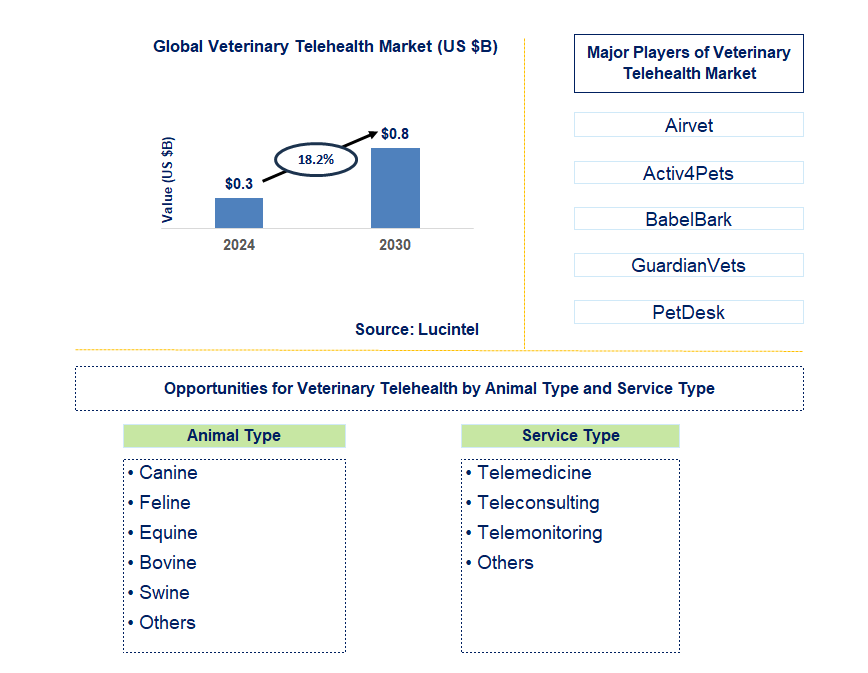
Key data points: The market size in 2030 = $0.8 billion, growth forecast = 18.2% annually for the next 6 years. Scroll below to get more insights. This market report covers trends, opportunities, and forecasts in the global veterinary telehealth market to 2030 by animal type (canine, feline, equine, bovine, swine, and others), service type (telemedicine, teleconsulting, telemonitoring, and others), and region (North America, Europe, Asia Pacific, and the Rest of the World)
We'll send your sample report shortly.
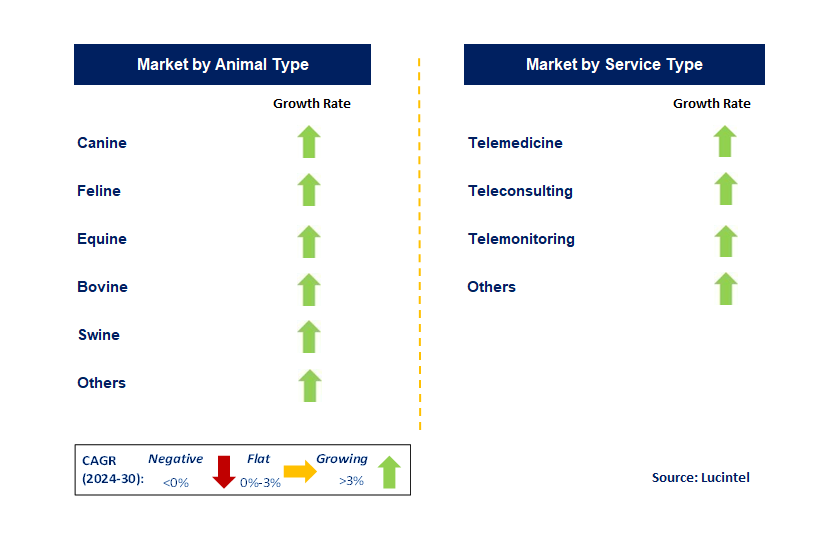
• Lucintel forecasts that, within the animal type category, feline is expected to witness the highest growth over the forecast period.
• Within the service type category, teleconsulting will remain the largest segment over the forecast period.
• In terms of regions, North America will remain the largest region over the forecast period due to the substantial investment in animal health care and presence of major players in the region. Gain valuable insight for your business decisions with our comprehensive 150+ page report. Veterinary telehealth, a rapidly evolving field, leverages digital technologies to enhance animal care through remote consultations and diagnostics. In recent years, significant advancements have been observed across various global markets, reflecting broader trends toward digital health solutions. These developments are driven by growing consumer demand for convenient and accessible veterinary services, technological innovations, and regulatory adjustments. As the market matures, it is witnessing substantial changes in the U.S., China, Germany, India, and Japan, each adapting to local needs and leveraging unique opportunities within their respective healthcare ecosystems.
• United States: The U.S. veterinary telehealth market has seen accelerated growth due to increased adoption of digital platforms and telemedicine regulations. Major advancements include the integration of AI for diagnostic support and the expansion of telehealth services by major veterinary chains. Additionally, the American Veterinary Medical Association (AVMA) has endorsed telehealth guidelines, which have facilitated greater acceptance and usage. Veterinary practices are increasingly offering virtual consultations for routine check-ups and follow-ups, reflecting a broader shift toward convenience and accessibility.
• China: In China, the veterinary telehealth market is rapidly expanding, driven by advancements in mobile technology and increasing pet ownership. Companies like WeChat and Alibaba have integrated veterinary services into their platforms, allowing pet owners to access consultations and health monitoring through their smartphones. The government’s support for digital health initiatives has also played a crucial role, with new regulations aimed at improving telehealth standards and expanding coverage for veterinary services.
• Germany: Germany has seen a steady rise in veterinary telehealth adoption, with a focus on enhancing rural access to veterinary care. Key developments include the establishment of telehealth networks connecting veterinarians with pet owners across remote areas. German regulations have been supportive of telehealth, providing a clear framework for its practice. The integration of telehealth services into existing veterinary practices has been well-received, helping to bridge gaps in veterinary care accessibility.
• India: In India, the veterinary telehealth market is emerging rapidly due to increasing smartphone penetration and a growing pet population. Innovations such as mobile veterinary apps and teleconsultation services have gained popularity, especially in urban areas. Startups and tech companies are leading the charge, offering services ranging from virtual vet consultations to health monitoring. However, challenges like internet connectivity and regulatory hurdles remain, impacting the market's overall growth.
• Japan: The Japanese veterinary telehealth market is characterized by its early adoption of technology and a strong emphasis on advanced diagnostic tools. Recent developments include the use of telemedicine for managing chronic conditions and remote monitoring of pets. Japanese veterinary practices are leveraging telehealth to provide follow-up care and consultations, integrating it into traditional practice models. Regulatory support and consumer interest in convenience and quality care are key drivers of this market's growth. Gain valuable insights for your business decisions with our 150+ page report.
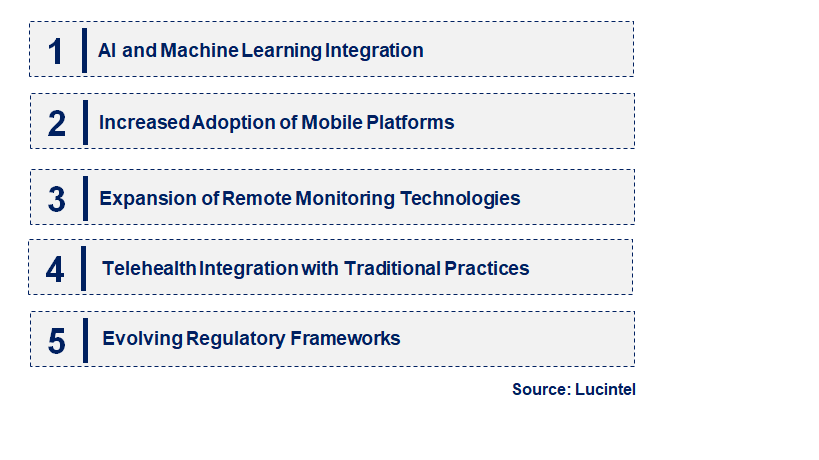
• AI and machine learning integration: AI and machine learning are becoming integral to veterinary telehealth, enhancing diagnostic accuracy and treatment recommendations. These technologies analyze large datasets to identify patterns and predict health issues, offering veterinarians advanced tools for decision-making. AI-powered diagnostic support systems can provide real-time analysis of symptoms and imaging, leading to more precise and timely interventions. This trend is improving the overall efficiency and effectiveness of remote veterinary care, helping veterinarians deliver high-quality service.
• Increased adoption of mobile platforms: Mobile platforms are increasingly being used for veterinary telehealth, making services more accessible to pet owners. Apps and mobile-friendly websites enable easy scheduling of virtual consultations, access to health records, and remote monitoring of pets. The convenience of mobile platforms aligns with the growing consumer preference for on-the-go solutions and has expanded the reach of veterinary telehealth services, particularly in urban areas with high smartphone usage.
• Expansion of remote monitoring technologies: Remote monitoring technologies, such as wearable devices and smart collars, are becoming more prevalent in veterinary telehealth. These devices provide continuous health data, allowing veterinarians to monitor chronic conditions and adjust treatments remotely. The real-time data collected from these technologies can lead to better management of health conditions and proactive care, improving outcomes for pets and enhancing the value of telehealth services.
• Telehealth integration with traditional practices: There is a growing trend toward integrating telehealth with traditional veterinary practices. This hybrid model allows for a combination of in-person and virtual consultations, providing a more flexible and comprehensive approach to pet care. Integration helps practices extend their reach, improve efficiency, and offer a broader range of services, including follow-ups and routine check-ups, while still maintaining the benefits of face-to-face interactions.
• Evolving regulatory frameworks: Regulatory frameworks for veterinary telehealth are evolving to keep pace with technological advancements and changing practices. New guidelines and policies are being developed to address issues such as licensing, data security, and standardization of care. These regulations aim to ensure the quality and safety of telehealth services while providing clear legal and operational guidelines for veterinary practices. The evolution of these frameworks is crucial for the sustained growth and legitimacy of the veterinary telehealth market. These emerging trends are reshaping the veterinary telehealth market by enhancing diagnostic capabilities, expanding access, and integrating new technologies into traditional practices. AI and mobile platforms are improving service delivery and accessibility, while remote monitoring technologies and regulatory changes are refining care standards. As these trends continue to evolve, they will drive innovation and growth in the veterinary telehealth sector, making veterinary care more efficient, accessible, and effective for pet owners worldwide.
• Expansion of telehealth services: Telehealth services have expanded significantly, with many veterinary practices incorporating virtual consultations into their offerings. This development allows for more accessible care, particularly for routine check-ups and follow-up appointments. The increase in service options reflects a growing acceptance of telehealth among both veterinarians and pet owners, driven by the need for convenience and the efficiency of remote care.
• Development of advanced diagnostic tools: The introduction of advanced diagnostic tools, such as AI-driven imaging and remote diagnostic devices, has enhanced the capabilities of veterinary telehealth. These tools enable more accurate and timely diagnoses, even during virtual consultations. The integration of sophisticated diagnostic technologies is improving the quality of remote care and expanding the scope of conditions that can be effectively managed through telehealth.
• Integration with wearable technology: Wearable technology for pets, such as smart collars and health monitors, is increasingly being integrated into veterinary telehealth services. These devices provide continuous health data that can be accessed remotely by veterinarians, allowing for proactive management of chronic conditions and real-time monitoring. The integration of wearables enhances the value of telehealth by providing comprehensive data that supports better decision-making and care.
• Regulatory advancements: Recent regulatory advancements have clarified the legal framework for veterinary telehealth, addressing issues such as licensing, data privacy, and standardization. New guidelines and policies are being implemented to ensure the quality and safety of telehealth services. These regulatory changes are essential for establishing trust in telehealth and facilitating its broader adoption across the veterinary sector.
• Consumer demand for convenience: There has been a marked increase in consumer demand for convenient veterinary care options. Pet owners are seeking flexible solutions that fit their busy lifestyles, leading to greater adoption of telehealth services. The demand for convenience is driving the expansion of virtual consultations, mobile platforms, and remote monitoring solutions, reflecting a shift in consumer expectations toward more accessible and user-friendly veterinary care. These recent developments are significantly impacting the veterinary telehealth market by enhancing service delivery, expanding capabilities, and improving accessibility. The expansion of services, advancements in diagnostic tools, and integration of wearable technology are improving the quality and reach of telehealth care. Regulatory advancements and rising consumer demand for convenience are further driving growth and adoption. Collectively, these developments are shaping a more dynamic and responsive veterinary telehealth landscape, positioning it as a key component of modern veterinary care.
• Remote Consultation Services: Remote consultation services are a major growth opportunity in veterinary telehealth. By enabling virtual consultations, practices can extend their reach beyond geographic limitations, providing care to pet owners who may otherwise lack access. This application helps manage routine check-ups, follow-ups, and minor health concerns efficiently. The convenience and accessibility of remote consultations are appealing to pet owners, increasing adoption rates and broadening the market for veterinary telehealth services.
• Remote Monitoring and Wearable Technology: The integration of remote monitoring and wearable technology offers significant growth potential. Wearable devices, such as smart collars and health monitors, provide real-time data on pets' health, enabling veterinarians to track chronic conditions and adjust treatments remotely. This technology enhances proactive care and early intervention, improving health outcomes and offering a valuable service to pet owners. The data collected also supports more informed decision-making and personalized treatment plans.
• AI-Powered Diagnostic Tools: AI-powered diagnostic tools represent a transformative growth opportunity. These tools utilize machine learning algorithms to analyze symptoms and diagnostic data, aiding veterinarians in making accurate and timely diagnoses. AI can enhance decision-making by identifying patterns and predicting potential health issues. The incorporation of AI into telehealth platforms can improve diagnostic accuracy, streamline workflows, and enhance the overall quality of remote veterinary care.
• Mobile Health Applications: Mobile health applications tailored for veterinary care present a significant growth opportunity. These apps allow pet owners to schedule appointments, access health records, and receive health alerts directly from their smartphones. Mobile platforms increase convenience for users and facilitate seamless communication between pet owners and veterinarians. The proliferation of smartphone use enhances the market potential for these applications, making them a key area for development and investment.
• Integrated Telehealth Platforms: Developing integrated telehealth platforms that combine various services—such as consultation, diagnostics, and monitoring—into a single system offers substantial growth potential. These platforms can streamline veterinary practice operations and improve the efficiency of care delivery. By offering a comprehensive suite of services, integrated platforms can attract more users, enhance client satisfaction, and create new revenue streams for veterinary practices. This holistic approach aligns with the trend toward more connected and efficient healthcare solutions. The growth opportunities in veterinary telehealth, including remote consultations, wearable technology, AI diagnostics, mobile applications, and integrated platforms, are reshaping the market by enhancing service delivery, accessibility, and operational efficiency. These applications offer significant potential for expanding market reach and improving care quality, driving overall growth in the sector. By strategically investing in these areas, stakeholders can leverage emerging trends to meet increasing consumer demands and advance veterinary telehealth.
• Technological Advancements: Technological advancements, including AI, machine learning, and improved digital infrastructure, are significant drivers of growth in veterinary telehealth. Innovations in diagnostic tools and remote monitoring technology enhance the quality and efficiency of remote care. The development of user-friendly mobile apps and integrated platforms further supports market expansion by making telehealth services more accessible and effective. These advancements improve service delivery and attract more users, contributing to the overall growth of the sector.
• Increasing Pet Ownership: The rising trend in pet ownership is driving demand for veterinary telehealth services. As more people adopt pets, there is a greater need for accessible and convenient veterinary care solutions. Pet owners are increasingly seeking telehealth options for routine care, follow-ups, and minor health concerns. This growing demand for pet care services creates a robust market opportunity for veterinary telehealth, encouraging practices to adopt and expand their digital offerings.
• Consumer Demand for Convenience: Consumer demand for convenience and accessibility is a key driver of veterinary telehealth. Pet owners are looking for flexible care options that fit their busy lifestyles, making virtual consultations and remote monitoring increasingly appealing. The convenience of telehealth services—such as scheduling appointments online and accessing health records via mobile apps—aligns with modern consumer preferences, driving adoption and growth in the market.
• Enhanced Data Analytics: The use of enhanced data analytics in veterinary telehealth is driving market growth by improving decision-making and care quality. Data analytics tools help veterinarians interpret health data, identify trends, and make informed treatment decisions. This capability supports more personalized and effective care, leading to better outcomes for pets and increased satisfaction among pet owners. The integration of data analytics into telehealth platforms is a crucial factor in the market's expansion.
• Supportive Regulatory Environment: A supportive regulatory environment is facilitating the growth of veterinary telehealth. Recent changes in regulations have clarified legal frameworks for telehealth practices, addressing issues such as licensing and data security. These regulatory advancements help ensure the quality and safety of telehealth services, making it easier for veterinary practices to adopt and implement telehealth solutions. A favorable regulatory landscape encourages investment and innovation in the sector. Challenges in the veterinary telehealth market include:
• Regulatory Hurdles: Regulatory hurdles pose significant challenges to the growth of veterinary telehealth. Variations in state and national regulations regarding telehealth practices, licensing requirements, and data privacy can create barriers for implementation and expansion. Navigating these complex regulatory environments requires careful compliance and can slow down the adoption of telehealth services. Standardizing regulations and addressing these challenges are essential for market growth and sustainability.
• Technological Limitations: Technological limitations, such as inadequate internet infrastructure and compatibility issues between different platforms, can hinder the effectiveness of veterinary telehealth services. In regions with poor connectivity, remote consultations and data transfers may be unreliable, impacting the quality of care. Addressing these technological challenges requires investment in infrastructure and ongoing development of compatible systems to ensure seamless and effective telehealth delivery.
• Economic Constraints: Economic constraints, including the cost of implementing and maintaining telehealth technologies, can be a barrier for veterinary practices, particularly smaller or rural ones. The initial investment in technology and ongoing operational costs may be prohibitive for some practices, limiting their ability to adopt telehealth services. Economic considerations must be addressed through cost-effective solutions and financial support to encourage broader adoption and market growth. The drivers of technological advancements, increasing pet ownership, consumer demand for convenience, enhanced data analytics, and a supportive regulatory environment are propelling the veterinary telehealth market forward. These factors contribute to market growth by improving service delivery, expanding accessibility, and fostering innovation. Conversely, challenges such as regulatory hurdles, technological limitations, and economic constraints pose obstacles that need to be addressed for sustained market expansion. Balancing these drivers and challenges is crucial for the continued evolution and success of the veterinary telehealth sector.
• Airvet
• Activ4Pets
• BabelBark
• GuardianVets
• PetDesk
• Petzam
• TeleTails
• TeleVet
• Vetster
• VitusVet
• Canine
• Feline
• Equine
• Bovine
• Swine
• Others
• Telemedicine
• Teleconsulting
• Telemonitoring
• Others
• North America
• Europe
• Asia Pacific
• The Rest of the World
• United States: The U.S. veterinary telehealth market has seen accelerated growth due to increased adoption of digital platforms and telemedicine regulations. Major advancements include the integration of AI for diagnostic support and the expansion of telehealth services by major veterinary chains. Additionally, the American Veterinary Medical Association (AVMA) has endorsed telehealth guidelines, which have facilitated greater acceptance and usage. Veterinary practices are increasingly offering virtual consultations for routine check-ups and follow-ups, reflecting a broader shift toward convenience and accessibility.
• China: In China, the veterinary telehealth market is rapidly expanding, driven by advancements in mobile technology and increasing pet ownership. Companies like WeChat and Alibaba have integrated veterinary services into their platforms, allowing pet owners to access consultations and health monitoring through their smartphones. The government’s support for digital health initiatives has also played a crucial role, with new regulations aimed at improving telehealth standards and expanding coverage for veterinary services.
• Germany: Germany has seen a steady rise in veterinary telehealth adoption, with a focus on enhancing rural access to veterinary care. Key developments include the establishment of telehealth networks connecting veterinarians with pet owners across remote areas. German regulations have been supportive of telehealth, providing a clear framework for its practice. The integration of telehealth services into existing veterinary practices has been well-received, helping to bridge gaps in veterinary care accessibility.
• India: In India, the veterinary telehealth market is emerging rapidly due to increasing smartphone penetration and a growing pet population. Innovations such as mobile veterinary apps and teleconsultation services have gained popularity, especially in urban areas. Startups and tech companies are leading the charge, offering services ranging from virtual vet consultations to health monitoring. However, challenges like internet connectivity and regulatory hurdles remain, impacting the market's overall growth.
• Japan: The Japanese veterinary telehealth market is characterized by its early adoption of technology and a strong emphasis on advanced diagnostic tools. Recent developments include the use of telemedicine for managing chronic conditions and remote monitoring of pets. Japanese veterinary practices are leveraging telehealth to provide follow-up care and consultations, integrating it into traditional practice models. Regulatory support and consumer interest in convenience and quality care are key drivers of this market's growth.


• Airvet
• Activ4Pets
• BabelBark
• GuardianVets
• PetDesk
• Petzam
• TeleTails
• TeleVet
• Vetster
• VitusVet Q6. Which veterinary telehealth market segment will be the largest in future? Answer: Lucintel forecasts that feline is expected to witness the highest growth over the forecast period. Q7. In veterinary telehealth market, which region is expected to be the largest in next 5 years? Answer: North America will remain the largest region over the forecast period due to the substantial investment in animal health care and presence of major players in the region. Q.8 Do we receive customization in this report? Answer: Yes, Lucintel provides 10% customization without any additional cost.


Choose a license that fits your team. Instant PDF delivery.
Prices exclude taxes. Instant delivery. Custom licensing available on request.
Market Report · June 29, 2026
Market Report · May 18, 2026
Trusted partner for strategic intelligence and business growth


Receive a complimentary market analysis tailored to your industry. Our analysts will identify key growth opportunities and competitive dynamics specific to your business.

Market size, growth rate, and key trend analysis for your specific sector.

Top competitor positioning and market share analysis.

Strategic recommendations backed by data-driven insights.
Get curated market intelligence and competitive moves straight to your inbox.
By subscribing, you agree to receive our monthly insights. Unsubscribe anytime.
Receive a complimentary market analysis tailored to your industry. Our analysts will identify key growth opportunities and competitive dynamics specific to your business.
Market size, growth rate, and key trend analysis for your specific sector.
Top competitor positioning and market share analysis.
Strategic recommendations backed by data-driven insights.
Get curated market intelligence, emerging trends, and competitive moves straight to your inbox each month.
By subscribing, you agree to receive our monthly insights. Unsubscribe anytime.
We'll send your sample report shortly.