
Market Report · July 31, 2026

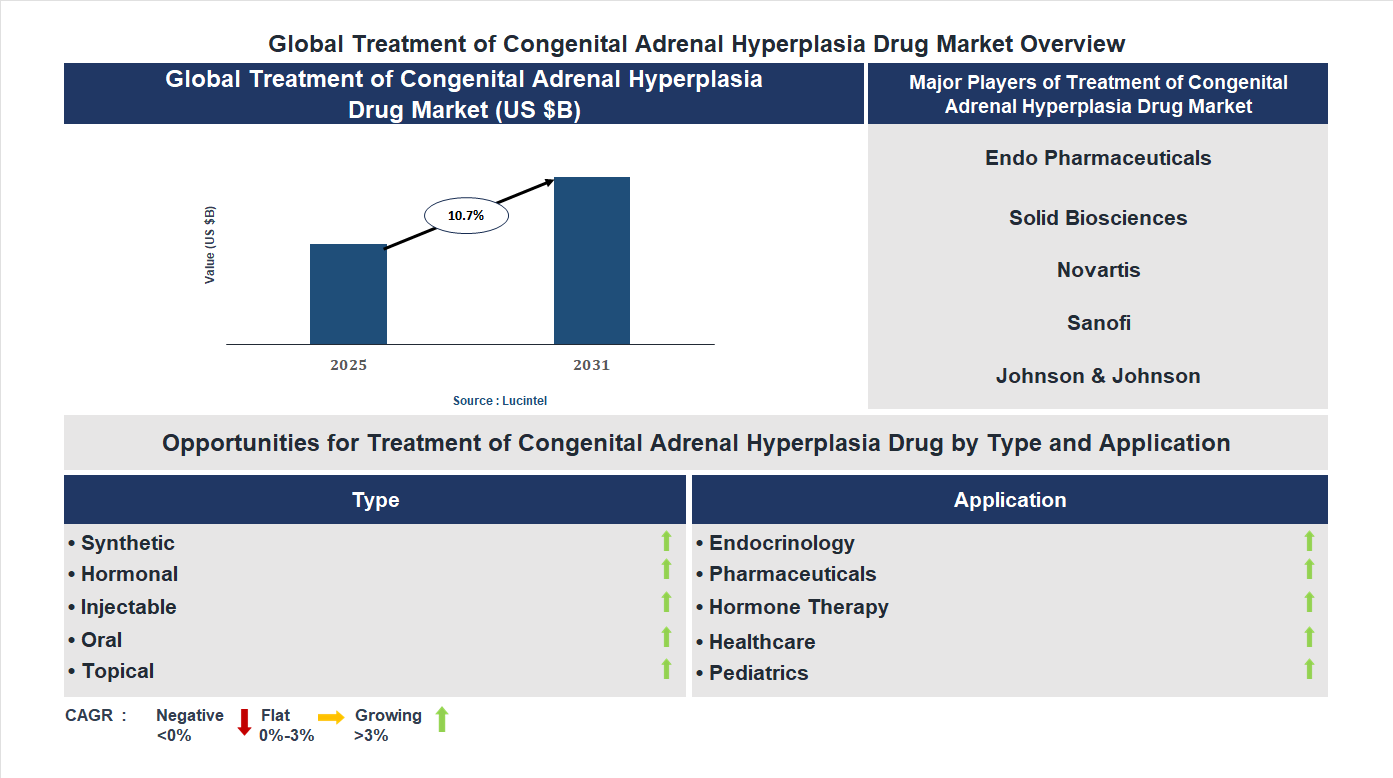
Key data points: The growth forecast = 10.7% annually for the next 6 years. Scroll below to get more insights. This market report covers trends, opportunities and forecasts in treatment of congenital adrenal hyperplasia drug market to 2031 by type (synthetic, hormonal, injectable, oral, and topical), application (endocrinology, pharmaceuticals, hormone therapy, healthcare, and pediatrics), and region (North America, Europe, Asia Pacific, and the Rest of the World)
We'll send your sample report shortly.
• Lucintel forecasts that, within the type category, oral is expected to witness the highest growth over the forecast period.
• Within the application category, pediatrics is expected to witness the highest growth.
• In terms of region, APAC is expected to witness the highest growth over the forecast period. Gain valuable insights for your business decisions with our comprehensive 150+ page report. Sample figures with some insights are shown below.
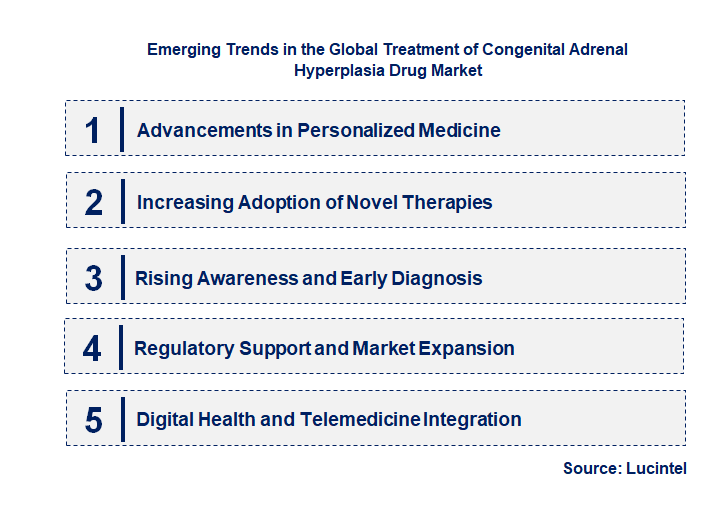
• Advancements in Personalized Medicine: The market is witnessing a shift towards personalized treatment approaches for CAH, driven by genetic research and biomarker identification. Tailoring therapies to individual genetic profiles enhances efficacy and reduces side effects, leading to better patient outcomes. This trend encourages the development of targeted drugs and diagnostic tools, fostering innovation and increasing market competitiveness. Personalized medicine also facilitates early diagnosis and intervention, which is critical for managing CAH effectively over a patient’s lifetime.
• Increasing Adoption of Novel Therapies: There is a growing focus on developing and adopting novel therapeutic options, including gene therapy and advanced hormone replacement treatments. These innovative therapies aim to address the root causes of CAH more effectively than traditional treatments. The introduction of such therapies is expected to improve long-term management, reduce treatment burden, and enhance quality of life for patients. As research progresses, regulatory approvals and clinical trials are accelerating, further propelling market growth and diversification.
• Rising Awareness and Early Diagnosis: Enhanced awareness campaigns and improved screening programs are leading to earlier detection of CAH. Early diagnosis allows for timely intervention, preventing severe complications and improving prognosis. This trend is supported by advancements in neonatal screening technologies and increased healthcare provider education. As awareness spreads globally, especially in developing regions, the market is expanding, with more patients gaining access to effective treatments and management strategies.
• Regulatory Support and Market Expansion: Governments and regulatory bodies are increasingly supporting the development and approval of CAH treatments through streamlined processes and incentives. This support encourages pharmaceutical companies to invest in research and development, leading to a broader pipeline of approved drugs. Additionally, expanding healthcare infrastructure and insurance coverage in emerging markets are facilitating market penetration and access. These regulatory and policy developments are vital for fostering innovation and ensuring that effective treatments reach a wider patient population.
• Digital Health and Telemedicine Integration: The integration of digital health tools and telemedicine is transforming CAH management by enabling remote monitoring, virtual consultations, and personalized treatment adjustments. These technologies improve patient engagement, adherence, and real-time data collection, which are essential for chronic disease management. The COVID-19 pandemic accelerated adoption, and ongoing innovations continue to enhance care delivery. Digital health solutions also facilitate data sharing and research, driving further advancements in treatment options and market insights. In summary, these emerging trends are collectively reshaping the Treatment of Congenital Adrenal Hyperplasia drug market by fostering innovation, expanding access, and improving patient outcomes. The focus on personalized medicine, novel therapies, early diagnosis, supportive regulations, and digital integration is creating a dynamic environment that promises sustained growth and improved quality of care for individuals with CAH.
• Growing Prevalence and Diagnostic Advances: The increasing incidence of CAH and improved diagnostic methods are expanding the patient base, driving demand for effective treatments. Early diagnosis enables timely intervention, reducing complications and improving quality of life. Enhanced screening programs and genetic testing are facilitating early detection, which in turn boosts market growth. This trend encourages pharmaceutical companies to invest in developing targeted therapies, ultimately expanding treatment options and market size.
• Innovation in Drug Formulations and Delivery: Advances in drug delivery systems, such as sustained-release formulations and injectable options, are improving patient compliance and treatment outcomes. Novel formulations reduce dosing frequency and side effects, making therapies more convenient. These innovations are also enabling personalized treatment plans tailored to individual patient needs. As a result, pharmaceutical companies are focusing on developing innovative drugs, which enhances market competitiveness and broadens the treatment landscape for CAH.
• Rising Adoption of Personalized Medicine: The shift towards personalized medicine is enabling more precise and effective CAH treatments based on genetic profiles. This approach minimizes adverse effects and maximizes therapeutic benefits. Advances in genomics and biomarker identification are facilitating targeted therapies, attracting investments from biotech firms. Personalized treatment strategies are expected to improve patient outcomes significantly, thereby expanding the market and encouraging the development of specialized drugs.
• Strategic Collaborations and Regulatory Approvals: Partnerships between pharmaceutical companies, research institutions, and healthcare providers are accelerating drug development and commercialization. Regulatory agencies are streamlining approval processes for innovative therapies, reducing time-to-market. These collaborations foster knowledge sharing and resource pooling, leading to more effective and safer drugs. The supportive regulatory environment and strategic alliances are crucial for market growth, enabling faster access to new treatments for patients.
• Increasing Focus on Rare Disease Therapies: The market is witnessing a surge in research and development targeting rare diseases like CAH. Governments and organizations are providing incentives for orphan drug development, encouraging innovation. This focus is leading to the approval of specialized therapies that address unmet medical needs. The growing pipeline of rare disease drugs is expanding treatment options, attracting investments, and fostering a competitive market landscape, ultimately benefiting patients with limited treatment choices. These recent developments are significantly impacting the CAH drug market by expanding treatment options, improving patient outcomes, and fostering innovation. Increased prevalence, technological advancements, personalized medicine, strategic collaborations, and focus on rare diseases are collectively driving market growth. These trends are not only enhancing the availability and efficacy of therapies but also attracting investments and streamlining regulatory pathways. Overall, these developments are poised to transform the CAH treatment landscape, offering hope for better management and improved quality of life for patients.
• Expansion of Targeted Therapies for CAH: The development of novel, targeted medications aims to improve treatment efficacy and reduce side effects. Advances in molecular biology enable the creation of personalized therapies tailored to specific genetic mutations associated with CAH. This approach enhances patient outcomes and offers a competitive edge for pharmaceutical companies. Growing research investments and clinical trials are accelerating the availability of these innovative treatments, opening new revenue streams and expanding the therapeutic landscape.
• Increasing Adoption of Diagnostic Technologies: Early and accurate diagnosis of CAH is crucial for effective management. The integration of advanced diagnostic tools such as genetic testing, newborn screening, and hormone assays is improving detection rates. These technologies facilitate timely intervention, reducing long-term complications. Market growth is driven by healthcare infrastructure improvements, increased awareness among clinicians, and government initiatives promoting newborn screening programs, creating opportunities for diagnostic device manufacturers and service providers.
• Rising Prevalence and Awareness of CAH: The global increase in CAH cases, coupled with heightened awareness campaigns, is expanding the patient base. A better understanding of the disease encourages early diagnosis and treatment adherence. This trend prompts pharmaceutical companies to invest in research and develop new therapies. Additionally, patient advocacy groups and educational initiatives are fostering a supportive environment, encouraging market expansion and the development of comprehensive care solutions.
• Strategic Collaborations and Partnerships: Collaborations between pharmaceutical companies, biotech firms, and research institutions are fostering innovation in CAH treatment. These partnerships facilitate resource sharing, accelerate drug development, and enable access to cutting-edge technologies. Licensing agreements and joint ventures are also expanding market reach and reducing R&D costs. Such strategic alliances are vital for overcoming scientific challenges and bringing new therapies to market more efficiently, ultimately benefiting patients and stakeholders.
• Regulatory Support and Market Incentives: Governments and regulatory agencies are providing incentives such as fast-track approvals, grants, and funding for rare disease research. These measures reduce time-to-market for new therapies and encourage investment in CAH treatment development. Clear regulatory pathways and supportive policies are attracting new entrants and fostering innovation. This environment enhances market competitiveness, accelerates the availability of advanced treatments, and addresses unmet medical needs more effectively. The overall landscape of the CAH treatment market is poised for substantial growth, driven by technological innovations, increased awareness, strategic collaborations, and supportive regulatory frameworks. These opportunities collectively enhance the development and accessibility of effective therapies, ultimately improving patient care and expanding market potential. Companies that capitalize on these trends will be well-positioned to lead in this evolving healthcare segment.
• Technological Advancements: The development of novel drug formulations and delivery systems enhances treatment efficacy and patient compliance. Innovations like sustained-release formulations and gene therapy are promising, leading to improved outcomes. These technological improvements reduce side effects and simplify administration, making treatments more accessible and appealing to patients. As research progresses, the pipeline of potential therapies expands, attracting investments and fostering market growth. The continuous evolution of pharmaceutical technologies ensures that the market remains dynamic and responsive to unmet medical needs.
• Increasing Prevalence and Diagnosis: Rising awareness and improved diagnostic techniques have led to higher detection rates of CAH worldwide. Early diagnosis enables timely intervention, which is critical for managing symptoms and preventing complications. As more cases are identified, the demand for effective treatments increases, fueling market expansion. Additionally, newborn screening programs in many countries have contributed to early detection, further boosting market growth. The growing patient pool underscores the need for specialized therapies, encouraging pharmaceutical companies to develop targeted drugs.
• Regulatory Approvals and Support: Favorable regulatory environments and expedited approval pathways facilitate quicker market entry for new drugs. Regulatory agencies are increasingly recognizing the importance of addressing rare diseases like CAH, providing incentives such as orphan drug status. These policies encourage innovation and investment in research and development. Moreover, government grants and funding initiatives support clinical trials and drug development efforts. Streamlined approval processes reduce time-to-market, enabling companies to capitalize on unmet medical needs and expand their product portfolios.
• Strategic Collaborations and Partnerships: Collaborations between pharmaceutical companies, biotech firms, and research institutions accelerate drug development and commercialization. Partnerships facilitate resource sharing, knowledge exchange, and risk mitigation. They also enable access to advanced technologies and expertise, enhancing the quality and efficacy of new treatments. Strategic alliances often lead to co-development and licensing agreements, expanding market reach. These collaborations are vital for overcoming scientific and regulatory challenges, ultimately driving innovation and growth within the CAH drug market.
• Growing Investment in R&D: Increased funding from private and public sectors fuels research into new therapies for CAH. Investment in R&D leads to the discovery of innovative drugs and personalized treatment options. It also supports clinical trials and regulatory submissions, shortening development timelines. The focus on rare diseases has garnered attention, resulting in more resources allocated to this niche market. As a result, the pipeline of potential treatments expands, offering hope for improved management of CAH and stimulating overall market growth. The challenges facing the treatment of congenital adrenal hyperplasia drug market include:
• High Drug Development Costs: Developing new therapies for CAH involves significant financial investment, including research, clinical trials, and regulatory compliance. These costs can be prohibitive, especially for smaller companies, limiting innovation. The lengthy development timelines and high failure rates further increase financial risks. Consequently, high costs may restrict the number of new entrants and delay the availability of advanced treatments, impacting market growth and patient access.
• Stringent Regulatory Hurdles: Navigating complex regulatory frameworks can delay drug approval processes. Regulatory agencies require extensive safety and efficacy data, which prolongs development timelines and increases costs. For rare diseases like CAH, limited patient populations complicate clinical trials, making it challenging to meet regulatory standards. These hurdles can discourage investment and slow the introduction of new therapies, hindering market expansion and access to innovative treatments.
• Limited Patient Population: CAH is a rare genetic disorder, resulting in a small patient base. This limits the market size and reduces incentives for pharmaceutical companies to invest heavily in research and development. The limited patient population also complicates clinical trial recruitment, affecting the robustness of data and regulatory approval prospects. Consequently, the market faces challenges in achieving economies of scale, which can impact pricing, accessibility, and overall growth potential. In summary, the Treatment of Congenital Adrenal Hyperplasia Drug Market is driven by technological innovations, increasing diagnosis rates, supportive regulatory policies, strategic collaborations, and rising R&D investments. However, high development costs, regulatory complexities, and a limited patient base pose significant challenges. These factors collectively influence the pace of market growth, innovation, and accessibility. Addressing these challenges through strategic initiatives and policy support will be crucial for sustainable growth and improved patient outcomes in this niche but vital market.
• Endo Pharmaceuticals
• Solid Biosciences
• Novartis
• Sanofi
• Johnson & Johnson
• Synthetic
• Hormonal
• Injectable
• Oral
• Topical
• Endocrinology
• Pharmaceuticals
• Hormone Therapy
• Healthcare
• Pediatrics
• North America
• Europe
• Asia Pacific
• The Rest of the World
• United States: The US market has seen significant progress with the approval of new glucocorticoid formulations aimed at reducing side effects and improving compliance. Biotech companies are investing in gene therapy research, promising potential cures. Increased awareness and screening programs have led to earlier diagnosis and treatment initiation, enhancing patients' quality of life. Regulatory agencies like the FDA are streamlining approval processes for innovative therapies, fostering rapid market entry.
• China: China is rapidly expanding its pharmaceutical research capabilities, with several local firms developing novel CAH treatments. Government initiatives support biotech innovation, leading to increased clinical trials. The country is also focusing on affordable medication options to improve access in rural areas. Recent approvals of generic and biosimilar drugs have made treatment more accessible, while collaborations with international firms accelerate technology transfer and knowledge sharing.
• Germany: Germany remains a leader in European CAH treatment research, with a focus on personalized medicine approaches. Advanced diagnostic tools and hormone replacement therapies are being refined for better efficacy. The country hosts numerous clinical trials exploring new drug combinations and delivery methods. Strong regulatory frameworks ensure safety and efficacy, while healthcare providers emphasize multidisciplinary management of CAH patients.
• India: India is witnessing a surge in generic drug manufacturing, making CAH treatments more affordable. Local research institutions are exploring indigenous formulations and alternative therapies. The government’s focus on healthcare infrastructure development enhances diagnosis and treatment access. Several startups are innovating in drug delivery systems, aiming to improve adherence and reduce side effects, thus expanding the treatment landscape.
• Japan: Japan emphasizes precision medicine and advanced diagnostics in CAH treatment. The country is investing in research on hormone regulation and gene editing technologies. Regulatory agencies facilitate the approval of novel therapies, including biologics. Japan’s aging population and increasing awareness have driven demand for improved management options, fostering collaborations between academia and industry to develop innovative solutions.


• Endo Pharmaceuticals
• Solid Biosciences
• Novartis
• Sanofi
• Johnson & Johnson Q5. Which treatment of congenital adrenal hyperplasia drug market segment will be the largest in future? Answer: Lucintel forecasts that, within the type category, oral is expected to witness the highest growth over the forecast period. Q6. In treatment of congenital adrenal hyperplasia drug market, which region is expected to be the largest in next 5 years? Answer: In terms of region, APAC is expected to witness the highest growth over the forecast period. Q7. Do we receive customization in this report? Answer: Yes, Lucintel provides 10% customization without any additional cost.


Choose a license that fits your team. Instant PDF delivery.
Prices exclude taxes. Instant delivery. Custom licensing available on request.
Market Report · July 31, 2026
Market Report · July 31, 2026
Market Report · July 31, 2026
Trusted partner for strategic intelligence and business growth


Receive a complimentary market analysis tailored to your industry. Our analysts will identify key growth opportunities and competitive dynamics specific to your business.

Market size, growth rate, and key trend analysis for your specific sector.

Top competitor positioning and market share analysis.

Strategic recommendations backed by data-driven insights.
Get curated market intelligence and competitive moves straight to your inbox.
By subscribing, you agree to receive our monthly insights. Unsubscribe anytime.
Receive a complimentary market analysis tailored to your industry. Our analysts will identify key growth opportunities and competitive dynamics specific to your business.
Market size, growth rate, and key trend analysis for your specific sector.
Top competitor positioning and market share analysis.
Strategic recommendations backed by data-driven insights.
Get curated market intelligence, emerging trends, and competitive moves straight to your inbox each month.
By subscribing, you agree to receive our monthly insights. Unsubscribe anytime.
We'll send your sample report shortly.