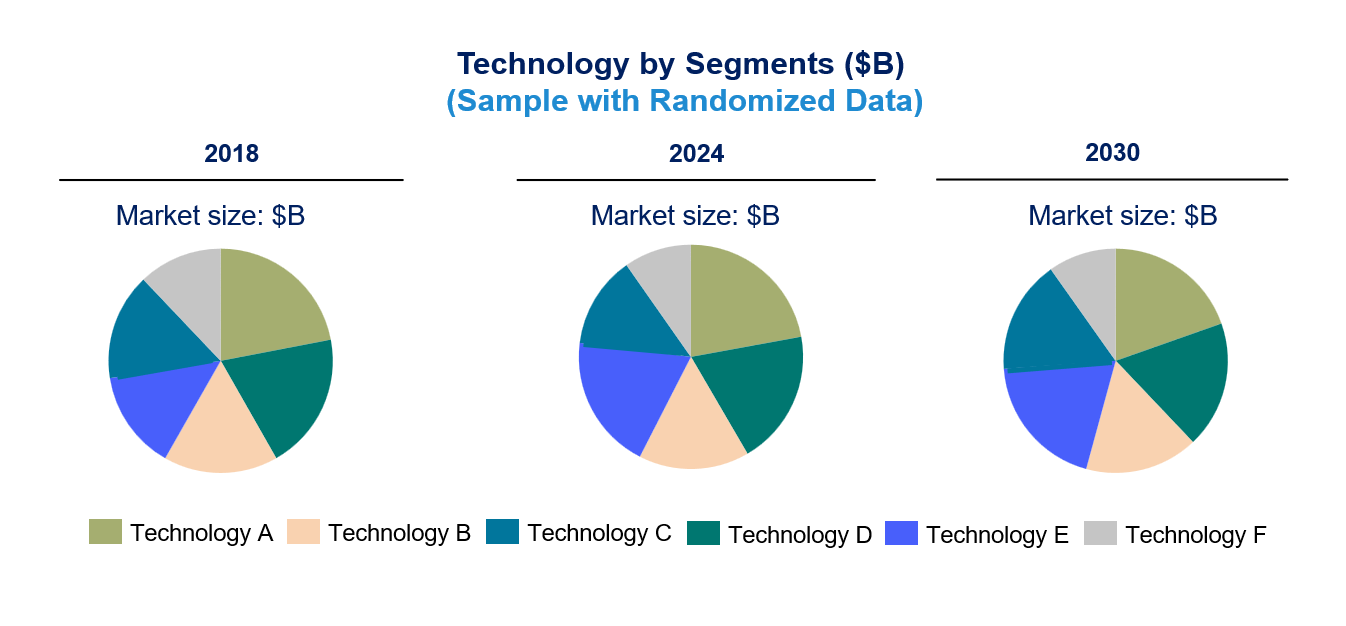
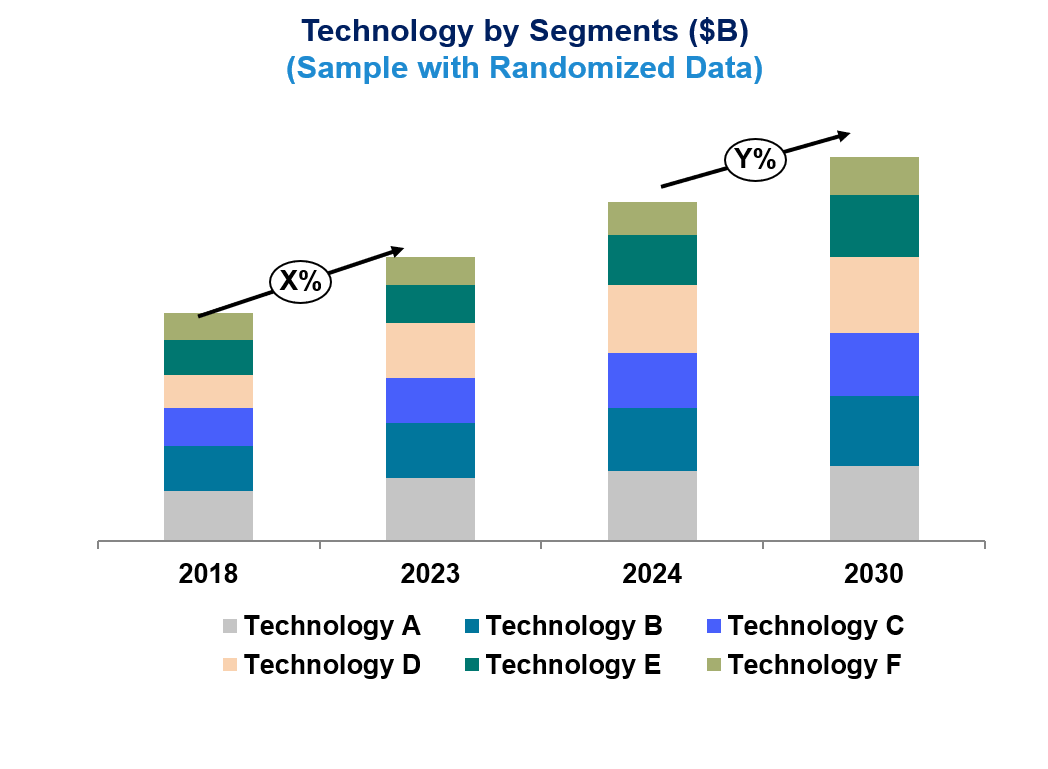
The technologies in the global brine concentration technology market have undergone significant changes in recent years, with a notable shift from mechanical vapor compression (MVC) technology to high efficiency reverse osmosis (HERO) systems. While MVC systems have traditionally been favored for their energy efficiency in brine concentration processes, the emergence of HERO technology has introduced a more sustainable and cost-effective alternative. HERO systems utilize advanced membrane technology to achieve high brine concentration levels with reduced energy consumption, making them increasingly attractive for various industrial applications. Additionally, closed circuit desalination (CCD) and vertical tube falling film (VTFF) technologies have seen enhancements in terms of efficiency and scalability, allowing for greater flexibility in brine concentration operations. These advancements reflect the industry's continuous efforts to improve sustainability, minimize environmental impact, and optimize resource utilization in brine concentration processes.


Emerging Technology in the Brine Concentration Technology Market
Emerging technology trends, which have a direct impact on the dynamics of the global brine concentration technology market, include new and emerging technology currently adopted by industry players. These encompass advancements such as the integration of artificial intelligence (AI) and machine learning algorithms for real-time process optimization and predictive maintenance, the development of innovative hybrid desalination systems combining multiple technologies for higher efficiency and reliability, the adoption of advanced materials for enhanced membrane performance and durability, and the implementation of Internet of Things (IoT) sensors and automation solutions for remote monitoring and control of brine concentration processes. These trends signify a shift towards smart, interconnected, and sustainable solutions aimed at addressing the growing demand for fresh water and addressing environmental challenges in brine concentration operations worldwide.
Brine Concentration Technology Market by Technology
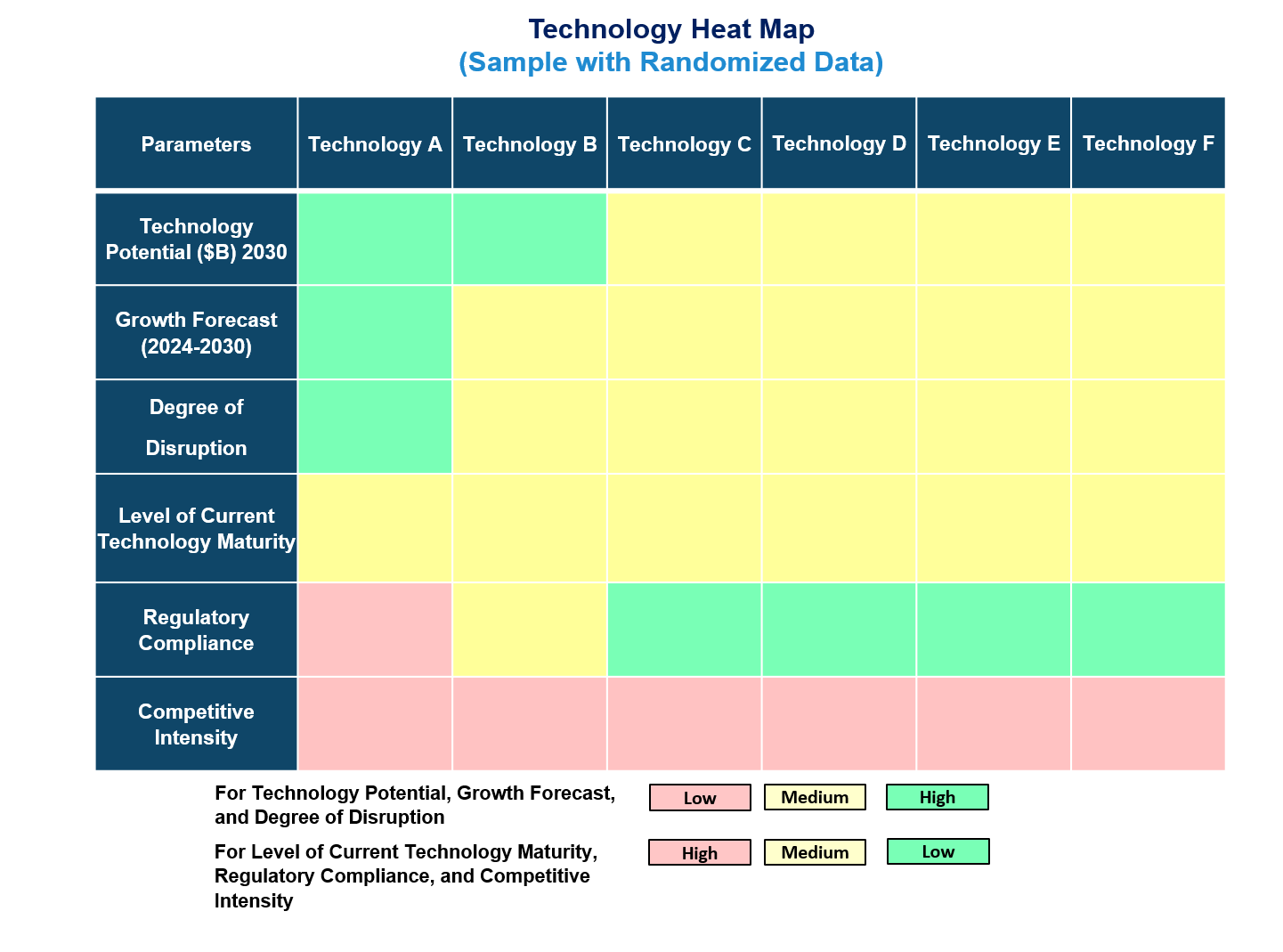
This report analyzes technology maturity, degree of disruption, competitive intensity, market potential, and other parameters of various technologies in the Brine Concentration Technology Market technology market. The study includes trends and forecast for the technology trends in the Brine Concentration Technology Market by application, technology, and region as follows:
Technology Readiness by Technology Type
Competitive Intensity and Regulatory Compliance
Disruption Potential by Technology Type
Brine Concentration Technology Market Trend and Forecast by Technology [Shipment Analysis by Value from 2018 to 2030]:
• High Efficiency Reverse Osmosis (HERO)
• Closed Circuit Desalination (CCD)
• Vertical Tube Falling Film (VTFF)
• Mechanical Vapor Compression (MVC)
• Others
Brine Concentration Technology Market Trend and Forecast by Application [Value from 2018 to 2030]:
• Coal-to-Chemicals
• Food & Beverages
• Minerals & Mining
• Oil and Gases
• Pulp and Paper
• Steel & Textiles
• Power
• Others
Brine Concentration Technology Market by Region [Shipment Analysis by Value from 2018 to 2030]:
• North America
• Europe
• Asia Pacific
• The Rest of the World
Latest Developments and Innovations in the Brine Concentration Technologies
Companies / Ecosystems
Strategic Opportunities by Technology Type
List of Brine Concentration Technology Companies
Companies in the market compete on the basis of product quality offered. Major players in this market focus on expanding their manufacturing facilities, R&D investments, infrastructural development, and leverage integration opportunities across the value chain. With these strategies brine concentration technology companies cater increasing demand, ensure competitive effectiveness, develop innovative products & technologies, reduce production costs, and expand their customer base. Some of the brine concentration technology companies profiled in this report includes.
• Veolia Water Technologies
• Evoqua Water Technologies
• H2O Innovations
• Aquatech International LLC
• Koch Separation Solutions
• IDE Technologies

Brine Concentration Technology Market Insight
Lucintel forecasts that vertical tube falling film (VTFF) will remain the largest technology segment over the forecast period as it helps in achieving zero liquid discharge in industries while ensuring low power consumption.
Within this market, mineral & mining is expected to be the largest application segment due to increasing usage of brine concentration technology in extracting and processing variety of minerals and compounds.
APAC will remain the largest region during the forecast period due to increasing population and urbanization along with growing demand for freshwater in the region.
If you are looking to expand your business in this or adjacent markets, then contact us. We have done hundreds of strategic consulting projects in market entry, opportunity screening, due diligence, supply chain analysis, M & A, and more.
Features of the Global Brine Concentration Technology Market
Market Size Estimates: Brine concentration technology market size estimation in terms of ($B).
Trend and Forecast Analysis: Market trends (2018 to 2023) and forecast (2024 to 2030) by various segments and regions.
Segmentation Analysis: Technology trends in the global brine concentration technology market size by various segments, such as application and technology in terms of value and volume shipments.
Regional Analysis: Technology trends in the global brine concentration technology market breakdown by North America, Europe, Asia Pacific, and the Rest of the World.
Growth Opportunities: Analysis of growth opportunities in different application, technologies, and regions for technology trends in the global brine concentration technology market.
Strategic Analysis: This includes M&A, new product development, and competitive landscape for technology trends in the global brine concentration technology market.
Analysis of competitive intensity of the industry based on Porter’s Five Forces model.