
Market Report · July 16, 2026

Key data points: The growth forecast = 12.1% annually for the next 6 years. Scroll below to get more insights. This market report covers trends, opportunities and forecasts in tasimelteon market to 2031 by type (original drug and generic drug), distribution channel (hospital pharmacies, retail pharmacies, and online pharmacies), application (hospital, clinic, and others), end use (adult population, geriatric population, shift workers, and others), and region (North America, Europe, Asia Pacific, and the Rest of the World)
We'll send your sample report shortly.
• Lucintel forecasts that, within the type category, generic drug is expected to witness higher growth over the forecast period.
• Within the application category, hospital is expected to witness higher growth.
• In terms of region, APAC is expected to witness the highest growth over the forecast period. Gain valuable insights for your business decisions with our comprehensive 150+ page report. Sample figures with some insights are shown below.

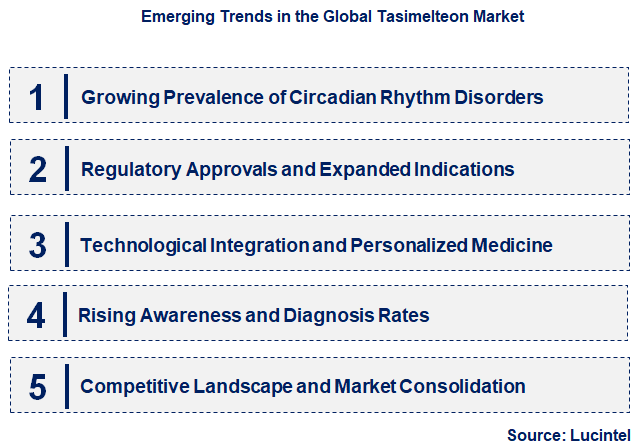
• Growing Prevalence of Circadian Rhythm Disorders: The increasing incidence of conditions like Non-24-Hour Sleep-Wake Disorder (Non-24) and other circadian rhythm disruptions is driving demand for Tasimelteon. Factors such as aging populations, shift work, and lifestyle changes contribute to this rise. This trend prompts pharmaceutical companies to invest in research and development to improve existing therapies and develop new formulations, ultimately expanding market size and accessibility for affected patients.
• Regulatory Approvals and Expanded Indications: Recent approvals by agencies like the FDA for Tasimelteon in treating Non-24 in blind individuals have boosted market confidence. Additionally, ongoing clinical trials exploring its efficacy for other sleep-related disorders are likely to lead to expanded indications. These regulatory milestones facilitate market entry, increase insurance coverage, and encourage investment, thereby broadening the therapeutic scope and increasing patient access to Tasimelteon.
• Technological Integration and Personalized Medicine: The integration of digital health tools, such as sleep tracking devices and mobile health apps, is transforming how treatment efficacy is monitored. Personalized dosing regimens based on genetic and lifestyle factors are emerging, enhancing treatment outcomes. This trend allows for more targeted therapies, reduces adverse effects, and improves patient adherence, positioning Tasimelteon as a tailored solution within the broader sleep disorder management landscape.
• Rising Awareness and Diagnosis Rates: Increased awareness campaigns and improved diagnostic techniques are leading to higher detection rates of circadian rhythm disorders. Early diagnosis enables timely intervention with therapies like Tasimelteon, improving patients quality of life. This trend also encourages healthcare providers to consider sleep disorders more seriously, fostering a proactive approach to treatment and expanding the market through higher prescription rates.
• Competitive Landscape and Market Consolidation: The market is witnessing increased competition from generic manufacturers and new entrants developing alternative therapies. Strategic collaborations, mergers, and acquisitions are common as companies aim to strengthen their portfolios. This consolidation enhances research capabilities, reduces costs, and accelerates innovation, ultimately benefiting patients through more diverse treatment options and potentially lower prices. In summary, these emerging trends are significantly reshaping the tasimelteon market by expanding its scope, improving treatment personalization, and increasing accessibility. They foster innovation, drive market growth, and enhance patient outcomes, positioning the market for sustained development in the coming years.
• Growing Prevalence of Sleep Disorders: Increasing cases of non-24-hour sleep-wake disorder and other circadian rhythm disruptions are driving demand for Tasimelteon, positioning it as a vital treatment option. This trend encourages pharmaceutical investments and research, expanding market reach. The rising awareness among healthcare providers and patients about sleep health further boosts product adoption. As sleep disorders become more recognized, the market is expected to grow steadily, with new patient populations gaining access to targeted therapies.
• Regulatory Approvals and Expanded Indications: Recent approvals by regulatory agencies like the FDA have validated Tasimelteon’s efficacy, enabling broader use. Expanded indications for conditions such as jet lag disorder and shift work disorder are opening new revenue streams. These approvals facilitate market entry in emerging regions, increasing accessibility. The streamlined approval process and positive clinical trial outcomes are encouraging companies to invest in further research, which will likely lead to additional indications and sustained market growth.
• Innovation in Drug Formulations: Advances in drug delivery systems, including sustained-release formulations, are enhancing Tasimelteon’s effectiveness and patient compliance. These innovations reduce dosing frequency and improve therapeutic outcomes, making the treatment more appealing. Improved formulations also minimize side effects, increasing patient acceptance. As pharmaceutical companies focus on formulation improvements, the market will benefit from increased adherence and expanded patient base, ultimately boosting sales and market share.
• Strategic Collaborations and Partnerships: Collaborations between pharmaceutical firms and research institutions are accelerating Tasimelteon development and commercialization. These partnerships facilitate access to new technologies and markets, enhancing product pipelines. Strategic alliances also support clinical trials and regulatory processes, reducing time-to-market. Such collaborations foster innovation, diversify product portfolios, and strengthen market positioning, ensuring sustained growth and competitive advantage in the evolving sleep disorder treatment landscape.
• Increasing Investment in R&D and Market Expansion: Rising investments in research and development are driving the discovery of new formulations and delivery methods for Tasimelteon. Companies are also expanding into untapped markets, including emerging economies, to capitalize on unmet needs. This focus on innovation and expansion is expected to increase market penetration and revenue streams. Enhanced R&D efforts will likely lead to improved therapies, further solidifying Tasimelteon’s role in sleep disorder management and supporting long-term market growth. Conclusion (80 Words) – These recent developments are significantly impacting the tasimelteon market by expanding its applications, improving formulations, and fostering strategic collaborations. Regulatory approvals and increased R&D investments are driving innovation and market penetration. As awareness of sleep disorders grows globally, the market is poised for sustained growth, offering new opportunities for stakeholders. Overall, these advancements are shaping a competitive, innovative landscape that promises to meet diverse patient needs and enhance treatment outcomes.
• Expanding Use in Treatment of Non-24-Hour Sleep-Wake Disorder: Tasimelteon’s approval for Non-24-Hour Sleep-Wake Disorder, primarily affecting blind individuals, presents a substantial growth opportunity. Increasing diagnosis rates and awareness are driving demand. The drug’s efficacy in regulating circadian rhythms positions it as a preferred treatment, encouraging pharmaceutical companies to invest in marketing and distribution. Ongoing research may extend its application to other sleep-related conditions, further broadening market scope and revenue potential.
• Growing Demand Due to Rising Prevalence of Sleep Disorders: The global rise in sleep disorders, including insomnia and circadian rhythm disruptions, fuels the need for targeted therapies like Tasimelteon. Aging populations and lifestyle factors contribute to this trend. Healthcare providers are increasingly adopting pharmacological solutions, boosting sales. Market players are focusing on expanding access through clinical trials and regulatory approvals in new regions, which will enhance product availability and stimulate overall market growth.
• Strategic Collaborations and Licensing Agreements to Accelerate Market Penetration: Companies are forming strategic alliances to enhance Tasimelteon’s market reach. Licensing agreements facilitate entry into emerging markets with regulatory support, reducing time-to-market. Collaborations with research institutions foster innovation and new formulation development. These partnerships enable resource sharing, risk mitigation, and increased marketing efforts, ultimately accelerating adoption rates and expanding the customer base, thereby strengthening the market position of key players.
• Technological Innovations and Formulation Improvements to Enhance Efficacy: Advances in drug delivery systems and formulation techniques are improving Tasimelteon’s bioavailability and patient compliance. Novel delivery methods, such as sustained-release formulations, can extend therapeutic effects and reduce dosing frequency. These innovations increase treatment adherence and satisfaction, leading to higher market acceptance. Continuous R&D investments are expected to yield more effective, safer, and user-friendly products, further driving market growth and competitive advantage.
• Increasing Regulatory Approvals and Market Expansion in Emerging Economies: Regulatory approvals in new regions are opening untapped markets for Tasimelteon. Governments are recognizing sleep disorders as a healthcare priority, facilitating faster approval processes. Market expansion strategies include local manufacturing and partnerships with regional distributors. This growth in emerging economies offers significant revenue opportunities, diversifies market risk, and supports global market expansion, ultimately contributing to the overall growth trajectory of the tasimelteon market. The overall impact of these opportunities is a robust growth trajectory for the tasimelteon market, driven by technological, regulatory, and demographic factors. Strategic initiatives and expanding applications will enhance market competitiveness and accessibility. As awareness and demand increase, stakeholders are positioned to benefit from sustained growth, innovation, and improved patient outcomes, shaping a promising future for the industry.
• Technological Advancements: The development of novel drug delivery systems and formulations enhances drug efficacy and patient compliance, fostering market growth. Continuous innovation in pharmacology and clinical research accelerates the approval of new indications, expanding the market scope. Additionally, advancements in diagnostic tools improve patient identification, ensuring targeted therapy and better outcomes, which in turn increases demand for Tasimelteon.
• Rising Prevalence of Sleep Disorders: Increasing incidences of conditions like Non-24-Hour Sleep-Wake Disorder and other circadian rhythm sleep disorders, especially among blind and elderly populations, drive the need for effective treatments. Growing awareness and diagnosis rates contribute to higher prescription rates, supporting market expansion. The aging population worldwide further amplifies this demand, as sleep disorders are more prevalent among older adults.
• Regulatory Approvals and Supportive Policies: Approval from regulatory bodies such as the FDA and EMA for Tasimelteon as a treatment for specific sleep disorders boosts market confidence. Supportive policies promoting research and development in sleep medicine facilitate faster drug approvals and market entry. Additionally, reimbursement policies and insurance coverage improve patient access, encouraging widespread adoption.
• Increasing Healthcare Expenditure: Rising healthcare spending globally enables better access to advanced therapies like Tasimelteon. Investments in sleep disorder management programs and clinical research foster innovation and market growth. The expanding healthcare infrastructure, especially in emerging economies, provides new opportunities for market players to introduce and promote Tasimelteon. The challenges in the tasimelteon market are:
• Stringent Regulatory Requirements: Navigating complex approval processes and meeting safety and efficacy standards can delay product launches and increase costs. Regulatory agencies often require extensive clinical data, which prolongs development timelines and impacts profitability. Variability in regulatory frameworks across regions adds to the complexity, requiring strategic planning for global market entry.
• High R&D Costs and Time: Developing new formulations and conducting comprehensive clinical trials demand significant financial investment and time. These costs can be prohibitive for smaller companies and may hinder innovation. The lengthy development cycle also exposes companies to market risks, such as changing regulatory landscapes and competitive pressures.
• Patent Expirations and Generic Competition: The expiration of patents for key formulations opens the market to generic competitors, leading to price erosion and reduced profit margins. This intensifies competition and pressures companies to innovate continuously. Maintaining market share becomes challenging as generic versions offer similar efficacy at lower prices, impacting revenue streams. In summary, the tasimelteon market is driven by technological innovations, increasing sleep disorder prevalence, regulatory support, and rising healthcare expenditure. However, it faces challenges from regulatory complexities, high R&D costs, and patent expirations. These factors collectively influence market dynamics, requiring stakeholders to strategize effectively. While growth opportunities are substantial, addressing the challenges is crucial for sustained success. Overall, the markets future depends on balancing innovation with regulatory and competitive considerations to meet the growing demand for sleep disorder treatments.
• Vanda Pharmaceuticals Inc.
• Teva Pharmaceutical Industries Ltd.
• Sun Pharmaceutical Industries Ltd.
• Lupin Limited
• Zydus Lifesciences Limited
• Dr. Reddys Laboratories Ltd.
• Aurobindo Pharma Limited
• Original Drug
• Generic Drug
• Hospital Pharmacies
• Retail Pharmacies
• Online Pharmacies
• Hospital
• Clinic
• Others
• Adult Population
• Geriatric Population
• Shift Workers
• Others
• North America
• Europe
• Asia Pacific
• The Rest of the World
• United States: The US market has seen significant growth due to FDA approval of Tasimelteon for Non-24-Hour Sleep-Wake Disorder. Increased awareness and insurance coverage have improved patient access. Major pharmaceutical companies are investing in clinical trials to explore additional indications, and technological advancements in drug delivery systems are enhancing efficacy. The government’s focus on sleep health research further supports market expansion, with a rising number of clinical studies and partnerships driving innovation.
• China: China’s tasimelteon market is emerging, supported by increasing prevalence of sleep disorders and rising healthcare expenditure. Local pharmaceutical companies are investing in research collaborations to develop generic versions and improve drug accessibility. Regulatory pathways are becoming more streamlined, encouraging market entry. Additionally, growing awareness about sleep health and government initiatives to improve healthcare infrastructure are contributing to market growth, although the market remains relatively nascent compared to Western countries.
• Germany: In Germany, the market benefits from a well-established healthcare system and high awareness of sleep disorders. Regulatory approval processes are efficient, facilitating quicker market access for new formulations and indications. The country’s focus on personalized medicine and technological integration in healthcare is fostering innovative approaches to Tasimelteon therapy. Collaborations between academic institutions and pharmaceutical companies are advancing research, and reimbursement policies are favorable, supporting broader patient access.
• India: The Indian tasimelteon market is in its early stages but shows promising growth potential due to increasing awareness of sleep disorders and rising healthcare investments. Local manufacturers are exploring cost-effective manufacturing options to make the drug more affordable. Government initiatives aimed at improving healthcare infrastructure and increasing sleep disorder diagnosis rates are driving demand. Additionally, the expanding pharmaceutical sector and rising prevalence of sleep-related issues among the population are expected to propel market development.
• Japan: Japan’s market is characterized by high healthcare standards and a focus on sleep health management. Regulatory approval processes are rigorous but efficient, enabling timely access to Tasimelteon. The aging population and increasing prevalence of sleep disorders are key drivers. Japan is also investing in research to explore new therapeutic uses of Tasimelteon, with collaborations between biotech firms and academic institutions. Reimbursement policies and a strong emphasis on innovative treatments support the market’s steady growth and adoption.


• Vanda Pharmaceuticals Inc.
• Teva Pharmaceutical Industries Ltd.
• Sun Pharmaceutical Industries Ltd.
• Lupin Limited
• Zydus Lifesciences Limited
• Dr. Reddys Laboratories Ltd.
• Aurobindo Pharma Limited Q5. Which tasimelteon market segment will be the largest in future? Answer: Lucintel forecasts that, within the type category, generic drug is expected to witness higher growth over the forecast period. Q6. In tasimelteon market, which region is expected to be the largest in next 5 years? Answer: In terms of region, APAC is expected to witness the highest growth over the forecast period. Q7. Do we receive customization in this report? Answer: Yes, Lucintel provides 10% customization without any additional cost.


Choose a license that fits your team. Instant PDF delivery.
Prices exclude taxes. Instant delivery. Custom licensing available on request.
Market Report · July 16, 2026
Market Report · July 15, 2026
Market Report · July 15, 2026
Trusted partner for strategic intelligence and business growth


Receive a complimentary market analysis tailored to your industry. Our analysts will identify key growth opportunities and competitive dynamics specific to your business.

Market size, growth rate, and key trend analysis for your specific sector.

Top competitor positioning and market share analysis.

Strategic recommendations backed by data-driven insights.
Get curated market intelligence and competitive moves straight to your inbox.
By subscribing, you agree to receive our monthly insights. Unsubscribe anytime.
Receive a complimentary market analysis tailored to your industry. Our analysts will identify key growth opportunities and competitive dynamics specific to your business.
Market size, growth rate, and key trend analysis for your specific sector.
Top competitor positioning and market share analysis.
Strategic recommendations backed by data-driven insights.
Get curated market intelligence, emerging trends, and competitive moves straight to your inbox each month.
By subscribing, you agree to receive our monthly insights. Unsubscribe anytime.
We'll send your sample report shortly.