
Market Report · May 18, 2026

This market report covers trends, opportunities, and forecasts in the global smart city interactive kiosk market to 2031 by technology (touchscreen technology, interactive display systems, cloud-based software, wi-fi & iot connectivity, and facial recognition and biometric systems), application (bfsi, retail, media and entertainment, transportation, food and beverages, and others), and region (North America, Europe, Asia Pacific, and the Rest of the World)
We'll send your sample report shortly.
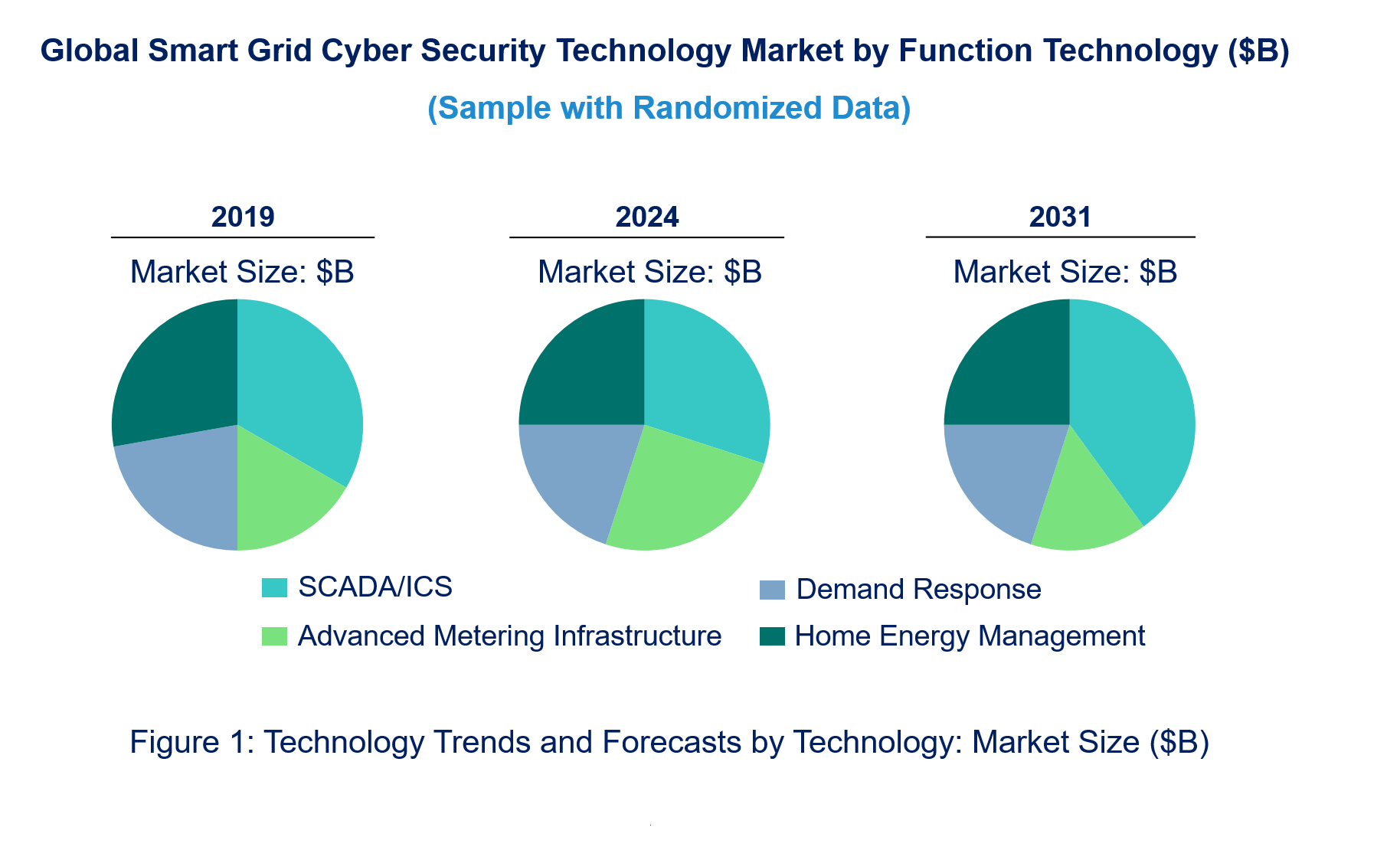
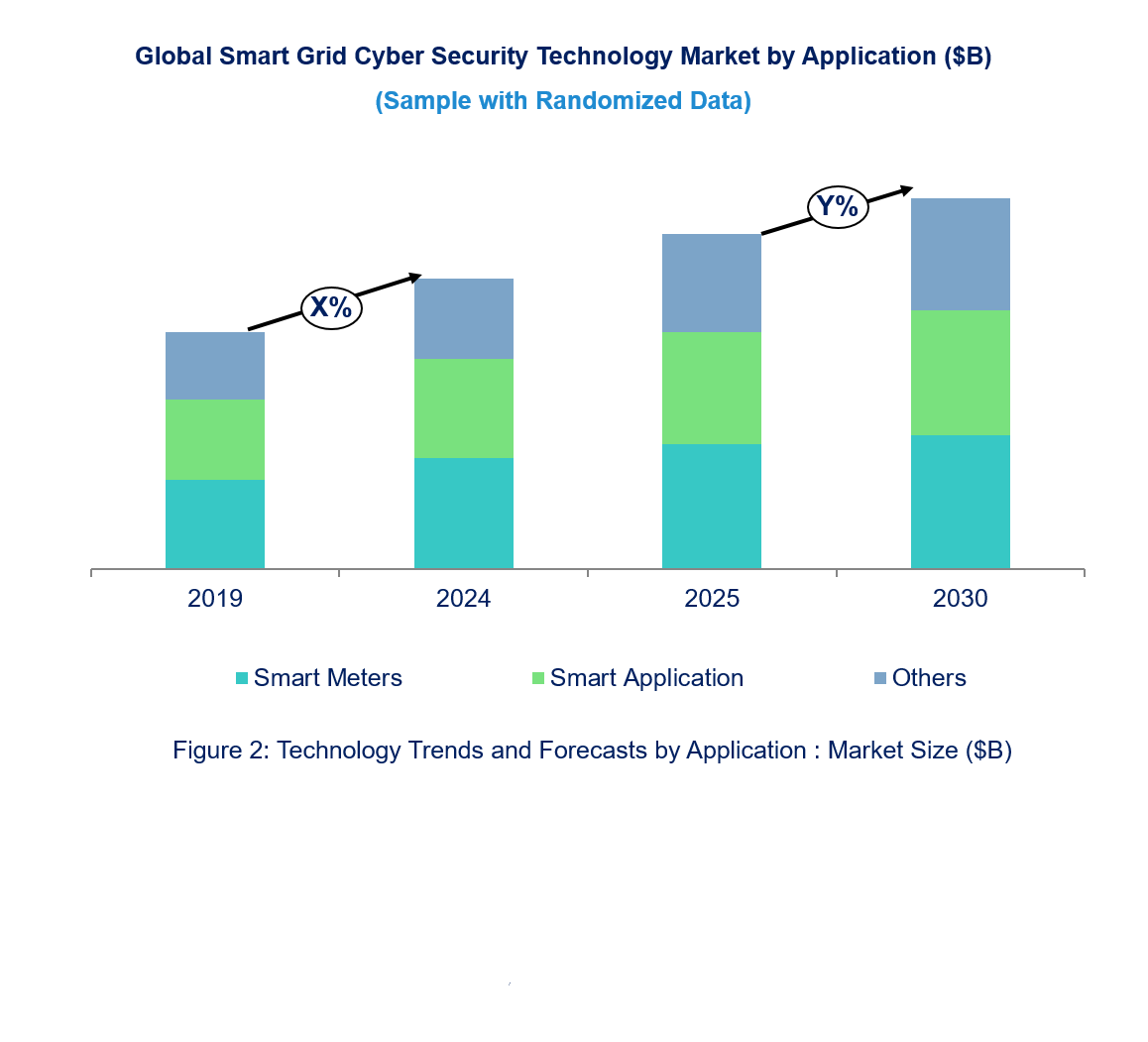
• Integration with IoT and Cloud Technology: With the increasing use of IoT devices and cloud-based software, kiosks are being integrated into city infrastructure, allowing for real-time data sharing and remote management. This provides seamless updates and better user experiences.
• Expanded Usage of Facial Recognition and Biometric Systems: The incorporation of high-end security features, including facial recognition and biometrics, increases the safety and personalization of kiosks. These systems allow for better and secure control of access to public services, such as banking and transportation.
• Interactive Display Systems: Interactive display systems are replacing traditional static screens, providing more engaging and dynamic experiences for users. Touchscreen kiosks are becoming more intuitive and user-friendly, making them effective for a wide range of applications, from retail to transportation.
• Advancements in Connectivity: Wi-Fi and 5G connectivity are enabling kiosks to operate more efficiently in urban environments. This connectivity ensures kiosks remain up-to-date and connected, offering real-time information for smart city operations.
• Multi-Purpose Kiosks: The trend for multi-functional kiosks is on the rise, where kiosks are used not only for information dissemination but also for services such as ticketing, payments, wayfinding, and public engagement. This is driven by the need for cost-effective and space-efficient urban solutions. These trends are changing the smart city interactive kiosk market by increasing functionality, improving user experiences, and expanding the roles of kiosks in modern urban environments.
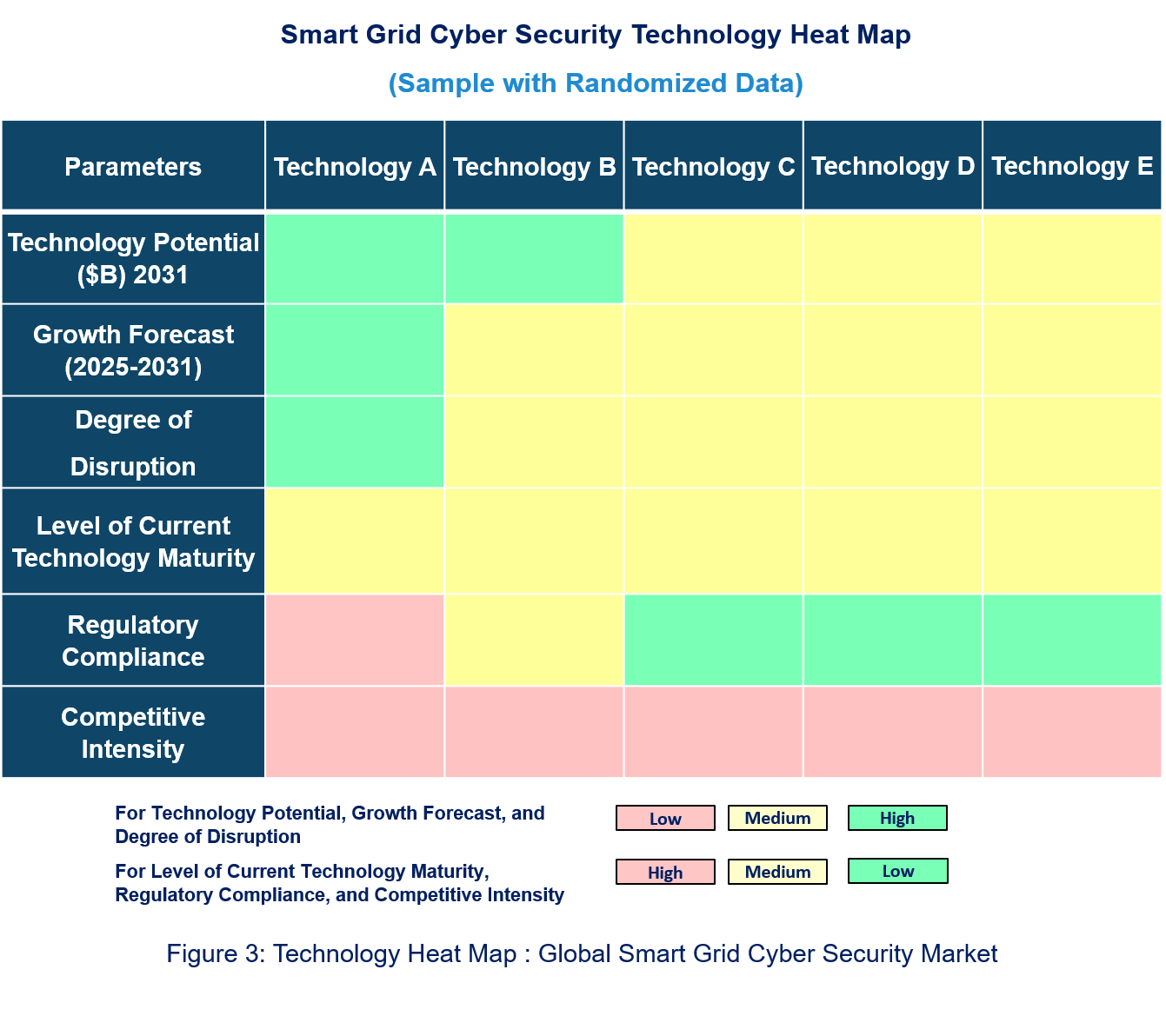
• Potential in Technology: The technology potential of smart city interactive kiosks is changing the character of urban environments to more interactive, efficient, and user-friendly settings. All the technologies incorporated, from touchscreen interfaces and IoT connectivity to cloud-based software, enhance interaction with users, streamline access to information, and use across various applications like transport, retail, or entertainment.
• Degree of Disruption: The degree of disruption is high because the interactive kiosks replace traditional information channels and enable real-time data delivery. This fundamentally changes the way people interact with their environments, driving greater convenience and personalization.
• Current Technology Maturity Level: This technology is mature, with many successful implementations in smart cities all over the world. Advances in AI-driven biometric systems, facial recognition, and interactive displays have further increased the efficiency and appeal of these kiosks.
• Regulatory Compliance: The collection of user data in these kiosks mandates compliance with privacy and data protection regulations, such as GDPR. Governments must regulate the deployment and operation of the kiosks so that personal data is safe and used ethically. Smart city interactive kiosks are a massive step forward in the evolution of urban infrastructure and possess vast potential while facing maturity and regulatory challenges.
• Diebold Nixdorf: Diebold Nixdorf has introduced a range of advanced, cloud-enabled interactive kiosks for the financial services and retail sectors, which offer more efficient self-service options and improved customer engagement.
• Fujitsu: Fujitsu has developed kiosks with enhanced biometric recognition features to enhance security for retail and transportation applications. The kiosks are integrated with AI to provide personalized customer services.
• RedyRef: RedyRef increasingly uses its kiosks with interactive display systems, making them more dynamic. It also uses its solution to deliver public information or wayfinding in smart city programs.
• Posiflex: Posiflex enhanced kiosk solutions by establishing a type of IoT connectivity where it could make its kiosk even more interactive through an ability to integrate itself on a cloud service for receiving and transmitting real-time updated versions to monitor remotely.
• Evoke Creative: Evoke Creative has developed kiosks with advanced touchscreen technology that are energy-efficient and eco-friendly, addressing the demand for sustainable smart city solutions.
• Olea Kiosks: Olea Kiosks is enhancing its offerings with biometric integration, enabling kiosks in public spaces to provide secure access to services such as transportation or healthcare.
• Hyosung: Hyosung recently launched interactive kiosks featuring both facial recognition and digital signage to enhance user experience in retail and hospitality spaces.
• Meridian Kiosks: Meridian Kiosks creates multifunctional kiosks that meet the diverse needs of modern urban settings, ranging from payment processing and ticketing to several other uses.
• Slabb Kiosks: Slabb Kiosks has introduced cloud-based software solutions that can be easily managed for content and troubleshooting remotely, improving the usability of their interactive kiosks.
• Peerless: Peerless designed innovative kiosk mounts, providing flexibility in positioning and the size of the display in order to offer a range of customizable solutions for smart city deployments. These key players are constantly innovating, introducing new technologies, and enhancing their kiosk solutions to stay competitive in the rapidly evolving smart city ecosystem.
• Growth in Smart Cities: The rapid growth of smart cities is driving demand for interactive kiosks, as these solutions are crucial for providing residents and visitors with up-to-date information and services.
• Technological Advancements in IoT and Cloud: The increasing adoption of IoT and cloud technology enables interactive kiosks to become more dynamic and connected, providing a seamless experience for users and allowing for easier remote management.
• Rising Demand for Contactless Solutions: With the growing focus on hygiene and safety, especially post-pandemic, contactless kiosk solutions using biometric recognition and touchless technology are becoming essential in public spaces.
• Increased Urbanization: The growing demand for efficient public services, along with the trend towards urbanization, is accelerating the need for interactive kiosks as they provide efficient solutions for communication, payments, and information dissemination. Challenges in the smart city interactive kiosk market include:
• Security Issues: The integration of facial recognition and biometrics into technologies poses significant challenges for the industry in ensuring data privacy and preventing misuse.
• High Initial Investment: The initial cost of deploying interactive kiosks, especially with advanced technologies, can be a barrier for cities and businesses, limiting widespread adoption.
• Integration with Existing Infrastructure: The integration of new kiosk technologies with existing urban infrastructure leads to compatibility issues and higher costs for smart city projects. The smart city interactive kiosk market is being driven by innovative technologies designed to improve urban living. Various advanced technologies are going into these kiosks, providing potential, maturity, and a regulatory landscape.
• Diebold Nixdorf
• Fujitsu
• Redyref
• Posiflex
• Evoke Creative
• Olea Kiosks
• Technology Readiness by Technology Type: Touchscreen/interactive displays are mature, but cloud-based software, while there is an increase in security, needs upgrading frequently. IoT connectivity has achieved significant establishment but has many issues with large-scale data management. Facial recognition, with high potential, is curtailed by regulatory constraints, and competitive levels also differ.
• Competitive Intensity and Regulatory Compliance: In smart city interactive kiosk the competitive landscape is intense, especially in touchscreen and interactive display systems, as companies compete for user experience improvements. Cloud-based software and IoT connectivity focus on data security and privacy, while facial recognition faces regulatory challenges over privacy concerns, requiring stringent compliance to ensure market success.
• Disruption Potential by Technology Type: Touchscreen and interactive display systems are improving user engagement, making kiosks more intuitive. Cloud-based software allows the remote management of all kiosk systems with real-time updates. Wi-Fi & IoT connectivity enables easier integration with city infrastructure. Facial recognition and biometric systems enhance security through personalized experiences and safety, changing how services are delivered in smart cities.
• Touchscreen Technology
• Interactive Display Systems
• Cloud-Based Software
• Wi-Fi & IoT Connectivity
• Facial Recognition and Biometric Systems
• BFSI
• Retail
• Media and Entertainment
• Transportation
• Food and Beverages
• Others
• North America
• Europe
• Asia Pacific
• The Rest of the World
• Latest Developments and Innovations in the Smart City Interactive Kiosk Technologies
• Companies / Ecosystems
• Strategic Opportunities by Technology Type




Choose a license that fits your team. Instant PDF delivery.
Prices exclude taxes. Instant delivery. Custom licensing available on request.
Market Report · May 18, 2026
Market Report · May 18, 2026
Market Report · May 18, 2026
Trusted partner for strategic intelligence and business growth


Receive a complimentary market analysis tailored to your industry. Our analysts will identify key growth opportunities and competitive dynamics specific to your business.

Market size, growth rate, and key trend analysis for your specific sector.

Top competitor positioning and market share analysis.

Strategic recommendations backed by data-driven insights.
Get curated market intelligence and competitive moves straight to your inbox.
By subscribing, you agree to receive our monthly insights. Unsubscribe anytime.
Receive a complimentary market analysis tailored to your industry. Our analysts will identify key growth opportunities and competitive dynamics specific to your business.
Market size, growth rate, and key trend analysis for your specific sector.
Top competitor positioning and market share analysis.
Strategic recommendations backed by data-driven insights.
Get curated market intelligence, emerging trends, and competitive moves straight to your inbox each month.
By subscribing, you agree to receive our monthly insights. Unsubscribe anytime.
We'll send your sample report shortly.