
Report Feature
Sensory-Friendly Therapeutic Tool Market Trends and Forecast
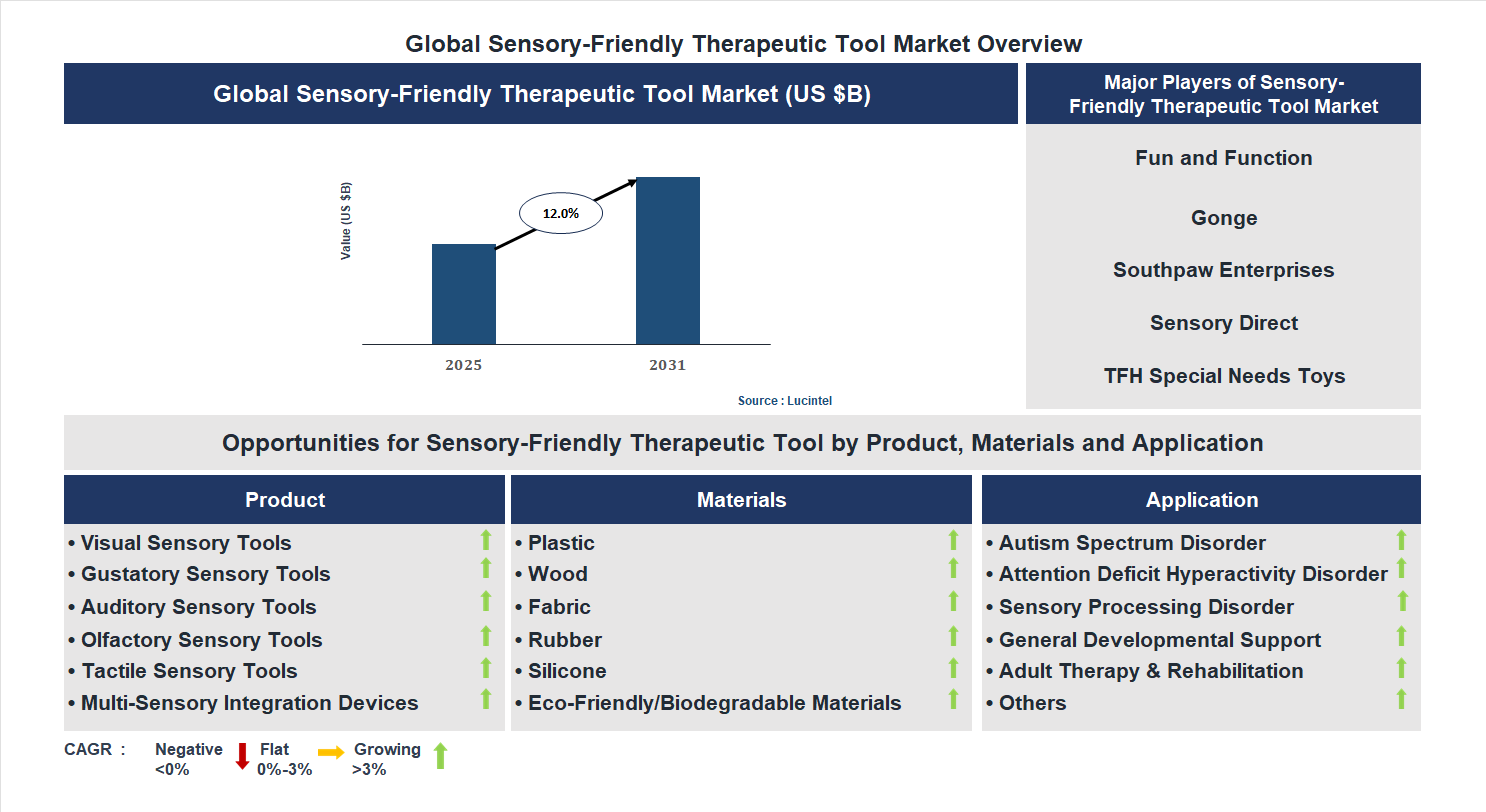
The future of the global sensory-friendly therapeutic tool market looks promising with opportunities in the autism spectrum disorder, attention deficit hyperactivity disorder, sensory processing disorder, general developmental support, and adult therapy & rehabilitation markets. The global sensory-friendly therapeutic tool market is expected to grow with a CAGR of 12% from 2025 to 2031. The major drivers for this market are the increasing demand for autism spectrum therapies, the rising awareness about sensory processing disorders, and the growing adoption of personalized therapeutic interventions.• Lucintel forecasts that, within the product category, multi-sensory integration devices is expected to witness the highest growth over the forecast period.
• Within the application category, autism spectrum disorder is expected to witness the highest growth.
• In terms of region, APAC is expected to witness the highest growth over the forecast period. Gain valuable insights for your business decisions with our comprehensive 150+ page report. Sample figures with some insights are shown below.
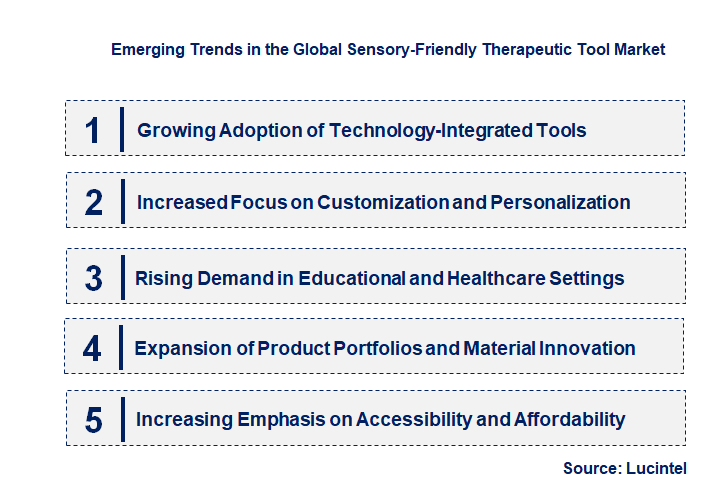
Emerging Trends in the Sensory-Friendly Therapeutic Tool Market
The sensory-friendly therapeutic tool market is experiencing rapid growth driven by increasing awareness of sensory processing disorders and the need for inclusive therapeutic solutions. As mental health awareness and personalized care become more prominent, the market is evolving with innovative products designed to cater to diverse sensory needs. Technological advancements, rising adoption in healthcare and educational settings, and a focus on accessibility are shaping this industry. These developments are not only expanding market size but also improving the quality of life for individuals with sensory processing challenges. The following key trends highlight the major shifts influencing this markets future trajectory.• Growing Adoption of Technology-Integrated Tools: The integration of technology such as virtual reality, augmented reality, and sensory apps is transforming therapy approaches. These tools offer immersive, customizable experiences that enhance engagement and effectiveness. They enable therapists to tailor interventions to individual needs, track progress accurately, and provide remote therapy options. As technology becomes more affordable and user-friendly, adoption rates are increasing across clinics, schools, and homes, making therapy more accessible and engaging for users.
• Increased Focus on Customization and Personalization: The market is shifting towards highly personalized sensory tools designed to meet specific needs of individuals. Customizable products allow therapists and caregivers to adapt sensory inputs based on the user’s preferences and sensitivities. This trend improves therapeutic outcomes by providing targeted interventions that address unique sensory profiles. Advances in modular and adaptable designs are facilitating this shift, leading to more effective and user-centric solutions that cater to a broader range of sensory processing challenges.
• Rising Demand in Educational and Healthcare Settings: Schools, clinics, and hospitals are increasingly adopting sensory-friendly tools to support children and adults with sensory processing disorders. This trend is driven by growing awareness of the importance of early intervention and inclusive education. The integration of sensory tools into mainstream settings helps improve focus, reduce anxiety, and promote social interaction. As policies and funding for special needs education expand, the demand for sensory-friendly therapeutic tools is expected to grow significantly, fostering more inclusive environments.
• Expansion of Product Portfolios and Material Innovation: Manufacturers are diversifying their product offerings with innovative materials that are safer, more durable, and environmentally friendly. New sensory products include multi-sensory rooms, weighted blankets, fidget toys, and calming aids made from sustainable materials. These innovations enhance user comfort and safety while aligning with eco-conscious consumer preferences. The expansion of product portfolios allows providers to offer comprehensive sensory solutions, catering to different age groups and sensory needs, thereby broadening market reach and application scope.
• Increasing Emphasis on Accessibility and Affordability: Efforts to make sensory-friendly tools more accessible and affordable are gaining momentum. This includes the development of low-cost, DIY solutions and scalable products suitable for various economic backgrounds. Governments, NGOs, and private organizations are supporting initiatives to distribute sensory tools in underserved communities. This trend aims to bridge gaps in access to therapeutic resources, ensuring that more individuals benefit from sensory interventions regardless of socioeconomic status. As affordability improves, market penetration and adoption rates are expected to rise globally. In summary, these trends are collectively reshaping the sensory-friendly therapeutic tool market by fostering innovation, expanding accessibility, and integrating advanced technologies. They are driving a more personalized, inclusive, and effective approach to sensory therapy, ultimately improving outcomes for individuals with sensory processing challenges and broadening the market’s reach.
Recent Development in the Sensory-Friendly Therapeutic Tool Market
The sensory-friendly therapeutic tool market has experienced significant growth driven by increasing awareness of sensory processing disorders and the demand for specialized therapeutic solutions. As mental health and developmental disorder treatments evolve, the market is adapting to meet diverse needs through innovative products and expanding accessibility. Technological advancements, regulatory support, and rising adoption in healthcare and educational settings are shaping its trajectory. These developments are not only enhancing the effectiveness of therapies but also broadening the market scope, making sensory-friendly tools more available to a wider population. The following key developments highlight the current landscape and future potential of this market.• Technological Integration: The incorporation of digital and smart technologies into sensory tools has improved customization and engagement, leading to more effective therapy sessions and better patient outcomes.
• Regulatory Approvals and Standards: Increased regulatory support and the establishment of quality standards have enhanced product credibility, encouraging healthcare providers and consumers to adopt sensory-friendly tools confidently.
• Expansion in Healthcare and Education Sectors: Growing adoption of sensory tools in schools, clinics, and therapy centers has expanded market reach, driven by increased awareness and funding initiatives.
• Product Innovation and Diversification: Continuous innovation has led to a broader range of sensory tools, including multi-sensory rooms, wearable devices, and portable kits, catering to diverse needs and settings.
• Rising Awareness and Advocacy: Increased advocacy and awareness campaigns have fueled demand, encouraging parents, educators, and healthcare professionals to prioritize sensory-friendly solutions. These developments are collectively transforming the sensory-friendly therapeutic tool market by enhancing product efficacy, expanding accessibility, and fostering innovation. As a result, the market is poised for sustained growth, with more tailored and effective solutions becoming available to individuals with sensory processing challenges.
Strategic Growth Opportunities in the Sensory-Friendly Therapeutic Tool Market
The sensory-friendly therapeutic tool market is experiencing rapid growth driven by increasing awareness of sensory processing disorders and the demand for specialized therapeutic solutions. As healthcare providers and caregivers seek more effective and inclusive interventions, key applications are emerging as significant growth drivers. These opportunities are transforming the landscape by enhancing patient outcomes, expanding market reach, and fostering innovation. Understanding these growth avenues is essential for stakeholders aiming to capitalize on the evolving needs within this niche yet expanding market.• Pediatric Therapy: Expanding access to sensory-friendly tools for children with autism and developmental delays improves early intervention outcomes and supports inclusive education, driving market growth in pediatric healthcare settings.
• Adult Neurorehabilitation: Increasing adoption of sensory tools for adults recovering from neurological injuries enhances rehabilitation effectiveness, opening new revenue streams and broadening application scope.
• Educational Institutions: Integration of sensory-friendly tools in schools and special education programs promotes inclusive learning environments, boosting demand and fostering long-term market expansion.
• Home-based Therapy: Rising preference for at-home interventions encourages the development of portable, user-friendly sensory tools, enabling caregivers to provide effective therapy outside clinical settings.
• Mental Health and Wellness: Growing recognition of sensory tools in managing anxiety, stress, and sensory overload in adults is creating new opportunities within mental health markets, supporting holistic well-being. These growth opportunities are significantly impacting the market by broadening application areas, increasing adoption rates, and fostering innovation. As demand for tailored sensory solutions rises across diverse demographics, the market is poised for sustained expansion, driven by technological advancements and increasing awareness of sensory health needs.
Sensory-Friendly Therapeutic Tool Market Driver and Challenges
The sensory-friendly therapeutic tool market is influenced by a variety of technological, economic, and regulatory factors. Advances in technology have enabled the development of more effective and accessible tools, while economic growth and increasing healthcare expenditure support market expansion. Regulatory frameworks and government initiatives aimed at improving mental health and developmental disorder management further propel growth. However, the market also faces challenges such as high product costs, regulatory hurdles, and limited awareness in certain regions. Understanding these drivers and challenges is essential for stakeholders to navigate the evolving landscape and capitalize on emerging opportunities. The factors responsible for driving the sensory-friendly therapeutic tool market include:-• Technological Innovations: The integration of advanced technologies like virtual reality, augmented reality, and AI has revolutionized sensory therapy tools. These innovations enable personalized, engaging, and effective therapeutic experiences, attracting healthcare providers and caregivers. As technology becomes more affordable and sophisticated, the development of new tools accelerates, broadening the market scope. This continuous innovation enhances treatment outcomes, encourages adoption, and supports market growth globally.
• Rising Prevalence of Autism and Sensory Processing Disorders: The increasing incidence of autism spectrum disorder (ASD) and sensory processing disorders (SPD) significantly drives demand for sensory-friendly tools. Early diagnosis and intervention are critical, prompting healthcare providers and parents to seek effective therapeutic options. The growing awareness and acceptance of sensory therapies as essential components of treatment further boost market expansion, especially in developed regions with better healthcare infrastructure.
• Government Initiatives and Regulatory Support: Governments worldwide are implementing policies and funding programs to improve mental health and developmental disorder management. Regulatory approvals and standards ensure safety and efficacy, encouraging manufacturers to innovate and expand their product lines. Public health campaigns and subsidies make sensory-friendly tools more accessible, fostering market growth and encouraging widespread adoption across various healthcare settings.
• Increasing Awareness and Acceptance: Growing awareness among parents, educators, and healthcare professionals about the benefits of sensory-friendly therapies has led to increased demand. Educational campaigns and success stories have helped reduce stigma and promote early intervention. This acceptance encourages the development and adoption of diverse therapeutic tools, expanding market reach into schools, clinics, and homes, and supporting overall growth. The challenges facing this sensory-friendly therapeutic tool market include:-
• High Product Costs: The development and manufacturing of advanced sensory-friendly tools involve significant investment, leading to high prices. These costs can limit accessibility, especially in low-income regions or for individuals without adequate insurance coverage. Affordability issues hinder widespread adoption and restrict market growth in emerging markets, creating a barrier for many potential users.
• Regulatory and Approval Hurdles: Navigating complex regulatory landscapes can delay product launches and increase costs for manufacturers. Ensuring compliance with safety, efficacy, and quality standards requires extensive testing and documentation, which can be time-consuming and expensive. These hurdles may discourage innovation and slow down the introduction of new tools into the market.
• Limited Awareness in Developing Regions: Despite growing awareness in developed countries, many developing regions still lack sufficient knowledge about sensory therapies and available tools. Cultural differences, lack of trained professionals, and limited healthcare infrastructure impede market penetration. This restricts the global reach of sensory-friendly therapeutic tools and hampers overall market growth. In summary, the sensory-friendly therapeutic tool market is driven by technological advancements, increasing prevalence of sensory processing disorders, supportive government policies, and rising awareness. However, high costs, regulatory challenges, and limited awareness in certain regions pose significant hurdles. These factors collectively shape the market landscape, requiring strategic efforts from stakeholders to maximize opportunities and address barriers. Overall, the market is poised for growth, provided that innovations are made accessible and awareness is expanded globally.
List of Sensory-Friendly Therapeutic Tool Companies
Companies in the market compete on the basis of product quality offered. Major players in this market focus on expanding their manufacturing facilities, R&D investments, infrastructural development, and leverage integration opportunities across the value chain. With these strategies sensory-friendly therapeutic tool companies cater increasing demand, ensure competitive effectiveness, develop innovative products & technologies, reduce production costs, and expand their customer base. Some of the sensory-friendly therapeutic tool companies profiled in this report include-• Fun and Function
• Gonge
• Southpaw Enterprises
• Sensory Direct
• TFH Special Needs Toys
• Skillbuilders
• Rompa
• Melissa & Doug
• Abilitations
• Learning Resources
Sensory-Friendly Therapeutic Tool Market by Segment
The study includes a forecast for the global sensory-friendly therapeutic tool market by product, materials, application, and region.Sensory-Friendly Therapeutic Tool Market by Product [Value from 2019 to 2031]:
• Visual Sensory Tools
• Gustatory Sensory Tools
• Auditory Sensory Tools
• Olfactory Sensory Tools
• Tactile Sensory Tools
• Multi-Sensory Integration Devices
Sensory-Friendly Therapeutic Tool Market by Materials [Value from 2019 to 2031]:
• Plastic
• Wood
• Fabric
• Rubber
• Silicone
• Eco-Friendly/Biodegradable Materials
Sensory-Friendly Therapeutic Tool Market by Application [Value from 2019 to 2031]:
• Autism Spectrum Disorder
• Attention Deficit Hyperactivity Disorder
• Sensory Processing Disorder
• General Developmental Support
• Adult Therapy & Rehabilitation
• Others
Sensory-Friendly Therapeutic Tool Market by Region [Value from 2019 to 2031]:
• North America
• Europe
• Asia Pacific
• The Rest of the World
Country Wise Outlook for the Sensory-Friendly Therapeutic Tool Market
The sensory-friendly therapeutic tool market has experienced significant growth driven by increasing awareness of sensory processing disorders and mental health issues worldwide. Advances in technology, rising demand for inclusive healthcare solutions, and government initiatives have propelled innovation and market expansion. Countries are adopting new strategies to improve accessibility and effectiveness of sensory tools, reflecting a global shift towards personalized and holistic therapeutic approaches. This evolving landscape presents opportunities for manufacturers, healthcare providers, and policymakers to collaborate and enhance the quality of life for individuals with sensory processing needs.• United States: The US market has seen rapid growth with increased adoption of digital sensory tools and virtual therapy platforms. Major healthcare providers are integrating sensory-friendly solutions into mainstream therapy programs, supported by government funding and private investments. Innovations include wearable devices and AI-driven applications that customize therapy sessions, improving outcomes for children and adults with sensory processing disorders. The focus on inclusivity and evidence-based practices continues to drive market expansion.
• China: China is witnessing a surge in demand for sensory-friendly therapeutic tools, driven by rising awareness of developmental disorders and government initiatives promoting mental health. Local manufacturers are developing affordable, innovative products tailored to the Chinese population. The integration of traditional Chinese medicine with modern sensory therapies is gaining popularity. E-commerce platforms facilitate widespread distribution, and collaborations with international companies are enhancing product quality and diversity.
• Germany: Germanys market emphasizes high-quality, scientifically validated sensory tools, with a strong focus on research and development. The country’s healthcare system supports the integration of sensory therapies into special education and clinical settings. There is a growing trend toward eco-friendly and sustainable products, aligning with Germany’s environmental standards. Regulatory frameworks ensure safety and efficacy, fostering trust among practitioners and consumers alike.
• India: Indias sensory-friendly therapeutic market is expanding rapidly due to increasing awareness of neurodevelopmental disorders and government initiatives like the National Policy for Persons with Disabilities. Local startups are innovating cost-effective sensory tools suitable for diverse socioeconomic groups. The rise of teletherapy and mobile health applications is making sensory therapies more accessible in rural and urban areas. Partnerships with NGOs and educational institutions are further promoting inclusive practices.
• Japan: Japan is focusing on advanced technological solutions, including robotics and AI, to enhance sensory therapy effectiveness. The aging population and rising autism diagnoses are driving demand for specialized sensory tools. The market emphasizes precision and customization, with products designed for both children and elderly users. Regulatory standards are stringent, ensuring high safety and quality. Collaboration between tech companies and healthcare providers is fostering innovative therapeutic approaches tailored to Japan’s unique demographic needs.

Features of the Global Sensory-Friendly Therapeutic Tool Market
Market Size Estimates: Sensory-friendly therapeutic tool market size estimation in terms of value ($B). Trend and Forecast Analysis: Market trends (2019 to 2024) and forecast (2025 to 2031) by various segments and regions. Segmentation Analysis: Sensory-friendly therapeutic tool market size by product, materials, application, and region in terms of value ($B). Regional Analysis: Sensory-friendly therapeutic tool market breakdown by North America, Europe, Asia Pacific, and Rest of the World. Growth Opportunities: Analysis of growth opportunities in different products, materials, applications, and regions for the sensory-friendly therapeutic tool market. Strategic Analysis: This includes M&A, new product development, and competitive landscape of the sensory-friendly therapeutic tool market. Analysis of competitive intensity of the industry based on Porter’s Five Forces model.
FAQ
Q1. What is the growth forecast for sensory-friendly therapeutic tool market? Answer: The global sensory-friendly therapeutic tool market is expected to grow with a CAGR of 12% from 2025 to 2031. Q2. What are the major drivers influencing the growth of the sensory-friendly therapeutic tool market? Answer: The major drivers for this market are the increasing demand for autism spectrum therapies, the rising awareness about sensory processing disorders, and the growing adoption of personalized therapeutic interventions. Q3. What are the major segments for sensory-friendly therapeutic tool market? Answer: The future of the sensory-friendly therapeutic tool market looks promising with opportunities in the autism spectrum disorder, attention deficit hyperactivity disorder, sensory processing disorder, general developmental support, and adult therapy & rehabilitation markets. Q4. Who are the key sensory-friendly therapeutic tool market companies? Answer: Some of the key sensory-friendly therapeutic tool companies are as follows:• Fun and Function
• Gonge
• Southpaw Enterprises
• Sensory Direct
• TFH Special Needs Toys
• Skillbuilders
• Rompa
• Melissa & Doug
• Abilitations
• Learning Resources Q5. Which sensory-friendly therapeutic tool market segment will be the largest in future? Answer: Lucintel forecasts that, within the product category, multi-sensory integration devices is expected to witness the highest growth over the forecast period. Q6. In sensory-friendly therapeutic tool market, which region is expected to be the largest in next 5 years? Answer: In terms of region, APAC is expected to witness the highest growth over the forecast period. Q7. Do we receive customization in this report? Answer: Yes, Lucintel provides 10% customization without any additional cost.
Table of Contents
List of Figures
List of Tables
Methodology
- In-depth interviews of the major players in this market
- Detailed secondary research from competitors’ financial statements and published data
- Extensive searches of published works, market, and database information pertaining to industry news, company press releases, and customer intentions
- A compilation of the experiences, judgments, and insights of Lucintel’s professionals, who have analyzed and tracked this market over the years.


Buy Now
Choose a license that fits your team. Instant PDF delivery.
Prices exclude taxes. Instant delivery. Custom licensing available on request.
Key Questions
- • What are some of the most promising, high-growth opportunities for the sensory-friendly therapeutic tool market by product (visual sensory tools, gustatory sensory tools, auditory sensory tools, olfactory sensory tools, tactile sensory tools, and multi-sensory integration devices), materials (plastic, wood, fabric, rubber, silicone, and eco-friendly/biodegradable materials), application (autism spectrum disorder, attention deficit hyperactivity disorder, sensory processing disorder, general developmental support, adult therapy & rehabilitation, and others), and region (North America, Europe, Asia Pacific, and the Rest of the World)?
- • Which segments will grow at a faster pace and why?
- • Which region will grow at a faster pace and why?
- • What are the key factors affecting market dynamics? What are the key challenges and business risks in this market?
- • What are the business risks and competitive threats in this market?
- • What are the emerging trends in this market and the reasons behind them?
- • What are some of the changing demands of customers in the market?
- • What are the new developments in the market? Which companies are leading these developments?
- • Who are the major players in this market? What strategic initiatives are key players pursuing for business growth?
- • What are some of the competing products in this market and how big of a threat do they pose for loss of market share by material or product substitution?
- • What M&A activity has occurred in the last 5 years and what has its impact been on the industry? For any questions related to Sensory-Friendly Therapeutic Tool Market, Sensory-Friendly Therapeutic Tool Market Size, Sensory-Friendly Therapeutic Tool Market Growth, Sensory-Friendly Therapeutic Tool Market Analysis, Sensory-Friendly Therapeutic Tool Market Report, Sensory-Friendly Therapeutic Tool Market Share, Sensory-Friendly Therapeutic Tool Market Trends, Sensory-Friendly Therapeutic Tool Market Forecast, Sensory-Friendly Therapeutic Tool Companies, write Lucintel analyst at email: helpdesk@lucintel.com. We will be glad to get back to you soon.


