
Report Feature
Self Service Supermarket Sensor Market Trends and Forecast
The technologies in the self-service supermarket sensor market have undergone significant changes in recent years, with a shift from cash-based systems to cashless-based systems. This transition is driven by the growing consumer preference for contactless payment methods, enhanced by advancements in mobile wallet technology, RFID, and biometric systems, creating a seamless shopping experience.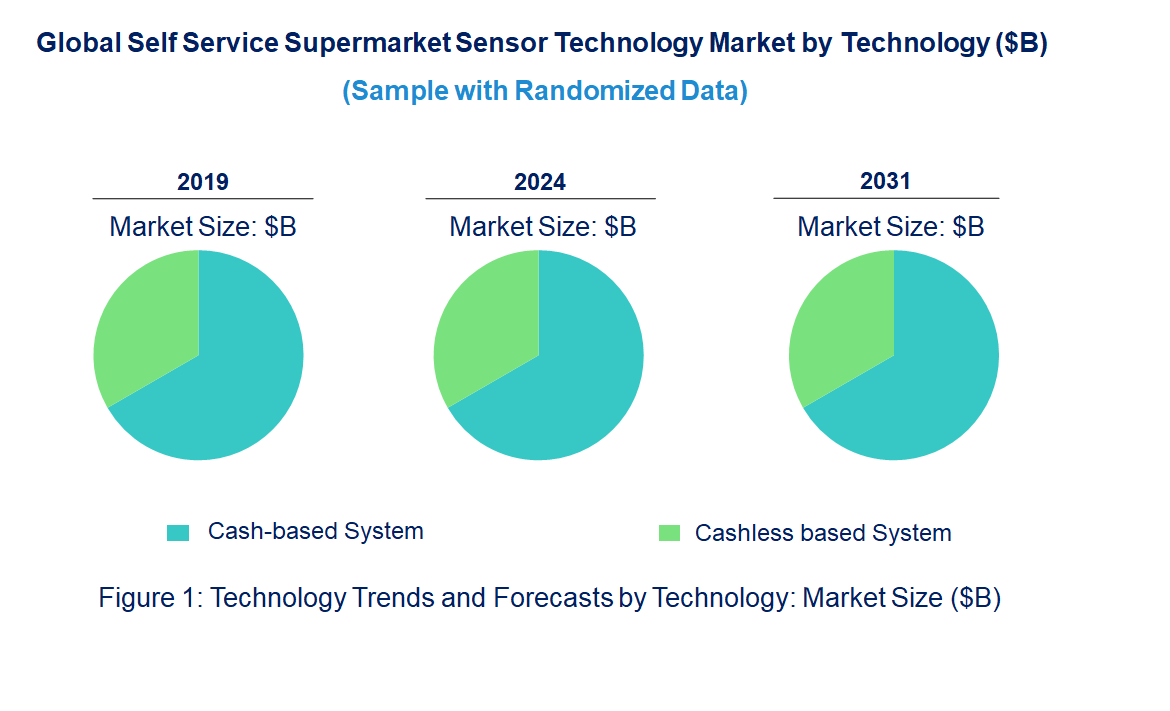
Emerging Trends in the Self Service Supermarket Sensor Market
The self service supermarket sensor market is witnessing key trends that are shaping its growth and development. Below are five emerging trends:• Adoption of Cashless Payment Systems: Supermarkets are increasingly adopting cashless-based systems that allow customers to make seamless, secure payments via mobile wallets or RFID-enabled cards, reducing transaction time and enhancing convenience.
• Integration of Advanced Sensors for Inventory Management: The use of smart sensors for real-time inventory tracking and automated stock replenishment is gaining traction, helping supermarkets optimize inventory levels and reduce waste.
• Enhanced Customer Experience with AI and IoT: AI-powered sensors and IoT-enabled devices are being implemented to offer personalized customer experiences, such as automatic discounts or recommendations based on purchase history.
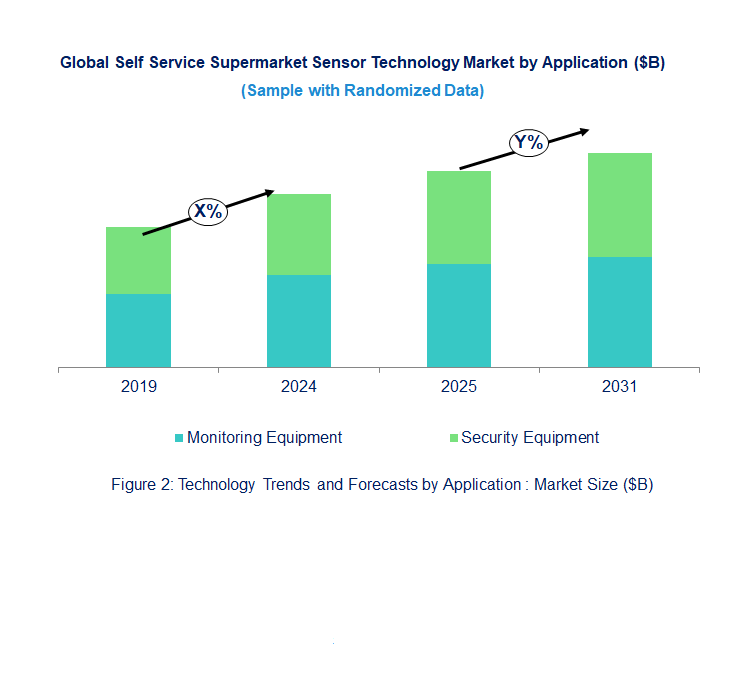
• Focus on Security with Advanced Monitoring Equipment: As self-service checkout becomes more common, there is an increased focus on sensor-driven security systems to reduce theft and ensure accurate transaction processing.
• Increased Demand for Hygiene Solutions: The COVID-19 pandemic has increased demand for hygienic, touchless checkout systems, pushing supermarkets to adopt advanced sensor technology for cleaner, safer shopping environments. These technology trends are reshaping the self-service supermarket sensor market by enhancing customer convenience, improving operational efficiency, and ensuring security while addressing new consumer needs.
Self Service Supermarket Sensor Market : Industry Potential, Technological Development, and Compliance Considerations
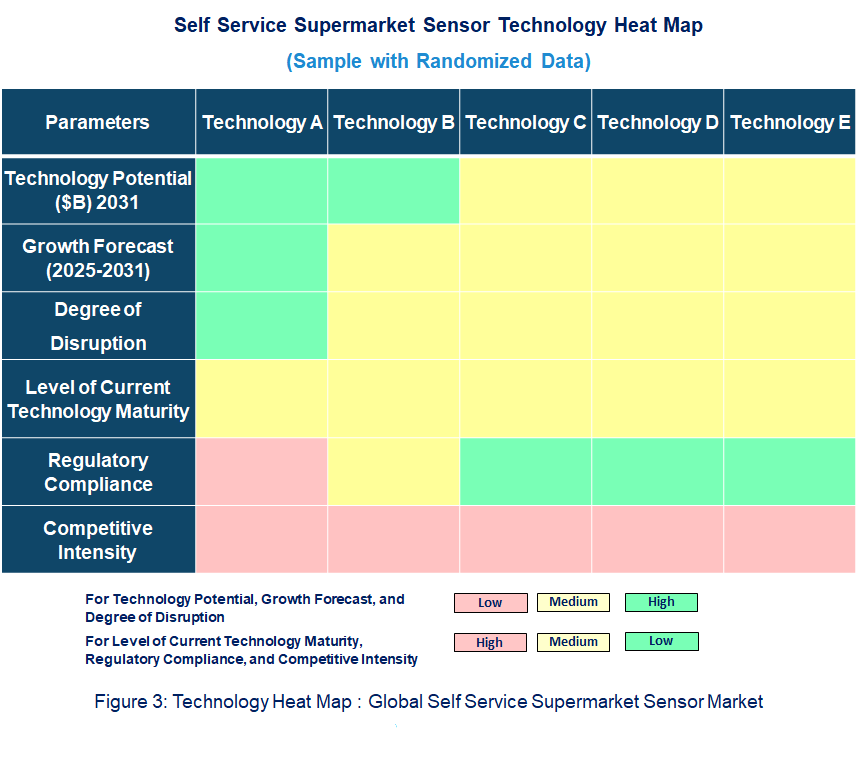
The self-service supermarket sensor market is rapidly evolving with advancements in sensor technology, particularly in cashless payment systems, inventory tracking, and security solutions. These innovations transform supermarkets’ operations, offering enhanced efficiency and improved customer experiences.• Technology Potential: The potential for self-service supermarket sensors is immense, especially with the integration of AI, IoT, and advanced sensors for inventory management, cashless payments, and security systems. These technologies can reduce labor costs, streamline operations, and enhance the shopping experience by offering consumers faster, more convenient services.
• Degree of Disruption: The degree of disruption is high, as the transition from traditional cashier-based checkout systems to fully automated, sensor-driven solutions reshapes the retail landscape. This change is not only reducing dependence on human cashiers but also improving store efficiency and security through smart, data-driven technologies.
• Level of Current Technology Maturity: Self-service sensor technology is in a mature phase, with widespread adoption of cashless and RFID-based systems. However, there are still areas for improvement in terms of security, fraud prevention, and further integration of AI and machine learning for more personalized shopping experiences.
• Regulatory Compliance: The market faces regulatory pressures related to data security, customer privacy, and payment processing. Cashless systems must comply with evolving standards for data encryption and payment security, ensuring consumer trust. In conclusion, the self-service supermarket sensor market is at the forefront of technological transformation, offering immense potential for efficiency and customer satisfaction, while facing challenges in regulatory compliance and technological advancements.
Recent Technological development in Self Service Supermarket Sensor Market by Key Players
The self-service supermarket sensor market has seen significant developments from key players in recent years. These companies are driving innovation through technology advancements and product improvements, transforming the shopping experience.• ITAB Group: ITAB has introduced innovative self-checkout systems that incorporate advanced sensors for faster payment processing, improving the overall customer experience and reducing wait times.
• Diebold Nixdorf: Diebold Nixdorf has integrated cashless payment solutions with self-service kiosks, enhancing transaction speed and security in supermarkets worldwide.
• StrongPoint: StrongPoint is advancing with sensor-based solutions for real-time stock tracking and cashless payments, optimizing inventory management and reducing errors.
• Gilbarco: Gilbarco has launched smart checkout systems with RFID and biometric authentication, improving checkout speed and security, especially in high-traffic supermarket settings.
• ECR Software Corporation: ECR Software has developed self-service solutions with enhanced sensor-based monitoring equipment to streamline operations and improve customer satisfaction in grocery stores.
• Fujitsu: Fujitsu is pioneering the use of AI-powered sensors in self-checkout systems, enabling a personalized customer experience and efficient transaction processing.
• Toshiba Corporation: Toshiba has introduced self-checkout technology with integrated biometric sensors, enhancing security and reducing the risk of fraud in supermarkets.
• NCR Corporation: NCR has focused on building sensor-driven self-service platforms that include advanced security features and integrate cashless payment methods for faster, safer checkouts.
• Pan-Oston: Pan-Oston’s developments include self-checkout kiosks with integrated security sensors and customizable designs, offering enhanced flexibility and user experience in supermarkets.
• PCMS Group: PCMS Group has launched sensor-based solutions designed for cashless payments and inventory monitoring, improving operational efficiency in the retail sector. These developments demonstrate how key players are shaping the market by implementing innovative sensor technologies and improving self-service solutions to meet evolving customer and industry needs.
Self Service Supermarket Sensor Market Driver and Challenges
The self-service supermarket sensor market is influenced by several key drivers and challenges that are shaping its growth and development. The factors responsible for the global self service supermarket sensor market are:• Technological Advancements: The rapid advancement of sensor technology, AI, and IoT is driving innovation in self-service systems, offering smarter, faster, and more secure solutions for supermarkets.
• Consumer Preference for Convenience: The growing demand for a seamless, frictionless shopping experience is encouraging supermarkets to adopt self-checkout systems that integrate cashless and contactless payments.
• Cost Efficiency: Automation through self-service sensors reduces labor costs for supermarkets and improves operational efficiency by streamlining checkout processes.
• Focus on Security: Increased concern over theft in self-checkout areas is pushing supermarkets to adopt advanced sensor-based security systems to enhance monitoring and prevent fraud. Challenges facing the global self service supermarket sensor market are:
• High Initial Investment: Implementing sensor-based self-service technology requires significant upfront investment, which may be a barrier for smaller supermarkets or those with limited budgets.
• Security Concerns: Despite advancements in security features, the risk of fraud and theft remains a challenge, as customers may exploit gaps in sensor-driven monitoring systems.
• Integration Issues: The integration of new sensor technologies with existing supermarket infrastructure can be complex, leading to potential disruptions and compatibility issues. In conclusion, the drivers of technological innovation, cost efficiency, and customer demand for convenience are pushing the growth of the The Self-Service Supermarket Sensor Market is influenced by several key drivers and challenges that are shaping its growth and development. Drivers:
• Technological Advancements: The rapid advancement of sensor technology, AI, and IoT is driving innovation in self-service systems, offering smarter, faster, and more secure solutions for supermarkets.
• Consumer Preference for Convenience: The growing demand for a seamless, frictionless shopping experience is encouraging supermarkets to adopt self-checkout systems that integrate cashless and contactless payments.
• Cost Efficiency: Automation through self-service sensors reduces labor costs for supermarkets and improves operational efficiency by streamlining checkout processes.
• Focus on Security: Increased concern over theft in self-checkout areas is pushing supermarkets to adopt advanced sensor-based security systems to enhance monitoring and prevent fraud. Challenges:
• High Initial Investment: Implementing sensor-based self-service technology requires significant upfront investment, which may be a barrier for smaller supermarkets or those with limited budgets.
• Security Concerns: Despite advancements in security features, the risk of fraud and theft remains a challenge, as customers may exploit gaps in sensor-driven monitoring systems.
• Integration Issues: The integration of new sensor technologies with existing supermarket infrastructure can be complex, leading to potential disruptions and compatibility issues. In conclusion, the drivers of technological innovation, cost efficiency, and customer demand for convenience are pushing the growth of the self-service supermarket sensor market. However, challenges such as high initial investment and security concerns need to be addressed to ensure continued market expansion.. However, challenges such as high initial investment and security concerns need to be addressed to ensure continued market expansion.
List of Self Service Supermarket Sensor Companies
Companies in the market compete on the basis of product quality offered. Major players in this market focus on expanding their manufacturing facilities, R&D investments, infrastructural development, and leverage integration opportunities across the value chain. With these strategies self service supermarket sensor companies cater increasing demand, ensure competitive effectiveness, develop innovative products & technologies, reduce production costs, and expand their customer base. Some of the self service supermarket sensor companies profiled in this report includes.• Itab Group
• Diebold Nixdorf
• Strong Point
• Gilbarco
• Ecr Software Corporation
• Fujitsu
Self Service Supermarket Sensor Market by Technology
• Technology Readiness by Technology Type: Cashless-based systems, particularly mobile wallets, RFID, and biometrics, are highly ready for widespread adoption due to their maturity, ability to handle large transaction volumes, and ease of integration with existing retail infrastructures. These systems offer a high level of competitiveness, meeting modern consumer demands for speed, security, and convenience. Regulatory compliance for cashless systems focuses heavily on ensuring secure payment processing, protecting customer data, and adhering to regional standards. On the other hand, cash-based systems are still widely used but face challenges in terms of efficiency and labor costs. They are increasingly being phased out in favor of more automated solutions. Cash-based systems often have lower competitive intensity in markets demanding fast, secure transactions, but remain relevant in areas where digital infrastructure is lacking. However, both systems must adhere to certain regulatory requirements regarding cash handling, fraud prevention, and hygiene standards, especially in self service environments. Cashless technologies, by enabling contactless transactions, are increasingly seen as the future of supermarket operations, offering better scalability and customer experience.
• Competitive Intensity and Regulatory Compliance: The competitive intensity between cash-based and cashless-based systems in the self service supermarket sensor market is high, with cashless systems gaining a competitive edge due to their convenience, speed, and alignment with consumer preferences for digital payment methods. Cashless systems are also more scalable, enabling faster adoption across supermarkets. However, cash-based systems remain essential in regions with limited access to digital payment options. From a regulatory compliance perspective, cashless systems are subject to stringent data protection and payment security regulations, ensuring customer data is secure during transactions. Cash-based systems, while less complex from a regulatory standpoint, face growing pressure to adopt technologies that reduce human error and increase efficiency in line with regulatory standards on labor and health safety. As cashless systems become the dominant model, companies must comply with evolving global standards related to payment security, fraud prevention, and data privacy.
• Disruption Potential by Technology Type: The disruption potential in the self service supermarket sensor market is significant, driven by the shift from cash-based systems to cashless-based systems. Cashless systems, including mobile wallets, RFID, and biometric technologies, offer faster, more efficient transactions, reducing the need for cash handling and improving customer experience. These technologies also support the growing demand for contactless payments, offering enhanced convenience and safety. In contrast, cash-based systems, although still in use, are increasingly seen as inefficient and less secure in comparison. The shift toward cashless systems is disrupting traditional supermarket operations by reducing human involvement, minimizing errors, and optimizing checkout speed. Furthermore, cashless systems enable supermarkets to collect and analyze more customer data, fostering a personalized shopping experience and driving future innovations. As cashless solutions become more pervasive, they could potentially replace cash-based systems in many retail environments, including self-service checkouts.
Self Service Supermarket Sensor Market Trend and Forecast by Technology [Value from 2019 to 2031]:
• Cash Based System
• Cashless Based System
Self Service Supermarket Sensor Market Trend and Forecast by Application [Value from 2019 to 2031]:
• Monitoring Equipment
• Security Equipment
Self Service Supermarket Sensor Market by Region [Value from 2019 to 2031]:
• North America
• Europe
• Asia Pacific
• The Rest of the World
• Latest Developments and Innovations in the Self Service Supermarket Sensor Technologies
• Companies / Ecosystems
• Strategic Opportunities by Technology Type
Features of the Global Self Service Supermarket Sensor Market
Market Size Estimates: Self service supermarket sensor market size estimation in terms of ($B). Trend and Forecast Analysis: Market trends (2019 to 2024) and forecast (2025 to 2031) by various segments and regions. Segmentation Analysis: Technology trends in the global self service supermarket sensor market size by various segments, such as application and technology in terms of value and volume shipments. Regional Analysis: Technology trends in the global self service supermarket sensor market breakdown by North America, Europe, Asia Pacific, and the Rest of the World. Growth Opportunities: Analysis of growth opportunities in different applications, technologies, and regions for technology trends in the global self service supermarket sensor market. Strategic Analysis: This includes M&A, new product development, and competitive landscape for technology trends in the global self service supermarket sensor market. Analysis of competitive intensity of the industry based on Porter’s Five Forces model.Table of Contents
Methodology
- In-depth interviews of the major players in this market
- Detailed secondary research from competitors’ financial statements and published data
- Extensive searches of published works, market, and database information pertaining to industry news, company press releases, and customer intentions
- A compilation of the experiences, judgments, and insights of Lucintel’s professionals, who have analyzed and tracked this market over the years.


Buy Now
Choose a license that fits your team. Instant PDF delivery.
Prices exclude taxes. Instant delivery. Custom licensing available on request.
Key Questions
- • What are some of the most promising potential, high-growth opportunities for the technology trends in the global self service supermarket sensor market by technology (cash based system and cashless based system), application (monitoring equipment and security equipment), and region (North America, Europe, Asia Pacific, and the Rest of the World)?
- • Which technology segments will grow at a faster pace and why?
- • Which regions will grow at a faster pace and why?
- • What are the key factors affecting dynamics of different technology? What are the drivers and challenges of these technologies in the global self service supermarket sensor market?
- • What are the business risks and threats to the technology trends in the global self service supermarket sensor market?
- • What are the emerging trends in these technologies in the global self service supermarket sensor market and the reasons behind them?
- • Which technologies have potential of disruption in this market?
- • What are the new developments in the technology trends in the global self service supermarket sensor market? Which companies are leading these developments?
- • Who are the major players in technology trends in the global self service supermarket sensor market? What strategic initiatives are being implemented by key players for business growth?
- • What are strategic growth opportunities in this self service supermarket sensor technology space?
- • What M & A activities did take place in the last five years in technology trends in the global self service supermarket sensor market?


