
Market Report · July 22, 2026

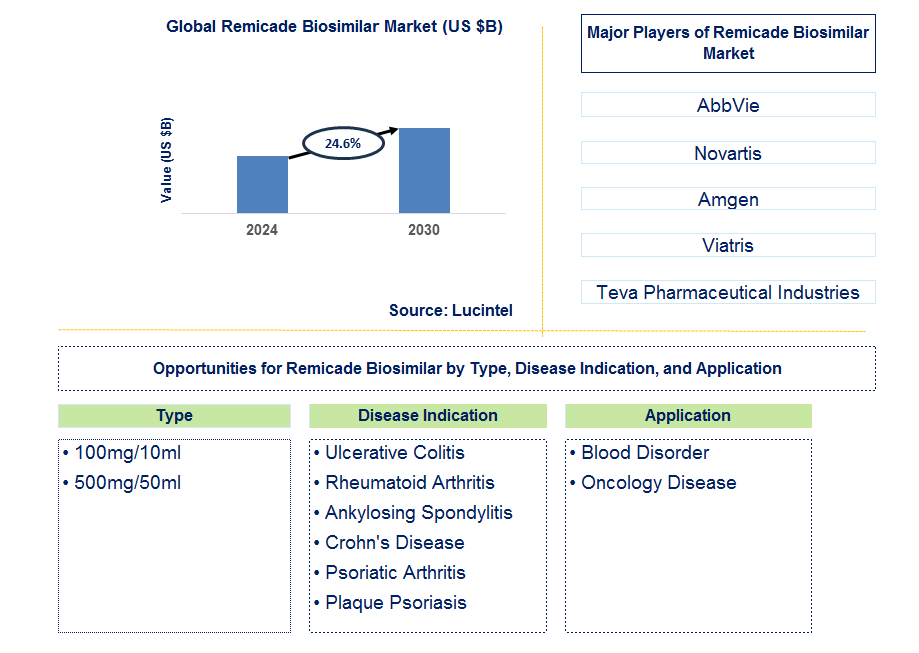
Key data points: The growth forecast = 24.6% annually for the next 6 years. Scroll below to get more insights. This market report covers trends, opportunities, and forecasts in the global remicade biosimilar market to 2030 by type (100mg/10ml and 500mg/50ml), disease indication (ulcerative colitis, rheumatoid arthritis, ankylosing spondylitis, Crohn's disease, psoriatic arthritis, and plaque psoriasis), application (blood disorder and oncology disease), and region (North America, Europe, Asia Pacific, and the Rest of the World)
We'll send your sample report shortly.
• United States: The USA market has seen significant growth with the approval of multiple remicade biosimilars, leading to increased competition. Major players like Pfizer and Amgen have launched their versions, resulting in reduced costs for healthcare providers and patients while enhancing treatment accessibility.
• China: The Chinese market is rapidly expanding, with several remicade biosimilars entering the market following the government's push for affordable medications. The National Medical Products Administration has accelerated approvals, enabling local companies to develop and commercialize these therapies, thus improving patient access.
• Germany: Germany remains a leader in biosimilar uptake in Europe. The introduction of remicade biosimilars has been met with positive reimbursement policies, driving adoption among healthcare providers. The country's focus on innovative pricing strategies has facilitated access to these cost-effective alternatives.
• Indian: In India, the biosimilar market is gaining momentum as local manufacturers launch remicade biosimilars at competitive prices. The Drug Controller General of India has streamlined the approval process, promoting innovation while addressing the healthcare needs of the population with chronic inflammatory diseases.
• Japan: The Japanese market is experiencing a surge in biosimilar adoption due to recent policy changes encouraging competition. The approval of remicade biosimilars by the Pharmaceuticals and Medical Devices Agency has enabled healthcare providers to offer these alternatives, improving treatment options for patients.
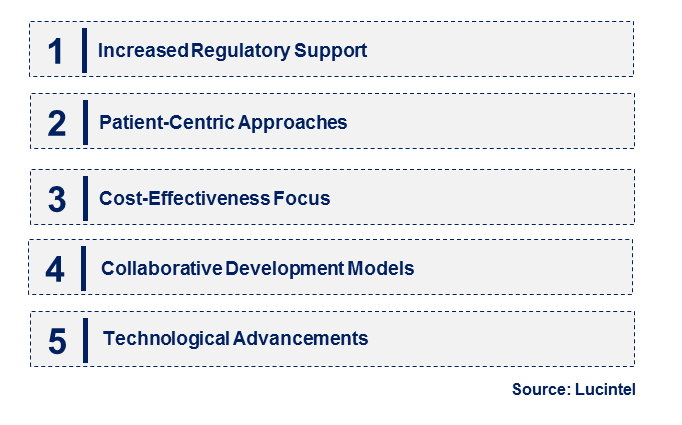
• Increased Regulatory Support: Regulatory bodies worldwide are streamlining the approval process for biosimilars, facilitating faster market entry. This enhances patient access to essential therapies, drives competition, and encourages pharmaceutical companies to invest in biosimilar development.
• Patient-centric Approaches: Pharmaceutical companies are focusing on patient education and engagement to improve the acceptance of biosimilars. By providing comprehensive information on efficacy and safety, these efforts help alleviate concerns and foster confidence in biosimilar therapies.
• Cost-effectiveness Focus: As healthcare costs continue to rise, the emphasis on cost-effective treatment options has never been greater. Biosimilars offer substantial savings compared to original biologics, prompting healthcare systems to adopt these alternatives to manage expenses effectively.
• Collaborative Development Models: Partnerships between established pharmaceutical companies and biosimilar developers are becoming common. These collaborations leverage expertise and resources to expedite development processes and enhance market competitiveness, ultimately benefiting patients.
• Technological Advancements: Innovations in manufacturing and analytical technologies are improving the efficiency and quality of biosimilars. Enhanced characterization methods ensure the similarity of biosimilars to their reference products, increasing regulatory confidence and market acceptance. The ongoing emergence of these trends is reshaping the remicade biosimilar market, enhancing patient access, driving innovation, and fostering competition among pharmaceutical companies.
• Regulatory Approvals: Multiple remicade biosimilars have received regulatory approvals across various regions, including the USA, Europe, and Asia, enhancing treatment options for patients. These approvals signify a growing acceptance of biosimilars as viable alternatives to reference biologics.
• Market Launches: Several pharmaceutical companies, including Pfizer and Amgen, have successfully launched their remicade biosimilars in key markets. These launches are expected to drive competition, leading to reduced prices and improved patient access to treatments.
• Reimbursement Policies: Countries like Germany have introduced favorable reimbursement policies for biosimilars, promoting their uptake among healthcare providers. These policies encourage the adoption of cost-effective treatment options, ensuring better patient care.
• Investment in R&D: Increased investments in research and development for biosimilars are observed globally. Pharmaceutical companies are focusing on enhancing manufacturing processes and developing new biosimilar products to meet growing market demand.
• Public Awareness Campaigns: Awareness initiatives aimed at educating patients and healthcare professionals about the safety and efficacy of biosimilars are gaining traction. These campaigns aim to boost confidence in biosimilars, thereby driving market acceptance. These developments are significantly impacting the remicade biosimilar market, ensuring a broader reach for these essential therapies and improving healthcare outcomes.
• Oncology Applications: Expanding the use of remicade biosimilars in oncology can provide cost-effective treatment options for patients with cancer. This can improve patient compliance and outcomes by making therapies more accessible to a wider population.
• Chronic Inflammatory Diseases: The growing prevalence of chronic inflammatory diseases presents an opportunity for biosimilars. Companies can target conditions like rheumatoid arthritis and Crohn's disease, providing affordable treatment options that can help manage these complex diseases effectively.
• Global Market Expansion: Companies can explore opportunities in emerging markets where biosimilar adoption is on the rise. Expanding into countries with increasing demand for affordable healthcare solutions can lead to significant growth in revenue and market share.
• Collaborations with Healthcare Providers: Building partnerships with healthcare providers to promote biosimilars can enhance acceptance and utilization. Educational initiatives and co-marketing efforts can drive adoption and ensure that patients receive timely treatments.
• Technological Innovations: Investing in advanced manufacturing technologies can streamline production processes and reduce costs. This allows companies to develop high-quality biosimilars that meet regulatory standards while remaining competitive in pricing. These growth opportunities are essential for driving the remicade biosimilar market forward, ensuring that patients have access to effective and affordable therapies.
• Cost Reduction: The introduction of biosimilars significantly lowers treatment costs, providing patients and healthcare systems with more affordable options. This economic advantage promotes widespread adoption and increases market demand.
• Regulatory Support: Enhanced regulatory frameworks facilitate quicker approvals for biosimilars, accelerating their entry into the market. Support from authorities encourages pharmaceutical companies to invest in biosimilar development.
• Growing Patient Population: The increasing prevalence of chronic diseases such as rheumatoid arthritis and inflammatory bowel disease drives demand for effective treatments. Biosimilars provide an opportunity to manage these conditions more efficiently.
• Innovation in Manufacturing: Advances in manufacturing technologies improve the quality and efficiency of biosimilar production. These innovations enhance market competitiveness by ensuring that biosimilars are of high quality and comparable to reference products.
• Rising Awareness: Increased awareness among patients and healthcare professionals regarding biosimilars is promoting their acceptance. Educational initiatives help dispel misconceptions and build confidence in biosimilar therapies. Challenges in the remicade biosimilar market are:
• Market Perception: Persistent skepticism among healthcare professionals and patients regarding the safety and efficacy of biosimilars can hinder adoption. Overcoming these perceptions is crucial for market growth.
• Reimbursement Hurdles: Inconsistent reimbursement policies for biosimilars across different regions can create barriers to market entry. Companies must navigate these complexities to ensure financial viability.
• Intellectual Property Issues: Patent disputes related to the original biologic can delay the entry of biosimilars into the market. Companies face challenges in ensuring compliance with intellectual property laws while developing their products. These drivers and challenges significantly influence the remicade biosimilar market's dynamics, shaping its growth and development.
• AbbVie
• Novartis
• Amgen
• Viatris
• Teva Pharmaceutical Industries
• Biogen
• Organon
• Merck
• Janssen Biotech
• LG Chem
• 100mg/10ml
• 500mg/50ml
• Ulcerative Colitis
• Rheumatoid Arthritis
• Ankylosing Spondylitis
• Crohn's Disease
• Psoriatic Arthritis
• Plaque Psoriasis
• Blood Disorder
• Oncology Disease
• North America
• Europe
• Asia Pacific
• The Rest of the World
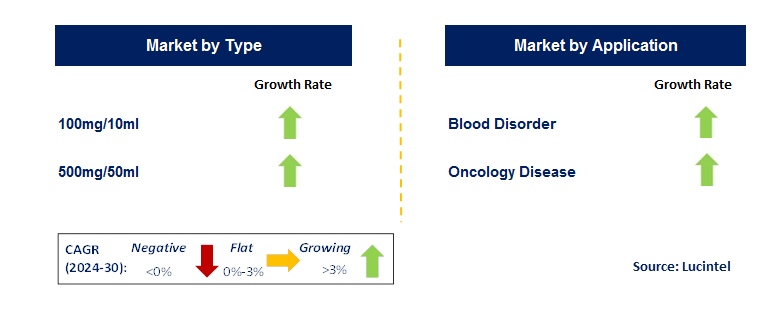
• Lucintel forecasts that, within the type category, 100mg/10ml is expected to witness higher growth over the forecast period.
• Within the application category, blood disorder is expected to witness higher growth over the forecast period.
• In terms of regions, Europe will remain the largest region over the forecast period.


• AbbVie
• Novartis
• Amgen
• Viatris
• Teva Pharmaceutical Industries
• Biogen
• Organon
• Merck
• Janssen Biotech
• LG Chem Q5. Which remicade biosimilar market segment will be the largest in future? Answer: Lucintel forecasts that 100mg/10ml is expected to witness higher growth over the forecast period. Q6. In remicade biosimilar market, which region is expected to be the largest in next 5 years? Answer: Europe will remain the largest region over the forecast period. Q.7 Do we receive customization in this report? Answer: Yes, Lucintel provides 10% customization without any additional cost.


Choose a license that fits your team. Instant PDF delivery.
Prices exclude taxes. Instant delivery. Custom licensing available on request.
Market Report · July 22, 2026
Market Report · July 22, 2026
Market Report · July 22, 2026
Trusted partner for strategic intelligence and business growth


Receive a complimentary market analysis tailored to your industry. Our analysts will identify key growth opportunities and competitive dynamics specific to your business.

Market size, growth rate, and key trend analysis for your specific sector.

Top competitor positioning and market share analysis.

Strategic recommendations backed by data-driven insights.
Get curated market intelligence and competitive moves straight to your inbox.
By subscribing, you agree to receive our monthly insights. Unsubscribe anytime.
Receive a complimentary market analysis tailored to your industry. Our analysts will identify key growth opportunities and competitive dynamics specific to your business.
Market size, growth rate, and key trend analysis for your specific sector.
Top competitor positioning and market share analysis.
Strategic recommendations backed by data-driven insights.
Get curated market intelligence, emerging trends, and competitive moves straight to your inbox each month.
By subscribing, you agree to receive our monthly insights. Unsubscribe anytime.
We'll send your sample report shortly.