
Report Feature
Public Transport Smart Cards Market Trends and Forecast
The technologies in the public transport smart cards market have undergone significant changes in recent years, with a shift from magnetic stripe cards to contactless smart cards, RFID smart cards, and smart chip cards. Magnetic stripe cards, once the standard, have given way to more secure and efficient technologies like RFID and contactless smart cards, which offer quicker transaction times, enhanced security, and reduced wear-and-tear. Smart chip cards, which provide more complex encryption and multi-application capabilities, are also gaining traction in the market. These advancements are largely driven by the need for faster, more secure payment solutions in public transportation systems and the growing demand for multi-modal transportation integration. This shift in technology is transforming the way public transport systems handle ticketing, payment, and customer experience, making them more streamlined and efficient.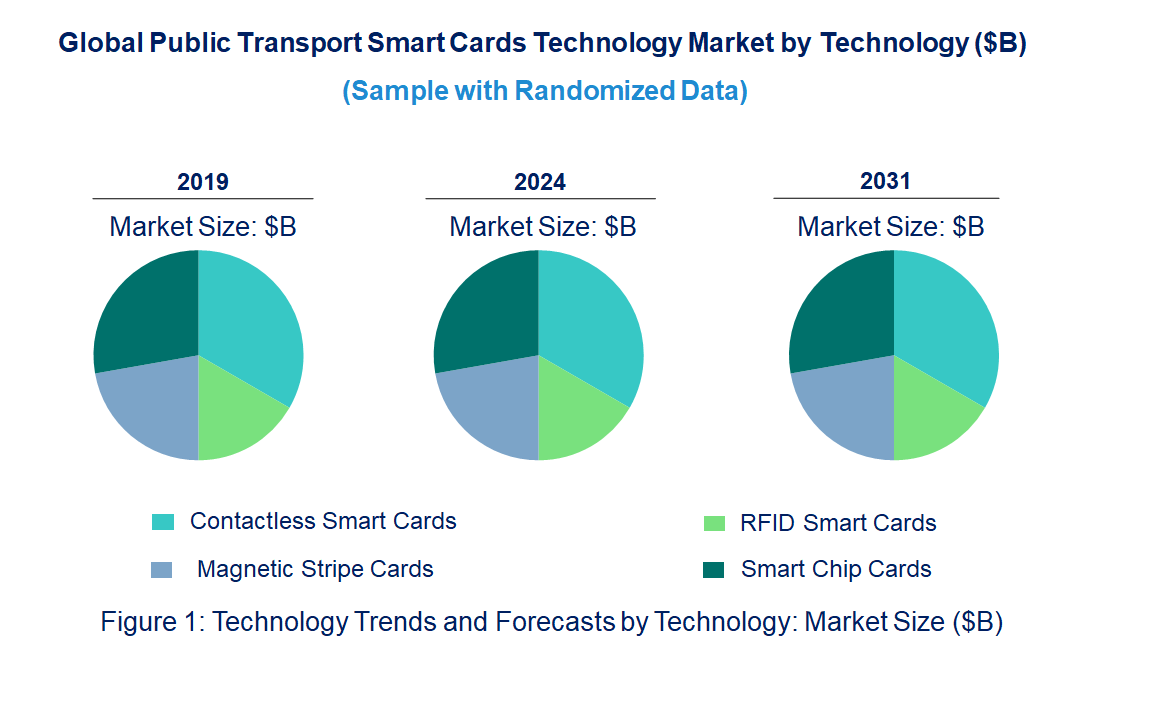
Emerging Trends in the Public Transport Smart Cards Market
The public transport smart cards market is witnessing several key trends that are reshaping the industry. These trends are primarily driven by advances in technology, changing consumer expectations, and the push for smarter cities.• Contactless Payment Systems: The growing adoption of contactless smart cards is revolutionizing public transport by offering faster, more secure transactions. This is particularly evident in major cities globally where contactless systems have become the norm.
• Integration with Mobile Payment Solutions: Smart cards are being integrated with mobile wallets and apps, enabling passengers to pay for their rides using smartphones, eliminating the need for physical cards.
• Enhanced Security Features: As data privacy concerns increase, smart cards are incorporating advanced encryption and biometric authentication features to ensure secure access and prevent fraud.
• Multi-Modal Transport Integration: Smart cards are evolving into multi-purpose payment solutions that can be used across different modes of public transport, such as buses, trains, and trams, creating a seamless user experience.
• Sustainability and Eco-Friendly Cards: With an increased focus on environmental sustainability, many public transport authorities are moving towards eco-friendly smart cards made from recycled materials or biodegradable components. These emerging trends highlight the shift toward faster, more secure, and eco-conscious payment systems, which are transforming the landscape of public transportation ticketing and payment.
Public Transport Smart Cards Market : Industry Potential, Technological Development, and Compliance Considerations
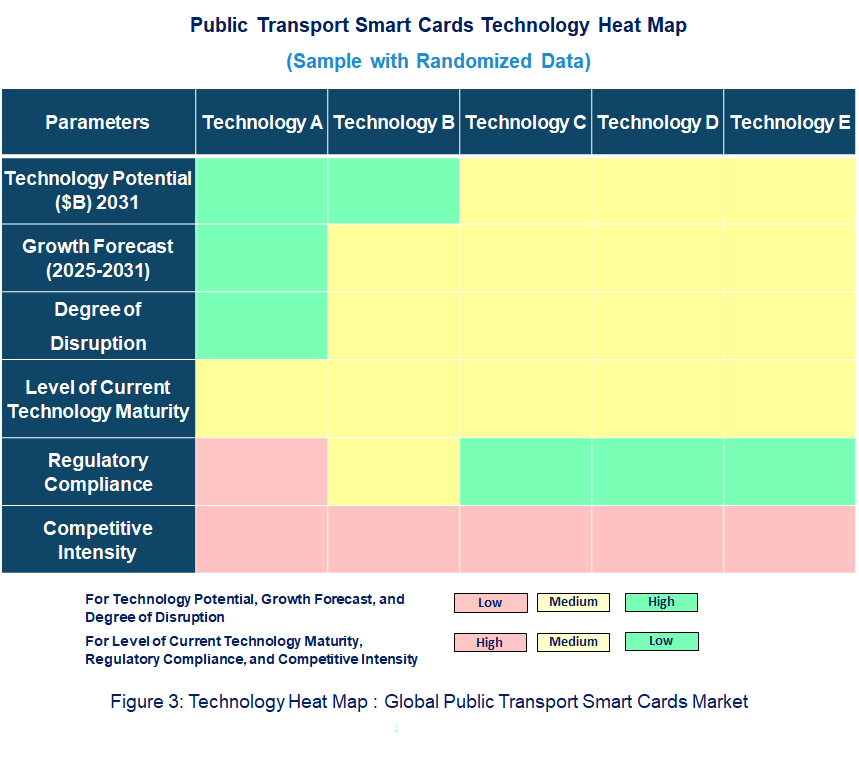
Public transport smart cards, using contactless technology such as RFID and NFC, have become essential for modernizing urban transportation systems. These cards enable secure, seamless fare collection, reducing congestion and improving operational efficiency.• Technology Potential: The potential of smart cards lies in their integration with broader smart city initiatives, offering benefits like data-driven insights for better resource allocation, contactless payments, and multi-modal transport integration. This technology could lead to a fully interconnected transport ecosystem, where commuters can use a single card or app for various public and private transit modes, including buses, trains, and even taxis.
• Degree of Disruption: Smart cards disrupt traditional ticketing systems by eliminating the need for paper tickets and cash transactions, leading to faster boarding and reduced fraud. They also enhance the user experience, making it easier to track travel patterns and optimize routes, ultimately reducing operational costs for transit authorities.
• Level of Current Technology Maturity: Smart card technology is widely adopted in many cities, especially in Europe, Asia, and North America, with systems that are highly functional and secure. However, full integration across different transit operators and global standardization remain challenges, as does ensuring seamless interoperability between various systems.
• Regulatory Compliance: Public transport smart cards must comply with data security regulations like GDPR in Europe and other regional standards. Compliance is essential to safeguard user privacy and ensure system reliability across diverse transit authorities. In conclusion, while the technology is mature and offers high potential for disruption, continued advancements and regulatory alignment will be critical to the widespread adoption of smart card systems in public transport.
Recent Technological development in Public Transport Smart Cards Market by Key Players
The public transport smart cards market has seen significant developments driven by advancements in technology, evolving customer needs, and the adoption of secure, convenient payment methods. Leading players such as Infineon Technologies, NXP Semiconductors, Texas Instruments, Oberthur Technologies, Giesecke & Devrient, Gemalto, and CPI Card are at the forefront of innovations, focusing on enhancing security, efficiency, and ease of use in public transport payment systems. These companies have contributed to the ongoing transformation of ticketing systems globally, catering to a growing demand for cashless, contactless, and multi-functional payment solutions.• Infineon Technologies: Infineon has made significant strides in the development of contactless chip solutions that enhance security and speed in transit systems. Their solutions focus on delivering high-performance, secure elements for smart cards, which are widely used in public transportation, improving the user experience with faster, safer transactions.
• NXP Semiconductors: NXP has been a key player in the adoption of RFID-based smart cards and payment solutions for public transport. Their RFID technology helps transit authorities increase operational efficiency and reduce costs while providing a smooth and secure travel experience for passengers.
• Texas Instruments: Texas Instruments is known for integrating microcontroller solutions in smart card systems, which enables fast and secure transactions. Their technology helps in reducing system complexity and improving the overall efficiency of ticketing and fare collection in public transport systems.
• Oberthur Technologies: Oberthur Technologies has introduced innovative multi-functional smart cards capable of handling multiple transport applications. Their solutions integrate payment functionality with access control, contributing to the convenience of passengers by offering a unified solution for multiple transport modes.
• Giesecke & Devrient: Giesecke & Devrient specializes in high-security smart card solutions, which are particularly useful for payment and identification in public transport systems. Their secure elements and mobile ticketing solutions help streamline fare collection processes while ensuring data privacy.
• Gemalto: Gemalto (now part of Thales Group) has developed cutting-edge solutions for public transport, including contactless smart cards that enable seamless and secure travel experiences. They focus on improving mobile wallet integration and introducing advanced encryption to further boost security.
• CPI Card: CPI Card has been a leader in providing custom-designed smart cards that offer enhanced durability and security. Their solutions are geared toward ensuring faster fare collection and helping transport authorities upgrade their ticketing systems to meet modern demands. These developments from key players highlight the ongoing innovation in the public transport smart cards market. With a focus on improving security, efficiency, and user convenience, these companies are contributing to the transformation of transport systems, making them smarter, more secure, and more user-friendly.
Public Transport Smart Cards Market Driver and Challenges
The public transport smart cards market is influenced by several key drivers and challenges that shape its growth and adoption. These drivers and challenges are closely linked to technological advancements, regulatory changes, and market demands. Understanding these factors is essential for assessing the market’s future trajectory. The factors responsible for driving the global public transport smart cards market are:• Increased demand for seamless and contactless payment solutions: With the rise of mobile wallets and the demand for quick, cashless payments, there is an increasing need for contactless smart cards that streamline the ticketing process.
• Government and policy support for smart cities: Governments globally are investing in smart city initiatives, which include the modernization of public transport systems using smart technologies like RFID and contactless cards, driving the adoption of these solutions.
• Rising security concerns in public transport systems: As fare collection and passenger data handling become more complex, the need for highly secure smart card systems with advanced encryption and fraud prevention mechanisms is driving innovation in the sector.
• Multi-modal transport integration: Public transport authorities are increasingly adopting multi-functional smart cards that can be used across various modes of transportation, making the overall transportation system more cohesive and user-friendly. Challenges facing the global public transport smart cards market are:
• High upfront investment costs: The implementation of advanced smart card systems requires substantial initial investments in infrastructure and technology, which may pose financial challenges for smaller transport providers.
• Interoperability between different transit systems: Compatibility between different smart card technologies across various transit operators and cities remains a significant hurdle, limiting the universal adoption of a single payment solution.
• Data privacy and cybersecurity risks: With the growing use of contactless smart cards and mobile wallets, concerns around data privacy and the protection of personal information have become key challenges for transit authorities. The drivers and challenges discussed highlight both the opportunities and obstacles in the public transport smart cards market. The increasing demand for contactless solutions, government support for smart cities, and the push for better security are fostering growth. However, the high initial investment, interoperability issues, and data privacy concerns need to be addressed for further adoption. Overcoming these challenges will pave the way for the broader implementation of efficient, secure, and user-friendly public transport systems globally.
List of Public Transport Smart Cards Companies
Companies in the market compete on the basis of product quality offered. Major players in this market focus on expanding their manufacturing facilities, R&D investments, infrastructural development, and leverage integration opportunities across the value chain. With these strategies public transport smart cards companies cater increasing demand, ensure competitive effectiveness, develop innovative products & technologies, reduce production costs, and expand their customer base. Some of the public transport smart cards companies profiled in this report includes.• Infineon Technologies
• Nxp Semiconductors
• Texas Instruments
• Oberthur Technologies
• Giesecke & Devrient
• Gemalto
Public Transport Smart Cards Market by Technology
• Technology Readiness by Technology Type: The technology readiness and competitive intensity of different public transport smart card technologies vary. Contactless smart cards are highly mature and widely adopted, offering a high level of readiness with seamless integration into modern transport networks. RFID smart cards are also well-established but face challenges in global standardization and interoperability, putting them at a moderate readiness level. Magnetic stripe cards are outdated, with limited readiness for new deployments, and are largely being phased out due to security concerns. Smart chip cards are highly ready, especially in regions that prioritize security, offering advanced functionalities such as multi-modal payment and access control. However, their higher cost and complexity slow adoption in comparison to simpler technologies.
• Competitive Intensity and Regulatory Compliance: The public transport smart cards competitive intensity for contactless smart cards is high, as they face competition from mobile payment systems, while RFID smart cards experience moderate competition, particularly in emerging markets. Magnetic stripe cards face diminishing competition as they are phased out, with regulatory pressure growing for their replacement due to security vulnerabilities. Smart chip cards encounter moderate to high competition but must adhere to stringent regulatory standards, such as EMV protocols and data protection laws, ensuring secure transactions and consumer privacy. Regulatory compliance is critical across all technologies to maintain user trust and system security.
• Disruption Potential by Technology Type: Contactless smart cards offer the highest disruption potential, enabling seamless, secure, and fast payment systems that are becoming the standard in modern urban transport. RFID smart cards also hold significant disruption potential, especially in large-scale deployments, due to their scalability and low cost. Magnetic stripe cards have low disruption potential as they are being replaced by more secure, efficient systems. Smart chip cards possess high disruption potential, thanks to their enhanced security and ability to serve multiple functions beyond fare collection, such as identity verification and payment in integrated systems, positioning them for broader adoption in smart city applications.
Public Transport Smart Cards Market Trend and Forecast by Technology [Value from 2019 to 2031]:
• Contactless Smart Cards
• RFID Smart Cards
• Magnetic Stripe Cards
• Smart Chip Cards
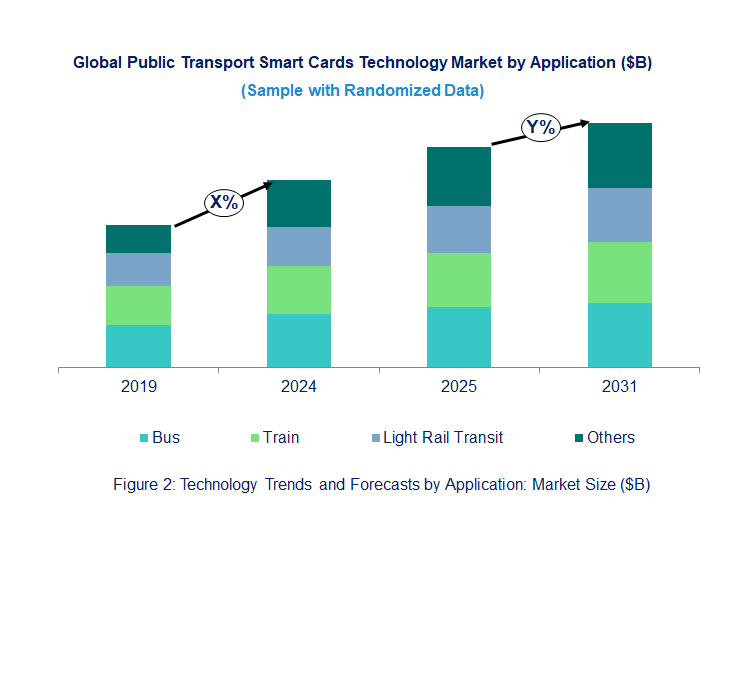
Public Transport Smart Cards Market Trend and Forecast by Application [Value from 2019 to 2031]:
• Bus
• Train
• Light Rail Transit
• Others
Public Transport Smart Cards Market by Region [Value from 2019 to 2031]:
• North America
• Europe
• Asia Pacific
• The Rest of the World
• Latest Developments and Innovations in the Public Transport Smart Cards Technologies
• Companies / Ecosystems
• Strategic Opportunities by Technology Type
Features of the Global Public Transport Smart Cards Market
Market Size Estimates: Public transport smart cards market size estimation in terms of ($B). Trend and Forecast Analysis: Market trends (2019 to 2024) and forecast (2025 to 2031) by various segments and regions. Segmentation Analysis: Technology trends in the global public transport smart cards market size by various segments, such as application and technology in terms of value and volume shipments. Regional Analysis: Technology trends in the global public transport smart cards market breakdown by North America, Europe, Asia Pacific, and the Rest of the World. Growth Opportunities: Analysis of growth opportunities in different end use industries, technologies, and regions for technology trends in the global public transport smart cards market. Strategic Analysis: This includes M&A, new product development, and competitive landscape for technology trends in the global public transport smart cards market. Analysis of competitive intensity of the industry based on Porter’s Five Forces model.Table of Contents
Methodology
- In-depth interviews of the major players in this market
- Detailed secondary research from competitors’ financial statements and published data
- Extensive searches of published works, market, and database information pertaining to industry news, company press releases, and customer intentions
- A compilation of the experiences, judgments, and insights of Lucintel’s professionals, who have analyzed and tracked this market over the years.


Buy Now
Choose a license that fits your team. Instant PDF delivery.
Prices exclude taxes. Instant delivery. Custom licensing available on request.
Key Questions
- • What are some of the most promising potential, high-growth opportunities for the technology trends in the global public transport smart cards market by technology (contactless smart cards, rfid smart cards, magnetic stripe cards, and smart chip cards), application (bus, train, light rail transit, and others), and region (North America, Europe, Asia Pacific, and the Rest of the World)?
- • Which technology segments will grow at a faster pace and why?
- • Which regions will grow at a faster pace and why?
- • What are the key factors affecting dynamics of different technology? What are the drivers and challenges of these technologies in the global public transport smart cards market?
- • What are the business risks and threats to the technology trends in the global public transport smart cards market?
- • What are the emerging trends in these material technologies in the global public transport smart cards market and the reasons behind them?
- • Which technologies have potential of disruption in this market?
- • What are the new developments in the technology trends in the global public transport smart cards market? Which companies are leading these developments?
- • Who are the major players in technology trends in the global public transport smart cards market? What strategic initiatives are being implemented by key players for business growth?
- • What are strategic growth opportunities in this public transport smart cards technology space?
- • What M & A activities did take place in the last five years in technology trends in the global public transport smart cards market?


