
Market Report · July 16, 2026

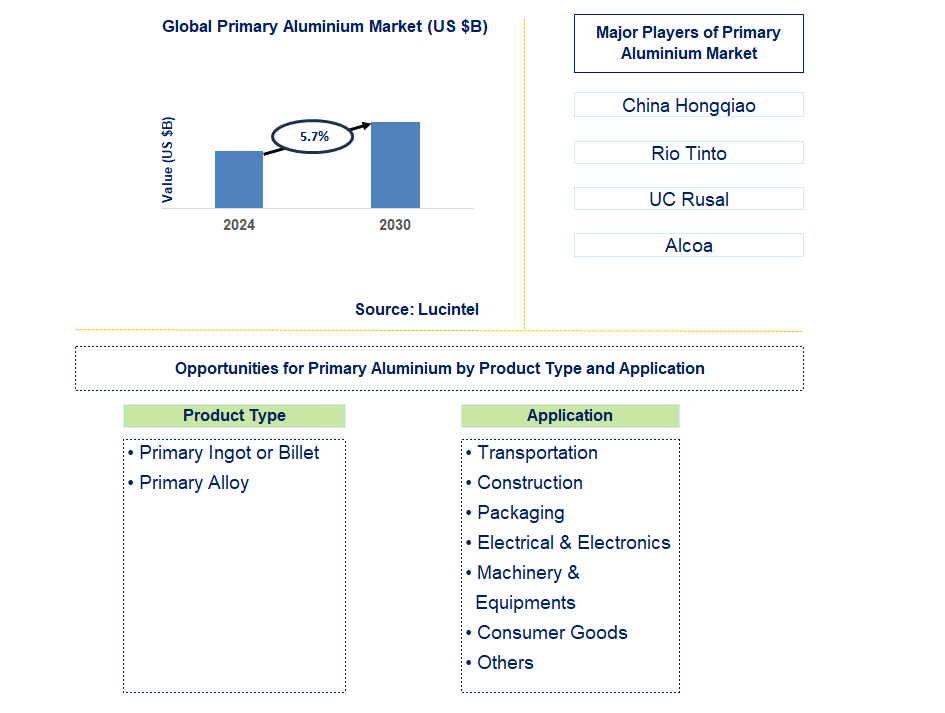
Key data points: The growth forecast = 5.7% annually for the next 6 years. Scroll below to get more insights. This market report covers trends, opportunities, and forecasts in the global primary aluminium market to 2030 by product type (primary ingot or billet and primary alloy), application (transportation, construction, packaging, electrical & electronics, machinery & equipments, consumer goods, and others), and region (North America, Europe, Asia Pacific, and the Rest of the World)
We'll send your sample report shortly.
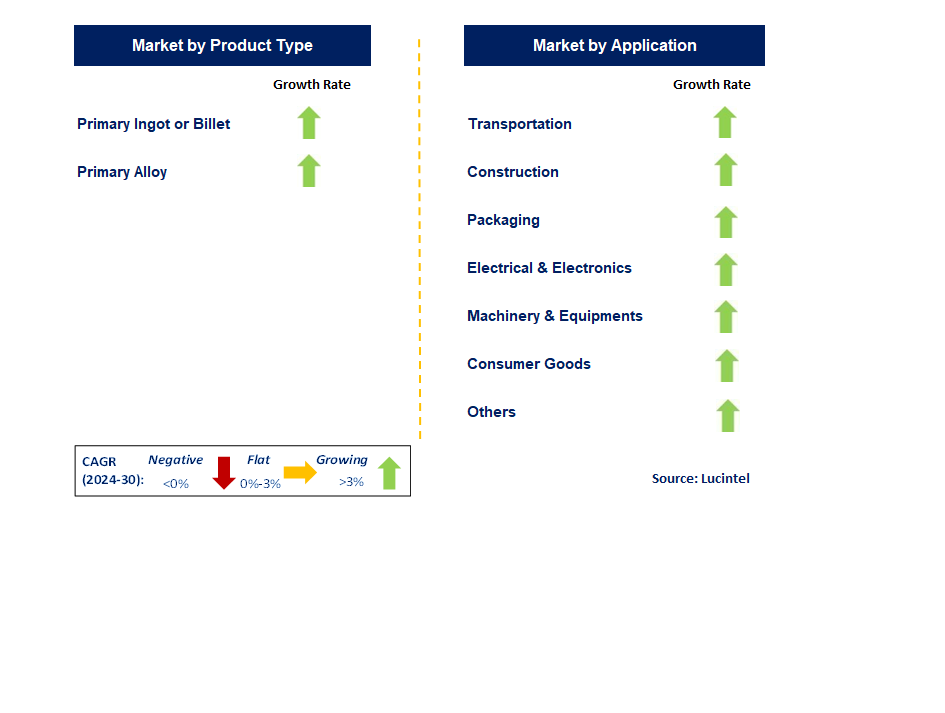
• Lucintel forecasts that, within the product type category, primary ingot or billet is expected to witness a higher growth over the forecast period.
• Within the application category, transportation will remain the largest segment due to high consumer demand for light and more fuel-efficient automobiles.
• In terms of regions, APAC is expected to witness highest growth over the forecast period due to growth of the construction industry and the expanding packaging applications. Gain valuable insight for your business decisions with our comprehensive 150+ page report. The primary aluminium market underwent a change owing to changing industrial requirements and market pressures. Recent developments in the United States, China, Germany, India, and Japan are changing production methods, environmental approaches, and the market itself.
• United States: In the environment of the aluminium production industry in the United States, there has been a shift towards reducing emissions. Some enterprises are developing cleaner technologies and improving energy efficiency within production processes and boosting investment into recycling centers to achieve sustainability targets.
• China: Currently, China still reigns supreme in terms of primary aluminium production output. However, recent efforts have been made towards reducing emissions and improving energy efficiency. The regional authority is passing tougher laws on limiting air pollution associated with construction activity and implementing new technologies and green energy sources for aluminium smelting.
• Germany: The government and businesses in Germany are heavily prioritizing the purchase and facilitation of new aluminium production technologies, which include green aluminium production technologies and the inorganic digitalization of production processes. Such undertakings aim at increasing power efficiency and lowering the environmental burden of aluminium production processes.
• India: There has been an increase in primary aluminium production in India owing to rising demand in the automotive and construction industries. Other recent activities include the expansion of production capabilities and the modernization of existing systems to improve efficiency and minimize damage to the environment.
• Japan: Japan focuses on efficient technologies for aluminium production, particularly new methods of working with reclaimed aluminium. There is progress in materials development and enhancement of aluminium production techniques to sustain the required high levels of quality and sustainability. Gain valuable insights for your business decisions with our 150+ page report.
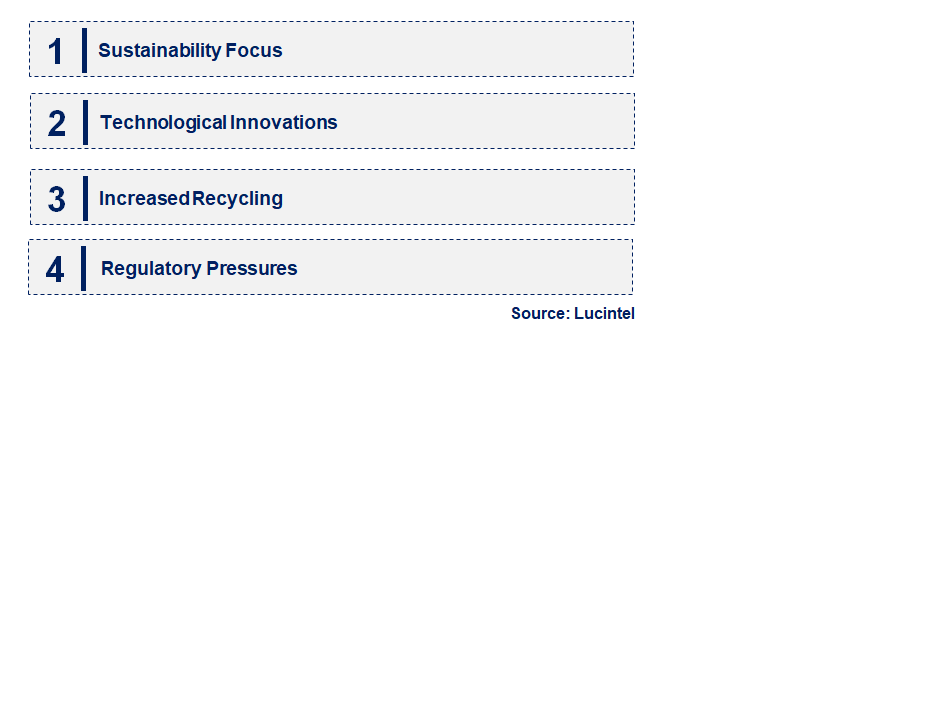
• Sustainability Focus: There has been an increase in concern about sustainability in the aluminium industry. Companies are seeking to comply with environmental regulations by adopting low-carbon technologies and waste recycling activities. This has exposed the world to new, healthy ways of conducting business.
• Technological Innovations: Changes in production techniques have altered the mode of operation and the quality of products. New tendencies are being endorsed in the electric sector, including infrastructure such as digitalization, automation, and energy-efficient processes in production. These improvements lower operational costs and enhance market competitiveness.
• Increased Recycling: Recycling of aluminium is quickly becoming a huge practice due to its economic and environmental advantages. The industry emphasizes closing the recycling loop to avoid making primary aluminium, achieve sustainability, and minimize wastage.
• Regulatory Pressures: The market is evolving due to constraining environmental laws. Corrections on emissions and the shift toward cleaner production techniques are being made in all regions, prompting the industry to adopt greener technologies and enhance perfection for new measures. These trends have significant impacts on market changes, such as the primary aluminium market taking a new direction in sustainable development, technology, recycling, regulatory compliance, and market integration. These emerging determinants are altering the way business is conducted within the industry and also determining how the market will look in the future.
• Green Aluminium Initiatives: In an effort to curtail carbon emissions, enterprises are pouring funds into green aluminium ventures. Such activities include the implementation of enhanced technology and the utilization of renewable energies for lower carbon production of aluminium, which enhances sustainable production practices.
• Enhanced Recycling Processes: Better utilization of recycled aluminium is being achieved through recyclables and other factors that improve the effectiveness of recycling processes. There is a shift towards implementing closed-loop recycling systems to reduce pollution and the excessive use of primary aluminium.
• Technological Upgrades: The industry has been implementing sophisticated technologies such as digitization within the production process. As a result of these improvements, companies are paying less in operational expenditures, while the quality of their products has notably improved, making them more competitive.
• Regulatory Compliance: A rise in environmental standards stems from the need to purify processes within the aluminium sector, which has long been considered dirty. New requirements embracing technology and process adjustments are necessitated as companies are forced to adhere to new standards relating to operations in any region. This is likely to affect the environment.
• Market Expansion in Emerging Economies: Recovery and growth in some economies are creating more opportunities for primary aluminium production and use. Firms are venturing into expanding the size of their facilities and capacities in these areas owing to the increasing appetite for construction and the automotive market. These trends are changing the structure of the primary aluminium market by encouraging sustainability, supporting innovation, improving recycling practices, following regulations, and diversifying into developing countries. These trends are determining what the future holds regarding aluminium production and consumption.
• Green Aluminium Production: The potential for investment in green aluminium production methods is huge. Firms that embrace low-carbon technologies and renewables can satisfy the growing need for stable products while being compliant with environmental issues.
• Expansion in Emerging Markets: Geographical expansion in developing economies characterized by booming industrial and building activities provides prospects to boost the sale of aluminium. Quick orientation to setting up production sites and sales networks will enable tailoring to the needs of such dynamically growing markets.
• High-Performance Alloys: The development of high-performance aluminium alloys intended for specialized applications, including aerospace and automobile industries, is likely to create growth in the company. New developments in alloy manufacturing may resolve distinct performance issues and help create new segments of the market.
• Recycling Infrastructure: Investing in efficient recycling processes helps reclaim materials from end users instead of making fresh aluminium. High aims for improving recycling capabilities while enhancing efficiency in the boiler institution should correspond with environmental sustainability initiatives.
• Technological Advancements: Technological improvements in automation, digitalization, and energy efficiency offer room for growth. Such technologies increase the effectiveness of production, limit expenses, and improve the quality of services—factors that help in positioning competitively within the market. These growth opportunities highlight potential areas for growth in the production of green aluminium through expanding geographical presence, expanding into new markets, better alloys, improving recycling processes, and technology. By concentrating on these aspects, enterprises will enhance their degree of innovation and penetrate additional market segments, resulting in market growth.
• Sustainability Initiatives: The sustainability trend demands green aluminium production and recycling technologies, which presents an opportunity for investment. Businesses are pursuing low-carbon techniques and renewable energy to comply with environmental objectives and regulations.
• Technological Advancements: The integration of automation and digitalization in production methods is boosting productivity and lowering expenses. These enhancements will result in higher product quality and product line competitiveness.
• Rising Demand in Customary Markets: It has been observed that primary aluminium is in demand due to increasing industrialization and infrastructural improvements in emerging markets. Companies are broadening the scope of their operations to take advantage of the growth potential in these regions.
• Benefits of Recycling: Recycled aluminium practices are becoming economically and environmentally advantageous, prompting more funding in recycling facilities. Resource recycling systems are helping with the efficiency of resources used as well as reducing the use of primary aluminium.
• Regulatory Compliance: For example, tight environmental regulations are compelling a shift to cleaner production technologies. Investment in new processes and technologies to adhere to the latest standards is being experienced. Challenges in the primary aluminium market are:
• High Production Costs: The price of raw materials, advanced production techniques, and production costs can be high, causing low prices and profits. It is a major issue in the industry to control production processes in terms of costs while ensuring the quality of products delivered.
• Environmental Regulations: There are many environmental laws in different countries, and it is not easy to comply with the requirements. Meeting these expectations involves a lot of costs and technological interventions to comply, increasing the complexity of operations. The primary aluminium market is propelled by sustainable development policies, technological progress, the increasing consumption in developing countries, the advantages of recycling, and adherence to legal requirements. On the other hand, high production costs, punitive environmental regulations, and global competition present serious drawbacks. The need to manage these drivers and challenges is important for efficient growth and establishment in the market.
• China Hongqiao
• Rio Tinto
• UC Rusal
• Alcoa
• Primary Ingot or Billet
• Primary Alloy
• Transportation
• Construction
• Packaging
• Electrical & Electronics
• Machinery & Equipments
• Consumer Goods
• Others
• North America
• Europe
• Asia Pacific
• The Rest of the World
• United States: In the environment of the aluminium production industry in the United States, there has been a shift towards reducing emissions. Some enterprises are developing cleaner technologies and improving energy efficiency within production processes and boosting investment into recycling centers to achieve sustainability targets.
• China: Currently, China still reigns supreme in terms of primary aluminium production output. However, recent efforts have been made towards reducing emissions and improving energy efficiency. The regional authority is passing tougher laws on limiting air pollution associated with construction activity and implementing new technologies and green energy sources for aluminium smelting.
• Germany: The government and businesses in Germany are heavily prioritizing the purchase and facilitation of new aluminium production technologies, which include green aluminium production technologies and the inorganic digitalization of production processes. Such undertakings aim at increasing power efficiency and lowering the environmental burden of aluminium production processes.
• India: There has been an increase in primary aluminium production in India owing to rising demand in the automotive and construction industries. Other recent activities include the expansion of production capabilities and the modernization of existing systems to improve efficiency and minimize damage to the environment.
• Japan: Japan focuses on efficient technologies for aluminium production, particularly new methods of working with reclaimed aluminium. There is progress in materials development and enhancement of aluminium production techniques to sustain the required high levels of quality and sustainability.


• China Hongqiao
• Rio Tinto
• UC Rusal
• Alcoa Q5. Which primary aluminium market segment will be the largest in future? Answer: Lucintel forecasts that primary ingot or billet is expected to witness the higher growth over the forecast period. Q6. In primary aluminium market, which region is expected to be the largest in next 5 years? Answer: APAC is expected to witness highest growth over the forecast period due to growth of the construction industry and the expanding packaging applications. Q.7 Do we receive customization in this report? Answer: Yes, Lucintel provides 10% customization without any additional cost.


Choose a license that fits your team. Instant PDF delivery.
Prices exclude taxes. Instant delivery. Custom licensing available on request.
Market Report · July 16, 2026
Market Report · May 18, 2026
Market Report · May 18, 2026
Trusted partner for strategic intelligence and business growth


Receive a complimentary market analysis tailored to your industry. Our analysts will identify key growth opportunities and competitive dynamics specific to your business.

Market size, growth rate, and key trend analysis for your specific sector.

Top competitor positioning and market share analysis.

Strategic recommendations backed by data-driven insights.
Get curated market intelligence and competitive moves straight to your inbox.
By subscribing, you agree to receive our monthly insights. Unsubscribe anytime.
Receive a complimentary market analysis tailored to your industry. Our analysts will identify key growth opportunities and competitive dynamics specific to your business.
Market size, growth rate, and key trend analysis for your specific sector.
Top competitor positioning and market share analysis.
Strategic recommendations backed by data-driven insights.
Get curated market intelligence, emerging trends, and competitive moves straight to your inbox each month.
By subscribing, you agree to receive our monthly insights. Unsubscribe anytime.
We'll send your sample report shortly.