
Market Report · July 31, 2026

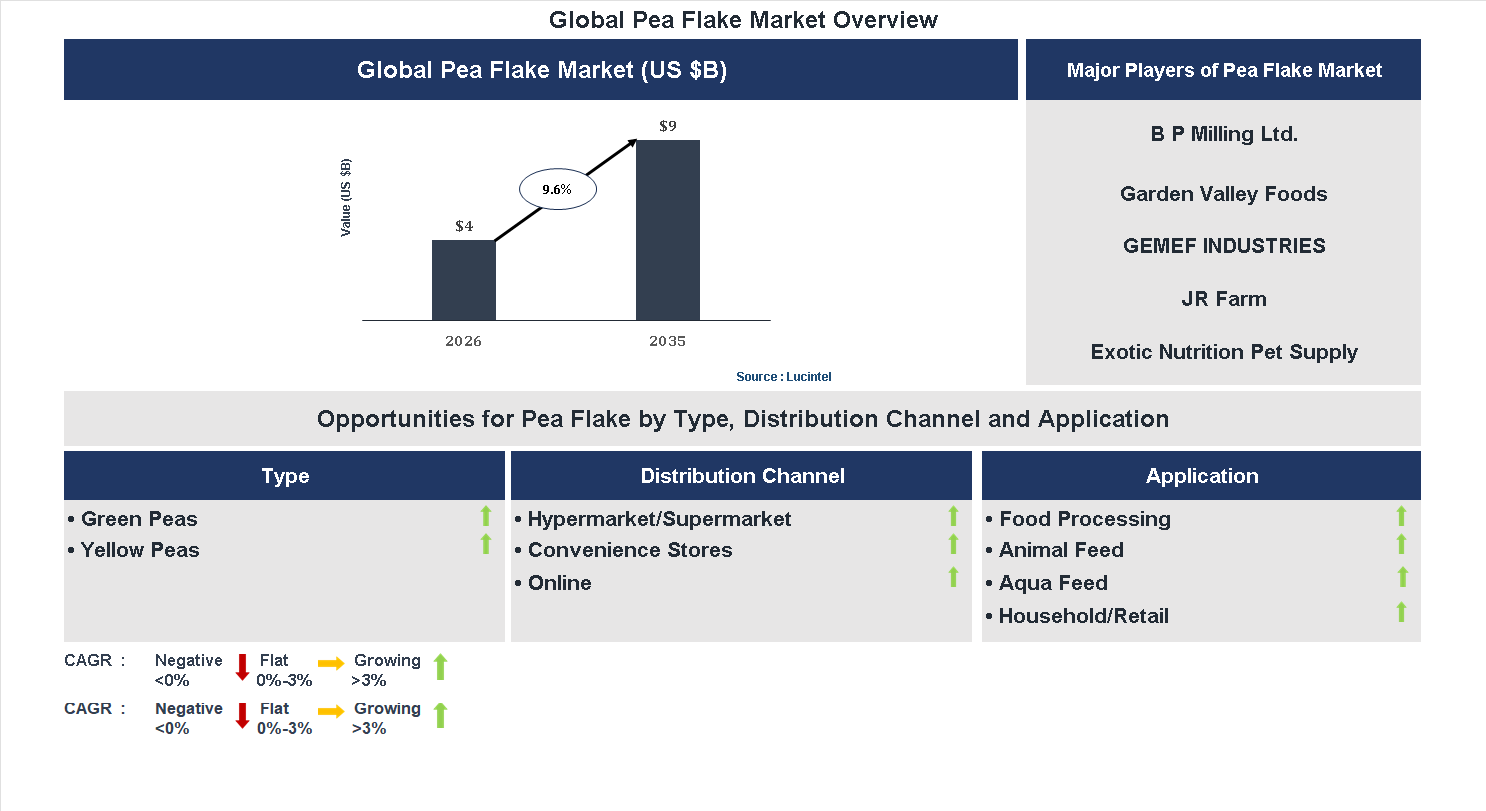
Key data points: The market size in 2035 = $9 billion, growth forecast = 9.6% annually for the next 8 years. Scroll below to get more insights. This market report covers trends, opportunities and forecasts in pea flake market to 2035 by type (green peas and yellow peas), distribution channel (hypermarket/supermarket, convenience stores, and online), application (food processing, animal feed, aqua feed, and household/retail), and region (North America, Europe, Asia Pacific, and the Rest of the World)
We'll send your sample report shortly.
• Lucintel forecasts that, within the type category, yellow pea is expected to witness higher growth over the forecast period.
• Within the application category, food processing is expected to witness the highest growth.
• In terms of region, APAC is expected to witness the highest growth over the forecast period. Gain valuable insights for your business decisions with our comprehensive 150+ page report. Sample figures with some insights are shown below.
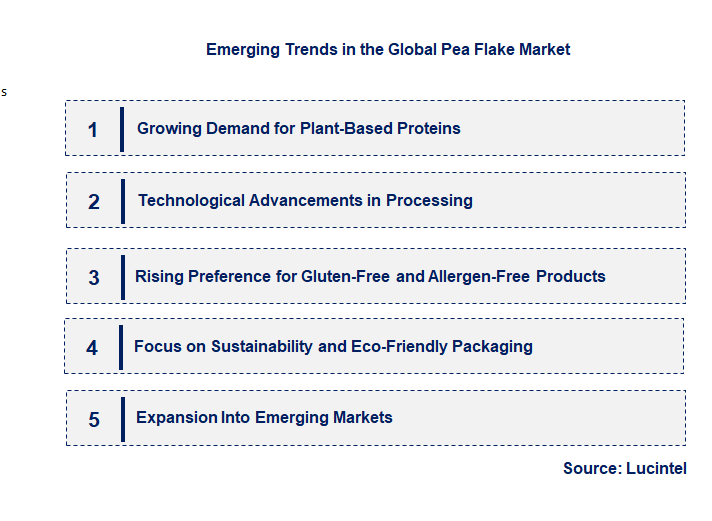
• Growing Demand for Plant-Based Proteins: The shift towards plant-based diets is significantly boosting pea flake consumption. Consumers seek nutritious, sustainable, and ethical food options, leading to increased adoption of pea flakes as a protein source. This trend is supported by the rise in vegan and vegetarian populations and the global push for environmentally friendly food choices. Manufacturers are developing innovative products like plant-based snacks, protein powders, and meal replacements, which incorporate pea flakes for their high protein content and clean-label appeal. This trend is expected to continue driving market growth and product diversification.
• Technological Advancements in Processing: Innovations in processing technologies, such as improved milling and extrusion techniques, are enhancing the quality and functionality of pea flakes. These advancements enable the production of finer, more versatile flakes suitable for various applications, including bakery, snacks, and beverages. Enhanced processing also reduces waste and energy consumption, making production more sustainable. As a result, manufacturers can offer higher-quality products with better nutritional profiles, meeting consumer expectations for clean-label and minimally processed foods. These technological improvements are crucial for maintaining competitive advantage and expanding product offerings.
• Rising Preference for Gluten-Free and Allergen-Free Products: The increasing prevalence of gluten intolerance, celiac disease, and food allergies is driving demand for gluten-free and allergen-free alternatives. Pea flakes, being naturally gluten-free and hypoallergenic, are gaining popularity in this segment. They are used in gluten-free baked goods, cereals, and snack foods, providing essential nutrients and texture. This trend is supported by the growing awareness of food sensitivities and the demand for transparent labeling. The market for allergen-free products is expanding rapidly, creating opportunities for pea flake manufacturers to cater to health-conscious and allergy-sensitive consumers.
• Focus on Sustainability and Eco-Friendly Packaging: Consumers are increasingly prioritizing sustainability in their purchasing decisions. The pea flake industry is responding by adopting eco-friendly practices, such as sustainable sourcing, biodegradable packaging, and reducing carbon footprints. These initiatives appeal to environmentally conscious consumers and enhance brand reputation. Companies are also investing in supply chain transparency and certifications to demonstrate their commitment to sustainability. This trend is reshaping market dynamics by encouraging responsible production and fostering consumer trust, ultimately driving sales and market share growth.
• Expansion into Emerging Markets: As awareness of plant-based and health foods grows globally, emerging markets in Asia, Africa, and Latin America present significant growth opportunities. These regions are witnessing rising disposable incomes, urbanization, and changing dietary preferences, which favor pea-based products. Companies are establishing local production facilities and forming strategic partnerships to penetrate these markets effectively. The expansion into emerging markets not only broadens the customer base but also diversifies revenue streams, making the market more resilient to regional economic fluctuations. This trend is pivotal for long-term growth and global market leadership. These emerging trends are collectively reshaping the pea flake market by fostering innovation, expanding consumer bases, and emphasizing sustainability. They are driving product diversification, enhancing market competitiveness, and opening new avenues for growth, positioning the industry for a dynamic and sustainable future.
• Growing Demand for Plant-Based Proteins: The rising popularity of vegetarian and vegan diets is boosting pea flakes adoption as a nutritious, sustainable protein source. Consumers seek alternatives to animal products, leading to increased sales in health foods, sports nutrition, and ready-to-eat meals. This trend is encouraging manufacturers to innovate with new formulations, expand distribution channels, and target niche markets, ultimately driving market growth and diversification.
• Technological Innovations in Processing: Advances in milling, extrusion, and drying technologies have improved pea flakes quality, texture, and shelf life. These innovations enable producers to create customized products with enhanced nutritional profiles and better sensory attributes. As a result, manufacturers can meet diverse consumer preferences, expand product applications, and reduce production costs, thereby strengthening their market position and fostering industry growth.
• Expansion into Food and Beverage Applications: Pea flakes are increasingly incorporated into cereals, snack bars, smoothies, and bakery products due to their high protein and fiber content. Food companies are leveraging these benefits to develop innovative, health-oriented products that appeal to a broad consumer base. This diversification into various segments is opening new revenue streams, increasing market penetration, and encouraging product innovation.
• Sustainability and Eco-Friendly Practices: The environmental benefits of pea cultivation, such as low water usage and nitrogen fixation, are attracting eco-conscious consumers and producers. Companies adopting sustainable sourcing and processing methods are gaining competitive advantages and meeting regulatory standards. These practices are enhancing brand reputation, expanding market share, and aligning with global sustainability goals, thus positively impacting the markets growth trajectory.
• Strategic Partnerships and Market Expansion: Collaborations between pea producers, ingredient suppliers, and food manufacturers are facilitating product development and distribution. Entry into emerging markets and investment in marketing campaigns are broadening consumer awareness and acceptance. These strategic moves are accelerating market expansion, increasing sales volumes, and fostering innovation, which collectively contribute to a robust growth outlook for the pea flake industry. The overall impact of these developments is a rapidly expanding market characterized by innovation, sustainability, and diverse application opportunities. Increased consumer interest in plant-based and health foods is driving demand, while technological and strategic advancements are enhancing product quality and market reach. This dynamic environment promises sustained growth, competitive advantages, and new opportunities for industry stakeholders.
• Growing Demand for Plant-Based Proteins: The rising popularity of vegetarian and vegan diets, along with health-conscious consumers seeking sustainable protein sources, is boosting pea flake consumption. Pea flakes are rich in protein, fiber, and essential nutrients, making them ideal for use in plant-based meat alternatives, snacks, and dairy substitutes. The shift towards clean-label and allergen-free products further accelerates market growth, with key segments including vegan snacks, protein powders, and meat replacers expanding rapidly.
• Expansion of Food and Beverage Applications: Pea flakes are increasingly incorporated into various food products such as cereals, bakery items, smoothies, and energy bars. Their functional properties, including binding and texture enhancement, make them suitable for fortification and formulation. The demand for clean-label, gluten-free, and high-protein foods is driving innovation, with applications in dairy-free yogurts, protein-enriched beverages, and snack foods gaining prominence, thereby broadening market scope.
• Rising Use in Animal Feed Industry: The pet food and livestock sectors are adopting pea flakes as a sustainable, cost-effective protein source. Pea flakes improve nutritional profiles and support digestive health in animals. The shift from traditional soy-based feeds to pea-based alternatives is driven by consumer preferences for non-GMO and allergen-free ingredients. This segment is expected to grow significantly, with opportunities in premium pet foods, aquaculture feeds, and organic livestock nutrition.
• Technological Innovations in Processing: Advances in milling, extrusion, and drying technologies are enhancing the quality, shelf life, and functional properties of pea flakes. These innovations enable the production of customized, high-quality ingredients tailored for specific applications. Improved processing methods also reduce costs and environmental impact, making pea flakes more accessible. The development of instant, ready-to-eat, and fortified products is further expanding market potential across various sectors.
• Regional Market Expansion and Strategic Partnerships: Emerging markets in Asia-Pacific, Latin America, and Africa present new growth avenues due to rising health awareness and urbanization. Companies are forming strategic alliances, joint ventures, and distribution agreements to penetrate these regions effectively. Local sourcing, product localization, and marketing strategies are key to capturing regional demand. This expansion enhances market reach, diversifies supply chains, and accelerates overall growth in the global pea flake industry. These growth opportunities collectively position the pea flake market for robust expansion, driven by consumer health trends, technological advancements, and regional development. The markets evolution will likely lead to increased innovation, product diversification, and global competitiveness, making it a vital segment within the plant-based and functional food industries.
• Technological Innovation: The development of advanced processing techniques enhances the quality and yield of pea flakes, making them more appealing to food manufacturers. Innovations such as improved extraction methods and automation reduce costs and increase scalability, enabling producers to meet growing demand efficiently. These technological advancements also facilitate the production of organic and non-GMO pea flakes, aligning with consumer preferences for healthier and sustainable options. As technology continues to evolve, it will further streamline production processes, reduce waste, and improve product consistency, thereby strengthening market competitiveness.
• Rising Demand for Plant-Based Proteins: Increasing awareness of health benefits and environmental concerns associated with animal-based products is fueling consumer shift towards plant-based diets. Pea flakes serve as a rich source of plant protein, making them a popular ingredient in vegetarian and vegan foods. The expanding vegan population and flexitarian consumers are driving demand across food and beverage sectors, including snacks, cereals, and meat substitutes. This trend is supported by the growth of health-conscious lifestyles and the desire for sustainable nutrition, positioning pea flakes as a key ingredient in the future of plant-based foods.
• Growing Health and Wellness Trends: Consumers are increasingly seeking nutritious, clean-label, and functional foods that promote health and well-being. Pea flakes are recognized for their high protein content, fiber, and low allergenicity, making them suitable for health-focused products. The demand for gluten-free, non-GMO, and allergen-free ingredients further boosts their appeal. Food manufacturers are incorporating pea flakes into a variety of products such as smoothies, energy bars, and bakery items to meet these consumer preferences. This health-driven demand is expected to continue propelling market growth as awareness around nutrition improves globally.
• Sustainability and Environmental Concerns: The shift towards sustainable agriculture and eco-friendly ingredients is a significant driver for the pea flake market. Peas require less water and fertilizers compared to other crops, making them an environmentally sustainable choice. The increasing emphasis on reducing carbon footprints and promoting plant-based diets aligns with the production of pea flakes. Governments and organizations are encouraging sustainable farming practices through incentives and regulations, which further supports market expansion. As consumers become more environmentally conscious, the demand for sustainably sourced pea flakes is likely to rise, reinforcing their position as an eco-friendly ingredient.
• Expansion of Food Processing Industry: The growth of the global food processing sector, including ready-to-eat, snack, and bakery products, is creating new opportunities for pea flakes. Food manufacturers are seeking versatile ingredients that can enhance nutritional profiles and meet consumer demands for innovative products. The ease of incorporating pea flakes into various formulations makes them attractive for product diversification. Additionally, the increasing popularity of functional foods and fortified products is encouraging manufacturers to include pea flakes as a key ingredient. This expansion is expected to sustain demand and foster innovation within the market. The challenges facing the pea flake market include:
• Supply Chain Disruptions: The market faces risks from disruptions in the supply chain, including fluctuations in pea crop yields due to weather conditions, pests, and disease outbreaks. These factors can lead to inconsistent raw material availability and price volatility, impacting production schedules and profitability. Additionally, logistical challenges such as transportation delays and trade restrictions can hinder timely delivery of raw materials and finished products. Such disruptions can reduce market stability and increase costs, making it difficult for producers to meet rising demand and maintain competitive pricing.
• Regulatory and Quality Standards: Stringent food safety regulations and quality standards pose challenges for market players. Compliance with diverse regional regulations regarding labeling, ingredient sourcing, and processing methods requires significant investment and operational adjustments. Non-compliance can result in product recalls, legal penalties, and damage to brand reputation. Moreover, establishing consistent quality across different batches and suppliers is complex, especially when sourcing from multiple regions. Navigating these regulatory landscapes is essential but can be resource-intensive, potentially limiting market entry and expansion.
• Market Competition and Price Pressures: The increasing number of producers and suppliers intensifies competition within the pea flake industry. Price wars and margin pressures can hinder profitability, especially for smaller players. Additionally, substitutes such as other plant-based ingredients or alternative protein sources may challenge pea flakes market share. Fluctuations in raw material costs and consumer price sensitivity further complicate pricing strategies. Maintaining product differentiation and cost efficiency is crucial for sustaining growth amid competitive pressures, but it remains a significant challenge for industry stakeholders. The pea flake market is shaped by technological advancements, rising consumer demand for plant-based and healthy foods, sustainability initiatives, and expanding food processing industries. However, it faces challenges such as supply chain disruptions, regulatory hurdles, and intense competition. These drivers and challenges collectively influence market dynamics, requiring stakeholders to innovate, adapt, and strategize effectively. The ongoing evolution of consumer preferences and regulatory landscapes will continue to impact growth prospects, emphasizing the importance of resilience and sustainability in this industry.
• B P Milling Ltd.
• Garden Valley Foods
• GEMEF INDUSTRIES
• JR Farm
• Exotic Nutrition Pet Supply
• Inland Empire Foods Inc.
• Wheeeky Pets
• Green Peas
• Yellow Peas
• Hypermarket/Supermarket
• Convenience Stores
• Online
• Food Processing
• Animal Feed
• Aqua Feed
• Household/Retail
• North America
• Europe
• Asia Pacific
• The Rest of the World
• United States: The U.S. market has seen rapid growth with increased adoption of pea flakes in plant-based foods, snacks, and protein supplements. Innovations in processing technology have improved product quality and shelf life. Major companies are investing in sustainable sourcing and expanding product lines to meet consumer demand for clean-label and allergen-free options. The rise of vegan and vegetarian diets continues to drive market expansion, supported by favorable regulatory policies and health trends.
• China: China is experiencing a surge in plant-based protein consumption, with pea flakes gaining popularity in traditional and modern food products. The market benefits from a large vegetarian population and increasing awareness of sustainable diets. Local manufacturers are investing in advanced processing techniques to improve product texture and nutritional profile. Government initiatives promoting sustainable agriculture and food security are also supporting market growth, alongside rising exports of pea-based ingredients.
• Germany: Germanys market is characterized by a strong focus on organic and natural products, with pea flakes increasingly incorporated into gluten-free and vegan foods. The country emphasizes sustainable sourcing and environmentally friendly production methods. Consumer preferences for clean-label ingredients and functional foods are driving innovation. Several startups and established companies are collaborating to develop novel applications, including bakery and snack products, boosting market competitiveness.
• India: The Indian market is witnessing rapid growth due to rising health awareness and the shift towards plant-based diets. Pea flakes are being integrated into traditional snacks, breakfast cereals, and protein supplements. Local farmers are adopting sustainable cultivation practices, supported by government schemes. The expanding middle class and urbanization are fueling demand for convenient, nutritious foods. Market players are focusing on affordable pricing and product diversification to capture a broader consumer base.
• Japan: Japans market shows increasing interest in plant-based and functional foods, with pea flakes gaining traction in health-conscious segments. The focus is on high-quality, minimally processed products that cater to aging populations seeking nutritious options. Innovative applications include energy bars and meal replacements. Companies are investing in R&D to enhance product texture and flavor, aligning with Japans preference for premium, natural ingredients. Regulatory support for sustainable agriculture further encourages market development.


• B P Milling Ltd.
• Garden Valley Foods
• GEMEF INDUSTRIES
• JR Farm
• Exotic Nutrition Pet Supply
• Inland Empire Foods Inc.
• Wheeeky Pets Q6. Which pea flake market segment will be the largest in future? Answer: Lucintel forecasts that, within the type category, yellow pea is expected to witness higher growth over the forecast period. Q7. In pea flake market, which region is expected to be the largest in next 8 years? Answer: In terms of region, APAC is expected to witness the highest growth over the forecast period. Q8. Do we receive customization in this report? Answer: Yes, Lucintel provides 10% customization without any additional cost.


Choose a license that fits your team. Instant PDF delivery.
Prices exclude taxes. Instant delivery. Custom licensing available on request.
Market Report · July 31, 2026
Market Report · July 31, 2026
Market Report · July 31, 2026
Trusted partner for strategic intelligence and business growth


Receive a complimentary market analysis tailored to your industry. Our analysts will identify key growth opportunities and competitive dynamics specific to your business.

Market size, growth rate, and key trend analysis for your specific sector.

Top competitor positioning and market share analysis.

Strategic recommendations backed by data-driven insights.
Get curated market intelligence and competitive moves straight to your inbox.
By subscribing, you agree to receive our monthly insights. Unsubscribe anytime.
Receive a complimentary market analysis tailored to your industry. Our analysts will identify key growth opportunities and competitive dynamics specific to your business.
Market size, growth rate, and key trend analysis for your specific sector.
Top competitor positioning and market share analysis.
Strategic recommendations backed by data-driven insights.
Get curated market intelligence, emerging trends, and competitive moves straight to your inbox each month.
By subscribing, you agree to receive our monthly insights. Unsubscribe anytime.
We'll send your sample report shortly.