
Market Report · July 22, 2026

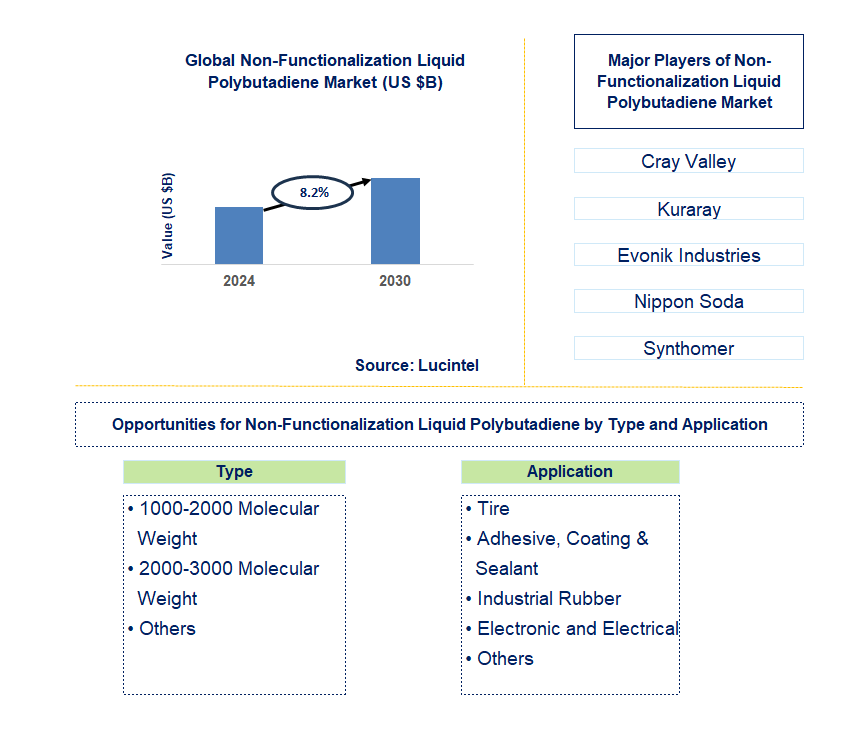
Key data points: The growth forecast = 8.2% annually for the next 6 years. Scroll below to get more insights. This market report covers trends, opportunities, and forecasts in the global non-functionalization liquid polybutadiene market to 2030 by type (1000-2000 molecular weight, 2000-3000 molecular weight, and others), application (tire, adhesive, coating & sealant, industrial rubber, electronic and electrical, and others), and region (North America, Europe, Asia Pacific, and the Rest of the World)
We'll send your sample report shortly.
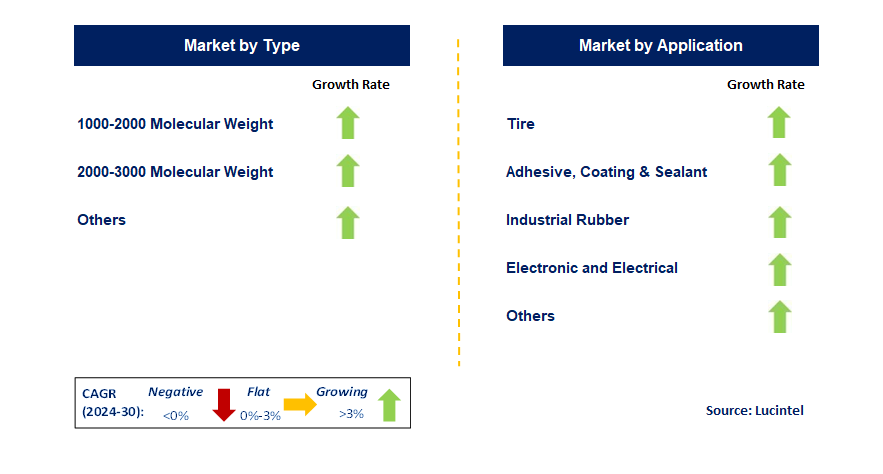
• Lucintel forecasts that, within the type category, 1000-2000 molecular weight is expected to witness higher growth over the forecast period.
• Within the application category, the tire is expected to witness the highest growth.
• In terms of regions, APAC is expected to witness the highest growth over the forecast period. A more than 150-page report is developed to help in your business decisions.
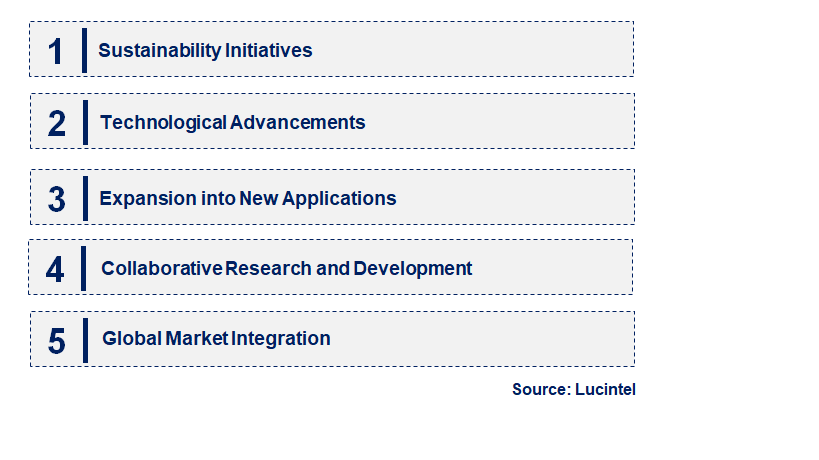
• Sustainability Initiatives: There is a growing emphasis on sustainability in the production of non-functionalization liquid polybutadiene. Manufacturers are increasingly adopting eco-friendly practices, such as using bio-based feedstocks and implementing waste reduction strategies. This trend is driven by regulatory pressures and consumer demand for greener products. Companies that invest in sustainable technologies not only improve their market competitiveness but also contribute to broader environmental goals.
• Technological Advancements: Innovations in polymerization techniques are enhancing the performance characteristics of liquid polybutadiene. Advanced processes, such as controlled radical polymerization, allow for precise control over molecular weight and architecture. These technological advancements enable the development of specialized products that meet specific industry needs, fostering market growth. Continued investment in R&D is crucial for maintaining competitive advantages in this rapidly evolving landscape.
• Expansion into New Applications: The versatility of non-functionalization liquid polybutadiene is leading to its adoption in a wider range of applications, including electronics, coatings, and medical devices. As industries seek high-performance materials with unique properties, the demand for polybutadiene is expected to grow. Manufacturers are actively exploring these new market segments, which could significantly enhance revenue streams and market reach.
• Collaborative Research and Development: Collaborative efforts between industry players and research institutions are driving innovation in the non-functionalization liquid polybutadiene market. These partnerships focus on developing new formulations and applications, leveraging shared expertise and resources. Such collaborations can accelerate the commercialization of advanced materials, enhancing competitiveness and fostering technological breakthroughs that address evolving market demands.
• Global Market Integration: The integration of global markets is reshaping the non-functionalization liquid polybutadiene landscape. As manufacturers seek to expand their reach, international collaborations and joint ventures are becoming more common. This trend facilitates knowledge sharing, access to new markets, and enhanced supply chain efficiency. Companies that embrace this global integration can leverage diverse opportunities and strengthen their position in the market. The non-functionalization liquid polybutadiene market is undergoing significant developments across key regions, driven by advancements in technology, sustainability initiatives, and the expansion into new applications. As industries increasingly prioritize eco-friendly practices and innovative materials, the market is poised for growth. Understanding emerging trends will be essential for stakeholders looking to navigate this evolving landscape and capitalize on new opportunities in the years to come.
• Enhanced Production Technologies: Recent advancements in production technologies have significantly improved the efficiency and quality of non-functionalization liquid polybutadiene. Manufacturers are adopting cutting-edge polymerization techniques that enable better control over molecular weight and structure. This results in products with enhanced properties, such as improved viscosity and resilience, making them more suitable for a wider range of applications, particularly in the automotive and industrial sectors.
• Increased Demand in Automotive Applications: The automotive industry continues to be a major driver of growth for the non-functionalization liquid polybutadiene market. As automakers seek lightweight and high-performance materials to improve fuel efficiency and reduce emissions, liquid polybutadiene is being increasingly used in tire manufacturing and other components. This trend is further fueled by the shift towards electric vehicles, which require advanced materials that can withstand rigorous performance standards.
• Sustainability Initiatives: Sustainability is becoming a critical focus for manufacturers in the non-functionalization liquid polybutadiene market. Companies are exploring bio-based feedstocks and environmentally friendly production processes to reduce their carbon footprint. This shift not only aligns with global environmental goals but also meets the rising consumer demand for sustainable products. Manufacturers investing in these initiatives can enhance their market positioning and appeal to environmentally conscious customers.
• Expansion into New Markets: Manufacturers are actively seeking to expand the applications of non-functionalization liquid polybutadiene beyond traditional sectors. New markets such as electronics, coatings, and adhesives are being explored, driven by the material’s versatility and performance characteristics. This diversification allows companies to tap into emerging opportunities and mitigate risks associated with reliance on a single industry, thus fostering long-term growth.
• Collaborative R&D Efforts: Collaborative research and development efforts between industry players and academic institutions are becoming increasingly common in the non-functionalization liquid polybutadiene market. These partnerships focus on innovation and the development of new formulations tailored to specific applications. By pooling resources and expertise, companies can accelerate the commercialization of advanced materials, driving competitiveness and fostering innovation in an ever-evolving market landscape. The non-functionalization liquid polybutadiene market is on a transformative path, characterized by advancements in production technologies, increasing automotive applications, and a strong emphasis on sustainability. As manufacturers explore new markets and engage in collaborative efforts, the sector is poised for continued growth. These developments not only reflect the changing dynamics of the industry but also position non-functionalization liquid polybutadiene as a critical material in meeting future performance and sustainability standards.
• Automotive Sector: The automotive industry represents a major growth opportunity for non-functionalization liquid polybutadiene, particularly in the production of tires and seals. With the increasing demand for lightweight materials to improve fuel efficiency and reduce emissions, polybutadiene’s properties, such as flexibility and resilience, are becoming essential. Additionally, the rise of electric vehicles, which require advanced materials for components and batteries, offers further avenues for innovation and market penetration.
• Adhesives and Sealants: Non-functionalization liquid polybutadiene is gaining traction in the adhesives and sealants market due to its excellent bonding properties and flexibility. As industries move toward more durable and high-performance adhesive solutions, there is an opportunity to develop specialized formulations that cater to specific applications, such as construction, automotive assembly, and packaging. This segment is expected to grow as manufacturers seek reliable and effective bonding agents.
• Coatings and Paints: The coatings and paints industry presents significant growth potential for non-functionalization liquid polybutadiene. Its ability to enhance the durability and elasticity of coatings makes it an attractive additive. As demand for high-performance coatings rises—particularly in sectors like automotive, aerospace, and industrial applications—there is an opportunity to innovate formulations that meet stringent regulatory and performance requirements, fostering increased adoption.
• Electronics: In the electronics sector, non-functionalization liquid polybutadiene can be utilized in applications such as encapsulation, coatings, and as a component in circuit boards. The trend towards miniaturization and lightweight components in consumer electronics and automotive electronics creates demand for materials that can provide excellent thermal and mechanical properties. This offers a unique growth opportunity for manufacturers to develop specialized products that cater to this evolving market.
• Consumer Goods: The consumer goods sector is increasingly recognizing the benefits of non-functionalization liquid polybutadiene in products such as flexible packaging, toys, and home goods. Its versatility and ability to improve product durability make it a valuable material. As sustainability becomes a key consideration, developing eco-friendly formulations will further enhance its appeal in this market, allowing manufacturers to tap into the growing demand for sustainable consumer products. The non-functionalization liquid polybutadiene market is set to capitalize on numerous growth opportunities across key applications. By focusing on sectors like automotive, adhesives, coatings, electronics, and consumer goods, manufacturers can leverage the material’s unique properties to develop innovative solutions that meet the evolving demands of various industries. Emphasizing sustainability and performance will be crucial for capturing market share and driving long-term growth.
• Growing Demand in Automotive Applications: The automotive industry is a significant driver of growth for non-functionalization liquid polybutadiene, as manufacturers seek lightweight and high-performance materials to enhance fuel efficiency and reduce emissions. The increasing adoption of electric vehicles also fuels demand, as these vehicles require advanced materials for batteries and components. Polybutadiene’s excellent properties, such as flexibility and resilience, make it ideal for applications in tires and seals, further bolstering its demand in this sector.
• Technological Advancements in Production: Innovations in polymerization technologies and production methods are enhancing the quality and efficiency of non-functionalization liquid polybutadiene. Techniques such as continuous processing allow for better control over the polymer's properties, resulting in superior products that meet specific industry requirements. These advancements not only improve production efficiency but also enable the development of customized formulations, catering to the diverse needs of various applications and fostering market growth.
• Sustainability Trends: The increasing emphasis on sustainability is driving manufacturers to explore eco-friendly practices and bio-based alternatives in the production of non-functionalization liquid polybutadiene. As consumers and regulatory bodies prioritize environmentally responsible products, companies adopting sustainable practices can enhance their market appeal. This trend not only aligns with global environmental goals but also meets the growing demand for greener materials across various industries, thereby supporting market expansion.
• Expansion into New Applications: The versatility of non-functionalization liquid polybutadiene opens up new opportunities across various sectors, including electronics, coatings, and consumer goods. As manufacturers seek high-performance materials for specialized applications, the demand for polybutadiene is expected to grow. This diversification allows companies to tap into emerging markets and reduces dependency on traditional sectors, ultimately driving long-term growth.
• Collaborative Research and Development: Collaborative efforts between industry players and research institutions are fostering innovation in the non-functionalization liquid polybutadiene market. These partnerships facilitate knowledge sharing and resource pooling, leading to the development of advanced formulations and technologies. By leveraging diverse expertise, companies can accelerate product development and enhance their competitive edge in an increasingly dynamic market. Challenges in the non-functionalization liquid polybutadiene market are:
• Environmental Regulations: Stringent environmental regulations pose a significant challenge for the non-functionalization liquid polybutadiene market. Compliance with these regulations can increase production costs and limit the use of certain materials and processes. Manufacturers must invest in research and development to create sustainable solutions that meet regulatory standards, which can be both time-consuming and costly, potentially hindering market growth.
• Fluctuating Raw Material Prices: The volatility of raw material prices can significantly impact the profitability of non-functionalization liquid polybutadiene manufacturers. Price fluctuations can arise from supply chain disruptions, geopolitical factors, or changes in demand. Such instability makes it challenging for companies to maintain consistent pricing and profitability, necessitating strategic sourcing and inventory management to mitigate risks.
• Market Competition: The non-functionalization liquid polybutadiene market is becoming increasingly competitive, with numerous players vying for market share. This competition can lead to price wars and reduced profit margins, forcing companies to continuously innovate and differentiate their products. Maintaining a competitive edge in such a crowded marketplace requires significant investment in R&D and marketing strategies, which can strain resources for some manufacturers. The non-functionalization liquid polybutadiene market is shaped by a complex interplay of drivers and challenges. While factors such as growing demand in automotive applications and technological advancements present significant opportunities for growth, challenges like environmental regulations and fluctuating raw material prices require careful navigation. By understanding these dynamics, stakeholders can develop strategies to leverage opportunities while addressing the challenges that may arise in this evolving market landscape.
• Cray Valley
• Kuraray
• Evonik Industries
• Nippon Soda
• Synthomer
• 1000-2000 Molecular Weight
• 2000-3000 Molecular Weight
• Others
• Tire
• Adhesive, Coating & Sealant
• Industrial Rubber
• Electronic and Electrical
• Others
• North America
• Europe
• Asia Pacific
• The Rest of the World
• United States: In the United States, the non-functionalization liquid polybutadiene market has seen increased adoption in the automotive sector due to its excellent properties, such as low viscosity and high resilience. Major manufacturers are focusing on R&D to enhance the performance of polybutadiene in tire manufacturing, leading to improved fuel efficiency and durability. Additionally, there is a growing trend toward sustainable practices, prompting companies to explore bio-based alternatives and recycling initiatives. Collaborative efforts between industry leaders and research institutions are expected to drive innovation further, positioning the U.S. as a leader in this specialized market.
• China: China’s non-functionalization liquid polybutadiene market is experiencing rapid growth, fueled by the country's booming automotive and consumer goods sectors. The government’s emphasis on upgrading manufacturing capabilities has led to increased investments in production technologies, enhancing the quality and performance of polybutadiene products. Additionally, local manufacturers are expanding their product offerings to meet the rising demand for specialty applications in electronics and coatings. The focus on environmentally friendly materials is also gaining traction, with several companies exploring sustainable production methods and formulations that reduce environmental impact.
• Germany: Germany remains a strong player in the non-functionalization liquid polybutadiene market, particularly in the automotive and chemical industries. Innovations in formulation technology have allowed manufacturers to produce polybutadiene with tailored properties, enhancing its application in high-performance tires and sealants. Additionally, Germany’s stringent environmental regulations are driving the adoption of greener production processes, including the development of bio-based polybutadiene. Collaborations between industry and academia are fostering advancements in material science, which are crucial for maintaining Germany's competitive edge in the global market.
• India: In India, the non-functionalization liquid polybutadiene market is gaining momentum, primarily due to increasing demand from the automotive and construction sectors. Local manufacturers are investing in modernizing production facilities to enhance quality and efficiency. The government's push for infrastructure development and electric vehicles is also expected to spur demand for high-performance polymers. Furthermore, as Indian companies explore export opportunities, there is a growing interest in developing specialized formulations that cater to international standards and applications, marking a significant step in the country’s industrial growth.
• Japan: Japan’s non-functionalization liquid polybutadiene market is characterized by innovation and high-quality production standards. Japanese manufacturers are leveraging advanced polymerization technologies to improve product performance, particularly in applications such as adhesives and coatings. The automotive industry’s focus on lightweight materials is driving the demand for polybutadiene, leading to collaborations between material suppliers and automakers to develop new solutions. Additionally, sustainability is becoming a key focus, with several companies investing in research to create eco-friendly products and processes, aligning with Japan’s commitment to environmental responsibility.


• Cray Valley
• Kuraray
• Evonik Industries
• Nippon Soda
• Synthomer Q5. Which non-functionalization liquid polybutadiene market segment will be the largest in future? Answer: Lucintel forecasts that 1000-2000 molecular weight is expected to witness the higher growth over the forecast period. Q6. In non-functionalization liquid polybutadiene market, which region is expected to be the largest in next 5 years? Answer: APAC is expected to witness the highest growth over the forecast period. Q7. Do we receive customization in this report? Answer: Yes, Lucintel provides 10% customization without any additional cost.


Choose a license that fits your team. Instant PDF delivery.
Prices exclude taxes. Instant delivery. Custom licensing available on request.
Market Report · July 22, 2026
Market Report · July 22, 2026
Market Report · July 22, 2026
Trusted partner for strategic intelligence and business growth


Receive a complimentary market analysis tailored to your industry. Our analysts will identify key growth opportunities and competitive dynamics specific to your business.

Market size, growth rate, and key trend analysis for your specific sector.

Top competitor positioning and market share analysis.

Strategic recommendations backed by data-driven insights.
Get curated market intelligence and competitive moves straight to your inbox.
By subscribing, you agree to receive our monthly insights. Unsubscribe anytime.
Receive a complimentary market analysis tailored to your industry. Our analysts will identify key growth opportunities and competitive dynamics specific to your business.
Market size, growth rate, and key trend analysis for your specific sector.
Top competitor positioning and market share analysis.
Strategic recommendations backed by data-driven insights.
Get curated market intelligence, emerging trends, and competitive moves straight to your inbox each month.
By subscribing, you agree to receive our monthly insights. Unsubscribe anytime.
We'll send your sample report shortly.