
Report Feature
Nap Pod Market Trends and Forecast
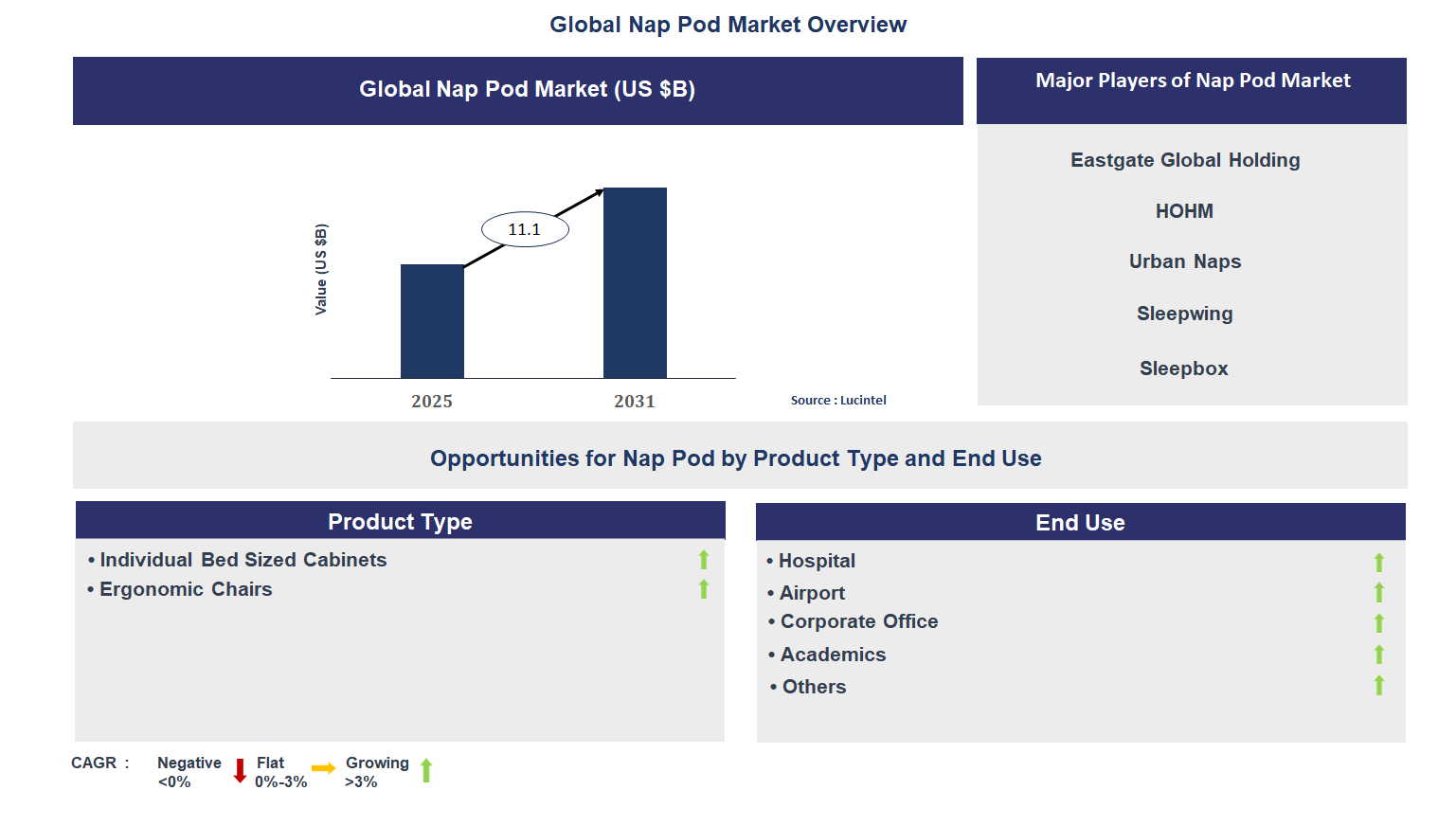
The future of the global nap pod market looks promising with opportunities in the hospital, airport, corporate office, and academics markets. The global nap pod market is expected to grow with a CAGR of 11.1% from 2025 to 2031. The major drivers for this market are the increasing focus on workplace wellness solutions, the rising demand for comfort in office spaces, and the growing awareness about health benefits of naps.• Lucintel forecasts that, within the product type category, ergonomic chair is expected to witness the highest growth over the forecast period.
• Within the end use category, corporate office is expected to witness the highest growth.
• In terms of region, APAC is expected to witness the highest growth over the forecast period. Gain valuable insights for your business decisions with our comprehensive 150+ page report. Sample figures with some insights are shown below.
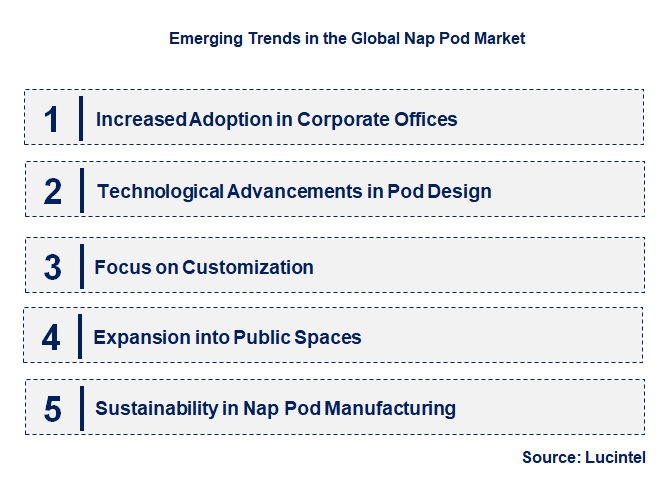
Emerging Trends in the Nap Pod Market
As the nap pod market continues to evolve globally, several key trends are driving growth and transformation. These trends reflect changing attitudes towards work and wellness, with a focus on enhancing productivity and mental health through innovative solutions. Let’s explore five key trends currently shaping the market.• Increased Adoption in Corporate Offices: More companies are integrating nap pods into their office spaces, driven by growing interest in employee wellness and productivity. Studies show that well-rested employees are more focused, creative, and effective. This trend is particularly strong in tech companies and large corporate organizations, where competition for top talent is fierce and wellness programs are a key differentiator.
• Technological Advancements in Pod Design: Nap pods are becoming smarter, incorporating technology like sleep-tracking sensors, adjustable lighting, and soundproof features. These advancements enhance the user experience by creating an optimal sleep environment. Additionally, some pods are now integrated with mobile apps, allowing users to track their naps and optimize their sleep patterns for better productivity and well-being.
• Focus on Customization: The demand for personalized nap pods is growing, as companies and consumers alike seek designs that match their specific needs. Customizable features such as adjustable recline positions, temperature control, and ambient lighting are increasingly being offered. This trend is especially prominent in high-end corporate settings and wellness centers where users have different preferences for rest.
• Expansion into Public Spaces: Nap pods are no longer confined to corporate offices. Airports, shopping malls, and even libraries are adopting nap pods as part of public wellness initiatives. These spaces are becoming increasingly important for people on the go, offering short rest periods during long travel or shopping sessions. The growing demand in public spaces highlights the trend of increasing access to restorative environments.
• Sustainability in Nap Pod Manufacturing: As sustainability becomes a major consideration in consumer products, nap pod manufacturers are adopting eco-friendly materials and energy-efficient designs. Recyclable components, energy-efficient lighting, and sustainable upholstery are becoming common features. Consumers are also more conscious of environmental impact, pushing companies to innovate with green materials while still offering high-end, ergonomic designs. These emerging trends are reshaping the nap pod market by enhancing the user experience, expanding the market into new sectors, and responding to the growing demand for wellness-focused solutions. The market is evolving to become more technologically advanced, personalized, and accessible, creating opportunities for businesses and consumers alike to improve productivity, health, and overall well-being.
Recent Development in the Nap Pod Market
The nap pod market has undergone notable changes in recent years. Innovations in design, technological integration, and the rising demand for employee wellness have driven significant developments in the sector. The following key developments have shaped the market and influenced its trajectory in major global economies.• Widespread Corporate Adoption: Corporations across the globe, particularly in the United States and Europe, are increasingly integrating nap pods into office spaces as part of comprehensive wellness programs. The growing recognition of the benefits of rest for improving employee productivity, creativity, and mental health has made nap pods a sought-after office amenity.
• Technological Integration: Recent innovations in nap pod design include the integration of technology for enhancing the sleep experience. Features such as sleep-tracking systems, soundproofing, and adjustable lighting are becoming standard. These innovations are making nap pods more effective in promoting deep, restorative naps and aligning with the growing trend of sleep optimization.
• Affordable, Customizable Solutions: Manufacturers are introducing more affordable and customizable nap pods, making them accessible to a broader range of businesses, including small startups. Customization options allow companies to cater to different office layouts and individual preferences, increasing the market appeal. This shift has expanded the nap pod market beyond large corporations to small- and medium-sized enterprises.
• Increased Presence in Public Spaces: Nap pods are moving beyond office environments into public spaces such as airports, shopping malls, and universities. With growing recognition of the importance of rest, public venues are adding nap pods as a service for travelers, shoppers, and students. This expansion is helping to create new opportunities for nap pod manufacturers and service providers.
• Shift Towards Sustainable Practices: Sustainability has become a key consideration in the development of nap pods. Companies are now incorporating eco-friendly materials, such as recyclable plastics and energy-efficient technologies, into their designs. This shift reflects the broader demand for sustainable products, aligning the nap pod market with global environmental trends. These recent developments underscore the growing demand for nap pods as a tool for promoting wellness and productivity in diverse settings. From corporate offices to public spaces, the market is expanding rapidly, and technological and sustainable advancements are driving future growth. As awareness of the benefits of naps increases, the nap pod market is poised for continued innovation.
Strategic Growth Opportunities in the Nap Pod Market
The nap pod market offers numerous growth opportunities across various sectors. As demand for wellness-oriented products continues to rise, there are key applications where nap pods can provide substantial benefits. Here are five key growth opportunities in the market based on evolving trends and consumer preferences.• Corporate Wellness Programs: There is significant potential for nap pods within corporate wellness programs, where businesses are focusing on increasing employee productivity and reducing burnout. Companies can integrate nap pods into their wellness initiatives to provide employees with a private, restful space during long work hours. This segment is expected to grow as companies prioritize employee well-being.
• Co-working and Shared Workspaces: With the rise of co-working spaces, nap pods represent a strategic opportunity to enhance the appeal of these environments. Shared workspaces are becoming popular among freelancers, startups, and remote workers, and offering nap pods could make these spaces more attractive. Nap pods provide users with the flexibility to rest and recharge during the day.
• Public Wellness Initiatives: Airports, shopping malls, and other public spaces are increasingly adopting nap pods to cater to busy travelers and shoppers. Public spaces offering nap pods can attract more customers by providing a unique service. The convenience and comfort of on-the-go rest solutions make this application a growing opportunity for the market.
• Healthcare and Mental Health Centers: In healthcare settings, nap pods can be utilized as part of stress management or mental health programs. Nap pods offer patients and healthcare workers a chance to recharge during long shifts or intensive treatments. As mental health awareness increases, healthcare institutions are likely to adopt nap pods to improve patient care and staff well-being.
• Hotel and Hospitality Industry: The hospitality industry presents a promising opportunity for nap pods, particularly in hotels and resorts that cater to business travelers or those seeking wellness services. Hotels offering nap pods can create a unique value proposition by providing guests with an opportunity to rest and rejuvenate during their stay. This market segment is expected to expand as wellness tourism grows. The nap pod market presents substantial growth opportunities across corporate, public, healthcare, and hospitality sectors. As wellness continues to be a priority, businesses are recognizing the benefits of nap pods in improving productivity and overall well-being. By tapping into these strategic growth areas, companies can leverage the increasing demand for rest and relaxation solutions in diverse applications.
Nap Pod Market Driver and Challenges
The nap pod market is influenced by a variety of drivers and challenges, which stem from technological, economic, and regulatory factors. These forces are shaping the growth potential and the future of the nap pod market. Understanding the key drivers and challenges is crucial for stakeholders looking to navigate this dynamic market. The factors responsible for driving the nap pod market include: 1. Growing Awareness of Employee Well-being: Companies are increasingly recognizing the importance of employee well-being in fostering productivity, creativity, and retention. As part of this focus, many businesses are investing in nap pods to create a healthy work environment. This driver is pivotal in fueling demand, especially in tech industries, where competitive advantages are often linked to employee satisfaction. 2. Technological Advancements in Sleep Optimization: The incorporation of advanced technologies like sleep-tracking sensors, soundproofing, and ambient lighting has made nap pods more effective and desirable. These innovations enable users to experience deeper, more restorative naps, enhancing their overall productivity. The rise of smart workspaces that integrate sleep technology into nap pods is accelerating their adoption across various sectors. 3. Rising Focus on Work-Life Balance: As work-life balance becomes a priority for employees, companies are responding by offering more wellness initiatives, including nap pods. The growing recognition that proper rest can prevent burnout and boost overall health is driving demand for nap pods in corporate and public spaces. This trend is particularly noticeable in regions with high work intensity, such as the U.S. and Japan. 4. Expansion of Co-working Spaces: The rapid growth of co-working spaces presents a significant driver for the nap pod market. These spaces cater to freelancers, small businesses, and startups, who seek flexible, comfortable work environments. By adding nap pods to their offerings, co-working spaces can attract clients who prioritize health and wellness, further propelling market growth. 5. Public and Institutional Demand for Wellness Solutions: Public spaces like airports, libraries, and universities, as well as healthcare institutions, are increasingly adopting wellness-oriented products, including nap pods. This expanding demand reflects a broader societal trend toward improving mental and physical health through accessible, restorative experiences. The increasing adoption of nap pods in these settings is boosting market growth. Challenges in the nap pod market are: 1. High Initial Investment: Despite growing demand, nap pods can be expensive to manufacture and install, particularly those with advanced features. Small businesses or startups may find it difficult to justify the high upfront costs, limiting their adoption. This challenge may be mitigated over time as technology advances and manufacturers create more affordable solutions. 2. Cultural Resistance to Napping: In some cultures, especially in countries with strong work ethic traditions, the idea of napping during work hours is still met with resistance. This cultural barrier can impede the widespread adoption of nap pods, particularly in regions like parts of Europe and Asia. Changing societal perceptions about rest and productivity is essential for overcoming this challenge. 3. Lack of Standardization and Regulation: The lack of industry-wide standards or regulations regarding the design, safety, and use of nap pods can pose a challenge. Without clear guidelines, manufacturers may produce products of varying quality, potentially impacting consumer trust. Regulatory bodies and industry associations may need to step in to set standards and ensure consistency in the market. The nap pod market is shaped by both drivers and challenges, with technological advancements, growing wellness awareness, and the rise of co-working spaces fueling market expansion. However, obstacles such as high initial investment and cultural resistance to napping may slow adoption. Addressing these challenges will be crucial for sustaining long-term market growth and tapping into global opportunities.List of Nap Pod Companies
Companies in the market compete on the basis of product quality offered. Major players in this market focus on expanding their manufacturing facilities, R&D investments, infrastructural development, and leverage integration opportunities across the value chain. With these strategies nap pod companies cater increasing demand, ensure competitive effectiveness, develop innovative products & technologies, reduce production costs, and expand their customer base. Some of the nap pod companies profiled in this report include-• Eastgate Global Holding
• HOHM
• Urban Naps
• Sleepwing
• Sleepbox
• GoSleep
• MetroNaps
Nap Pod Market by Segment
The study includes a forecast for the global nap pod market by product type, end use, and region.Nap Pod Market by Product Type [Value from 2019 to 2031]:
• Individual Bed Sized Cabinets
• Ergonomic Chairs
Nap Pod Market by End Use [Value from 2019 to 2031]:
• Hospital
• Airport
• Corporate Office
• Academics
• Others
Nap Pod Market by Region [Value from 2019 to 2031]:
• North America
• Europe
• Asia Pacific
• The Rest of the World
Country Wise Outlook for the Nap Pod Market
The nap pod market is evolving rapidly, driven by growing awareness of employee well-being and workplace productivity across major economies. The demand for efficient, private spaces to recharge is rising, supported by advancements in pod design, technology, and changing societal attitudes towards rest. Lets explore recent developments, emerging trends, key growth opportunities, and challenges shaping this market globally.• United States: In the U.S., the nap pod market has seen significant expansion in corporate offices, co-working spaces, and wellness centers. Leading companies are embracing nap pods as part of wellness programs to improve employee productivity and mental health. Additionally, advancements in ergonomic design and integration with smart technologies have made nap pods more popular and accessible.
• China: China’s nap pod market is growing rapidly, spurred by increased awareness of employee wellness and the rising demands of long working hours. Companies, particularly in tech hubs like Shenzhen and Beijing, are investing in nap pods to improve productivity and reduce stress. Local manufacturers are also developing affordable and customizable pods, driving market penetration in both urban offices and commercial spaces.
• Germany: In Germany, the adoption of nap pods is largely driven by the countrys strong emphasis on work-life balance. Corporate clients and tech startups are incorporating nap pods into their wellness programs. In addition to traditional office settings, nap pods are increasingly found in airports and other public spaces. Technological integration with apps for sleep tracking is also gaining traction.
• India: India’s nap pod market is emerging as part of the broader wellness trend in corporate settings and urban spaces. Rapid growth in tech industries and startups in cities like Bengaluru and Hyderabad has led to the incorporation of nap pods into office designs. The market is expected to grow as awareness of mental health and productivity benefits increases, along with advancements in affordable designs.
• Japan: Japan has been a leader in the nap pod market, driven by the country’s culture of overwork and increasing focus on employee well-being. Nap pods are being used extensively in corporate environments, universities, and even public spaces. Moreover, innovations in soundproofing, ambient lighting, and sleep optimization are elevating the overall experience for users.

Features of the Global Nap Pod Market
Market Size Estimates: Nap pod market size estimation in terms of value ($B). Trend and Forecast Analysis: Market trends (2019 to 2024) and forecast (2025 to 2031) by various segments and regions. Segmentation Analysis: Nap pod market size by product type, end use, and region in terms of value ($B). Regional Analysis: Nap pod market breakdown by North America, Europe, Asia Pacific, and Rest of the World. Growth Opportunities: Analysis of growth opportunities in different product type, end use, and regions for the nap pod market. Strategic Analysis: This includes M&A, new product development, and competitive landscape of the nap pod market. Analysis of competitive intensity of the industry based on Porter’s Five Forces model.
FAQ
Q1. What is the growth forecast for nap pod market? Answer: The global nap pod market is expected to grow with a CAGR of 11.1% from 2025 to 2031. Q2. What are the major drivers influencing the growth of the nap pod market? Answer: The major drivers for this market are the increasing focus on workplace wellness solutions, the rising demand for comfort in office spaces, and the growing awareness about health benefits of naps. Q3. What are the major segments for nap pod market? Answer: The future of the nap pod market looks promising with opportunities in the hospital, airport, corporate office, and academics markets. Q4. Who are the key nap pod market companies? Answer: Some of the key nap pod companies are as follows:• Eastgate Global Holding
• HOHM
• Urban Naps
• Sleepwing
• Sleepbox
• GoSleep
• MetroNaps Q5. Which nap pod market segment will be the largest in future? Answer: Lucintel forecasts that, within the product type category, ergonomic chair is expected to witness the highest growth over the forecast period. Q6. In nap pod market, which region is expected to be the largest in next 5 years? Answer: In terms of region, APAC is expected to witness the highest growth over the forecast period. Q7. Do we receive customization in this report? Answer: Yes, Lucintel provides 10% customization without any additional cost.
Table of Contents
List of Figures
List of Tables
Methodology
- In-depth interviews of the major players in this market
- Detailed secondary research from competitors’ financial statements and published data
- Extensive searches of published works, market, and database information pertaining to industry news, company press releases, and customer intentions
- A compilation of the experiences, judgments, and insights of Lucintel’s professionals, who have analyzed and tracked this market over the years.


Buy Now
Choose a license that fits your team. Instant PDF delivery.
Prices exclude taxes. Instant delivery. Custom licensing available on request.
Key Questions
- • What are some of the most promising, high-growth opportunities for the nap pod market by product type (individual bed sized cabinets and ergonomic chairs), end use (hospital, airport, corporate office, academics, and others), and region (North America, Europe, Asia Pacific, and the Rest of the World)?
- • Which segments will grow at a faster pace and why?
- • Which region will grow at a faster pace and why?
- • What are the key factors affecting market dynamics? What are the key challenges and business risks in this market?
- • What are the business risks and competitive threats in this market?
- • What are the emerging trends in this market and the reasons behind them?
- • What are some of the changing demands of customers in the market?
- • What are the new developments in the market? Which companies are leading these developments?
- • Who are the major players in this market? What strategic initiatives are key players pursuing for business growth?
- • What are some of the competing products in this market and how big of a threat do they pose for loss of market share by material or product substitution?
- • What M&A activity has occurred in the last 5 years and what has its impact been on the industry? For any questions related to Nap Pod Market, Nap Pod Market Size, Nap Pod Market Growth, Nap Pod Market Analysis, Nap Pod Market Report, Nap Pod Market Share, Nap Pod Market Trends, Nap Pod Market Forecast, Nap Pod Companies, write Lucintel analyst at email: helpdesk@lucintel.com. We will be glad to get back to you soon.


