
Market Report · July 24, 2026

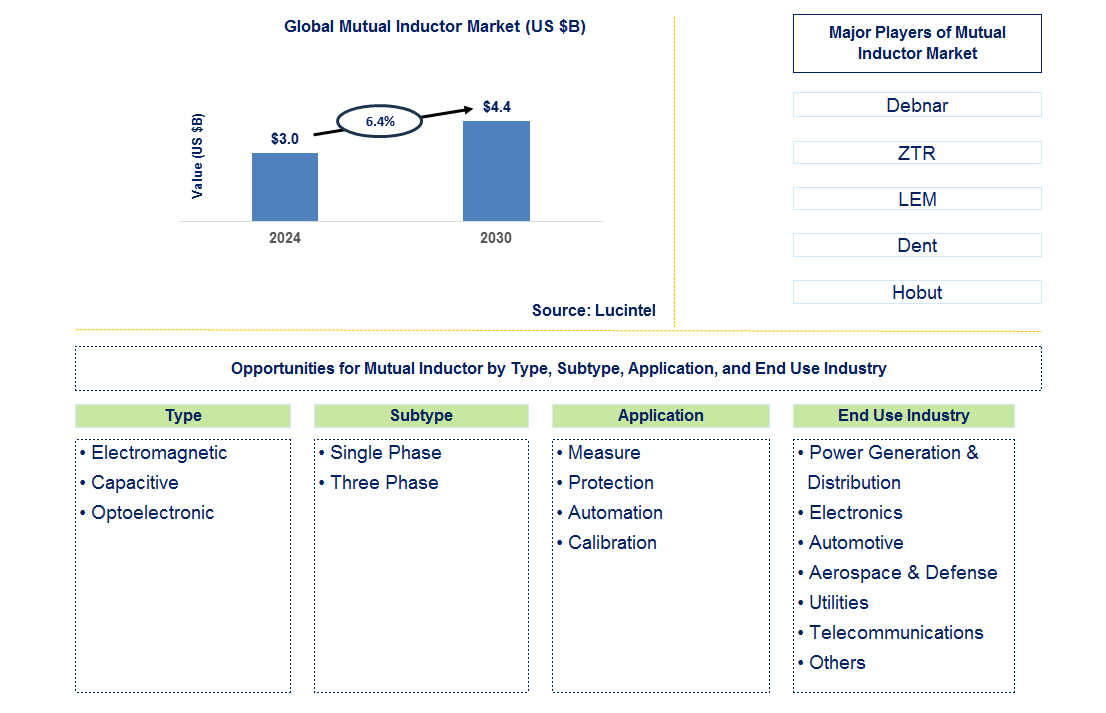
Key data points: The market size in 2030 = $4.4 billion, growth forecast = 6.4% annually for the next 6 years. Scroll below to get more insights. This market report covers trends, opportunities, and forecasts in the global mutual inductor market to 2030 by type (electromagnetic, capacitive, and optoelectronic), subtype (single phase and three phase), application (measure, protection, automation, and calibration), end use industry (power generation & distribution, electronics, automotive, aerospace & defense, utilities, telecommunications, and others), and region (North America, Europe, Asia Pacific, and the Rest of the World)
We'll send your sample report shortly.
• Lucintel forecasts that, Within the type category, electromagnetic is expected to witness highest growth over the forecast period.
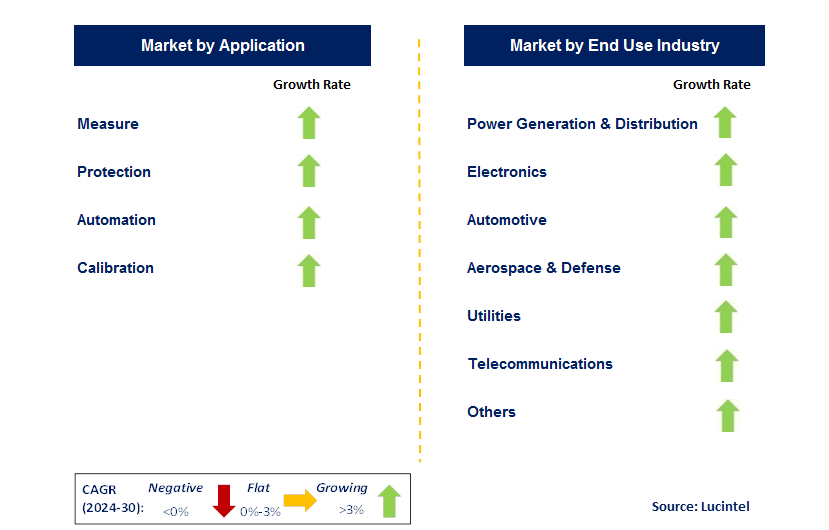
• Within the end use industry category, electronics will remain the largest segment.
• In terms of region, APAC is expected to witness highest growth over the forecast period. Gain valuable insights for your business decisions with our comprehensive 150+ page report.
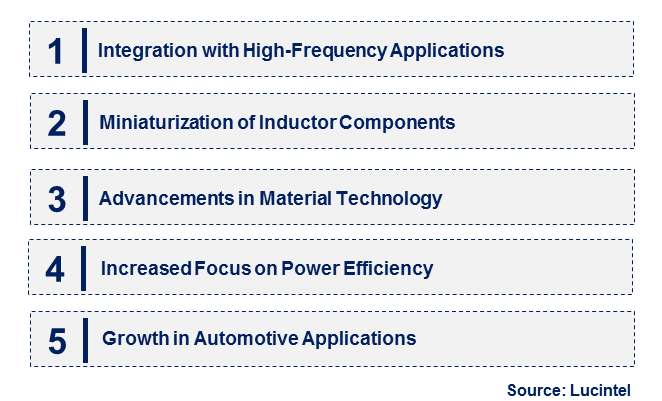
• Integration with High-Frequency Applications: Increasingly, mutual inductors are being integrated into devices used for high-frequency applications. The incorporation of new materials in the designs has made it possible for these components to operate at higher frequencies, thus improving their performance within communication systems and RF functions. This growing trend helps cater to the increasing demand for faster data rates and more efficient signal processing.
• Miniaturization of Inductor Components: There is a move toward smaller mutual inductors, driven by consumer electronic devices that require space-saving solutions. This allows them to be integrated into smaller forms without impacting their efficiency or performance.
• Advancements in Material Technology: Advancements in material technology are revolutionizing mutual inductor performance and reliability. Novel materials such as modern ceramics, composites, and other known magnetic materials have enhanced their magnetic capabilities and strengthened their durability. These advancements help improve efficiency and prolong the operational life of devices.
• Increased Focus on Power Efficiency: Mutual inductors are experiencing a rising importance placed on power efficiency. More efficient designs and materials that minimize energy losses and increase system-wide effectiveness are currently being used. This shift is due to the need for energy-saving options across several industries, such as automotive and renewable energy.
• Growth in Automotive Applications: The automobile sector is a key driver of demand for mutual inductors. There is an emphasis on high-performance inductors for electric vehicles (EVs), hybrid vehicles, and advanced driver-assistance systems (ADAS). This trend aligns with the widespread adoption of electric drive trains and sophisticated electronics within the motor vehicle industry.
• Development of Customizable Solutions: Manufacturers have started providing customizable mutual inductor solutions that meet the particular needs of various applications. This has resulted from differing demands across sectors, ranging from consumer electronics to industrial automation and telecommunications. Customizable solutions improve performance and enable better integration.
• Integration with IoT Devices: Currently, mutual inductors are being integrated into Internet of Things (IoT) devices to support connectivity and power management. Within the expanding IoT market, the demand for efficient, small-form-factor inductors is rising for various applications, ranging from smart home devices to industrial sensors. This trend supports the proliferation of mutual inductors into new application areas. High-frequency integration, miniaturization, and advanced materials are trends shaping future developments in the mutual inductors industry. Therefore, these trends foster innovation and cater to changing needs within the trade, supporting market growth.
• Introduction of High-Performance Inductors: Recent developments include the introduction of high-performance mutual inductors designed for demanding applications. These inductors feature improved magnetic characteristics and higher efficiency, intended for telecommunication and automotive systems that operate at high frequencies and require more energy.
• Advancements in Manufacturing Technologies: Manufacturing technologies for mutual inductors have advanced, leading to better precision at lower costs. This has improved product quality and reduced production costs through innovative and reliable production processes introduced by quality control engineers.
• Emergence of Eco-Friendly Materials: There is increasing attention to the development of mutual inductors using eco-friendly materials. This trend is driven by the need for sustainable solutions and adherence to environmental regulations. The use of environmentally friendly materials helps reduce the ecological impacts associated with the production and disposal of inductors.
• Integration with Smart Technologies: Mutual inductors are being integrated with smart technologies to enhance functionality. Smart inductors with built-in sensors and communication capabilities are improving performance monitoring and management in various applications, including smart grids and IoT devices.
• Expansion into Emerging Markets: The mutual inductor market is expanding into emerging regions characterized by rapidly growing electronics manufacturing industries. Countries like India and China are investing heavily in infrastructure and building manufacturing capacities, thus increasing demand and offering manufacturers new growth prospects.
• Focus on Customization and Flexibility: Producers are gradually providing customized mutual inductor products targeting specific application requirements. This direction stems from the varied needs within automotive, consumer electronics, and industrial automation, where bespoke products must be provided for survival.
• Simulation and Testing Advances: Sophisticated simulation and testing techniques are facilitating mutual inductor design and validation. More accurate predictions of performance are made with better simulation tools, while advanced testing methods guarantee product quality and reliability. The mutual inductor market is poised for growth through recent developments such as high-performance inductors, manufacturing advancements, and the use of eco-friendly materials. These innovations meet changing industry requirements while supporting market expansion.
• Expansion into Electric Vehicles (EVs): The rise in demand for electric vehicles represents a significant opportunity for mutual inductors. High-performance inductors required for power management and motor control in EVs can be fabricated by manufacturers who respond to this trend by producing specialized automotive application inductors.
• Growth in Telecommunications and Data Centers: There is an opportunity to manufacture mutual inductors due to the increasing demand for high-speed data transmission and telecommunications infrastructure. Advanced powering and signal integrity must be achieved using the latest technology based on communication networks in data centers that support their expansion.
• Smart Grid Solutions Development: The advancement of smart grid technology is a pathway for mutual inductor growth. Power distribution in smart grids requires efficient, reliable, and protective inductors for electrical systems. Introducing innovations in inductor technology would facilitate more intelligent and resilient smart grids.
• Consumer Electronics Advancements: Mutual inductors find significant market opportunities within consumer electronics. There is a need for smaller and more efficient inductors as electronic devices become more compact and sophisticated. For manufacturers, this implies miniaturization efforts and providing high-performance solutions that cater to these demands.
• Renewable Energy Applications Expansion: Renewable energy developments, such as solar and wind power, also offer opportunities for mutual inductors. These installations require solid surge protection mechanisms and power management solutions. By designing the right type of inductor aimed at serving renewable energy applications, the market can grow accordingly. Electric vehicles, telecommunications, smart grids, consumer electronics, and renewable energy are some strategic areas through which the company can expand its presence in new markets. This means that it is necessary for mutual inductor manufacturers to explore these possibilities, as they may promote further innovation and drive market growth.
• Technological Advancements: The growth of the mutual inductor market is driven by developments in materials and production techniques. The use of advanced technology enhances performance, efficiency, and miniaturization, meeting the changing demands of diverse industries like the automotive sector and telecommunications.
• Growing Demand for Electronics: The mutual inductor market is fueled by the increasing need for electronic gadgets and systems. This underpins the development of reliable, efficient inductors as consumer electronics, automotive, and industrial applications expand.
• Expansion of Electric Vehicles (EVs): Electric vehicles are a key driver for the mutual inductor market. Opportunities for growth and innovation within the automotive sector arise because EVs require high-performance inductors for power management and motor control.
• Advancements in Renewable Energy: The trend towards renewable energy sources, such as wind and solar energy systems, creates demand for mutual inductors. Efficient power management and protection solutions found within these systems drive the need for better-performing inductors.
• Focus on Energy Efficiency: Increased focus on energy efficiency in various sectors helps to drive the market for mutual inductors. Efficient inductors enhance overall system performance and save energy, aligning with global sustainability trends that demand reduced energy consumption. Challenges in the mutual inductor market include:
• High Production Costs: The cost of producing advanced mutual inductors can be high, making them unaffordable for some markets. Manufacturers must find a balance between production expenses and quality to remain competitive while effectively meeting market needs.
• Regulatory Compliance: Keeping pace with changing industry guidelines and regulatory frameworks is challenging. Manufacturers must comply with intricate rules while ensuring product performance and safety, which may affect the development of new products and entry into new markets.
• Supply Chain Disruptions: Supply chain disruptions, such as raw material shortages or logistical issues, may cause difficulties related to the availability and production of mutual inductors. Therefore, it is crucial to manage supply chains effectively to overcome these challenges and guarantee continuous product delivery. Technological advancements, increased demand for electronics, a growing number of electric vehicles, and renewable power generation are among the main factors driving the mutual inductor market. However, several obstacles need to be addressed, such as high production costs, regulatory compliance, and supply chain disruptions, to foster further growth through innovation.
• Debnar
• ZTR
• LEM
• Dent
• Hobut
• WAGO
• Mitsubishi
• GE
• Siemens
• Pearson
• Electromagnetic
• Capacitive
• Optoelectronic
• Single Phase
• Three Phase
• Measure
• Protection
• Automation
• Calibration
• Power Generation & Distribution
• Electronics
• Automotive
• Aerospace & Defense
• Utilities
• Telecommunications
• Others
• North America
• Europe
• Asia Pacific
• The Rest of the World
• United States: In the US, the mutual inductor market is advancing due to the integration of high-frequency and high-performance inductors into electronic devices. Improvements in materials and designs have led to increased efficiency and miniaturization for consumer electronics, automobiles, and telecommunications. Demand for advanced inductors is driven by an increase in electric vehicles (EVs) and renewable energy systems. Moreover, more reliable and efficient mutual inductors are being introduced due to greater investment in research and development (R&D).
• China: The mutual inductor market in China has expanded rapidly owing to strong industrialization efforts coupled with technological advancements. The country focuses on developing high-quality inductors for use in the telecommunications sector, automotive electronics, and power management systems, among other applications. Recent improvements also involve adopting new materials and manufacturing procedures to enhance performance while reducing costs. This growth has been significantly driven by government support for the electronics industry and an expanding domestic consumer electronics market.
• Germany: Advancements in automotive and industrial applications are driving the growth of the mutual inductor market in Germany. German manufacturers focus on improving inductor performance through innovative designs and high-quality materials. A surge in demand for electric vehicles and automated technologies is increasing the need for highly efficient inductors. Furthermore, Germany’s commitment to environmental sustainability is leading to the development of eco-friendly manufacturing techniques that meet strict regulations.
• India: The mutual inductor market in India has been experiencing a boost due to rising infrastructural investments and electronics manufacturing. Recent developments include improvements in inductor designs aimed at meeting the growing demands of the consumer electronics sector. Enhancements in reliability and reductions in production costs are key areas of focus. The increasing need for mutual inductors can be attributed to the expansion of industrial automation in India and the adoption of electric vehicles.
• Japan: Japan’s mutual inductor market demonstrates a high level of technological innovation. Japanese companies are advancing the design and manufacture of inductors for use in high-frequency and high-power applications. The emphasis is on improving performance and reducing size to meet the requirements of sophisticated electronics and automotive systems. Cutting-edge technology and robust R&D initiatives in Japan have produced high-quality mutual inductors that address both domestic and international markets.


• Debnar
• ZTR
• LEM
• Dent
• Hobut
• WAGO
• Mitsubishi
• GE
• Siemens
• Pearson Q6. Which mutual inductor market segment will be the largest in future? Answer: Lucintel forecasts that electromagnetic is expected to witness highest growth over the forecast period. Q7. In mutual inductor market, which region is expected to be the largest in next 5 years? Answer: APAC is expected to witness highest growth over the forecast period. Q.8 Do we receive customization in this report? Answer: Yes, Lucintel provides 10% customization without any additional cost.


Choose a license that fits your team. Instant PDF delivery.
Prices exclude taxes. Instant delivery. Custom licensing available on request.
Market Report · July 24, 2026
Market Report · July 20, 2026
Market Report · July 20, 2026
Trusted partner for strategic intelligence and business growth


Receive a complimentary market analysis tailored to your industry. Our analysts will identify key growth opportunities and competitive dynamics specific to your business.

Market size, growth rate, and key trend analysis for your specific sector.

Top competitor positioning and market share analysis.

Strategic recommendations backed by data-driven insights.
Get curated market intelligence and competitive moves straight to your inbox.
By subscribing, you agree to receive our monthly insights. Unsubscribe anytime.
Receive a complimentary market analysis tailored to your industry. Our analysts will identify key growth opportunities and competitive dynamics specific to your business.
Market size, growth rate, and key trend analysis for your specific sector.
Top competitor positioning and market share analysis.
Strategic recommendations backed by data-driven insights.
Get curated market intelligence, emerging trends, and competitive moves straight to your inbox each month.
By subscribing, you agree to receive our monthly insights. Unsubscribe anytime.
We'll send your sample report shortly.