
Report Feature
Menstrual Cup Market Trends and Forecast
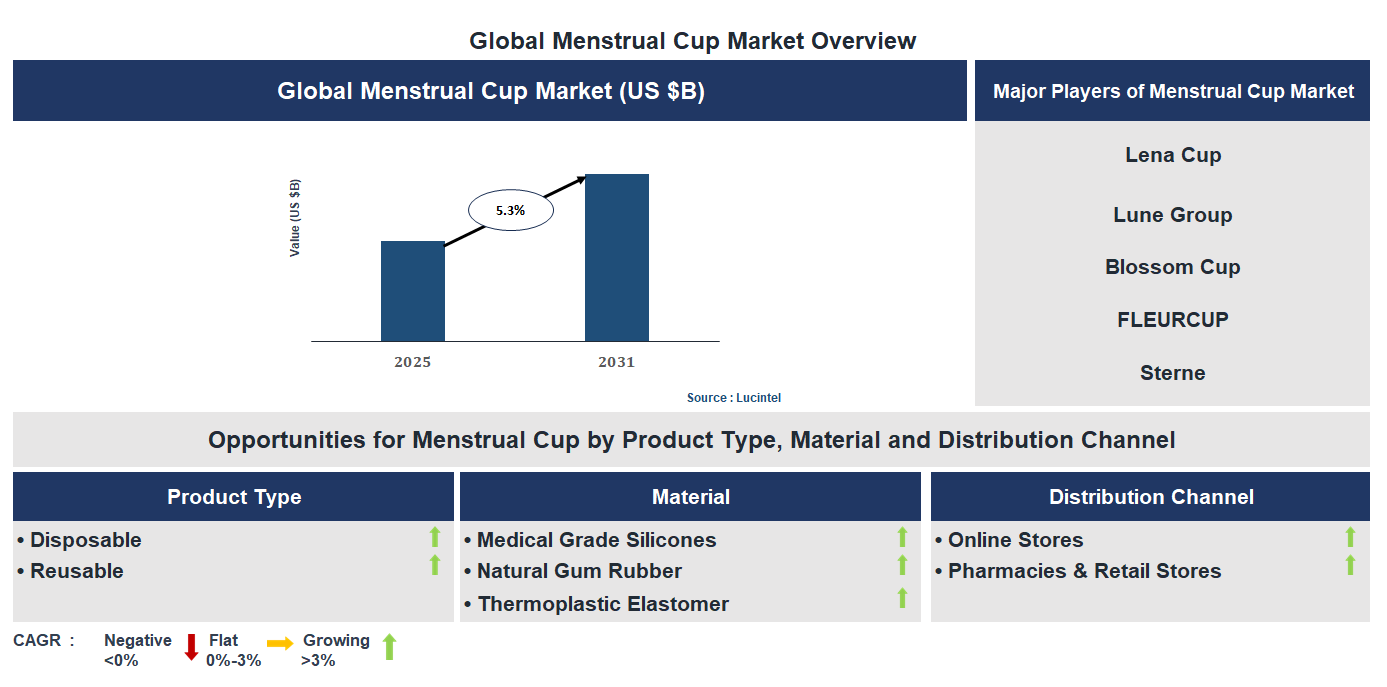
The future of the global menstrual cup market looks promising with opportunities in the online store and pharmacy & retail store markets. The global menstrual cup market is expected to grow with a CAGR of 5.3% from 2025 to 2031. The major drivers for this market are the increasing awareness about menstrual hygiene, the rising preference for sustainable products, and the growing acceptance of reusable menstrual solutions.• Lucintel forecasts that, within the product type category, reusable is expected to witness higher growth over the forecast period.
• Within the distribution channel category, online store is expected to witness higher growth.
• In terms of region, APAC is expected to witness the highest growth over the forecast period. Gain valuable insights for your business decisions with our comprehensive 150+ page report. Sample figures with some insights are shown below.
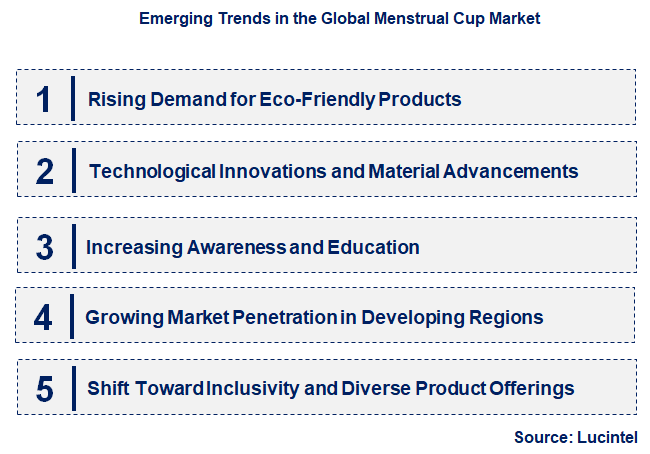
Emerging Trends in the Menstrual Cup Market
The menstrual cup market is experiencing rapid growth driven by increasing awareness of sustainable menstrual products, changing consumer preferences, and advancements in product design. As consumers seek eco-friendly, cost-effective, and health-conscious alternatives to traditional menstrual products, the market is evolving with innovative materials, diverse sizes, and improved accessibility. These developments are not only expanding market reach but also transforming consumer behavior and industry standards. The following key trends highlight the major shifts shaping the future of the menstrual cup industry, reflecting a broader movement towards sustainability, health, and inclusivity.• Rising Demand for Eco-Friendly Products: Consumers are increasingly prioritizing environmentally sustainable menstrual products. Menstrual cups, being reusable and reducing waste, appeal to eco-conscious buyers. This trend is driven by growing awareness of plastic pollution and environmental impact, prompting brands to emphasize sustainability in their marketing. As a result, market penetration is expanding, and product innovation is focusing on biodegradable and non-toxic materials, further strengthening the appeal of menstrual cups as a green alternative.
• Technological Innovations and Material Advancements: The industry is witnessing significant technological progress, including the development of medical-grade silicone, flexible materials, and ergonomic designs. These innovations improve comfort, ease of use, and safety, encouraging more women to adopt menstrual cups. Enhanced manufacturing processes also allow for customization in size and firmness, catering to diverse needs. Such advancements are boosting consumer confidence and expanding the market to new demographics, including teenagers and women with specific health considerations.
• Increasing Awareness and Education: Education campaigns and social media influence are raising awareness about menstrual health and the benefits of menstrual cups. Increased knowledge reduces stigma and misconceptions, encouraging more women to consider switching from traditional products. Brands are investing in educational initiatives, tutorials, and community engagement to facilitate adoption. This trend is crucial in markets with low awareness, helping to normalize menstrual cups and expand their acceptance across different age groups and regions.
• Growing Market Penetration in Developing Regions: As awareness and affordability improve, developing countries are becoming key growth markets for menstrual cups. Local manufacturers and international brands are expanding distribution channels to reach rural and underserved populations. Government initiatives and NGO programs are also promoting menstrual health management, further supporting market growth. This trend is contributing to increased access to sustainable menstrual products, empowering women and girls with better health options and reducing period poverty.
• Shift Toward Inclusivity and Diverse Product Offerings: The market is moving beyond a one-size-fits-all approach to cater to diverse needs, including different age groups, flow levels, and anatomical differences. Companies are launching a variety of sizes, shapes, and designs to ensure comfort and effectiveness for all users. Additionally, there is a focus on inclusivity for transgender and non-binary individuals. This trend enhances user experience, broadens market appeal, and fosters a more inclusive approach to menstrual health, encouraging wider adoption and acceptance. In summary, these trends are collectively reshaping the menstrual cup market by emphasizing sustainability, innovation, education, accessibility, and inclusivity. They are driving increased adoption, expanding market reach globally, and setting new standards for menstrual health products. As these developments continue, the industry is poised for sustained growth and a more inclusive, environmentally conscious future.
Recent Development in the Menstrual Cup Market
The menstrual cup market has experienced significant growth driven by increasing awareness of sustainable feminine hygiene options, rising environmental concerns, and advancements in product design. Consumers are seeking eco-friendly, cost-effective, and comfortable alternatives to traditional menstrual products. Innovations in materials and marketing strategies have expanded market reach across different regions. Additionally, regulatory developments and increased educational campaigns are shaping consumer preferences and industry standards. These factors collectively contribute to a dynamic landscape, fostering innovation and expanding accessibility. The following key developments highlight the recent trends and shifts influencing this evolving market.• Growing Consumer Awareness: Increased education about menstrual health and sustainability has led to higher adoption rates of menstrual cups, boosting market growth and encouraging manufacturers to innovate and expand their product lines.
• Product Innovation and Material Advancements: Companies are developing new, hypoallergenic, and more flexible materials, improving comfort and usability. These innovations attract a broader consumer base, including teenagers and women with sensitive skin.
• Expansion in Emerging Markets: Market penetration in regions like Asia-Pacific and Latin America is accelerating due to rising disposable incomes, urbanization, and improved distribution channels, broadening the global customer base.
• Regulatory and Certification Standards: Governments and health organizations are establishing safety standards and certifications for menstrual cups, increasing consumer confidence and facilitating market entry for new players.
• Marketing and Awareness Campaigns: Digital marketing, social media influencers, and educational initiatives are raising awareness about menstrual cups, dispelling myths, and encouraging adoption among younger demographics. In summary, these developments are collectively driving the menstrual cup market towards greater innovation, wider accessibility, and increased consumer acceptance. The market is becoming more competitive and diverse, with a focus on sustainability and health safety, ultimately leading to sustained growth and mainstream adoption.
Strategic Growth Opportunities in the Menstrual Cup Market
The menstrual cup market is experiencing rapid growth driven by increasing awareness of sustainable feminine hygiene products, changing consumer preferences, and advancements in product design. As consumers seek eco-friendly, cost-effective, and health-conscious options, manufacturers are exploring innovative applications and expanding their reach across various segments. These developments are creating significant opportunities for market expansion and diversification. Understanding these key growth opportunities by application can help stakeholders capitalize on emerging trends and enhance their market positioning.• Personal Care and Feminine Hygiene: Growing awareness of sustainable menstrual products is driving demand for menstrual cups, leading to increased adoption among women of all ages. This segment benefits from product innovations that improve comfort and ease of use, boosting consumer confidence and loyalty. As education and accessibility improve, this application is expected to see sustained growth, contributing significantly to overall market expansion.
• Healthcare and Medical Institutions: The integration of menstrual cups into healthcare settings offers a cost-effective, hygienic alternative to traditional products. Hospitals and clinics are increasingly recommending menstrual cups for their benefits, which can reduce waste and improve patient comfort. This application presents opportunities for partnerships with healthcare providers and the development of medical-grade products, further expanding market reach.
• E-commerce and Retail Distribution: The rise of online shopping platforms has made menstrual cups more accessible to a global audience. E-commerce channels facilitate direct consumer engagement, education, and brand differentiation. Enhanced digital marketing strategies and product availability online are expected to accelerate sales growth, especially in emerging markets where retail infrastructure may be limited.
• Institutional and Corporate Programs: Companies and educational institutions are adopting menstrual cups as part of health and wellness initiatives. These programs promote sustainable practices and improve menstrual health awareness among employees and students. Such initiatives can drive large-scale adoption, creating a steady demand and fostering brand loyalty through corporate social responsibility efforts.
• Innovation and Product Development: Continuous innovation in materials, design, and features enhances user experience and expands application possibilities. Developments such as reusable, biodegradable, and customizable cups cater to diverse consumer needs. Investment in R&D can lead to differentiated products, opening new market segments and increasing overall market share. In summary, these growth opportunities are significantly impacting the menstrual cup market by broadening application scopes, increasing consumer adoption, and fostering innovation. As these trends continue, the market is poised for sustained expansion, driven by a combination of technological advancements, changing consumer preferences, and increased awareness of sustainable menstrual health solutions.
Menstrual Cup Market Driver and Challenges
The menstrual cup market is influenced by a variety of technological, economic, and regulatory factors that shape its growth and development. Advances in material science and product design have improved usability and comfort, encouraging wider adoption. Economic factors such as increasing awareness of sustainable and cost-effective menstrual hygiene options are driving demand. Regulatory frameworks and health standards ensure product safety and quality, fostering consumer confidence. Additionally, cultural shifts towards eco-friendly and health-conscious choices are pivotal. However, the market also faces challenges including regulatory hurdles, cultural stigmas, and competition from traditional products. Understanding these drivers and challenges is essential for stakeholders aiming to capitalize on market opportunities and address potential barriers effectively. The factors responsible for driving the menstrual cup market include:-• Technological Innovations: The development of new, body-safe, and eco-friendly materials has significantly enhanced menstrual cup design, making products more comfortable, durable, and easy to use. Innovations such as improved sealing and flexible shapes have increased user confidence and satisfaction. These advancements have also led to the introduction of reusable cups with longer lifespans, reducing waste and cost for consumers. As technology continues to evolve, manufacturers are able to offer more customized options, further expanding market reach and acceptance among diverse user groups.
• Rising Environmental Awareness: Growing concerns about plastic waste and environmental pollution have propelled consumers toward sustainable menstrual hygiene products like menstrual cups. Unlike disposable pads and tampons, cups are reusable and generate less waste, aligning with eco-conscious lifestyles. Governments and environmental organizations are promoting sustainable practices, which boosts market growth. This shift in consumer preference not only benefits the environment but also offers cost savings over time, making menstrual cups an attractive alternative for environmentally aware consumers.
• Increasing Awareness and Education: Efforts by NGOs, healthcare providers, and marketing campaigns have increased awareness about the benefits of menstrual cups. Educational initiatives dispel myths, address cultural taboos, and provide information on proper usage and health benefits. As more women become informed about the safety, convenience, and cost-effectiveness of menstrual cups, adoption rates are expected to rise. This increased awareness is crucial for market expansion, especially in regions where menstrual hygiene remains stigmatized.
• Growing Female Workforce and Urbanization: The rise in female participation in the workforce and urbanization has led to increased demand for convenient, hygienic, and discreet menstrual hygiene solutions. Menstrual cups offer a practical alternative for working women and students who require long-lasting, leak-proof options that can be used discreetly in various settings. Urban lifestyles and busy schedules make menstrual cups an attractive choice, further fueling market growth in developed and developing regions.
• Regulatory Approvals and Standards: The establishment of safety standards and regulatory approvals by health authorities ensures product quality and safety, boosting consumer confidence. Regulatory frameworks help eliminate substandard products from the market and promote innovation. Certification processes also facilitate international trade and market expansion. As governments and health agencies continue to develop clear guidelines, manufacturers are encouraged to invest in research and development, leading to higher-quality products and increased market penetration. The challenges facing the menstrual cup market include:-
• Regulatory Hurdles: The menstrual cup market faces complex regulatory environments across different regions, which can delay product approvals and market entry. Variations in safety standards, labeling requirements, and approval processes create barriers for manufacturers, especially smaller companies. Navigating these regulations requires significant investment in compliance and testing, which can increase costs and time-to-market. Additionally, inconsistent regulations may hinder international trade and limit product availability in certain markets, impeding overall growth.
• Cultural and Social Stigmas: Cultural taboos and misconceptions surrounding menstruation continue to hinder market expansion, particularly in conservative regions. Many women are reluctant to discuss or adopt menstrual cups due to lack of awareness, social stigma, or misconceptions about menstrual health. These cultural barriers limit consumer acceptance and restrict market penetration. Overcoming deeply ingrained social norms requires sustained education and awareness campaigns, which can be resource-intensive and slow to produce results.
• Competition from Traditional Products: Despite the growing popularity of menstrual cups, traditional products like pads and tampons still dominate many markets due to familiarity and cultural acceptance. Resistance to change, lack of awareness, and misconceptions about menstrual cups contribute to slow adoption rates. Additionally, established brands with strong market presence and marketing budgets pose significant competition. This ongoing rivalry limits market share growth for menstrual cups and necessitates continuous consumer education and marketing efforts. In summary, the menstrual cup market is driven by technological advancements, environmental consciousness, increased awareness, urbanization, and regulatory support. However, it faces challenges such as regulatory complexities, cultural stigmas, and competition from traditional products. These factors collectively influence market dynamics, requiring stakeholders to innovate, educate, and navigate regulatory landscapes carefully. The overall impact is a growing but cautiously expanding market, with significant potential for sustainable and health-conscious menstrual hygiene solutions. Addressing challenges effectively will be key to unlocking future growth opportunities and achieving broader acceptance worldwide.
List of Menstrual Cup Companies
Companies in the market compete on the basis of product quality offered. Major players in this market focus on expanding their manufacturing facilities, R&D investments, infrastructural development, and leverage integration opportunities across the value chain. With these strategies menstrual cup companies cater increasing demand, ensure competitive effectiveness, develop innovative products & technologies, reduce production costs, and expand their customer base. Some of the menstrual cup companies profiled in this report include-• Lena Cup
• Lune Group
• Blossom Cup
• FLEURCUP
• Sterne
• Yuuki Company
• The Flex Company
Menstrual Cup Market by Segment
The study includes a forecast for the global menstrual cup market by product type, material, distribution channel, and region.Menstrual Cup Market by Product Type [Value from 2019 to 2031]:
• Disposable
• Reusable
Menstrual Cup Market by Material [Value from 2019 to 2031]:
• Medical Grade Silicones
• Natural Gum Rubber
• Thermoplastic Elastomer
Menstrual Cup Market by Distribution Channel [Value from 2019 to 2031]:
• Online Stores
• Pharmacies & Retail Stores
Menstrual Cup Market by Region [Value from 2019 to 2031]:
• North America
• Europe
• Asia Pacific
• The Rest of the World
Country Wise Outlook for the Menstrual Cup Market
The menstrual cup market has experienced significant growth globally, driven by increasing awareness of sustainable menstrual products, health considerations, and changing consumer preferences. Technological innovations, expanding distribution channels, and supportive policies have contributed to market expansion across major economies. As consumers seek eco-friendly and cost-effective alternatives to traditional products, countries are witnessing notable developments in product offerings, market penetration, and regulatory frameworks. These trends reflect a broader shift towards sustainable health solutions and reflect diverse regional dynamics influencing market trajectories.• United States: The US market has seen rapid growth with increased adoption among younger consumers and a rise in premium, innovative menstrual cup designs. Major brands have expanded their product lines, emphasizing comfort and eco-friendliness. Online sales channels and awareness campaigns have boosted market penetration, supported by supportive health policies and environmental initiatives. The US also witnesses a surge in educational efforts to normalize menstrual cup usage, leading to broader acceptance.
• China: China’s menstrual cup market is emerging strongly, driven by urbanization and rising health consciousness. Local brands are gaining popularity through competitive pricing and targeted marketing. E-commerce platforms have played a crucial role in expanding reach, especially among younger demographics. Government initiatives promoting sustainable products and menstrual health awareness are further fueling growth. The market is characterized by increasing acceptance and a shift away from traditional disposable products.
• Germany: Germany’s market is mature, with high consumer awareness and a preference for environmentally friendly products. Leading brands focus on high-quality, medical-grade materials and innovative designs. The regulatory environment is supportive, ensuring product safety and standards. Retail outlets, pharmacies, and online platforms contribute to widespread availability. Consumer education campaigns have increased acceptance, making menstrual cups a mainstream choice among women seeking sustainable options.
• India: The Indian menstrual cup market is rapidly expanding, driven by affordability, increasing awareness, and government initiatives promoting menstrual health. Local manufacturers are offering cost-effective products tailored to regional needs. E-commerce and social media marketing have played vital roles in reaching rural and urban populations. The government’s focus on menstrual hygiene and sustainability has created a conducive environment for market growth. Cultural shifts and increased acceptance are encouraging more women to adopt menstrual cups as a sustainable alternative.
• Japan: Japan’s market is characterized by high awareness and a preference for innovative, high-quality menstrual products. Domestic brands emphasize comfort, durability, and discreet designs. The market benefits from strong health and safety regulations, ensuring product reliability. Retail channels include pharmacies, specialty stores, and online platforms. Educational campaigns and societal openness towards menstrual health have contributed to steady growth. The focus remains on integrating traditional values with modern, eco-friendly solutions, fostering a mature and evolving market landscape.

Features of the Global Menstrual Cup Market
Market Size Estimates: Menstrual cup market size estimation in terms of value ($B). Trend and Forecast Analysis: Market trends (2019 to 2024) and forecast (2025 to 2031) by various segments and regions. Segmentation Analysis: Menstrual cup market size by product type, material, distribution channel, and region in terms of value ($B). Regional Analysis: Menstrual cup market breakdown by North America, Europe, Asia Pacific, and Rest of the World. Growth Opportunities: Analysis of growth opportunities in different product types, materials, distribution channels, and regions for the menstrual cup market. Strategic Analysis: This includes M&A, new product development, and competitive landscape of the menstrual cup market. Analysis of competitive intensity of the industry based on Porter’s Five Forces model.
FAQ
Q1. What is the growth forecast for menstrual cup market? Answer: The global menstrual cup market is expected to grow with a CAGR of 5.3% from 2025 to 2031. Q2. What are the major drivers influencing the growth of the menstrual cup market? Answer: The major drivers for this market are the increasing awareness about menstrual hygiene, the rising preference for sustainable products, and the growing acceptance of reusable menstrual solutions. Q3. What are the major segments for menstrual cup market? Answer: The future of the menstrual cup market looks promising with opportunities in the online store and pharmacy & retail store markets. Q4. Who are the key menstrual cup market companies? Answer: Some of the key menstrual cup companies are as follows:• Lena Cup
• Lune Group
• Blossom Cup
• FLEURCUP
• Sterne
• Yuuki Company
• The Flex Company Q5. Which menstrual cup market segment will be the largest in future? Answer: Lucintel forecasts that, within the product type category, reusable is expected to witness higher growth over the forecast period. Q6. In menstrual cup market, which region is expected to be the largest in next 5 years? Answer: In terms of region, APAC is expected to witness the highest growth over the forecast period. Q7. Do we receive customization in this report? Answer: Yes, Lucintel provides 10% customization without any additional cost.
Table of Contents
List of Figures
List of Tables
Methodology
- In-depth interviews of the major players in this market
- Detailed secondary research from competitors’ financial statements and published data
- Extensive searches of published works, market, and database information pertaining to industry news, company press releases, and customer intentions
- A compilation of the experiences, judgments, and insights of Lucintel’s professionals, who have analyzed and tracked this market over the years.


Buy Now
Choose a license that fits your team. Instant PDF delivery.
Prices exclude taxes. Instant delivery. Custom licensing available on request.
Key Questions
- • What are some of the most promising, high-growth opportunities for the menstrual cup market by product type (disposable and reusable), material (medical grade silicones, natural gum rubber, and thermoplastic elastomer), distribution channel (online stores and pharmacies & retail stores), and region (North America, Europe, Asia Pacific, and the Rest of the World)?
- • Which segments will grow at a faster pace and why?
- • Which region will grow at a faster pace and why?
- • What are the key factors affecting market dynamics? What are the key challenges and business risks in this market?
- • What are the business risks and competitive threats in this market?
- • What are the emerging trends in this market and the reasons behind them?
- • What are some of the changing demands of customers in the market?
- • What are the new developments in the market? Which companies are leading these developments?
- • Who are the major players in this market? What strategic initiatives are key players pursuing for business growth?
- • What are some of the competing products in this market and how big of a threat do they pose for loss of market share by material or product substitution?
- • What M&A activity has occurred in the last 5 years and what has its impact been on the industry? For any questions related to Menstrual Cup Market, Menstrual Cup Market Size, Menstrual Cup Market Growth, Menstrual Cup Market Analysis, Menstrual Cup Market Report, Menstrual Cup Market Share, Menstrual Cup Market Trends, Menstrual Cup Market Forecast, Menstrual Cup Companies, write Lucintel analyst at email: helpdesk@lucintel.com. We will be glad to get back to you soon.


