
Market Report · July 22, 2026

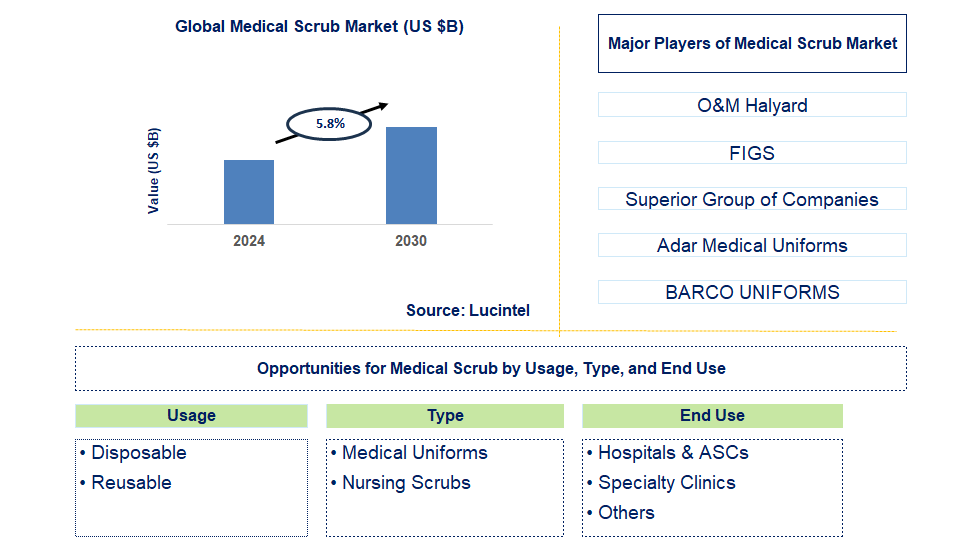
Key data points: The growth forecast = 5.8% annually for the next 7 years. Scroll below to get more insights. This market report covers trends, opportunities, and forecasts in the global medical scrub market to 2031 by usage (disposable and reusable), type (medical uniforms and nursing scrubs), end use (hospitals & ASCs, specialty clinics, and others), and region (North America, Europe, Asia Pacific, and the Rest of the World)
We'll send your sample report shortly.
• Lucintel forecasts that within the usage category, disposable is expected to witness higher growth over the forecast period as it helps in preventing cross-contamination.
• Within end use market, hospital & asc will remain the largest segment due to rising usage of standardized antimicrobial fabric for manufacturing medical uniforms & scrubs to prevent hospital-acquired infection.
• In terms of regions, APAC will remain the largest region over the forecast period due to growing production capabilities of the medical textile industry and rising awareness towards the benefits of medical scrub. Gain valuable insights for your business decisions with our 150+ page report. Through technology and changes in regulatory requirements regarding the healthcare industry, the market for medical scrubs underwent fast, evolutionary changes. Some of the main developments that have taken place in the United States, Indian, German, and Japanese markets reflect overarching trends in healthcare apparel—more specifically, the obsession with sustainability, innovation, and increased functionality.
• United States: There is growing demand in the U.S. healthcare market for antimicrobial and environmentally friendly medical scrubs, with innovations in advanced fabrics that deliver superior durability and comfort. Infection control and sustainability have become important areas of concern.
• China: The Chinese market exhibits developmental growth in the adoption of smart textiles in medical scrubs integrated with sensors to monitor health. The growing investment in health infrastructure and awareness about hygiene standards have reflected in market growth.
• Germany: In Germany, there is a strong focus on eco-friendly and ergonomic scrub design. The use of recycled materials and energy-efficient manufacturing processes is spreading rapidly as a recent trend here, primarily due to strict environmental provisions and growing sustainability.
• Japan: Japan is focusing on advanced fabric technologies and multifunctional scrubs. Innovations include the ability of the scrubs to regulate temperature and combat odor through proper fabric treatments; therefore, the nation positions itself among those offering healthcare more professionally to its population. Gain valuable insights for your business decisions with our comprehensive 150+ page report.
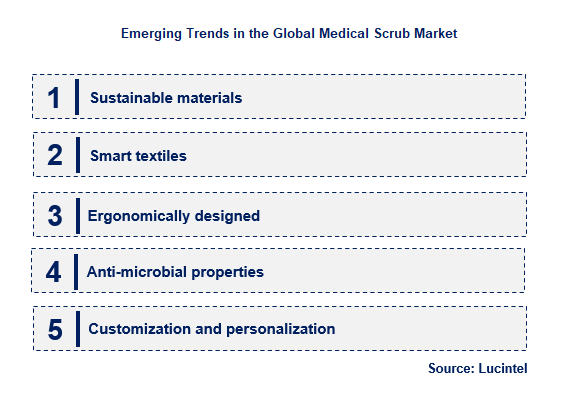
• Sustainable materials: The demand for eco-friendly fabrics made from recycled materials or organic fibers has increased, changing market dynamics. Manufacturers are forced to embrace workplace processing of textiles in environmentally friendly ways because of consumer and regulatory pressures for sustainability, which compel them to alter their usual production practices to environmentally friendly methods.
• Smart textiles: The most common practice seen in smart textiles in hospitals is their integration with scrubs and embedded sensors that monitor health in real time. Such smart textiles improve efficiency and substantially enhance general healthcare by promptly identifying health complications.
• Ergonomically designed: There has been a growing call for the design of scrubs in an ergonomic manner to support comfort and allow healthcare professionals the greatest range of movement. Features like better fit, increased flexibility, and more breathable materials will be considered to support the vigorous nature of medical work.
• Anti-microbial properties: Antimicrobial and anti-odor properties of the scrubs are gaining popularity for hygiene and protection from infections. Such features are increasingly incorporated into the fabrics to guarantee better protection and longevity of the garment.
• Customization and personalization: Customized scrubs, including personalized fits and colors, are emerging trends. This shift caters to individual preferences and improves the overall experience for healthcare professionals, reflecting a move towards more personalized healthcare solutions. All the mentioned trends will reshape the medical scrub market for better functionality, sustainability, and comfort. Gradual adoption of advanced materials and technologies that efficiently respond to the needs of healthcare professionals and environmental concerns will reflect a dynamic and responsive market.
• Antimicrobial fabrics: A new trend is the introduction of scrubs with inherent antimicrobial properties. These fabrics prevent the growth of bacteria and viruses, promoting better infection control and are especially important in the current scenario where concern and awareness regarding hygiene are at their peak.
• Sustainable production: Sustainable production methods are rapidly becoming one of the most talked-about trends. Many manufacturers are shifting to these methods to incorporate recycled materials and reduce waste. This trend is fueled by both aggressive consumers and stricter government regulations on waste management.
• Smart scrubs: There is increasing development and use of smart scrubs embedded with health-monitoring sensors. These smart scrubs provide real-time health-related data related to vitals and help dynamically monitor patients, allowing healthcare professionals to optimally manage patient health.
• Ergonomic enhancements: Greater wearability and practicality are being afforded to scrubs through innovations in ergonomic design. Features like adjustable fittings and increased breathability in fabrics further enhance the overall user experience for healthcare professionals.
• Customization options: Customizable scrubs are becoming more popular, allowing healthcare professionals to choose colors, patterns, and fits that meet their personal and professional needs. This trend supports individuality and comfort in the workplace. These developments are impacting the medical scrub market by addressing hygiene, comfort, and sustainability concerns. Innovations in fabric technology and customization are enhancing functionality and user satisfaction, reflecting a market that is evolving in response to both professional and environmental demands.
• Hospital settings: The high use of advanced types of scrubs characterized by antimicrobial properties in hospitals provides the market with growth opportunities. Hospitals are investing in high-quality scrubs to enhance infection control and optimize staff comfort, thus increasing demand for innovative products.
• Long-term care facilities: The growing number of long-term care facilities allows for an increased market for durable and comfortable scrubs. There is a need for high-performance durable scrubs in these facilities because the clothing is subjected to frequent washing and long hours of use, in addition to wear and tear, which further opens opportunities for specialized products in the market.
• Outpatient clinics: Outpatient clinics emphasize the aspects of functionality and style in scrubs. The characteristics of comfort, durability, and professional appearance are becoming key factors in the purchase of scrubs within this segment, thereby creating opportunities for manufacturers.
• Dental and veterinary clinics: A growing number of specialized clinics, including dental and veterinary clinics, are creating a corresponding increase in the requirement for scrubs. Customized and specialty scrubs designed for these fields are emerging as key growth areas.
• Retail and online channels: Expanding retail and online sales distribution of medical scrubs creates more opportunities for market growth. Online channels, especially e-commerce platforms, are increasingly significant, considering the shift in the business model towards a direct-to-consumer approach. These opportunities for growth are shaping the medical scrub market by targeting specific needs in various healthcare settings. The focus on better features, durability, and customizability drives market growth through appropriate demand from healthcare professionals.
• Technological advancements: Innovations like antimicrobial and smart textiles are enhancing the functionality and hygiene of medical scrubs. Advanced materials provide better protection, comfort, and durability, driving demand as healthcare professionals seek high-performance apparel to meet their needs.
• Regulatory compliance: Strict regulations ensure that medical scrubs adhere to safety and quality standards. Compliance with these regulations is crucial for maintaining market trust and product reliability, prompting manufacturers to invest in advanced technologies and high-quality materials.
• Increasing healthcare demand: The global expansion of healthcare services increases the need for medical scrubs. More healthcare facilities and professionals create a higher demand for durable, high-quality scrubs, presenting significant growth opportunities for manufacturers to meet this expanding market.
• Sustainability trends: Growing consumer and regulatory pressure for eco-friendly practices is leading to the adoption of sustainable materials in scrub production. Manufacturers are incorporating recycled and organic materials to align with environmental goals and appeal to environmentally conscious buyers.
• Economic factors: Economic growth and healthcare sector expansion drive demand for medical scrubs. Rising incomes and investments in healthcare infrastructure boost the need for scrubs, providing opportunities for market growth and innovation. Challenges in the medical scrub market are:
• High cost of advanced materials: Incorporating high-tech fabrics and antimicrobial agents can significantly increase production costs. This price barrier can limit the accessibility of premium scrubs, impacting market penetration and making it challenging for some healthcare facilities to invest in advanced products.
• Complex supply chains: Managing global supply chains for medical scrubs involves navigating logistical challenges and varying regulatory requirements. These complexities can result in delays, increased costs, and difficulties in maintaining consistent product quality across different markets.
• Regulatory variability: Diverse regulatory standards across different countries can complicate market entry and compliance. Manufacturers must adapt to varying regulations, increasing operational costs and creating barriers to international expansion, which can affect global market strategies. The medical scrub market is driven by technological advancements, increasing healthcare demand, and sustainability trends, while facing challenges such as high material costs, complex supply chains, and regulatory variability. Balancing these drivers and overcoming challenges is essential for market players to seize growth opportunities and navigate the complexities of this evolving industry effectively.
• O&M Halyard
• FIGS
• Superior Group of Companies
• Adar Medical Uniforms
• BARCO UNIFORMS
• Dickies Medical
• Matrix Workwear
• Disposable
• Reusable
• Medical Uniforms
• Nursing Scrubs
• Hospitals & ASCs
• Specialty Clinics
• Others
• North America
• Europe
• Asia Pacific
• The Rest of the World
• United States: There is growing demand in the U.S. healthcare market for antimicrobial and environmentally friendly medical scrubs, with innovations in advanced fabrics that deliver superior durability and comfort. Infection control and sustainability have become important areas of concern.
• China: The Chinese market exhibits developmental growth in the adoption of smart textiles in medical scrubs integrated with sensors to monitor health. The growing investment in health infrastructure and awareness about hygiene standards have reflected in market growth.
• Germany: In Germany, there is a strong focus on eco-friendly and ergonomic scrub design. The use of recycled materials and energy-efficient manufacturing processes is spreading rapidly as a recent trend here, primarily due to strict environmental provisions and growing sustainability.
• Japan: Japan is focusing on advanced fabric technologies and multifunctional scrub. Innovations include the ability of the scrubs to regulate temperature and combat odor through proper fabric treatments; therefore, the nation positions itself among those offering healthcare more professionally to its population.


• O&M Halyard
• FIGS
• Superior Group of Companies
• Adar Medical Uniforms
• BARCO UNIFORMS
• Dickies Medical
• Matrix Workwear Q5. Which medical scrub market segment will be the largest in future? Answer: Lucintel forecasts that disposable is expected to witness higher growth over the forecast period as it helps in preventing cross-contamination. Q6. In medical scrub market, which region is expected to be the largest in next 5 years? Answer: APAC will remain the largest region over the forecast period due to growing production capabilities of the medical textile industry and rising awareness towards the benefits of medical scrub. Q.7 Do we receive customization in this report? Answer: Yes, Lucintel provides 10% customization without any additional cost.


Choose a license that fits your team. Instant PDF delivery.
Prices exclude taxes. Instant delivery. Custom licensing available on request.
Market Report · July 22, 2026
Market Report · July 22, 2026
Market Report · July 22, 2026
Trusted partner for strategic intelligence and business growth


Receive a complimentary market analysis tailored to your industry. Our analysts will identify key growth opportunities and competitive dynamics specific to your business.

Market size, growth rate, and key trend analysis for your specific sector.

Top competitor positioning and market share analysis.

Strategic recommendations backed by data-driven insights.
Get curated market intelligence and competitive moves straight to your inbox.
By subscribing, you agree to receive our monthly insights. Unsubscribe anytime.
Receive a complimentary market analysis tailored to your industry. Our analysts will identify key growth opportunities and competitive dynamics specific to your business.
Market size, growth rate, and key trend analysis for your specific sector.
Top competitor positioning and market share analysis.
Strategic recommendations backed by data-driven insights.
Get curated market intelligence, emerging trends, and competitive moves straight to your inbox each month.
By subscribing, you agree to receive our monthly insights. Unsubscribe anytime.
We'll send your sample report shortly.