
Market Report · July 16, 2026

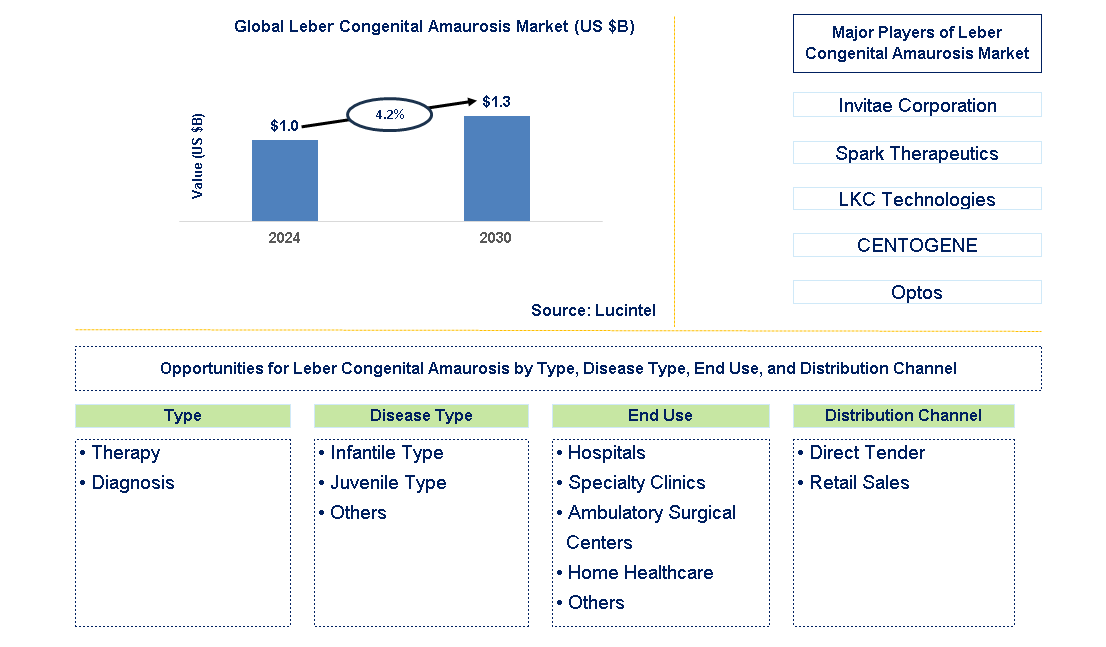
Key data points: The market size in 2030 = $1.3 billion, growth forecast = 4.2% annually next 6 years. Scroll below to get more insights. This market report covers trends, opportunities, and forecast in the global leber congenital amaurosis market to 2030 by type (therapy and diagnosis), disease type (infantile type, juvenile type, and others), end use (hospitals, specialty clinics, ambulatory surgical centers, home healthcare, and others), distribution channel (direct tender and retail sales), and region (North America, Europe, Asia Pacific, and the Rest of the World)
We'll send your sample report shortly.
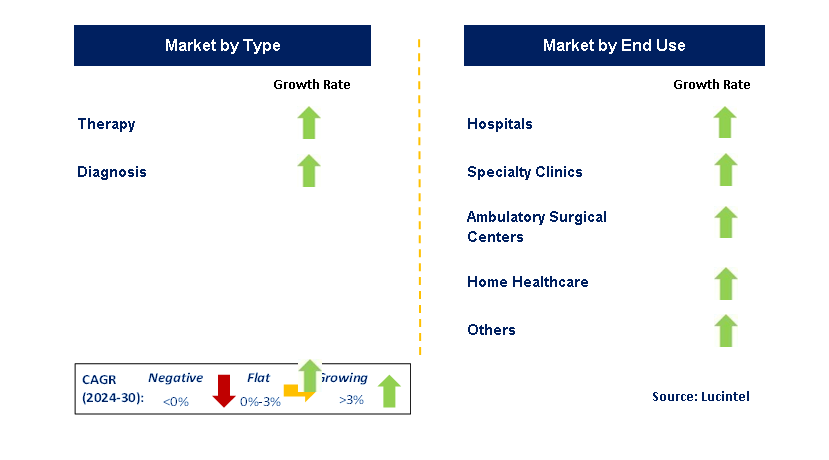
• Lucintel forecasts that therapy is expected to witness higher growth over the forecast period due to growing unmet need for effective treatments for LCA.
• Within this market, hospital will remain the largest segment as it provides necessary equipment and expertise to diagnose and treat LCA.
• North America will remain the largest region over the forecast period due to a well-developed healthcare infrastructure. A more than 150-page report is developed to help in your business decisions.
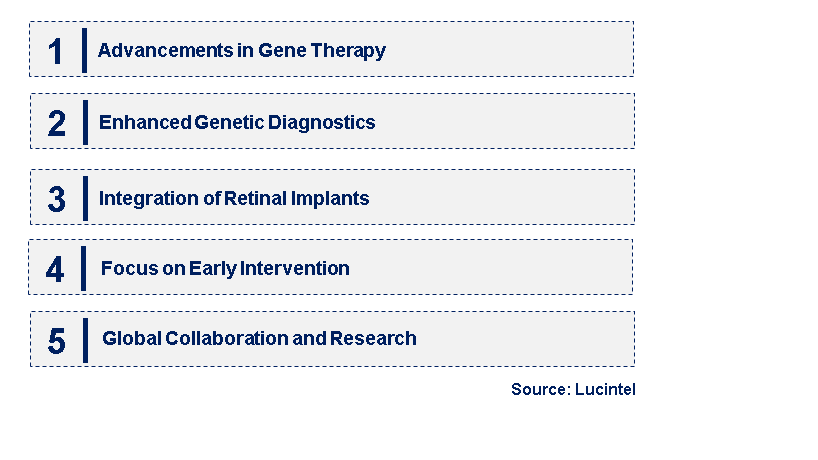
• Advancements in Gene Therapy: The development of gene therapies, such as Luxturna, represents a significant advancement in treating LCA. These therapies target specific genetic mutations, offering potential for long-term vision improvement. The increasing success of gene therapies in clinical trials is paving the way for more effective treatments and broader adoption in clinical practice.
• Enhanced Genetic Diagnostics: Advances in genetic testing and diagnostic technologies are improving the accuracy of LCA diagnosis. High-throughput sequencing and next-generation sequencing (NGS) are enabling more precise identification of genetic mutations. Enhanced diagnostics facilitate early detection and personalized treatment plans, leading to better patient outcomes.
• Integration of Retinal Implants: The integration of retinal implants and prosthetics is providing new options for LCA patients with severe vision loss. Innovations in retinal implant technology aim to restore visual function by directly stimulating the retina. These advancements are expanding the range of therapeutic options available for managing LCA.
• Focus on Early Intervention: There is a growing emphasis on early intervention and preventive measures in the management of LCA. Early diagnosis through advanced screening methods allows for timely treatment, which can slow disease progression and improve quality of life. This trend is shifting the focus from reactive to proactive patient care.
• Global Collaboration and Research: Increased global collaboration among research institutions, biotech companies, and healthcare providers is accelerating progress in LCA treatment. Collaborative efforts are leading to more robust clinical trials, shared knowledge, and innovative solutions. This trend is fostering a more integrated approach to tackling LCA on a global scale. Emerging trends such as advancements in gene therapy, enhanced genetic diagnostics, integration of retinal implants, focus on early intervention, and global collaboration are reshaping the LCA market. These trends are driving innovation, improving patient care, and expanding treatment options for individuals affected by this rare genetic disorder.
• Approval of Gene Therapies: The approval of Luxturna, a gene therapy targeting RPE65 mutations, marks a major milestone in LCA treatment. This therapy has demonstrated the potential to restore vision in patients with specific genetic mutations. The success of Luxturna is setting a precedent for other gene therapies and encouraging further research in the field.
• Advancements in Genetic Testing: Enhanced genetic testing technologies, including next-generation sequencing, are improving the diagnosis of LCA. These advancements allow for more accurate and comprehensive genetic screening, leading to earlier and more precise diagnoses. Improved diagnostics are essential for personalized treatment approaches and better patient management.
• Development of Retinal Implants: Progress in retinal implants, such as the Argus II, is providing new treatment options for patients with advanced LCA. These implants aim to restore partial vision by directly stimulating the retina. The ongoing development and refinement of retinal implant technologies are expanding therapeutic possibilities for severe cases of LCA.
• Expansion of Clinical Trials: There has been a significant increase in clinical trials focused on LCA, exploring new therapies and treatment combinations. These trials are essential for evaluating the efficacy and safety of emerging treatments. The expansion of clinical research is contributing to a more robust understanding of LCA and advancing the development of novel therapies.
• Increased Awareness and Support: Growing awareness and support for LCA are leading to improved patient advocacy and resources. Organizations and foundations dedicated to rare genetic disorders are playing a crucial role in funding research, providing support to families, and raising awareness. Increased visibility is driving progress and encouraging further investment in LCA research. Recent developments in gene therapies, genetic testing, retinal implants, clinical trials, and awareness initiatives are significantly impacting the Leber Congenital Amaurosis market. These advancements are improving diagnosis, expanding treatment options, and enhancing support for patients and researchers.
• Development of Novel Gene Therapies: Investing in the development of new gene therapies for different genetic mutations associated with LCA offers significant growth potential. Expanding the range of targetable mutations can increase the market size and provide treatment options for a broader patient population.
• Expansion of Diagnostic Tools: Enhancing diagnostic tools and technologies can improve early detection and accurate diagnosis of LCA. Developing advanced genetic testing platforms and diagnostic solutions can create opportunities for market growth and support personalized treatment approaches.
• Advancements in Retinal Implant Technologies: Focusing on advancements in retinal implant technologies can address the needs of patients with advanced LCA. Innovations in retinal implants and prosthetics can lead to new product offerings and market segments, providing additional therapeutic options for severe cases.
• Global Collaboration in Research: Collaborating with international research institutions and biotech companies can accelerate progress in LCA research and treatment. Global partnerships can enhance clinical trials, share knowledge, and drive innovation in therapies and diagnostics.
• Expansion into Emerging Markets: Targeting emerging markets with increasing awareness and healthcare infrastructure presents growth opportunities. Expanding access to diagnostic and therapeutic solutions in these regions can drive market growth and address unmet needs. Strategic growth opportunities in novel gene therapies, diagnostic tools, retinal implants, global research collaboration, and emerging markets are shaping the LCA market. Leveraging these opportunities can drive innovation, expand market reach, and improve patient care.
• Invitae Corporation
• Spark Therapeutics
• LKC Technologies
• CENTOGENE
• Optos
• Metrovision
• Blue Print Genetics Oy
• CD Genomics
• ProQR Therapeutics
• OCUGEN
• Therapy
• Diagnosis
• Infantile Type
• Juvenile Type
• Others
• Hospitals
• Specialty Clinics
• Ambulatory Surgical Centers
• Home Healthcare
• Others
• Direct Tender
• Retail Sales
• North America
• Europe
• Asia Pacific
• The Rest of the World
• United States: In the United States, the LCA market has seen substantial progress with the approval of gene therapies like Luxturna (voretigene neparvovec). This groundbreaking treatment, approved by the FDA, targets specific genetic mutations associated with LCA and has demonstrated promising results in clinical trials. Increased funding for research and development, alongside advancements in gene editing technologies, is further propelling progress in the treatment and management of LCA.
• China: China is making strides in the LCA market with advancements in genetic research and increasing clinical trials. Chinese researchers are focusing on identifying genetic mutations specific to the regional population and exploring novel gene therapy approaches. The country’s growing investment in biotechnology and expanding healthcare infrastructure are contributing to the development of new diagnostic tools and therapeutic options for LCA.
• Germany: Germany is at the forefront of LCA research in Europe, with significant developments in gene therapy and retinal implants. German institutions are involved in clinical trials for innovative gene therapies and are leading efforts to improve diagnostic techniques. The integration of advanced technologies in healthcare and collaboration between research institutions and biotech companies are accelerating progress in the treatment of LCA.
• India: India’s LCA market is evolving with increased awareness and research into genetic disorders. Recent developments include the establishment of specialized centers for genetic testing and counseling, which are improving early diagnosis and patient management. The Indian government’s initiatives to promote rare disease research and the growing biotech sector are contributing to advancements in LCA treatment options.
• Japan: In Japan, advancements in the LCA market include progress in gene therapies and retinal gene editing technologies. Japanese researchers are exploring innovative treatment approaches and collaborating with international partners to advance clinical trials. The country’s strong emphasis on precision medicine and biotechnology is driving significant developments in both diagnostic and therapeutic areas for LCA.


• Invitae Corporation
• Spark Therapeutics
• LKC Technologies
• CENTOGENE
• Optos
• Metrovision
• Blue Print Genetics Oy
• CD Genomics
• ProQR Therapeutics
• OCUGEN Q6. Which leber congenital amaurosis market segment will be the largest in future? Answer: Lucintel forecasts that therapy is expected to witness higher growth over the forecast period due to growing unmet need for effective treatments for LCA. Q7. In leber congenital amaurosis market, which region is expected to be the largest in next 5 years? Answer: North America will remain the largest region over the forecast period due to a well-developed healthcare infrastructure. Q.8 Do we receive customization in this report? Answer: Yes, Lucintel provides 10% customization without any additional cost.


Choose a license that fits your team. Instant PDF delivery.
Prices exclude taxes. Instant delivery. Custom licensing available on request.
Market Report · July 16, 2026
Market Report · July 15, 2026
Market Report · July 15, 2026
Trusted partner for strategic intelligence and business growth


Receive a complimentary market analysis tailored to your industry. Our analysts will identify key growth opportunities and competitive dynamics specific to your business.

Market size, growth rate, and key trend analysis for your specific sector.

Top competitor positioning and market share analysis.

Strategic recommendations backed by data-driven insights.
Get curated market intelligence and competitive moves straight to your inbox.
By subscribing, you agree to receive our monthly insights. Unsubscribe anytime.
Receive a complimentary market analysis tailored to your industry. Our analysts will identify key growth opportunities and competitive dynamics specific to your business.
Market size, growth rate, and key trend analysis for your specific sector.
Top competitor positioning and market share analysis.
Strategic recommendations backed by data-driven insights.
Get curated market intelligence, emerging trends, and competitive moves straight to your inbox each month.
By subscribing, you agree to receive our monthly insights. Unsubscribe anytime.
We'll send your sample report shortly.