
Report Feature
Industrial Gasket Market Trends and Forecast
The technologies in the industrial gasket market have undergone significant changes in recent years, with advancements in compressed fiber, spiral wound, PTFE (polytetrafluoroethylene), metal-reinforced, and other gasket technologies. These shifts reflect a broader trend toward higher-performance, durable, and customizable gasket materials that can withstand extreme temperatures, pressures, and aggressive chemicals. Over time, the focus has moved toward more efficient manufacturing methods and the use of advanced materials such as composite fibers, reinforced PTFE, and high-performance elastomers, offering enhanced sealing solutions for various industries, including oil and gas, automotive, and chemicals.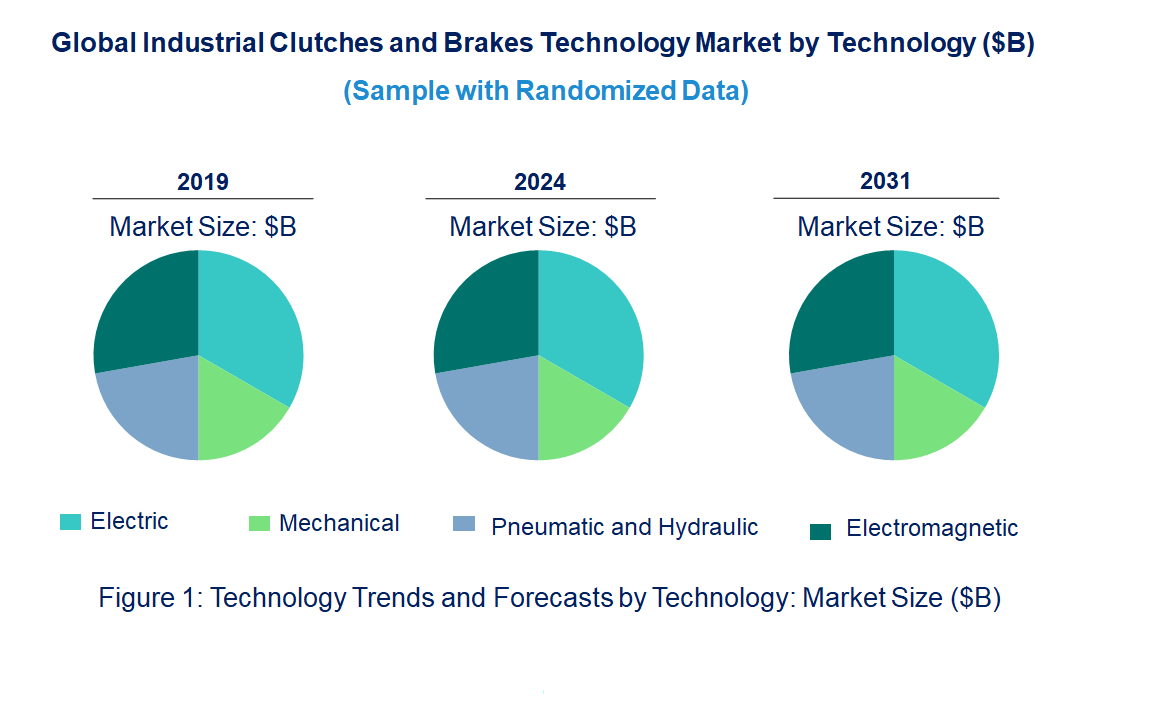
Emerging Trends in the Industrial Gasket Market
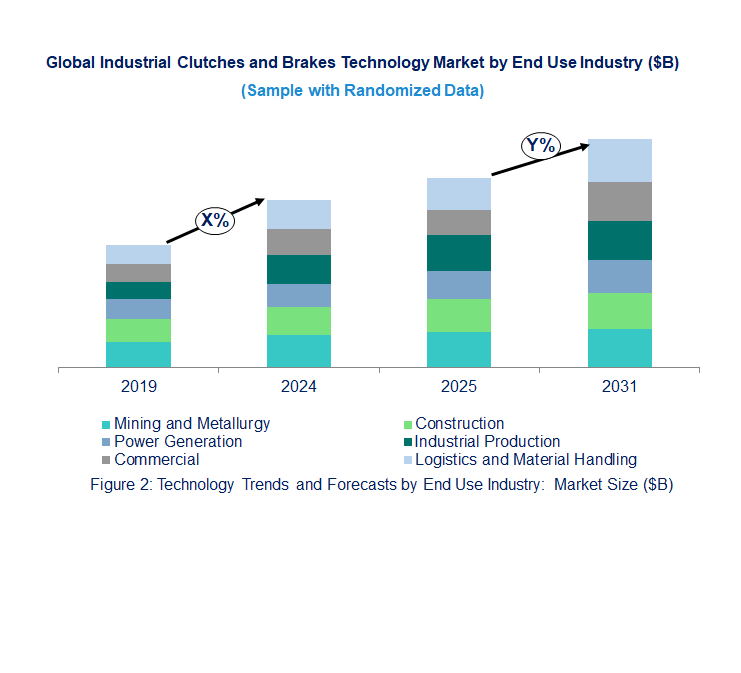
The industrial gasket market is evolving with new technologies, materials, and applications reshaping the industry. Several key trends are driving growth, performance improvements, and increased efficiency in gasket manufacturing and usage. Below are five key emerging trends:• Increased demand for high-performance materials: The shift towards high-performance materials such as metal-reinforced gaskets, PTFE, and graphite-based gaskets is gaining traction in industries like oil & gas, chemicals, and aerospace. These materials offer superior resistance to extreme temperatures, pressure, and corrosive environments, enhancing gasket longevity and sealing reliability.
• Growing adoption of customizable gaskets: Custom gaskets tailored to specific applications and environments are becoming increasingly popular. Industries are seeking gaskets that can meet unique specifications, such as specific pressure ratings, temperature tolerance, and chemical resistance. Manufacturers are investing in advanced design and fabrication technologies to meet these customized requirements.
• Technological innovation in gasket manufacturing processes: Innovations in manufacturing technologies, such as laser cutting, 3D printing, and automated molding, are improving gasket production efficiency. These technologies enable faster production cycles, reduced waste, and precise customizations, allowing manufacturers to meet the growing demand for high-quality, cost-effective gaskets.
• Sustainability and eco-friendly materials: With growing concerns about environmental impact, the demand for sustainable and eco-friendly gasket materials is rising. Manufacturers are turning to biodegradable or recyclable materials, reducing waste and the environmental footprint of gasket production. Additionally, advances in recycling processes are helping reduce the environmental impact of gasket disposal.
• Integration of digital technologies in gasket monitoring and maintenance: The adoption of digital monitoring systems for gasket performance is increasing. Sensors and IoT technologies allow real-time tracking of gasket conditions, reducing failures and improving maintenance efficiency. This technology enables predictive maintenance, minimizing downtime and increasing the overall operational efficiency of industrial systems. These trends are driving significant transformations in the industrial gasket market, fostering innovation, improving product performance, and addressing the need for sustainability and cost-effectiveness. The integration of new materials and manufacturing technologies, combined with the demand for more customized, high-performance solutions, is reshaping the market dynamics.
Industrial Gasket Market : Industry Potential, Technological Development, and Compliance Considerations
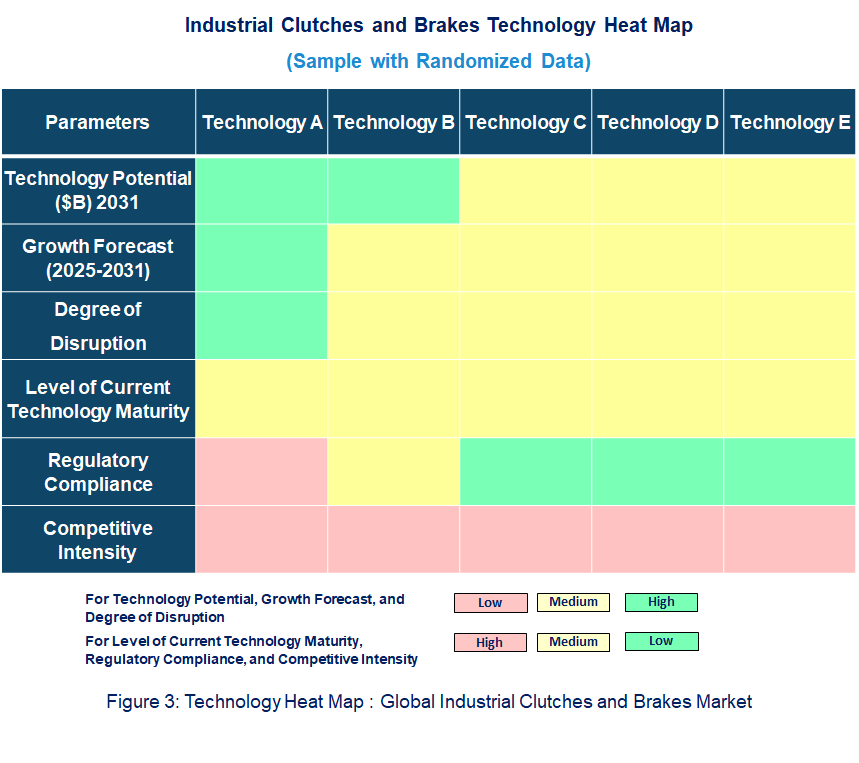
The industrial gasket market has seen significant advancements in technology, driven by the increasing demand for high-performance, durable, and specialized sealing solutions. Gaskets play a critical role in industries such as oil and gas, automotive, chemicals, and power generation, where extreme temperatures, pressures, and harsh chemicals necessitate high-quality materials and design innovation. Technology Potential: The market holds immense potential, with innovations in materials such as PTFE, graphite, metal-reinforced composites, and fiber-based materials enabling gaskets to perform in increasingly demanding applications. These advancements offer enhanced sealing capabilities, extended lifespans, and resistance to corrosion, improving operational efficiency and safety. Degree of Disruption: Technologies like 3D printing and laser cutting are disruptive in gasket manufacturing. These methods offer rapid prototyping, customization, and reduced waste, transforming traditional gasket production. Moreover, the growing integration of sensor technologies for real-time monitoring represents a major shift toward predictive maintenance and efficiency. Level of Current Technology Maturity: While materials such as compressed fiber and spiral wound gaskets are mature, emerging technologies like metal-reinforced gaskets and digital monitoring systems are still evolving, requiring further research and development for large-scale adoption. Regulatory Compliance: Strict regulatory standards, especially in industries like oil and gas, pharmaceuticals, and food processing, necessitate adherence to safety and quality certifications. Compliance is crucial, and manufacturers must continually adapt to evolving regulations. In conclusion, while the industrial gasket market has mature technologies, innovations and regulatory pressures are pushing the industry towards greater customization, efficiency, and sustainability.Recent Technological development in Industrial Gasket Market by Key Players
The industrial gasket market has seen significant developments from key players, each focusing on innovation and expansion. Below are some notable recent developments from major players like Hennig Gasket & Seals, Mercer Gasket & Shim, Spira Power, Flexitallic, Teadit, Klinger, DONIT, Goodrich Gasket, and James Walker.• Hennig Gasket & Seals has been focusing on expanding its portfolio of customized gasket solutions. The company has been leveraging advanced materials such as PTFE and metal-reinforced gaskets for high-temperature and high-pressure applications, especially in the aerospace and automotive sectors.
• Mercer Gasket & Shim has been adopting advanced manufacturing technologies like laser cutting and 3D printing to create highly customized and precise gaskets for specialized applications, particularly in the oil and gas sector. This enables faster production with reduced lead times.
• Spira Power has introduced spirolox gaskets that offer higher sealing performance and can be easily applied in challenging environments. Their focus on advanced sealing solutions has made them a key player in the power generation and industrial sectors.
• Flexitallic has expanded its product range to include graphite-based gaskets and high-temperature resistant seals, positioning itself as a leader in industries requiring highly durable sealing solutions, such as petrochemical and nuclear energy.
• Teadit is advancing PTFE gasket technology with improved chemical resistance and environmental sustainability. Their commitment to producing high-performance, eco-friendly gaskets has positioned them well for growth in the chemical and pharmaceutical industries.
• Klinger has focused on digitalization by integrating sensor technologies into their gaskets, enabling real-time monitoring of gasket performance. This approach is driving greater efficiency and reducing maintenance costs for industrial applications.
• DONIT has increased its global footprint by expanding operations in Asia-Pacific and Europe, offering a broader range of gaskets, including spindle gaskets, valve seals, and rubber gaskets, aimed at industries such as automotive, chemicals, and energy.
• Goodrich Gasket has recently upgraded its manufacturing capabilities to produce more customized seals for high-pressure and high-temperature environments, catering to sectors such as oil & gas and power generation.
• James Walker has made strides in expanding its metal-reinforced gasket offerings, providing durable sealing solutions for marine, aerospace, and industrial applications requiring high strength and resistance to extreme operating conditions. These recent developments indicate that key players are not only expanding their product offerings but also adopting new technologies and materials to meet the growing demand for high-performance, customized, and sustainable gasket solutions. The focus on digitalization, sustainability, and advanced manufacturing is reshaping the competitive landscape.
Industrial Gasket Market Driver and Challenges
The industrial gasket market is influenced by various drivers and challenges that affect its growth and dynamics. Below are some key drivers and challenges: The factors responsible for driving the global industrial gaskets market are:• Increasing industrial automation and demand for high-performance materials: As industries demand higher efficiency and reliability in sealing solutions, the adoption of advanced materials like metal-reinforced gaskets and PTFE is increasing. This drives market growth by improving gasket performance in critical applications.
• Growth of the oil & gas, automotive, and chemical industries: The expansion of industries such as oil & gas, automotive, and chemical manufacturing is driving demand for durable, high-performance gaskets that can withstand extreme conditions like high temperatures and chemical exposure.
• Technological advancements in gasket manufacturing: Innovations in manufacturing processes, such as laser cutting and 3D printing, enable faster production times, reduced waste, and greater customization, increasing the overall efficiency and attractiveness of gaskets.
• Sustainability initiatives and regulatory pressures: Increasing environmental regulations and sustainability efforts are driving the adoption of eco-friendly gasket materials and recycling technologies, opening new growth avenues for environmentally conscious gasket manufacturers. Challenges facing the global industrial gasket market are:
• High material costs and raw material supply chain challenges: The rising costs of raw materials, such as graphite, PTFE, and metal alloys, along with supply chain disruptions, can limit market growth and put pressure on manufacturers’ profit margins.
• Intense competition and price pressure: The highly competitive landscape, with numerous players offering similar products, creates significant price pressure, which can affect profit margins and limit the ability to invest in research and development for new innovations.
• Stringent regulatory compliance and certification requirements: The need for gaskets to comply with industry standards, particularly in regulated sectors like food, pharmaceuticals, and oil & gas, can lead to lengthy certification processes, which may slow down product introductions to market. The industrial gasket market is driven by growth in key industries and technological advancements, but faces challenges like raw material cost fluctuations, intense competition, and stringent regulatory requirements. Addressing these challenges while capitalizing on emerging trends like customization, sustainability, and digitalization will help the market continue to expand.
List of Industrial Gasket Companies
Companies in the market compete on the basis of product quality offered. Major players in this market focus on expanding their manufacturing facilities, R&D investments, infrastructural development, and leverage integration opportunities across the value chain. With these strategies industrial gasket companies cater increasing demand, ensure competitive effectiveness, develop innovative products & technologies, reduce production costs, and expand their customer base. Some of the industrial gasket companies profiled in this report includes.• Hennig Gasket & Seals
• Mercer Gasket & Shim.
• Spira Power
• Flexitallic
• Spira Power
• Teadit
Industrial Gasket Market by Technology
• Technology Readiness by Technology Type for Industrial Gasket Market: The intensity and regulatory compliance of the competitive level differ among various industrial gasket technologies. Compressed fiber gaskets are widely used across industries like automotive and manufacturing due to their cost-effectiveness and availability. However, their performance under extreme conditions is limited when compared to newer technologies, making them less competitive for highly specialized applications. These gaskets are regulated mainly for environmental safety and chemical resistance, especially in industries like petrochemicals. Spiral wound gaskets are highly mature and widely used in high-pressure, high-temperature environments such as oil & gas and power generation sectors. These gaskets are well-established in the market and face competition from other high-performance gasket materials. Regulatory compliance for spiral wound gaskets is focused on their ability to withstand extreme mechanical stress, ensuring safety in critical applications. PTFE (Polytetrafluoroethylene) gaskets are well-developed and are used in industries requiring high chemical resistance, such as pharmaceuticals, food processing, and chemical plants. These gaskets have high technology readiness but are subject to stringent regulatory compliance, especially in food and pharmaceutical sectors. Metal-reinforced gaskets are widely used in industries requiring superior strength and durability, such as aerospace, automotive, and heavy machinery. While the technology readiness of metal-reinforced gaskets is high, they still face challenges from cost-effective alternatives. Compliance standards for these gaskets are centered on safety and pressure resistance, particularly in high-stress applications. Other technologies like graphite and elastomers are emerging and evolving, with regulatory compliance focused on chemical resistance and environmental sustainability. The competition between these gasket technologies is driven by innovation, material performance, and adherence to industry regulations. Overall, while gasket technologies are mature, they continue to evolve to meet increasing demands in highly regulated industries.
• Competitive Intensity and Regulatory Compliance for Industrial Gasket Market: The competitive intensity and regulatory compliance requirements for different gasket technologies vary significantly based on the applications and industry regulations they serve. Compressed fiber gaskets face moderate competition due to their broad application across general industries. These gaskets are mainly regulated for environmental safety, particularly in chemical industries, where chemical resistance and sustainability are important. Spiral wound gaskets are highly competitive in high-pressure and high-temperature industries like oil & gas, petrochemicals, and power generation. They are subject to strict regulatory compliance related to pressure resistance, thermal performance, and overall sealing reliability, ensuring their safety in harsh environments. PTFE gaskets are highly competitive in industries such as food processing, pharmaceuticals, and chemicals due to their excellent chemical resistance and non-reactive properties. However, they must meet stringent regulations for purity, safety, and non-toxicity, especially in sensitive applications like food and pharmaceuticals. Metal-reinforced gaskets are in high demand in industries requiring superior sealing, such as aerospace and automotive, where strength and durability are critical. Their competitive intensity is high, and they face regulatory requirements related to material certifications and safety in high-stress environments. Graphite and elastomer-based gaskets are experiencing moderate competition, especially in high-temperature and corrosive environments. These materials must comply with strict chemical resistance and environmental standards. The competition in the industrial gasket market is intensifying as manufacturers continue to innovate, improve material performance, and meet increasingly stringent regulatory demands. As global regulatory standards continue to evolve, particularly around environmental concerns, manufacturers will need to adapt their technologies to comply with the latest regulations and maintain competitive advantages.
• Disruption Potential by Technology Type for Industrial Gasket Market: The disruption potential of different gasket technologies is driven by innovations in materials, manufacturing processes, and industry requirements. Compressed fiber gaskets face disruption from newer, higher-performance materials such as metal-reinforced and PTFE gaskets, which offer better sealing properties in extreme conditions. While their disruption potential is relatively low in specialized applications, they continue to be competitive in general industrial sectors due to their cost-effectiveness. Spiral wound gaskets present substantial disruption potential in high-pressure applications, especially as material innovations, such as advanced metal alloys and filler materials, continue to enhance their performance. These gaskets remain the preferred choice in sectors like petrochemicals, but newer technologies are starting to offer comparable performance. PTFE gaskets are highly disruptive due to their chemical resistance and non-reactivity, particularly in the pharmaceutical, food processing, and chemical industries. Their ability to meet stringent regulatory standards for safety and purity gives them a high disruption potential, especially as these industries seek more reliable and non-toxic sealing solutions. Metal-reinforced gaskets have high disruption potential in high-performance industries such as aerospace and heavy machinery, as they offer superior strength and durability. The growing demand for materials that can withstand extreme conditions is increasing their use, thereby pushing traditional gaskets out of these applications. Graphite and elastomer-based gaskets are gaining traction in high-temperature, corrosive environments due to their unique properties. These materials, along with innovations in formulations, are expected to disrupt traditional gasket solutions, particularly in the power generation and chemical processing sectors. The integration of 3D printing and digital monitoring systems further boosts the disruption potential of these gasket technologies, enabling custom, cost-effective, and real-time solutions that will transform the way industrial gaskets are designed, produced, and maintained. Overall, the disruption potential is high, with innovations driving the market toward more specialized, durable, and environmentally sustainable gasket solutions.
Industrial Gasket Market Trend and Forecast by Technology [Value from 2019 to 2031]:
• Compressed Fiber
• Spiral Wound
• PTFE (Polytetrafluoroethylene)
• Metal-Reinforced
• Others
Industrial Gasket Market Trend and Forecast by Application [Value from 2019 to 2031]:
• Soft Gasket
• Spiral Wound Gasket
• Ring joint Gasket
• Kammprofile Gasket
• Jacketed Gasket
• Corrugated Gasket
• Others
Industrial Gasket Market by Region [Value from 2019 to 2031]:
• North America
• Europe
• Asia Pacific
• The Rest of the World
• Latest Developments and Innovations in the Industrial Gasket Technologies
• Companies / Ecosystems
• Strategic Opportunities by Technology Type
Features of the Global Industrial Gasket Market
Market Size Estimates: Industrial gasket market size estimation in terms of ($B). Trend and Forecast Analysis: Market trends (2019 to 2024) and forecast (2025 to 2031) by various segments and regions. Segmentation Analysis: Technology trends in the global industrial gasket market size by various segments, such as application and technology in terms of value and volume shipments. Regional Analysis: Technology trends in the global industrial gasket market breakdown by North America, Europe, Asia Pacific, and the Rest of the World. Growth Opportunities: Analysis of growth opportunities in different applications, technologies, and regions for technology trends in the global industrial gasket market. Strategic Analysis: This includes M&A, new product development, and competitive landscape for technology trends in the global industrial gasket market.Analysis of competitive intensity of the industry based on Porter’s Five Forces model.Table of Contents
Methodology
- In-depth interviews of the major players in this market
- Detailed secondary research from competitors’ financial statements and published data
- Extensive searches of published works, market, and database information pertaining to industry news, company press releases, and customer intentions
- A compilation of the experiences, judgments, and insights of Lucintel’s professionals, who have analyzed and tracked this market over the years.


Buy Now
Choose a license that fits your team. Instant PDF delivery.
Prices exclude taxes. Instant delivery. Custom licensing available on request.
Key Questions
- • What are some of the most promising potential, high-growth opportunities for the technology trends in the global industrial gasket market by technology (compressed fiber, spiral wound, ptfe (polytetrafluoroethylene), metal-reinforced, and others), application (soft gasket, spiral wound gasket, ring joint gasket, kammprofile gasket, jacketed gasket, corrugated gasket, and others), and region (North America, Europe, Asia Pacific, and the Rest of the World)?
- • Which technology segments will grow at a faster pace and why?
- • Which regions will grow at a faster pace and why?
- • What are the key factors affecting dynamics of different technology? What are the drivers and challenges of these technologies in the global industrial gasket market?
- • What are the business risks and threats to the technology trends in the global industrial gasket market?
- • What are the emerging trends in these technologies in the global industrial gasket market and the reasons behind them?
- • Which technologies have potential of disruption in this market?
- • What are the new developments in the technology trends in the global industrial gasket market? Which companies are leading these developments?
- • Who are the major players in technology trends in the global industrial gasket market? What strategic initiatives are being implemented by key players for business growth?
- • What are strategic growth opportunities in this industrial gasket technology space?
- • What M & A activities did take place in the last five years in technology trends in the global industrial gasket market?


