Hybrid Device Market in South Korea Trends and Forecast
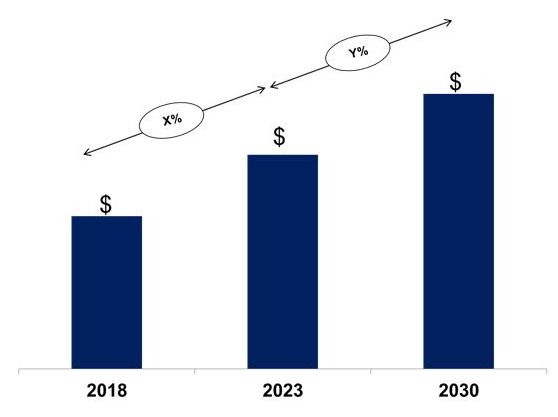
The future of the hybrid device market in South Korea looks promising with opportunities in the retail, personal use, healthcare, telecom, IT, educational, and institution markets. The hybrid device market is expected to reach an estimated $121.8 billion by 2031 with a CAGR of 19.2% from 2025 to 2031. The hybrid device market in South Korea is also forecasted to witness strong growth over the forecast period. The major drivers for this market are the growing consumer interest in devices that offer extended battery life and robust battery performance, advancements in emerging technologies, such as the evolution of machine learning algorithms and refinement of natural language processing techniques, and rising consumer demand for detachable devices.
• Lucintel forecasts that, within the type category, detachable devices will remain the largest segment over the forecast period because they feature a screen that can be separated from the keyboard, converting it into a standalone tablet, as well as the devices are prized for their adaptability and ease of use.
• Within the end use industry category, personal use will remain the highest growing segment over the forecast period because it encompasses individual consumers seeking hybrid devices for their personal needs, as well as, these users are often in search of a device that seamlessly combines the productivity of a laptop with the convenience of a tablet for individual needs.
Emerging Trends in the Hybrid Device Market in South Korea
South Korea has always been at the forefront of technology, and hybrid devices are gaining momentum due to the growing demand for diversified high-performance tools. The trend for hybrid device sales is fueled by several factors such as the demand for mobile productivity tools, the shift in work policies from office space to remote workspace, and technologically savvy users. These trends reflect South KoreaÄX%$%Xs position at the forefront of innovation, as hybrid devices offer portability, performance, and multi-functionality for both work and play, driving the marketÄX%$%Xs rapid growth.
• Demand for Hybrid Devices in the Enterprise Sector: Hybrid devices are gaining popularity in South KoreaÄX%$%Xs enterprise sector, where businesses are seeking versatile solutions for remote and flexible work environments. In these devices, employees get the strength of a laptop and the portability of a tablet. With hybrid work trends emerging in each sector, the demand for portable and high-performance devices is on the rise. Hybrid devices in the corporate industry make smooth transitions between work tasks, enhancing productivity and collaboration, thus reshaping how companies operate in this digital world.
• Significant Consumer Demand for 5G-Enabled Hybrid Devices: The roll-out of 5G connectivity in South Korea, hybrid devices equipped with 5G connections are becoming popular. South Korea is one of the first countries to implement 5G, and consumers are searching for devices that enable operation and take significant advantage of 5G speeds. Hybrid devices with 5G-enabled connections facilitate users to stream content, collaborate, and work from remote locations more efficiently. As a result, consumers and businesses continue to demand integrated 5G devices, keeping manufacturers focused on integrating these hybrid devices to not miss opportunities.
• Education Sector - Increasing Adoption for Learning: This is another vital sector in South Korea where students and educators see hybrid devices playing a significant role in learning environments. Digital learning and remote education have become much more popular among students; thus, learning tools must combine portability and power. Hybrid devices are becoming the go-to choice, as they allow for easy access to learning materials, virtual classrooms, and collaboration tools. As the government and schools promote digital learning initiatives, hybrid devices play a pivotal role in making education more accessible and flexible, driving further growth in the market.
• Shift Towards Sustainable and Eco-friendly Hybrid Devices: Consumers in South Korea are starting to pay attention to sustainability. Hybrid device makers are embracing green materials and practices in manufacturing, as the South Korean consumer has become increasingly concerned about the environment. Sustainability has become a prime driver for consumer purchases, leading hybrid device manufacturers to use recyclable materials, minimize waste, and increase energy efficiency in hybrid device production. This bodes well for South Korea being a leader in reducing carbon emissions and propelling the circular economy, where hybrid sustainable devices are one of the positives in this market.
• AI and Smart Features: AI features are among the major trends in South KoreaÄX%$%Xs hybrid device market, with manufacturers incorporating AI-driven features to evolve a better user experience. AI applications, such as voice assistants, personalized recommendations, and predictive performance optimization, are making hybrid devices smarter and more intuitive. These innovations improve user productivity and streamline tasks, from content creation to remote collaboration. As AI adoption increases across various sectors, hybrid devices with advanced AI features are becoming essential tools for both consumers and professionals in South Korea.
These emerging trends are transforming South KoreaÄX%$%Xs hybrid device market by meeting the needs of consumers for performance, connectivity, sustainability, and innovation. The move towards 5G, AI integration, and eco-friendly solutions is changing the way South Koreans interact with technology. As there is growing interest in hybrid devices for education and enterprise, these trends are driving the development of more versatile and powerful devices, making South Korea a leader in the global hybrid device market.
Recent Developments in the Hybrid Device Market in South Korea
South KoreaÄX%$%Xs hybrid device market has been growing at a tremendous rate over the past few years, influenced by advancements in technology, changes in consumer preferences, and the increased demand for flexible, high-performance devices. The most important developments in the market indicate South KoreaÄX%$%Xs technological leadership and its emphasis on improving connectivity, sustainability, and user experience. These developments are changing the way consumers and businesses in South Korea interact with hybrid devices, further fueling the growth of the market.
• Introduction of 5G-Enabled Hybrid Devices: The most significant development in South KoreaÄX%$%Xs hybrid device market is the introduction of 5G-enabled hybrid devices. The head start in adopting 5G technology has given South Korean tech giants the advantage to introduce hybrid devices that support ultra-fast 5G networks. This has sharply increased the attraction of hybrid devices for data connectivity users to access high-speed internet, video streaming, and remote collaboration. The integration of 5G is a key factor driving demand for hybrid devices, particularly in sectors like business, education, and entertainment.
• Expansion of Hybrid Devices for Remote Learning: The shift to remote learning, accelerated by the COVID-19 pandemic, has led to the increased adoption of hybrid devices in South KoreaÄX%$%Xs education sector. Educational institutions are increasingly equipping students and teachers with hybrid devices to facilitate online classes and digital collaboration. As schools and universities focus on providing students with flexible learning tools, hybrid devices have become essential, offering portability, functionality, and ease of use. This trend is expected to continue as South Korea invests further in digital education infrastructure.
• Launch of Eco-friendly Hybrid Devices: As sustainability becomes a key concern for consumers, manufacturers in South Korea are responding by launching eco-friendly hybrid devices. These devices are made from recyclable materials, use energy-efficient components, and incorporate sustainable manufacturing practices. This development aligns with South KoreaÄX%$%Xs broader commitment to environmental responsibility and is driving growth in the market. Consumers are increasingly prioritizing eco-conscious products, and this trend is influencing the hybrid device market by prompting manufacturers to adopt more sustainable approaches in design and production.
• Integration of Advanced AI Features: Incorporating artificial intelligence (AI) into hybrid devices has become a significant development in South KoreaÄX%$%Xs market. Hybrid devices are now equipped with AI features such as smart assistants, facial recognition, and personalized performance adjustments. These AI-driven features enhance the user experience by providing more intuitive interactions and improving productivity. As AI adoption increases across sectors, South Korean consumers are becoming more attracted to hybrid devices that offer these intelligent capabilities, positioning AI integration as a key differentiator in the competitive hybrid device market.
• Growth of the Hybrid Device Market in Enterprises: The enterprise sector in South Korea is experiencing a surge in hybrid device adoption. Companies are increasingly providing employees with hybrid devices to support remote work, collaboration, and mobility. This development is driven by the need for flexibility in the workplace, where employees require devices that can seamlessly transition between work and personal tasks. Hybrid devices are now widely accepted by companies big and small, as they combine the power of a laptop with the portability of a tablet, increasing productivity and enabling seamless collaboration across the digital workplace.
These developments are reshaping South KoreaÄX%$%Xs hybrid device market by driving demand for 5G-enabled devices, AI integration, and sustainable solutions. The education sectorÄX%$%Xs shift towards remote learning, combined with the growing adoption of hybrid devices in enterprises, reflects broader market trends. As manufacturers focus on delivering more innovative, connected, and eco-friendly devices, South KoreaÄX%$%Xs hybrid device market is poised for continued growth, positioning the country as a global leader in the hybrid technology space.
Strategic Growth Opportunities for Hybrid Device Market in South Korea
South KoreaÄX%$%Xs hybrid device market is growing rapidly, with consumers demanding performance, portability, and functionality in a single device. With the country still at the forefront of technological innovation, strategic growth opportunities have emerged across various applications. These opportunities reflect broader trends such as digital transformation, increasing mobile productivity, and a growing focus on sustainability. To meet the needs of South Korean consumers and businesses, firms operating in the hybrid device market can exploit these opportunities.
• Enterprise Solutions Hybrid Devices: Hybrid devices will continue to gain demand in the enterprise sector as organizations in South Korea embrace flexible working environments. Hybrid devices that combine the power of laptops with the portability of tablets are ideal for businesses looking for flexible solutions for remote work and mobile productivity. Employees need devices that enable them to collaborate, access data, and stay productive whether working from home or on the go. This trend presents a strong growth opportunity for manufacturers targeting businesses and enterprise users who need performance, flexibility, and portability in one device.
• Hybrid Devices for Education: South Korea’s digital education transformation is accelerating the adoption of hybrid devices in schools and universities. With the shift to remote and blended learning models, educational institutions are equipping students and educators with devices that support online learning and digital collaboration. Hybrid devices are the perfect solution, offering portability for students on the go and powerful performance for educators. The increasing investment in digital infrastructure by the South Korean government further creates growth opportunities for hybrid device manufacturers in the education sector, making it a key application area for expansion.
• Hybrid Devices in the Healthcare Sector: The healthcare industry in South Korea presents a significant growth opportunity for hybrid devices. Healthcare professionals can use these devices to access electronic health records, conduct virtual consultations, and manage patient data. Hybrid devices enable high performance and ease of mobility, which is an important aspect of fast-paced healthcare environments. The South Korean government is emphasizing the advancement of healthcare technologies and telemedicine, so there will be an increase in the demand for hybrid devices in medical practices, hospitals, and clinics. This is a ripe application for companies seeking to serve a high-demand, tech-driven industry.
• Hybrid Devices for Gaming and Entertainment: The gaming and entertainment industries in South Korea are evolving, with hybrid devices gaining more popularity among consumers for high-performance gaming and media consumption. There is great demand for portable devices that deliver computing power and can be used for mobile gaming and streaming services. Hybrid devices give gamers and content creators the flexibility to switch from work to play. Manufacturers can capitalize on the growing gaming culture by developing hybrid devices that offer enhanced graphics, processing power, and seamless connectivity for gaming and media enthusiasts.
• Hybrid Devices for 5G Connectivity: As South Korea is a global leader in 5G deployment, the demand for 5G-enabled hybrid devices is surging. These devices take full advantage of the fast and reliable 5G networks, allowing users to access content, stream media, and collaborate in real time. The 5G infrastructure in South Korea presents an opportunity for manufacturers to develop hybrid devices that meet the needs of consumers and businesses seeking high-speed connectivity. With the integration of 5G capabilities, companies can capture a growing segment of users who demand superior performance in both mobile and work environments.
These strategic growth opportunities underscore the multifaceted use cases for hybrid devices within South Korea. From enterprise solutions and education to healthcare, gaming, and 5G connectivity, hybrid devices are fast becoming staples of digital transformation in the country. By aligning their products with these emerging applications, manufacturers can gain access to South KoreaÄX%$%Xs tech-savvy market and enjoy growing demand from users seeking portable, high-performance, and connected devices.
Hybrid Device Market in South Korea Driver and Challenges
The hybrid device market in South Korea is influenced by several technological, economic, and regulatory factors that shape its growth trajectory. Key drivers, such as advances in connectivity, the demand for flexible work solutions, and the country’s leadership in technology, are pushing the market forward. However, challenges include high costs, competition from other device categories, and limitations of infrastructure that could impede the marketÄX%$%Xs full potential. Stakeholders, therefore, require an understanding of these drivers and challenges to navigate the market and capitalize on growth opportunities.
The factors driving the hybrid device market include:
• Technological Advancements: Technological advancements are the primary driver for the hybrid device market in South Korea. Hardware components, including processors, storage, and display technologies, continuously evolve, allowing hybrid devices to provide better performance, portability, and versatility. Hybrid devices, for instance, can accommodate the needs of various consumers with the introduction of innovations such as 5G connectivity, AI integration, and touch screen improvements. With South Korea being one of the leaders in technology development worldwide, the manufacturing of hybrid devices provides a good scope to infuse the latest features and thus enhance their usability and attraction.
• Escalating Demand for Hybrid Devices in Remote Working: Remote and hybrid work patterns have gained more prominence in South Korea. Therefore, hybrid devices with flexible options have seen increasing demand. Companies and individuals need devices that can easily switch between work and personal use, keeping them productive anywhere. Hybrid devices, which combine the power of a laptop with the portability of a tablet, have become the perfect solution for remote work. As businesses and employees embrace flexible work arrangements, this driver significantly contributes to the growing popularity of hybrid devices in South Korea.
• Rise of 5G Connectivity: 5G deployments in South Korea are another big driver for hybrid devices. The rapid rollout of 5G networks is now forcing consumers and businesses to look for devices that can fully benefit from faster speeds, low latency, and higher connectivity. The 5G-enabled hybrid device will enable access to high-speed internet, collaborative remote work, streaming, and real-time applications. As 5G adoption increases, hybrid devices are positioned as essential tools for those who need uninterrupted, high-performance connectivity.
• Government Support for Digital Transformation: South Korean government initiatives in digital transformation and technological innovation also propel the hybrid device market. Policies initiated by the government to support digital education, e-government services, and infrastructure development create a friendly environment for hybrid devices. Technology-driven solutions invested in by both the public and private sectors further fuel demand for versatile and high-performance devices. Therefore, hybrid devices have become a necessity for achieving the goals of digitalization.
• Increasing Technologically Progressive Consumer Segment: South Korea is home to the highest number of technologically savvy consumers worldwide. It boasts high smartphone and internet penetration rates. Hybrid devices, therefore, find a very lucrative market because customers seek flexibility and function in a single device. South KoreansÄX%$%X penchant for upscale technology and innovation translates into big demand for hybrid devices that can integrate the best features in an all-in-one device akin to a laptop, tablet, or smartphone. This is a tech-savvy population that gives hybrid device manufacturers an exciting market. Demand is bound to increase in this market as consumers want the latest and most innovative solutions.
Challenges in the hybrid device market include:
• High Cost of Hybrid Devices: Hybrid devices are relatively pricey in South Korea. Although these devices offer more functionality, they are often pricier than traditional laptops or tablets, thus limiting their reach to price-sensitive consumers. Manufacturers need to balance innovation with affordability to capture a wider customer base. Furthermore, businesses are less likely to invest in hybrid devices if the cost is not justified by the benefits, slowing down adoption in certain segments of the market.
• Intense Competition from Other Device Categories: Hybrid devices compete strongly with other categories of devices, including laptops, tablets, and smartphones. While hybrids incorporate aspects from several devices, many customers still want specialized devices meant to meet specific needs. Businesses, for instance, may prefer laptops or tablets with more targeted features for work or personal use, retarding further growth in hybrid devices. Therefore, these categories introduce hybrid device producers to continuous innovation and differentiation in terms of products.
• Infrastructure Factors in Remote Areas: The penetration of high-speed internet and mobile connectivity in most remote areas in South Korea still lags, although urban centers have some of the worldÄX%$%Xs most developed digital infrastructure. Hybrid devices mainly rely on steady and fast internet connectivity to avail their full gamut of features, such as remote work, streaming, and cloud services. In areas where the infrastructure is inadequate, consumers may be less likely to invest in hybrid devices, thus impacting the general growth of markets in those areas.
Hybrid device markets in South Korea are driven forward by technological changes, increasing remote work demands, and the great 5G infrastructure in South Korea. However, the market is still burdened by cost, competition from other devices, and infrastructure barriers. Manufacturers and stakeholders who can navigate these drivers and challenges stand a good chance of capitalizing on South KoreaÄX%$%Xs growing need for versatile hybrid devices with performance.
List of Hybrid Device Market in South Korea Companies
Companies in the market compete on the basis of product quality offered. Major players in this market focus on expanding their manufacturing facilities, R&D investments, infrastructural development, and leverage integration opportunities across the value chain. Through these strategies, hybrid device companies cater to increasing demand, ensure competitive effectiveness, develop innovative products & technologies, reduce production costs, and expand their customer base. Some of the hybrid device companies profiled in this report include:
• Company 1
• Company 2
• Company 3
• Company 4
• Company 5
• Company 6
• Company 7
• Company 8
• Company 9
• Company 10
Hybrid Device Market in South Korea by Segment
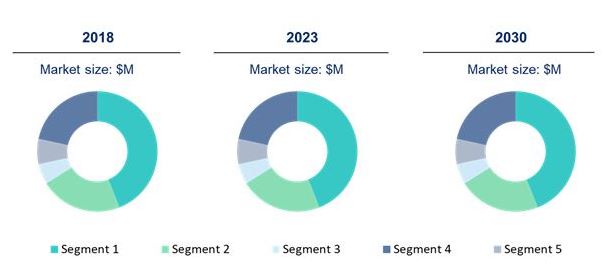
The study includes a forecast for the hybrid device market in South Korea by type, screen size, and end use industry.
Hybrid Device Market in South Korea by Type [Analysis by Value from 2019 to 2031]:
• Detachable
• Convertible
Hybrid Device Market in South Korea by Screen Size [Analysis by Value from 2019 to 2031]:
• Less than 12 Inch (<12”)
• 12 Inch to 15 Inch (12”-15”)
• Greater than 15 Inch (>15”)
Hybrid Device Market in South Korea by End Use Industry [Analysis by Value from 2019 to 2031]:
• Retail
• Personal Use
• Healthcare
• Telecom and IT
• Educational
• Institutions
• Others
Features of the Hybrid Device Market in South Korea
Market Size Estimates: Hybrid device in South Korea market size estimation in terms of value ($B).
Trend and Forecast Analysis: Market trends and forecasts by various segments.
Segmentation Analysis: Hybrid device in South Korea market size by type, screen size, and end use industry in terms of value ($B).
Growth Opportunities: Analysis of growth opportunities in different types, screen sizes, and end use industries for the hybrid device in South Korea.
Strategic Analysis: This includes M&A, new product development, and competitive landscape of the hybrid device in South Korea.
Analysis of competitive intensity of the industry based on Porter’s Five Forces model.
If you are looking to expand your business in this or adjacent markets, then contact us. We have done hundreds of strategic consulting projects in market entry, opportunity screening, due diligence, supply chain analysis, M & A, and more.
FAQ
Q1. What are the major drivers influencing the growth of the GPU as a service market in India?
Answer: The major drivers for this market are growing emphasis on research and development within the gaming and design sectors, escalating adoption of machine learning and AI-based applications among various industries, and rising demand for advanced data analytics.
Q2. What are the major segments for GPU as a service market?
Answer: The future of the GPU as a service market looks promising with opportunities in the healthcare, BFSI, manufacturing, IT & telecommunication, and automotive applications.
Q3. Which GPU as a service market segment will be the largest in future?
Answer: Lucintel forecasts that private is expected to witness the highest growth over the forecast period.
Q4. Do we receive customization in this report?
Answer: Yes, Lucintel provides 10% customization without any additional cost.
This report answers following 10 key questions:
Q.1. What are some of the most promising, high-growth opportunities for the hybrid device market in South Korea by type (detachable and convertible), screen size (less than 12 inch (<12”), 12 inch to 15 inch (12”-15”), and greater than 15 inch (>15”)), and end use industry (retail, personal use, healthcare, telecom and IT, educational, institutions, and others)?
Q.2. Which segments will grow at a faster pace and why?
Q.3. What are the key factors affecting market dynamics? What are the key challenges and business risks in this market?
Q.4. What are the business risks and competitive threats in this market?
Q.5. What are the emerging trends in this market and the reasons behind them?
Q.6. What are some of the changing demands of customers in the market?
Q.7. What are the new developments in the market? Which companies are leading these developments?
Q.8. Who are the major players in this market? What strategic initiatives are key players pursuing for business growth?
Q.9. What are some of the competing products in this market and how big of a threat do they pose for loss of market share by material or product substitution?
Q.10. What M&A activity has occurred in the last 5 years and what has its impact been on the industry?
For any questions related to Hybrid Device Market In South Korea, Hybrid Device Market In South Korea Size, Hybrid Device Market In South Korea Growth, Hybrid Device Market In South Korea Analysis, Hybrid Device Market In South Korea Report, Hybrid Device Market In South Korea Share, Hybrid Device Market In South Korea Trends, Hybrid Device Market In South Korea Forecast, Hybrid Device Companies, write Lucintel analyst at email: helpdesk@lucintel.com. We will be glad to get back to you soon.