Close Lucintel Chat
Didn't Find What You're Looking for?
Call us at +1972 636 5056 or write at helpdesk@Lucintel.com
Ask an Expert Provide Custom Requirements Download Sample Report Search Available Reports
  • helpdesk@Lucintel.com
  • |
  • Call Lucintel +1 972 636 5056
  • |
  • Login
  • |
  • Register
  • |
  • Search
  • |
'
...

The Impact of COVID-19 is included in Hybrid Device Market in South Africa. Buy it today to get an advantage.

Request the impact of COVID-19 on your product or industry


Hybrid Device Market in South Africa Trends and Forecast

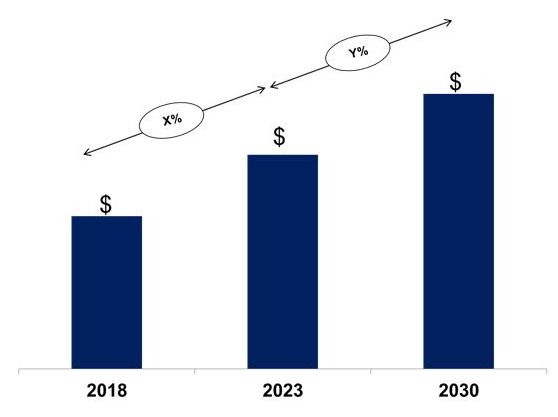
The future of the hybrid device market in South Africa looks promising with opportunities in the retail, personal use, healthcare, telecom, IT, educational, and institution markets. The hybrid device market is expected to reach an estimated $121.8 billion by 2031 with a CAGR of 19.2% from 2025 to 2031. The hybrid device market in South Africa is also forecasted to witness strong growth over the forecast period. The major drivers for this market are the growing consumer interest in devices that offer extended battery life and robust battery performance, advancements in emerging technologies, such as the evolution of machine learning algorithms and refinement of natural language processing techniques, and rising consumer demand for detachable devices.

• Lucintel forecasts that, within the type category, detachable devices will remain the largest segment over the forecast period because they feature a screen that can be separated from the keyboard, converting it into a standalone tablet, as well as the devices are prized for their adaptability and ease of use.
• Within the end use industry category, personal use will remain the highest growing segment over the forecast period because it encompasses individual consumers seeking hybrid devices for their personal needs, as well as, these users are often in search of a device that seamlessly combines the productivity of a laptop with the convenience of a tablet for individual needs.

Hybrid Device Market in South Africa Trends and Forecast

Emerging Trends in the Hybrid Device Market in South Africa

The hybrid device market in South Africa has been evolving rapidly, driven by advancements in technology and the increasing demand for versatile devices that combine the functionalities of laptops, tablets, and smartphones. Hybrid devices offer a unique solution for consumers who seek convenience, portability, and productivity. The market is witnessing innovations in hardware, software, and user experience, alongside growing interest from industries such as education, business, and entertainment. These trends indicate a shift toward more integrated, flexible devices tailored to the needs of the modern South African consumer.

• Growth in Hybrid Laptop-Tablet Devices: Hybrid devices that seamlessly blend the functionality of laptops and tablets are becoming more popular. These devices cater to consumers who need the power of a laptop for work but also the flexibility and portability of a tablet for personal use. As more South Africans seek devices that can serve multiple purposes, manufacturers are responding with more powerful, lightweight, and durable hybrid models. These innovations are reshaping consumer expectations and fueling demand for devices that can transition between work and leisure environments easily.
• Increased Demand for 5G Connectivity: The rollout of 5G networks in South Africa, hybrid devices are increasingly expected to support 5G connectivity, allowing users to experience faster internet speeds, better streaming quality, and improved remote work experiences. This trend is essential as hybrid devices are becoming a primary choice for professionals and students who require consistent, high-speed internet access for collaboration, learning, and entertainment. The integration of 5G enhances the versatility of hybrid devices, making them more competitive in the market by enabling them to handle more demanding tasks.
• Focus on Sustainability and Eco-friendly Materials: Consumers in South Africa are becoming more environmentally conscious, leading to increased demand for hybrid devices made from sustainable, eco-friendly materials. Manufacturers are incorporating recycled plastics, biodegradable components, and energy-efficient processes into the production of hybrid devices. This trend not only appeals to eco-conscious consumers but also helps brands differentiate themselves in a crowded market. South African companies are now prioritizing the circular economy model, pushing the market toward greener alternatives and fostering long-term sustainability.
• Integration of Artificial Intelligence (AI): Artificial Intelligence (AI) is becoming a key feature in the hybrid device market. AI-powered applications are enhancing device functionality by offering better voice assistants, improved facial recognition, and predictive performance capabilities. These AI capabilities are transforming hybrid devices into intelligent systems capable of learning user preferences and adjusting their performance accordingly. In South Africa, as AI adoption increases, consumers are becoming more attracted to devices that offer enhanced personalization, efficiency, and user-friendly experiences.
• Expansion of Cloud Services Integration: Hybrid devices in South Africa are increasingly being designed with seamless cloud service integration, allowing users to access, store, and share data across multiple devices effortlessly. Cloud computing provides users with flexibility and scalability, making it easier for South Africans to work remotely, collaborate on projects, and store data securely. As cloud technology becomes more accessible, the integration of cloud services into hybrid devices will continue to enhance their functionality, driving the adoption of hybrid devices across various sectors, from education to business.

These trends are reshaping the hybrid device market in South Africa to offer consumers more versatile, connected, and eco-friendly options. New technologies like 5G, AI, and cloud services are enhancing user experience, while the demand for sustainable products is forcing manufacturers to innovate. Together, these trends create a dynamic market that will grow in response to changing consumer needs.

Recent Developments in the Hybrid Device Market in South Africa

The hybrid device market in South Africa has experienced significant growth as technological advancements and consumer preferences evolve. South African consumers are increasingly adopting hybrid devices due to their ability to combine the best features of laptops, tablets, and smartphones in a single device. Recent developments reflect the demand for enhanced productivity, connectivity, and user-centric designs, while local manufacturers and global brands are tailoring their offerings to meet the diverse needs of the South African market. These developments are reshaping how South Africans interact with technology.

• Launch of Hybrid Devices by Local Brand: Local South African brands have recently entered the hybrid device market, offering products designed specifically for the local market. These devices are tailored to meet the needs of South African consumers, such as affordability, durability, and long battery life. By entering the market, local manufacturers are addressing gaps in pricing and product variety, which has enabled more consumers to access hybrid technology. This development is fostering a competitive landscape and encouraging international brands to localize their offerings to stay relevant.
• Expansion of Hybrid Device Retail Options: The retail landscape for hybrid devices in South Africa is expanding, with more physical and online stores offering these products. The rise of e-commerce platforms and local retailers stocking hybrid devices has made it easier for consumers to purchase these products. As hybrid devices gain popularity, South African retailers are investing in better display setups and offering personalized services to help consumers make informed choices. This trend is increasing accessibility and awareness, making hybrid devices more mainstream in South Africa.
• Collaboration Between Telecom Operators and Hybrid Device Manufacturers: South African telecom operators have started to partner with hybrid device manufacturers in offering bundled deals with 5G connectivity, to be acquired when purchasing a hybrid device. This will bring extra value to the consumer and allow them to acquire the latest hybrid technology in tandem with a data plan. These partnerships between telecom operators and device manufacturers are crucial for improving the overall customer experience and encouraging the adoption of high-performance hybrid devices in South Africa.
• Rise of Hybrid Devices for Education and Remote Work: In response to the growing demand for remote work and online education, hybrid devices are increasingly being adopted by schools, universities, and businesses in South Africa. These devices allow users to seamlessly transition between tasks like studying, attending virtual meetings, and collaborating with teams. The government and educational institutions are also supporting this trend by promoting digital learning initiatives, making hybrid devices an essential tool for South Africans seeking to enhance productivity in a hybrid work environment.
• Investment in After-Sales Services and Warranty Programs: With hybrid devices becoming popular in South Africa, manufacturers are investing heavily in after-sales services and warranty programs. This includes offering extended warranties, repair services, and customer support to ensure a positive ownership experience. The development of comprehensive after-sales support is helping build trust and loyalty among South African consumers. It also ensures that the total cost of ownership is managed effectively, which is crucial for driving long-term adoption of hybrid devices in the country.

These developments are shaping the hybrid device market in South Africa by making the technology more accessible, reliable, and affordable. Local brand initiatives, expanded retail options, and strategic partnerships between telecom operators and manufacturers are accelerating adoption, while education and remote work trends continue to drive demand. Enhanced after-sales services further solidify consumer confidence, ensuring the hybrid device market remains a strong and growing segment in South AfricaÄX%$%Xs technology landscape.

Strategic Growth Opportunities for Hybrid Device Market in South Africa

The hybrid device market in South Africa offers a number of strategic growth opportunities across key applications as technology advances and consumer needs evolve. Hybrid devices continue to gain traction for their versatility, and growth potential exists in sectors such as education, business, and entertainment. South African consumers are looking for more flexible devices that combine the best features of laptops, tablets, and smartphones. Companies can capitalize on these emerging needs by targeting key applications and further driving the market’s expansion.

• Hybrid Devices for Education: The education sector presents a huge growth opportunity for hybrid devices in South Africa. With the introduction of more digital ways of learning, hybrid devices allow for even greater flexibility in learning, collaboration, and engagement with content across class and remote settings. Hybrid devices support e-learning efforts through portability, multi-functional use, and long battery life. The South African government is pushing for digital learning infrastructure, and the emergence of online education platforms make this a prime area for investment, driving demand for versatile devices that enhance the learning experience.
• Hybrid Devices for Remote Work: Hybrid devices are a promising opportunity in the South African market as remote work becomes more prevalent. These devices meet the needs of professionals by offering portability, computing power, and virtual collaboration capabilities. Hybrid devices make it easy to switch between tasks like work, video calls, and content creation, boosting productivity for remote workers. The adoption of hybrid devices by companies in South Africa, as part of their remote working strategies, is increasing. The growing demand for flexible work environments presents a significant growth opportunity.
• Hybrid Devices in Retail and E-Commerce: The retail and e-commerce sectors in South Africa are going through a digital transformation, and hybrid devices play an important role in this transformation. Hybrid devices are being used by retailers for a wide range of functions, from point-of-sale systems to managing online orders and customer engagement. These devices allow staff to perform tasks both in-store and remotely. With an increase in online shopping, especially via mobile phones, there will be a growing demand for more powerful yet portable hybrid devices to serve both customers and retailers. Growth paths for this application are emerging.
• Hybrid Devices for Content Creation and Entertainment: South AfricaÄX%$%Xs creative industry is growing, and there is an emerging demand for hybrid devices in content creation and entertainment. More powerful processors, touchscreens, stylus support, and versatility make hybrid devices ideal for graphic designers, video editors, and artists. With the increasing popularity of social media, digital content, and streaming services, demand for high-performance multimedia application-supporting hybrid devices is accelerating. As South Africa embraces digital content production, this segment holds promise for companies offering hybrid devices that best suit the needs of content creators.
• Health Devices Hybrid Application in Healthcare: Hybrid devices also represent an under-exploited opportunity in the healthcare sector. EMR applications, patient management systems, mobile diagnostics, and telemedicine consultations benefit healthcare providers, who rely on devices that are portable, quick to access information, and capable of supporting remote collaboration with specialists. With the ongoing implementation of digital technologies and telehealth solutions in South Africa’s healthcare sector, the growth of hybrid devices in this field will increase, presenting a potential lucrative growth opportunity.

These strategic growth opportunities are opening up the possibility for hybrid devices to penetrate diverse sectors in South Africa. From education and remote work to healthcare and retail, hybrid devices offer solutions that improve productivity, flexibility, and accessibility. Companies targeting these applications can take advantage of the growing demand for adaptable technology in a rapidly digitalizing environment, positioning themselves to lead in the evolving South African market.

Hybrid Device Market in South Africa Driver and Challenges

The hybrid device market in South Africa is influenced by a number of technological, economic, and regulatory factors. These factors serve as both major drivers and challenges that impact the growth of the market. On one hand, technological advancements, increased internet penetration, and the push for digital transformation in sectors such as education and business are fueling demand for hybrid devices. On the other hand, infrastructure, price, and awareness-related concerns are likely to limit growth opportunities. Understanding these dynamics will be relevant for market participants seeking to tap into South Africa’s hybrid device market.

The factors driving the hybrid device market include:
• Technological Factors: Technology plays a pertinent role in shaping the hybrid devices market in South Africa. Hybrid devices continue to evolve through constant improvements in processors, connectivity, and user interfaces. These developments are enabling hybrid devices to deliver performance, portability, and versatility. Advancements in features like 5G connectivity, AI integration, and improved battery life are taking hybrid devices to new heights, making them more appealing to consumers. Advances in display technology and touch interfaces continue to enhance user experience, further propelling demand for hybrid devices in South AfricaÄX%$%Xs tech-savvy market.
• Digital Transformation in Education and Business: The ongoing digital transformation in both the education and business sectors is driving demand for hybrid devices in South Africa. Schools, universities, and corporations are embracing hybrid work and learning models, which require versatile devices that support remote collaboration and content creation. The COVID-19 pandemic accelerated this shift, and hybrid devices are now integral to ensuring business continuity and effective education delivery. This has led to increased demand for hybrid devices in sectors such as education and business, making it a major growth driver for the market.
• Increase in Internet Penetration: Internet penetration in South Africa has risen, with positive implications for the hybrid device market. As more South Africans access the internet through mobile networks, the need for devices connected to the internet, such as hybrid devices, is growing. Hybrid devices are well-equipped to take full advantage of high-speed internet access, enabling users to work remotely, collaborate online, and access digital services. The expansion of 5G networks in South Africa will further accelerate the adoption of hybrid devices, supporting faster and more reliable connectivity for users.
• Growing Demand for Portability and Flexibility: South African consumers are increasingly seeking devices that offer portability and flexibility, driving the growth of the hybrid device market. Hybrid devices combine the power of a laptop with the portability of a tablet, making them ideal for those who need to work, study, and play on the go. With the growing trend of mobile work and productivity, lightweight, user-friendly devices are in higher demand than ever before. This requirement for flexibility is encouraging manufacturers to focus on developing hybrid devices with enhanced functionality and portability.
• Government Support: Government initiatives to promote digital literacy, e-learning, and remote work are driving the growth of hybrid devices in South Africa. The South African government has initiated several programs to support the digitalization of education and businesses, including funding for tech adoption and infrastructure development. These initiatives create a favorable environment for hybrid device adoption, especially in education and small businesses, where affordability and accessibility are key concerns.

Challenges in the hybrid device market include:
• Affordability and Price Sensitivity: Affordability remains one of the biggest challenges for the hybrid device market in South Africa. Many consumers and businesses find hybrid devices expensive compared to traditional laptops or tablets. Given the economic conditions in the country, price sensitivity is a significant factor influencing purchasing decisions. Manufacturers need to address this challenge by offering more affordable models or financing options to make hybrid devices accessible to a broader audience.
• Insufficient Digital Infrastructure: Although internet access is expanding, South Africa still lags in terms of reliable digital infrastructure, particularly outside urban areas. The inconsistent availability of high-speed, reliable internet affects the full functionality of hybrid devices, especially those that rely on cloud-based services, video conferencing, and remote capabilities. Manufacturers and service providers must collaborate to ensure that hybrid devices are compatible with varying network conditions and that the necessary infrastructure is in place to support the growing demand for these devices.
• Consumer Awareness and Education: Educating consumers about the benefits and functionality of hybrid devices in South Africa is a challenge. Many potential users may not understand the advantages of owning a hybrid device or may not be familiar with the concept of hybrids. This requires increased marketing efforts, educational campaigns, and demonstrations to raise awareness and help consumers make informed decisions when purchasing these devices. Manufacturers need to focus on customer education to ensure that hybrid devices become ubiquitous.

The drivers such as technological advancements, digital transformation, and government initiatives are propelling the hybrid device market in South Africa. However, challenges like affordability, infrastructure limitations, and consumer awareness need to be addressed for sustained market growth. Understanding these dynamics will help stakeholders navigate the market and develop strategies that meet consumer needs, positioning hybrid devices as essential tools in South Africa’s evolving digital landscape.

List of Hybrid Device Market in South Africa Companies

Companies in the market compete on the basis of product quality offered. Major players in this market focus on expanding their manufacturing facilities, R&D investments, infrastructural development, and leverage integration opportunities across the value chain. Through these strategies, hybrid device companies cater to increasing demand, ensure competitive effectiveness, develop innovative products & technologies, reduce production costs, and expand their customer base. Some of the hybrid device companies profiled in this report include:
• Company 1
• Company 2
• Company 3
• Company 4
• Company 5
• Company 6
• Company 7
• Company 8
• Company 9
• Company 10

Hybrid Device Market in South Africa by Segment

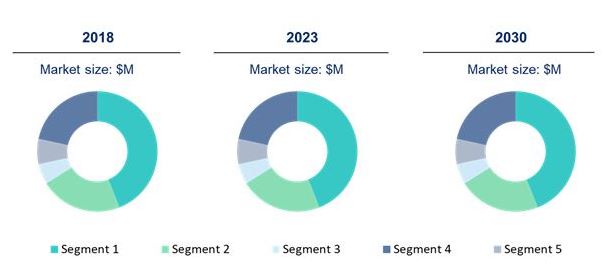
The study includes a forecast for the hybrid device market in South Africa by type, screen size, and end use industry.

Hybrid Device Market in South Africa by Type [Analysis by Value from 2019 to 2031]:


• Detachable
• Convertible

Hybrid Device Market in South Africa by Screen Size [Analysis by Value from 2019 to 2031]:


• Less than 12 Inch (<12”)
• 12 Inch to 15 Inch (12”-15”)
• Greater than 15 Inch (>15”)

Hybrid Device Market in South Africa by End Use Industry [Analysis by Value from 2019 to 2031]:


• Retail
• Personal Use
• Healthcare
• Telecom and IT
• Educational
• Institutions
• Others

Lucintel Analytics Dashboard

Features of the Hybrid Device Market in South Africa

Market Size Estimates: Hybrid device in South Africa market size estimation in terms of value ($B).
Trend and Forecast Analysis: Market trends and forecasts by various segments.
Segmentation Analysis: Hybrid device in South Africa market size by type, screen size, and end use industry in terms of value ($B).
Growth Opportunities: Analysis of growth opportunities in different types, screen sizes, and end use industries for the hybrid device in South Africa.
Strategic Analysis: This includes M&A, new product development, and competitive landscape of the hybrid device in South Africa.
Analysis of competitive intensity of the industry based on Porter’s Five Forces model.

If you are looking to expand your business in this or adjacent markets, then contact us. We have done hundreds of strategic consulting projects in market entry, opportunity screening, due diligence, supply chain analysis, M & A, and more.
Lucintel Consulting Services

FAQ

Q1. What are the major drivers influencing the growth of the GPU as a service market in India?
Answer: The major drivers for this market are growing emphasis on research and development within the gaming and design sectors, escalating adoption of machine learning and AI-based applications among various industries, and rising demand for advanced data analytics.
Q2. What are the major segments for GPU as a service market?
Answer: The future of the GPU as a service market looks promising with opportunities in the healthcare, BFSI, manufacturing, IT & telecommunication, and automotive applications.
Q3. Which GPU as a service market segment will be the largest in future?
Answer: Lucintel forecasts that private is expected to witness the highest growth over the forecast period.
Q4. Do we receive customization in this report?
Answer: Yes, Lucintel provides 10% customization without any additional cost.

This report answers following 10 key questions:

Q.1. What are some of the most promising, high-growth opportunities for the hybrid device market in South Africa by type (detachable and convertible), screen size (less than 12 inch (<12”), 12 inch to 15 inch (12”-15”), and greater than 15 inch (>15”)), and end use industry (retail, personal use, healthcare, telecom and IT, educational, institutions, and others)?
Q.2. Which segments will grow at a faster pace and why?
Q.3. What are the key factors affecting market dynamics? What are the key challenges and business risks in this market?
Q.4. What are the business risks and competitive threats in this market?
Q.5. What are the emerging trends in this market and the reasons behind them?
Q.6. What are some of the changing demands of customers in the market?
Q.7. What are the new developments in the market? Which companies are leading these developments?
Q.8. Who are the major players in this market? What strategic initiatives are key players pursuing for business growth?
Q.9. What are some of the competing products in this market and how big of a threat do they pose for loss of market share by material or product substitution?
Q.10. What M&A activity has occurred in the last 5 years and what has its impact been on the industry?
For any questions related to Hybrid Device Market In South Africa, Hybrid Device Market In South Africa Size, Hybrid Device Market In South Africa Growth, Hybrid Device Market In South Africa Analysis, Hybrid Device Market In South Africa Report, Hybrid Device Market In South Africa Share, Hybrid Device Market In South Africa Trends, Hybrid Device Market In South Africa Forecast, Hybrid Device Companies, write Lucintel analyst at email: helpdesk@lucintel.com. We will be glad to get back to you soon.

                                                            Table of Contents

            1. Executive Summary

            2. Hybrid Device Market in South Africa: Market Dynamics
                        2.1: Introduction, Background, and Classifications
                        2.2: Supply Chain
                        2.3: Industry Drivers and Challenges

            3. Market Trends and Forecast Analysis from 2019 to 2031
                        3.1. Macroeconomic Trends (2019-2024) and Forecast (2025-2031)
                        3.2. Hybrid Device Market in South Africa Trends (2019-2024) and Forecast (2025-2031)
                        3.3: Hybrid Device Market in South Africa by Type
                                    3.3.1: Detachable
                                    3.3.2: Convertible
                        3.4: Hybrid Device Market in South Africa by Screen Size
                                    3.4.1: Less than 12 inch (<12”)
                                    3.4.2: 12 inch to 15 inch (12”-15”)
                                    3.4.3: Greater than 15 inch (>15”)
                        3.5: Hybrid Device Market in South Africa by End Use Industry
                                    3.5.1: Retail
                                    3.5.2: Personal Use
                                    3.5.3: Healthcare
                                    3.5.4: Telecom and IT
                                    3.5.5: Educational
                                    3.5.6: Institutions
                                    3.5.7: Others

            4. Competitor Analysis
                        4.1: Product Portfolio Analysis
                        4.2: Operational Integration
                        4.3: Porter’s Five Forces Analysis

            5. Growth Opportunities and Strategic Analysis
                        5.1: Growth Opportunity Analysis
                                    5.1.1: Growth Opportunities for the Hybrid Device Market in South Africa by Type
                                    5.1.2: Growth Opportunities for the Hybrid Device Market in South Africa by Screen Size
                                   
                        5.2: Emerging Trends in the Hybrid Device Market
                        5.3: Strategic Analysis
                                    5.3.1: New Product Development
                                    5.3.2: Capacity Expansion of the Hybrid Device Market in South Africa
                                    5.3.3: Mergers, Acquisitions, and Joint Ventures in the Hybrid Device Market in South Africa
                                    5.3.4: Certification and Licensing

            6. Company Profiles of Leading Players
                        6.1: Company 1
                        6.2: Company 2
                        6.3: Company 3
                        6.4: Company 4
                        6.5: Company 5
                        6.6: Company 6
                        6.7: Company 7
                        6.8: Company 8
                        6.9: Company 9
                        6.10: Company 10
.

Buy full report or by chapter as follows

Limited Time Offer

Price by License Type:
[-] Hide Chapter Details
[Chapter Number] [Chapter Name] [Chapter Number Of Pages] [Chapter Price]
Title/Chapter Name Pages Price
Full Report: Hybrid Device Market in South Africa Full Report $ 2,990
150 - page report
Lucintel has been in the business of market research and management consulting since 2000 and has published over 1000 market intelligence reports in various markets / applications and served over 1,000 clients worldwide. This study is a culmination of four months of full-time effort performed by Lucintel's analyst team. The analysts used the following sources for the creation and completion of this valuable report:
  • In-depth interviews of the major players in this market
  • Detailed secondary research from competitors’ financial statements and published data 
  • Extensive searches of published works, market, and database information pertaining to industry news, company press releases, and customer intentions
  • A compilation of the experiences, judgments, and insights of Lucintel’s professionals, who have analyzed and tracked this market over the years.
Extensive research and interviews are conducted across the supply chain of this market to estimate market share, market size, trends, drivers, challenges, and forecasts. Below is a brief summary of the primary interviews that were conducted by job function for this report.
 
Thus, Lucintel compiles vast amounts of data from numerous sources, validates the integrity of that data, and performs a comprehensive analysis. Lucintel then organizes the data, its findings, and insights into a concise report designed to support the strategic decision-making process. The figure below is a graphical representation of Lucintel’s research process. 
 

Please sign in below to get report brochure - Hybrid Device Market in South Africa .

At Lucintel, we respect your privacy and maintain the confidentiality of information / data provided by you
(Please enter your corporate email. * These fields are mandatory )

Follow us on