Close Lucintel Chat
Didn't Find What You're Looking for?
Call us at +1972 636 5056 or write at helpdesk@Lucintel.com
Ask an Expert Provide Custom Requirements Download Sample Report Search Available Reports
  • helpdesk@Lucintel.com
  • |
  • Call Lucintel +1 972 636 5056
  • |
  • Login
  • |
  • Register
  • |
  • Search
  • |
'
...

The Impact of COVID-19 is included in Hybrid Device Market in Netherlands. Buy it today to get an advantage.

Request the impact of COVID-19 on your product or industry


Hybrid Device Market in Netherlands Trends and Forecast

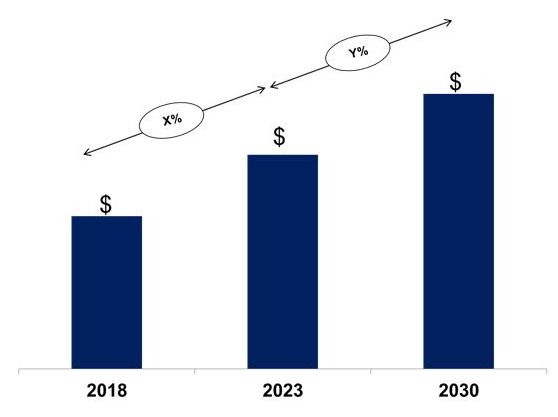
The future of the hybrid device market in Netherlands looks promising with opportunities in the retail, personal use, healthcare, telecom, IT, educational, and institution markets. The hybrid device market is expected to reach an estimated $121.8 billion by 2031 with a CAGR of 19.2% from 2025 to 2031. The hybrid device market in Netherlands is also forecasted to witness strong growth over the forecast period. The major drivers for this market are the growing consumer interest in devices that offer extended battery life and robust battery performance, advancements in emerging technologies, such as the evolution of machine learning algorithms and refinement of natural language processing techniques, and rising consumer demand for detachable devices.

• Lucintel forecasts that, within the type category, detachable devices will remain the largest segment over the forecast period because they feature a screen that can be separated from the keyboard, converting it into a standalone tablet, as well as the devices are prized for their adaptability and ease of use.
• Within the end use industry category, personal use will remain the highest growing segment over the forecast period because it encompasses individual consumers seeking hybrid devices for their personal needs, as well as, these users are often in search of a device that seamlessly combines the productivity of a laptop with the convenience of a tablet for individual needs.

Hybrid Device Market in Netherlands Trends and Forecast

Emerging Trends in the Hybrid Device Market in Netherlands

The hybrid device market in the Netherlands is evolving rapidly, influenced by technological advancements, consumer demand for multifunctional products, and the country’s push toward sustainability and digital transformation. Hybrid devices, which combine multiple functions into a single product, are becoming integral across various sectors, including consumer electronics, healthcare, automotive, and industrial automation. The Netherlands, known for its strong innovation and tech ecosystem, is witnessing several key trends that are reshaping the hybrid device market. Below are five key emerging trends.

• Growth of Wearables and Health Monitoring Devices: The demand for hybrid wearables, such as smartwatches and fitness trackers, is rising in the Netherlands as consumers increasingly prioritize health and wellness. These devices are combining fitness tracking, heart rate monitoring, and other health-related functions with communication and entertainment features. As digital health adoption grows and consumers seek more personalized wellness solutions, wearable hybrid devices are becoming essential tools for maintaining an active and healthy lifestyle. This trend is expected to continue as technological advancements in sensors and AI provide more sophisticated health-monitoring capabilities.
• Integration of AI and IoT in Smart Homes: The integration of artificial intelligence (AI) and the Internet of Things (IoT) into hybrid devices is transforming smart home solutions in the Netherlands. Devices that combine home automation, energy management, and security functions are becoming increasingly common. Hybrid devices such as smart thermostats, security cameras, and energy-efficient appliances are making homes more intelligent, efficient, and secure. AI-powered algorithms help optimize energy use, while IoT connectivity enables seamless communication between various devices. This trend is reshaping the way people interact with their homes, offering increased convenience and sustainability.
• Electric Vehicle (EV) and Smart Mobility Integration: The hybrid device market in the Netherlands is witnessing increased adoption of smart mobility solutions, particularly in the electric vehicle (EV) sector. Hybrid devices in EVs, including infotainment systems, advanced navigation, and real-time diagnostics tools, are playing a crucial role in enhancing driving experiences and optimizing vehicle performance. The NetherlandsÄX%$%X focus on sustainability and its goal to become a leader in EV adoption is driving the demand for connected and intelligent hybrid devices that improve vehicle efficiency, provide real-time data, and integrate seamlessly with other smart city infrastructure.
• Rise of Hybrid Devices in Industrial Automation: In the Netherlands, industrial automation is being transformed by hybrid devices that integrate IoT, sensors, and data analytics. These devices are crucial in enhancing production efficiency, predictive maintenance, and real-time monitoring across industries such as manufacturing, logistics, and energy. Hybrid devices that combine multiple functionalities—such as data gathering, processing, and remote control—are helping businesses optimize operations and reduce costs. As the Netherlands continues to invest in Industry 4.0 technologies, the demand for such hybrid solutions is expected to grow, supporting the country’s industrial modernization.
• Sustainable Hybrid Devices and Eco-friendly Solutions: As part of its commitment to sustainability, the Netherlands is seeing increased demand for hybrid devices designed with energy efficiency and environmental impact in mind. Products that combine eco-friendly materials, energy-saving functions, and smart technology are gaining popularity. Hybrid devices with integrated solar power, energy monitoring, and low-carbon technologies appeal to consumer interest in sustainability in living. There is a force brewing in the green policies of the Netherlands that encourages carbon footprint reduction for products sold in the market, while significant innovations are in efforts to reduce resources and enhance efficiencies in energy usage.

The developing trends in hybrid devices influence the hybrid market in the Netherlands, which finds strong bases in health and wellness, smart homes, sustainable mobility, and industrial automation alongside eco-friendly alternatives. Innovation toward sustainability will enable the hybrid device market to cope with consumer desires, business preferences, and an environment that keeps changing. These trends have further pushed the economic growth of respective sectors, influencing the country at large.

Recent Developments in the Hybrid Device Market in Netherlands

The hybrid device market in the Netherlands has been experiencing rapid growth, driven by advancements in technology, consumer demand for multifunctionality, and the country’s push toward sustainability. As a global leader in innovation and digital transformation, the Netherlands continues to shape the hybrid device market with its focus on green technology, smart homes, and electric mobility. Below are five key recent developments that are having a significant impact on the market.

• Government Initiatives to Promote Sustainable Technology: The Dutch government’s commitment to sustainability has spurred the development of hybrid devices designed to minimize energy consumption and reduce carbon footprints. Policies supporting clean energy, such as the NetherlandsÄX%$%X ambitious renewable energy targets and incentives for electric vehicles (EVs), are driving the growth of hybrid solutions in the energy and transportation sectors. This support is encouraging manufacturers to develop hybrid devices with energy-saving features, further integrating sustainability into consumer and industrial technology solutions.
• Growth of Electric Vehicle (EV) Adoption: The Netherlands is at the forefront of the electric vehicle revolution in Europe, and this is directly influencing the hybrid device market. This growing demand in EVs raises the need for hybrid devices. These hybrid devices promote vehicle connectivity, energy efficiency, and various smart mobility characteristics. Infotainment systems, real-time diagnostics, and the integration of charging stations are very critical areas for the use of hybrid devices by automotive companies. The supporting infrastructure and encouragement from the NetherlandsÄX%$%X government ensure an ecosystem through which EV growth, as well as hybrid smart transportation devices, may be generated.
• Rise of Smart Homes and Home Automation: The demand for smart homes in the Netherlands is fueling the adoption of hybrid devices that combine automation, energy management, and security. Smart thermostats, home security systems, and connected appliances are being integrated into hybrid devices that provide seamless control and enhance the user experience. Dutch consumers are increasingly investing in connected home technologies that improve energy efficiency and offer personalized comfort. This trend is driving innovation in hybrid devices as companies focus on developing products that integrate various functionalities to enhance convenience, sustainability, and security in the home.
• Advancements in Industrial IoT (IIoT) and Automation: The Netherlands is embracing Industry 4.0 technologies, and hybrid devices are playing a critical role in industrial automation. Industrial IoT devices that combine sensors, data analytics, and real-time communication are being adopted across manufacturing and logistics sectors. These hybrid solutions enable predictive maintenance, optimize production efficiency, and provide real-time insights into operational performance. The Netherlands’ push toward digitalization and automation in its industries is fostering a strong demand for hybrid devices that support smart manufacturing, helping businesses stay competitive and reduce costs.
• Integration of AI and Data Analytics in Consumer Devices: AI-powered hybrid devices that integrate data analytics are becoming more common in the Netherlands, particularly in consumer electronics. Devices such as smartwatches, home assistants, and personal health devices are using AI to offer more personalized and intuitive user experiences. This integration allows consumers to optimize their daily routines, monitor health, and manage household functions with greater efficiency. As AI technology continues to evolve, the demand for hybrid devices that leverage machine learning and data analytics is expected to grow, providing new opportunities for innovation in the consumer technology market.

Recent developments in the hybrid device market in the Netherlands are being shaped by government policies, technological advancements, and consumer demand for smarter, more sustainable solutions. Electric vehicles, smart homes, industrial automation, and AI-driven devices are fueling growth in various sectors. These innovations position the Netherlands at the forefront of hybrid device development, driving growth and transformation in industries like automotive, consumer electronics, and manufacturing. As such, the Dutch market will be a significant part of the global hybrid device market.

Strategic Growth Opportunities for Hybrid Device Market in Netherlands

The hybrid device market in the Netherlands is poised for significant growth, driven by the countryÄX%$%Xs commitment to sustainability, digital transformation, and consumer demand for multifunctional technologies. As there is a growing focus on connected devices and smart technologies across industries, the hybrid device market is seeing opportunities in automotive, healthcare, consumer electronics, and smart homes. Here are five key growth opportunities by application that are shaping the hybrid device market in the Netherlands:

• Electric Vehicles and Smart Mobility: The Netherlands at the forefront of embracing electric vehicles, the need for hybrid devices that optimize vehicle performance, connectivity, and user experience has grown significantly. Hybrid devices, such as smart infotainment systems, real-time diagnostics, and vehicle-to-grid solutions, are being integrated into EVs to optimize energy efficiency and improve the user experience. These hybrid devices are acting as a significant bridge, connecting EVs to broader smart mobility networks. This, in turn, promotes and propels the growth of both the EV sector and the hybrid market in the Netherlands.
• Smart Homes and Energy Management: As sustainability and energy efficiency become increasingly relevant, the hybrid market in the Netherlands is experiencing growth in the smart home sector. Hybrid devices that integrate energy management, home automation, and security are in high demand. These products, such as smart thermostats, energy-efficient appliances, and home security systems, allow consumers to optimize their energy consumption and enhance home security. The rise of environmentally conscious living is driving innovation in hybrid devices, providing companies with opportunities to meet demand for energy-efficient and interconnected smart home solutions.
• Healthcare and Telemedicine Solutions: The demand for hybrid devices is growing within the healthcare sector, as the country continues investing in telemedicine and digital health solutions. Hybrid devices, including wearable health trackers, remote diagnostic tools, and telemedicine platforms, have improved patient care and extended healthcare access. With advancements in sensors, AI, and IoT, these products now enable real-time health monitoring and remote consultations, offering relief from the overwhelming pressures on the healthcare system and creating new opportunities for innovation in the hybrid device market, particularly in personalized healthcare solutions.
• Industrial Automation and IoT: The Dutch focus on Industry 4.0 and digitization is driving the growth of industrial automation hybrid devices. The manufacturing and logistics sectors are being revolutionized by hybrid devices that combine IoT sensors, data analytics, and automation technologies. These hybrid devices enable real-time monitoring, predictive maintenance, and improved operational efficiency, reducing downtime and operational costs. As the country continues to push for smart manufacturing and digital transformation across its industries, hybrid devices that integrate multiple functions to optimize production processes will play a crucial role in driving market growth.
• Consumer Electronics and Wearables: The demand for multifunctional consumer electronics, particularly wearables, is on the rise in the Netherlands. Hybrid devices, such as smartwatches, fitness trackers, and augmented reality glasses, are gaining popularity for their ability to combine entertainment, health monitoring, and communication features into a single device. As consumers seek more versatile and personalized technology solutions, the hybrid device market in the Netherlands is expected to expand, providing opportunities for companies to innovate and deliver advanced wearables that integrate health tracking, entertainment, and connectivity features into one compact product.

These strategic growth opportunities in electric vehicles, smart homes, healthcare, industrial automation, and consumer electronics are driving the expansion of the hybrid device market in the Netherlands. As the country continues to innovate and prioritize sustainability and digitalization, hybrid devices are becoming essential in various applications. Companies that capitalize on these opportunities will be able to tap into a growing market for multifunctional, connected technologies, fostering the continued evolution of the hybrid device sector in the Netherlands.

Hybrid Device Market in Netherlands Driver and Challenges

The hybrid device market in the Netherlands is being influenced by a combination of technological, economic, and regulatory factors. The countryÄX%$%Xs emphasis on sustainability, the shift toward digital transformation, and the growing demand for multifunctional devices are some of the major drivers. However, challenges such as high production costs, regulatory complexities, and market saturation also pose obstacles. Understanding these drivers and challenges is crucial for stakeholders seeking to navigate the market landscape and identify growth opportunities.

The factors driving the hybrid device market include:
• Technological Advancements and Connectivity: Technological innovation, especially in AI, IoT, and 5G connectivity, is one of the main drivers of the hybrid device market in the Netherlands. The integration of these technologies into hybrid devices allows for enhanced functionalities, improved user experiences, and smarter connectivity. As devices become increasingly interconnected, the demand for hybrid solutions that combine multiple functions into one product grows. Technological advancements provide opportunities for companies to create more versatile and efficient devices, further accelerating market growth.
• Consumer Demand for Multifunctionality: Consumers in the Netherlands are increasingly seeking multifunctional devices that simplify their lives by combining multiple features into a single product. This is driving the hybrid device market, particularly in areas such as wearables, smart homes, and automotive. Innovation is being fueled by the increasing demand for convenience, personalization, and efficiency, as companies try to build products that cater to the changing needs of technology-savvy consumers. This shift towards multifunctional solutions creates new opportunities for hybrid devices across industries.
• Sustainability and Environmental Awareness: The Netherlands places a prime concern on sustainability, and the popularity of hybrid devices with an eco-friendly approach is a result of this. Both consumers and commercial entities are seeking products that save energy and minimize environmental impact. Renewable energy sources, like solar power, can be integrated into hybrid devices, or the devices may incorporate energy-saving functionalities. As the Netherlands continues to push for sustainability, hybrid devices that align with environmental goals will play a significant role in the countryÄX%$%Xs green tech market.
• Government Support for Digital Transformation: The Dutch government is actively supporting digital transformation across various sectors, including healthcare, manufacturing, and transportation. This support is driving the demand for hybrid devices that integrate digital technologies such as IoT, AI, and automation. Government initiatives toward smart cities, Industry 4.0, and telemedicine are creating a positive environment for hybrid devices. The innovation and digitalization supported by the Dutch government provide significant opportunities for hybrid device manufacturers to expand their offerings in the market.
• Growth of the Electric Vehicle Market: The Netherlands is a leader in electric vehicle adoption, and this trend is driving demand for hybrid devices in the automotive sector. Hybrid devices that enhance the connectivity, energy efficiency, and performance of EVs are becoming essential. As the Dutch government continues to promote clean mobility solutions through incentives and infrastructure development, the demand for hybrid devices in the EV market is expected to grow. This trend is fostering opportunities for companies to innovate and create hybrid products that improve the EV ownership experience.

Challenges in the hybrid device market include:
• High Production Cost: Hybrid devices are expensive to develop and manufacture, as they integrate multiple technologies and require advanced components. High production costs may lead to higher market prices, restricting accessibility. Smaller companies may find it difficult to compete with larger players who benefit from economies of scale. Managing production costs while ensuring high-quality products is a significant challenge for manufacturers looking to enter the hybrid device market in the Netherlands.
• Regulatory Compliance and Standards: Hybrid devices, particularly in sectors like healthcare and automotive, must meet strict regulatory standards related to safety, data privacy, and performance. Navigating these regulations can be challenging, especially for new market entrants. Compliance with local and international standards requires significant investment in research and development, which may delay product launches. The complexity of regulatory environments in the Netherlands may limit the speed at which hybrid devices can be introduced to the market.
• Market Saturation and Competition: The hybrid device market in the Netherlands is becoming increasingly competitive, with numerous companies vying for market share across various applications. As the market matures, saturation can lead to price wars, reducing profit margins and making it harder for new players to differentiate their products. Established brands have a strong presence, and new entrants must find unique value propositions to stand out. This competitive pressure could slow market growth and create barriers to entry.

The hybrid device market in the Netherlands is shaped by technological advancements, consumer demand for multifunctional products, and a strong emphasis on sustainability. However, challenges such as high production costs, regulatory complexities, and market competition require companies to innovate and adapt to remain competitive. The general influence of the drivers and challenges is stimulating growth and intense competition within the hybrid device market, compelling companies to focus on developing differentiated and value-driven products while navigating regulatory and economic hurdles.

List of Hybrid Device Market in Netherlands Companies

Companies in the market compete on the basis of product quality offered. Major players in this market focus on expanding their manufacturing facilities, R&D investments, infrastructural development, and leverage integration opportunities across the value chain. Through these strategies, hybrid device companies cater to increasing demand, ensure competitive effectiveness, develop innovative products & technologies, reduce production costs, and expand their customer base. Some of the hybrid device companies profiled in this report include:
• Company 1
• Company 2
• Company 3
• Company 4
• Company 5
• Company 6
• Company 7
• Company 8
• Company 9
• Company 10

Hybrid Device Market in Netherlands by Segment

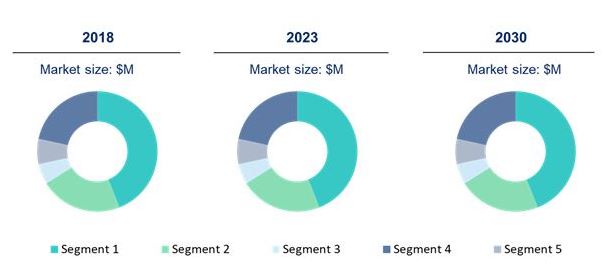
The study includes a forecast for the hybrid device market in Netherlands by type, screen size, and end use industry.

Hybrid Device Market in Netherlands by Type [Analysis by Value from 2019 to 2031]:


• Detachable
• Convertible

Hybrid Device Market in Netherlands by Screen Size [Analysis by Value from 2019 to 2031]:


• Less than 12 Inch (<12”)
• 12 Inch to 15 Inch (12”-15”)
• Greater than 15 Inch (>15”)

Hybrid Device Market in Netherlands by End Use Industry [Analysis by Value from 2019 to 2031]:


• Retail
• Personal Use
• Healthcare
• Telecom and IT
• Educational
• Institutions
• Others

Lucintel Analytics Dashboard

Features of the Hybrid Device Market in Netherlands

Market Size Estimates: Hybrid device in Netherlands market size estimation in terms of value ($B).
Trend and Forecast Analysis: Market trends and forecasts by various segments.
Segmentation Analysis: Hybrid device in Netherlands market size by type, screen size, and end use industry in terms of value ($B).
Growth Opportunities: Analysis of growth opportunities in different types, screen sizes, and end use industries for the hybrid device in Netherlands.
Strategic Analysis: This includes M&A, new product development, and competitive landscape of the hybrid device in Netherlands.
Analysis of competitive intensity of the industry based on Porter’s Five Forces model.

If you are looking to expand your business in this or adjacent markets, then contact us. We have done hundreds of strategic consulting projects in market entry, opportunity screening, due diligence, supply chain analysis, M & A, and more.
Lucintel Consulting Services

FAQ

Q1. What are the major drivers influencing the growth of the GPU as a service market in India?
Answer: The major drivers for this market are growing emphasis on research and development within the gaming and design sectors, escalating adoption of machine learning and AI-based applications among various industries, and rising demand for advanced data analytics.
Q2. What are the major segments for GPU as a service market?
Answer: The future of the GPU as a service market looks promising with opportunities in the healthcare, BFSI, manufacturing, IT & telecommunication, and automotive applications.
Q3. Which GPU as a service market segment will be the largest in future?
Answer: Lucintel forecasts that private is expected to witness the highest growth over the forecast period.
Q4. Do we receive customization in this report?
Answer: Yes, Lucintel provides 10% customization without any additional cost.

This report answers following 10 key questions:

Q.1. What are some of the most promising, high-growth opportunities for the hybrid device market in Netherlands by type (detachable and convertible), screen size (less than 12 inch (<12”), 12 inch to 15 inch (12”-15”), and greater than 15 inch (>15”)), and end use industry (retail, personal use, healthcare, telecom and IT, educational, institutions, and others)?
Q.2. Which segments will grow at a faster pace and why?
Q.3. What are the key factors affecting market dynamics? What are the key challenges and business risks in this market?
Q.4. What are the business risks and competitive threats in this market?
Q.5. What are the emerging trends in this market and the reasons behind them?
Q.6. What are some of the changing demands of customers in the market?
Q.7. What are the new developments in the market? Which companies are leading these developments?
Q.8. Who are the major players in this market? What strategic initiatives are key players pursuing for business growth?
Q.9. What are some of the competing products in this market and how big of a threat do they pose for loss of market share by material or product substitution?
Q.10. What M&A activity has occurred in the last 5 years and what has its impact been on the industry?
For any questions related to Hybrid Device Market In Netherlands, Hybrid Device Market In Netherlands Size, Hybrid Device Market In Netherlands Growth, Hybrid Device Market In Netherlands Analysis, Hybrid Device Market In Netherlands Report, Hybrid Device Market In Netherlands Share, Hybrid Device Market In Netherlands Trends, Hybrid Device Market In Netherlands Forecast, Hybrid Device Companies, write Lucintel analyst at email: helpdesk@lucintel.com. We will be glad to get back to you soon.

                                                            Table of Contents

            1. Executive Summary

            2. Hybrid Device Market in Netherlands: Market Dynamics
                        2.1: Introduction, Background, and Classifications
                        2.2: Supply Chain
                        2.3: Industry Drivers and Challenges

            3. Market Trends and Forecast Analysis from 2019 to 2031
                        3.1. Macroeconomic Trends (2019-2024) and Forecast (2025-2031)
                        3.2. Hybrid Device Market in Netherlands Trends (2019-2024) and Forecast (2025-2031)
                        3.3: Hybrid Device Market in Netherlands by Type
                                    3.3.1: Detachable
                                    3.3.2: Convertible
                        3.4: Hybrid Device Market in Netherlands by Screen Size
                                    3.4.1: Less than 12 inch (<12”)
                                    3.4.2: 12 inch to 15 inch (12”-15”)
                                    3.4.3: Greater than 15 inch (>15”)
                        3.5: Hybrid Device Market in Netherlands by End Use Industry
                                    3.5.1: Retail
                                    3.5.2: Personal Use
                                    3.5.3: Healthcare
                                    3.5.4: Telecom and IT
                                    3.5.5: Educational
                                    3.5.6: Institutions
                                    3.5.7: Others

            4. Competitor Analysis
                        4.1: Product Portfolio Analysis
                        4.2: Operational Integration
                        4.3: Porter’s Five Forces Analysis

            5. Growth Opportunities and Strategic Analysis
                        5.1: Growth Opportunity Analysis
                                    5.1.1: Growth Opportunities for the Hybrid Device Market in Netherlands by Type
                                    5.1.2: Growth Opportunities for the Hybrid Device Market in Netherlands by Screen Size
                                   
                        5.2: Emerging Trends in the Hybrid Device Market
                        5.3: Strategic Analysis
                                    5.3.1: New Product Development
                                    5.3.2: Capacity Expansion of the Hybrid Device Market in Netherlands
                                    5.3.3: Mergers, Acquisitions, and Joint Ventures in the Hybrid Device Market in Netherlands
                                    5.3.4: Certification and Licensing

            6. Company Profiles of Leading Players
                        6.1: Company 1
                        6.2: Company 2
                        6.3: Company 3
                        6.4: Company 4
                        6.5: Company 5
                        6.6: Company 6
                        6.7: Company 7
                        6.8: Company 8
                        6.9: Company 9
                        6.10: Company 10
.

Buy full report or by chapter as follows

Limited Time Offer

Price by License Type:
[-] Hide Chapter Details
[Chapter Number] [Chapter Name] [Chapter Number Of Pages] [Chapter Price]
Title/Chapter Name Pages Price
Full Report: Hybrid Device Market in Netherlands Full Report $ 2,990
150 - page report
Lucintel has been in the business of market research and management consulting since 2000 and has published over 1000 market intelligence reports in various markets / applications and served over 1,000 clients worldwide. This study is a culmination of four months of full-time effort performed by Lucintel's analyst team. The analysts used the following sources for the creation and completion of this valuable report:
  • In-depth interviews of the major players in this market
  • Detailed secondary research from competitors’ financial statements and published data 
  • Extensive searches of published works, market, and database information pertaining to industry news, company press releases, and customer intentions
  • A compilation of the experiences, judgments, and insights of Lucintel’s professionals, who have analyzed and tracked this market over the years.
Extensive research and interviews are conducted across the supply chain of this market to estimate market share, market size, trends, drivers, challenges, and forecasts. Below is a brief summary of the primary interviews that were conducted by job function for this report.
 
Thus, Lucintel compiles vast amounts of data from numerous sources, validates the integrity of that data, and performs a comprehensive analysis. Lucintel then organizes the data, its findings, and insights into a concise report designed to support the strategic decision-making process. The figure below is a graphical representation of Lucintel’s research process. 
 

Please sign in below to get report brochure - Hybrid Device Market in Netherlands .

At Lucintel, we respect your privacy and maintain the confidentiality of information / data provided by you
(Please enter your corporate email. * These fields are mandatory )

Follow us on