'
...

The Impact of COVID-19 is included in Hybrid Device Market in Brazil. Buy it today to get an advantage.

Request the impact of COVID-19 on your product or industry


Hybrid Device Market in Brazil Trends and Forecast

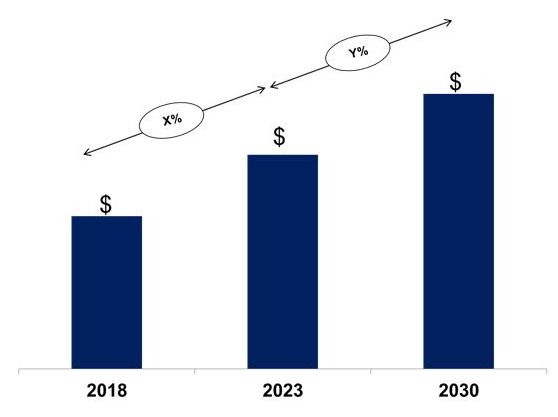
The future of the hybrid device market in Brazil looks promising with opportunities in the retail, personal use, healthcare, telecom, IT, educational, and institution markets. The hybrid device market is expected to reach an estimated $121.8 billion by 2031 with a CAGR of 19.2% from 2025 to 2031. The hybrid device market in Brazil is also forecasted to witness strong growth over the forecast period. The major drivers for this market are the growing consumer interest in devices that offer extended battery life and robust battery performance, advancements in emerging technologies, such as the evolution of machine learning algorithms and refinement of natural language processing techniques, and rising consumer demand for detachable devices.

• Lucintel forecasts that, within the type category, detachable devices will remain the largest segment over the forecast period because they feature a screen that can be separated from the keyboard, converting it into a standalone tablet, as well as the devices are prized for their adaptability and ease of use.
• Within the end use industry category, personal use will remain the highest growing segment over the forecast period because it encompasses individual consumers seeking hybrid devices for their personal needs, as well as, these users are often in search of a device that seamlessly combines the productivity of a laptop with the convenience of a tablet for individual needs.

Hybrid Device Market in Brazil Trends and Forecast

Emerging Trends in the Hybrid Device Market in Brazil

The hybrid device market in Brazil is growing rapidly due to new technological advancements and shifting consumer demands. Hybrid devices are increasingly in demand because of the rising need for versatility, portability, and performance in business, education, and personal use. Connectivity, mobility, and user flexibility drive the demand for hybrid devices in the Brazilian market. Key trends reflect a growing desire for devices that balance work and entertainment, support remote work, and offer sustainability. These developments are reshaping the hybrid device market in Brazil, making it an exciting and competitive segment.

• Rise in Remote Work and Education: The COVID-19 pandemic accelerated the demand for hybrid devices, especially in remote work and education. In Brazil, many businesses and educational institutions are adopting hybrid models, which require versatile devices that support video conferencing, online learning, and collaboration. The need for devices that combine the functionality of both laptops and tablets, offering flexibility and portability, has increased. This trend is particularly important in BrazilÄX%$%Xs expanding digital economy, where technology adoption is essential for maintaining productivity and continuity in work and education environments.
• Adoption of 5G for Enhanced Connectivity: The rollout of 5G networks in Brazil is significantly boosting the hybrid device market. With faster speeds and improved connectivity, 5G-enabled hybrid devices allow for seamless video streaming, real-time communication, and cloud-based applications. This trend is transforming how Brazilian consumers and businesses use hybrid devices, offering faster and more efficient access to information and services. As Brazil’s 5G network infrastructure expands, the demand for 5G-equipped hybrid devices is expected to increase, enabling mobile professionals and enterprises to remain competitive in a connected world.
• Focus on Sustainability and Eco-Friendly Materials: Sustainability is becoming an important factor in the Brazilian market, with consumers increasingly opting for eco-friendly products. Hybrid device manufacturers are responding to this demand by using sustainable materials, such as recycled plastics and aluminum, and improving energy efficiency. In Brazil, where environmental awareness is on the rise, manufacturers are focused on reducing e-waste and creating devices with longer lifecycles. This trend not only appeals to environmentally conscious consumers but also aligns with global sustainability efforts, positioning Brazil as a key market for eco-friendly hybrid technology.
• Improved Battery Life and Power Efficiency: Brazilian consumers are placing greater emphasis on battery life and energy efficiency, particularly for devices that need to support long hours of remote work or learning. Hybrid devices featuring energy-efficient processors and larger battery capacities are increasingly in demand. The ability to work or study throughout the day without frequent charging interruptions is a significant selling point. This trend is driving manufacturers in Brazil to focus on innovations that extend battery life while maintaining device performance, ensuring that hybrid devices can meet the needs of busy, on-the-go users.
• Demand for Multi-Functionality and High Performance: As consumers in Brazil seek devices that can serve multiple purposes—whether for business, entertainment, or creative work—there is a rising demand for hybrid devices that offer high performance. Hybrid devices with powerful processors, large storage capacities, and high-resolution displays are becoming essential tools for professionals and content creators. These devices are designed to handle demanding applications such as video editing, 3D design, and multitasking. This trend is pushing manufacturers to produce hybrid devices with higher performance capabilities while maintaining the portability and flexibility that users expect.

Emerging trends in BrazilÄX%$%Xs hybrid device market highlight a clear shift toward more versatile, powerful, and eco-friendly solutions. The rise of remote work and education, combined with the rollout of 5G, is driving the demand for hybrid devices that offer seamless connectivity and productivity. Sustainability is also becoming a significant factor, as consumers seek more eco-conscious products. These trends are reshaping the market, making hybrid devices an essential part of BrazilÄX%$%Xs digital transformation. Manufacturers that innovate in terms of performance, connectivity, and sustainability will thrive in this competitive landscape.

Recent Developments in the Hybrid Device Market in Brazil

The hybrid device market in Brazil has evolved, and the need for long-lasting, portable, and high-performance devices is rising. These versatile, multifunctional devices, which combine the best features of laptops and tablets, have become a necessity for businesses, educational institutions, and consumers. Technological advances, increased connectivity, and changing consumer behavior are driving the growth of BrazilÄX%$%Xs hybrid device market. In the following five development areas, trends in this market are highlighted.

• 5G Network Expansion: The hybrid device market is further enhanced by the rollout of 5G networks within Brazil. By providing better internet speeds and lower latency, 5G technology allows hybrid devices to perform more efficiently, especially in mobile applications such as cloud computing, video conferencing, and real-time data sharing. More and more Brazilian consumers and businesses are acquiring hybrid devices capable of 5G connectivity. Remote work, online learning, and other modern work styles are contributing to the surging demand for devices that fully exploit 5G capabilities. This significantly enhances market growth.
• Government Support to Promote Digital Inclusion: Brazil’s government is focusing on improving digital inclusion through various initiatives aimed at expanding internet access and providing affordable devices to underserved regions. Programs offering subsidies or financial support for hybrid devices are helping make these technologies more accessible to a broader population. With an increasing focus on online education and remote work, these initiatives are accelerating the adoption of hybrid devices, especially in rural and economically disadvantaged areas. The government’s efforts are helping create a more inclusive digital ecosystem in Brazil.
• Rise in Hybrid Devices for Education: One key impact of increased use of remote and blended learning models is the adoption of hybrid devices across BrazilÄX%$%Xs educational sectors. With students receiving devices with both tablet-like and laptop functionalities to assist in accessing and using learning materials, schools and colleges are embracing hybrid-based models for their various e-learning platforms. This includes interactive experiences for learning digitally, such as digital notations, video lessons, online testing, etc. This development is shaping the future of education in Brazil, offering greater flexibility and accessibility for both students and teachers.
• Increased Focus on Sustainability in Device Design: The rising environmental awareness, hybrid device manufacturers in Brazil are increasingly focusing on sustainability. Devices made from recycled materials, energy-efficient components, and those with longer lifecycles are becoming more common. As eco-conscious Brazilian consumers demand greener products, manufacturers are responding by reducing e-waste and using environmentally friendly packaging. This trend aligns with global efforts to reduce the tech industry’s carbon footprint, allowing Brazilian consumers to choose devices that align with their sustainability values while benefiting from the versatility and performance of hybrid models.
• Improved Battery Life and Energy Efficiency: Battery life remains a critical factor for Brazilian consumers when choosing hybrid devices. As these devices are used for extended hours, particularly for remote work and online education, manufacturers are focusing on improving battery efficiency. Advances in battery technology and power-saving modes are making hybrid devices more reliable, allowing users to work longer without needing to recharge. Brazilian consumers, who often face issues with power availability in certain regions, are increasingly prioritizing devices with longer battery life, influencing manufacturers to innovate in this area.

Recent developments in BrazilÄX%$%Xs hybrid device market reflect a clear demand for more versatile, sustainable, and high-performance products. The expansion of 5G networks, coupled with government initiatives for digital inclusion, is enhancing the connectivity and accessibility of hybrid devices. The rise of hybrid devices in education, along with an increased focus on sustainability and battery efficiency, is reshaping how Brazilian consumers use and interact with technology. These developments are driving the hybrid device market forward, positioning it as a critical component of BrazilÄX%$%Xs digital transformation.

Strategic Growth Opportunities for Hybrid Device Market in Brazil

The hybrid device market in Brazil is experiencing rapid growth, driven by evolving consumer preferences, advancements in technology, and increasing demand for versatile, multi-functional devices. These devices are particularly appealing across several key applications, including business, education, entertainment, and mobile productivity. The ongoing digital transformation in Brazil presents significant growth opportunities in the hybrid device market. Below are five key growth opportunities across various applications, each contributing to the broader expansion of the market.

• Education and E-Learning: With Brazil continuing to transition into remote and blended learning models, hybrid devices have become essential tools for education. More schools, universities, and educational institutions are providing hybrid devices to students and teachers to facilitate online classes, digital textbooks, and interactive learning tools. With the rise of e-learning in Brazil, hybrid devices, which combine the functionality of laptops and tablets, allow students to write notes, review course materials, and participate in group discussions. This trend has created a high demand for affordable, reliable, and high-performance hybrid devices.
• Corporate Use of Hybrid Devices for Remote Working: The corporate sector in Brazil is embracing hybrid devices to support the growing trend of remote and hybrid work. Companies are seeking devices that provide flexibility, productivity, and mobility for employees who need to work from different locations. Hybrid devices are an ideal solution, offering the portability of tablets and the functionality of laptops. They allow employees to seamlessly switch between work tasks, virtual meetings, and collaboration, which is increasingly important for businesses seeking to maintain efficiency in a post-pandemic world. This shift in working patterns is driving the demand for hybrid devices in Brazil.
• Demand for Hybrid Devices in Mobile Productivity: Brazil’s mobile workforce is increasingly relying on hybrid devices to enhance productivity on the go. Professionals, freelancers, and entrepreneurs need portable solutions that can handle tasks ranging from document editing and video conferencing to creative work and multitasking. Hybrid devices, with their versatile form factors, allow users to seamlessly transition between work environments. The growing trend of mobile productivity is creating opportunities for manufacturers to develop devices with longer battery life, faster processing speeds, and improved connectivity. This trend is expected to continue driving the demand for hybrid devices in Brazil.
• Entertainment and Gaming: The hybrid device market in Brazil is also benefiting from the growing demand for entertainment and gaming devices. Hybrid devices with powerful processors, high-resolution displays, and enhanced graphics capabilities are becoming increasingly popular for gaming, streaming, and content consumption. Brazilian consumers are seeking multi-functional devices that can handle both work and entertainment needs without the need for multiple devices. As gaming and content consumption continue to grow in Brazil, manufacturers are seizing opportunities to develop hybrid devices that cater to both professional and entertainment use cases, increasing their market appeal.
• Integration of Advanced Connectivity (5G): The rollout of 5G networks across Brazil presents significant opportunities for hybrid device manufacturers. The increased speeds, lower latency, and enhanced connectivity offered by 5G technology allow hybrid devices to perform at their best, particularly in applications that require real-time communication, cloud computing, and high-definition content streaming. Hybrid devices equipped with 5G capabilities are increasingly being adopted by businesses and consumers in Brazil, as they enable seamless connections for remote work, online gaming, video conferencing, and media consumption. This opportunity is enhancing the overall user experience and driving demand for 5G-enabled hybrid devices.

Strategic growth opportunities in Brazil’s hybrid device market are expanding across various sectors, including education, business, mobile productivity, entertainment, and advanced connectivity. As remote learning, hybrid work models, and mobile workforces continue to shape BrazilÄX%$%Xs digital landscape, the demand for flexible and high-performance hybrid devices is set to grow. Opportunities now lie with hybrid device manufacturers who embrace 5G technology, combined with the growing popularity of gaming and entertainment on hybrid devices. Such developments are reshaping BrazilÄX%$%Xs hybrid device market through innovation and increasing its consumer base.

Hybrid Device Market in Brazil Driver and Challenges

The hybrid device market in Brazil is evolving rapidly, shaped by various technological, economic, and regulatory factors. Major drivers, such as the increased demand for versatile, high-performance devices, the rise of remote work and education, and advancements in connectivity, are pushing the market forward. However, challenges like economic fluctuations, affordability concerns, and infrastructure gaps persist. These drivers and challenges create a dynamic environment for hybrid device manufacturers, requiring them to innovate and adapt to consumer demands while navigating BrazilÄX%$%Xs unique economic and regulatory landscape.

The factors driving the hybrid device market include:
• Rising Demand for Remote Work and Education Tools: The shift towards remote work and online education in Brazil has significantly boosted the demand for hybrid devices. As businesses and educational institutions adapt to new hybrid models, devices that offer the portability of tablets and the functionality of laptops are becoming essential. Hybrid devices enable flexible learning, collaboration, and productivity, allowing users to transition seamlessly between work and leisure. This trend is creating substantial market growth opportunities as consumers seek devices that meet the demands of remote work, e-learning, and online collaboration.
• Advancements in 5G Technology: The ongoing rollout of 5G technology across Brazil is a crucial driver for the hybrid device market. With faster internet speeds, lower latency, and improved connectivity, 5G enables enhanced performance for hybrid devices, particularly for applications requiring cloud computing, real-time communication, and high-definition media streaming. This next-generation connectivity is allowing hybrid devices to reach their full potential, creating a demand for more capable and reliable devices. The adoption of 5G is expected to drive hybrid device sales, especially in business and entertainment sectors, as BrazilÄX%$%Xs digital infrastructure continues to improve.\
• Consumer Preference for Multi-Functionality and Portability: Brazilian consumers are increasingly seeking hybrid devices that combine the best features of laptops and tablets. With the growing need for versatile devices that can handle work, entertainment, and creative tasks, hybrid devices offer significant advantages. The ability to work on the move, seamless access to content, and the convenience of managing both professional and personal work with one device is a major selling point. Consumer preference for portability, multi-functionality, and convenience is driving demand for hybrid devices, which compels manufacturers to innovate and create products suitable for a wide range of use cases.
• Government Initiatives for Digital Inclusion: The Brazilian government has been actively working to expand digital inclusion with initiatives aimed at improving internet connectivity and providing affordable devices to underserved regions. Programs such as subsidies for technology products and the expansion of broadband infrastructure are facilitating greater access to hybrid devices, especially in rural areas. These initiatives are making technology more accessible, thereby increasing the adoption of hybrid devices, which enables a larger population to enjoy remote work, education, and digital services. This, in turn, is expanding the market for hybrid devices in Brazil.
• Sustainability and Eco-Conscious Consumerism: Brazilian consumers are becoming more environmentally conscious, driving demand for sustainable products, including hybrid devices. Manufacturers are responding by developing devices with eco-friendly materials, energy-efficient components, and longer product lifecycles. With a focus on reducing e-waste, improving recyclability, and using recycled materials, Brazilian hybrid device makers are meeting the growing demand for greener technology. This focus on sustainability is becoming a key differentiator for manufacturers, especially in a market where environmentally friendly options are increasingly prioritized.

Challenges in the hybrid device market include:
• Economic Fluctuations and Affordability Issues: BrazilÄX%$%Xs economy is marked by volatility, which can affect consumer spending and purchasing power. While hybrid devices offer significant value, their price points can be a barrier for many Brazilians, especially in lower-income regions. Economic challenges, such as inflation and rising costs, make it difficult for consumers to justify the expense of purchasing higher-end hybrid devices. This affordability challenge means that manufacturers must balance performance with cost-effectiveness to cater to a broad demographic, while still maintaining profitability in a fluctuating economic environment.
• Infrastructure Gaps in Remote Areas: Despite government efforts to expand digital inclusion, there are still significant infrastructure gaps in remote regions of Brazil. Limited access to reliable internet and electricity in rural areas can hinder the adoption and effective use of hybrid devices, especially those reliant on cloud services and constant connectivity. In such regions, hybrid devices may not reach their full potential, reducing their overall market appeal. Addressing these infrastructure issues is key for manufacturers to expand their customer base and maximize the potential of hybrid devices across the country.
• Competition from Other Device Categories: The hybrid device market in Brazil faces strong competition from traditional laptops, tablets, and smartphones. Many consumers still prefer standalone devices for specific tasks, such as gaming, content creation, or business productivity. While hybrid devices offer multi-functionality, the lack of specialization for certain tasks may deter some users. The competition from well-established device categories, along with the relatively higher cost of hybrid devices, presents a challenge for manufacturers looking to gain market share in Brazil’s diverse consumer landscape.

The hybrid device market in Brazil is experiencing significant growth, driven by technological advancements, changing consumer preferences, and government initiatives. The demand for multi-functional, versatile devices is growing, but there are still several challenges, such as economic instability, infrastructure gaps, and stiff competition from other device categories. Manufacturers must be able to take advantage of the opportunities that lie in remote work, education, 5G adoption, and sustainability. Successfully addressing these drivers and challenges will shape the future of the hybrid device market in Brazil, unlocking potential for both growth and innovation.

List of Hybrid Device Market in Brazil Companies

Companies in the market compete on the basis of product quality offered. Major players in this market focus on expanding their manufacturing facilities, R&D investments, infrastructural development, and leverage integration opportunities across the value chain. Through these strategies, hybrid device companies cater to increasing demand, ensure competitive effectiveness, develop innovative products & technologies, reduce production costs, and expand their customer base. Some of the hybrid device companies profiled in this report include:
• Company 1
• Company 2
• Company 3
• Company 4
• Company 5
• Company 6
• Company 7
• Company 8
• Company 9
• Company 10

Hybrid Device Market in Brazil by Segment

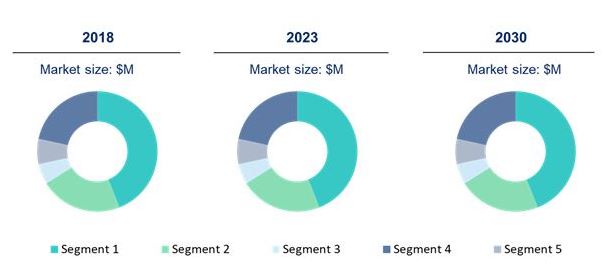
The study includes a forecast for the hybrid device market in Brazil by type, screen size, and end use industry.

Hybrid Device Market in Brazil by Type [Analysis by Value from 2019 to 2031]:


• Detachable
• Convertible

Hybrid Device Market in Brazil by Screen Size [Analysis by Value from 2019 to 2031]:


• Less than 12 Inch (<12”)
• 12 Inch to 15 Inch (12”-15”)
• Greater than 15 Inch (>15”)

Hybrid Device Market in Brazil by End Use Industry [Analysis by Value from 2019 to 2031]:


• Retail
• Personal Use
• Healthcare
• Telecom and IT
• Educational
• Institutions
• Others

Lucintel Analytics Dashboard

Features of the Hybrid Device Market in Brazil

Market Size Estimates: Hybrid device in Brazil market size estimation in terms of value ($B).
Trend and Forecast Analysis: Market trends and forecasts by various segments.
Segmentation Analysis: Hybrid device in Brazil market size by type, screen size, and end use industry in terms of value ($B).
Growth Opportunities: Analysis of growth opportunities in different types, screen sizes, and end use industries for the hybrid device in Brazil.
Strategic Analysis: This includes M&A, new product development, and competitive landscape of the hybrid device in Brazil.
Analysis of competitive intensity of the industry based on Porter’s Five Forces model.

If you are looking to expand your business in this or adjacent markets, then contact us. We have done hundreds of strategic consulting projects in market entry, opportunity screening, due diligence, supply chain analysis, M & A, and more.
Lucintel Consulting Services

FAQ

Q1. What are the major drivers influencing the growth of the GPU as a service market in India?
Answer: The major drivers for this market are growing emphasis on research and development within the gaming and design sectors, escalating adoption of machine learning and AI-based applications among various industries, and rising demand for advanced data analytics.
Q2. What are the major segments for GPU as a service market?
Answer: The future of the GPU as a service market looks promising with opportunities in the healthcare, BFSI, manufacturing, IT & telecommunication, and automotive applications.
Q3. Which GPU as a service market segment will be the largest in future?
Answer: Lucintel forecasts that private is expected to witness the highest growth over the forecast period.
Q4. Do we receive customization in this report?
Answer: Yes, Lucintel provides 10% customization without any additional cost.

This report answers following 10 key questions:

Q.1. What are some of the most promising, high-growth opportunities for the hybrid device market in Brazil by type (detachable and convertible), screen size (less than 12 inch (<12”), 12 inch to 15 inch (12”-15”), and greater than 15 inch (>15”)), and end use industry (retail, personal use, healthcare, telecom and IT, educational, institutions, and others)?
Q.2. Which segments will grow at a faster pace and why?
Q.3. What are the key factors affecting market dynamics? What are the key challenges and business risks in this market?
Q.4. What are the business risks and competitive threats in this market?
Q.5. What are the emerging trends in this market and the reasons behind them?
Q.6. What are some of the changing demands of customers in the market?
Q.7. What are the new developments in the market? Which companies are leading these developments?
Q.8. Who are the major players in this market? What strategic initiatives are key players pursuing for business growth?
Q.9. What are some of the competing products in this market and how big of a threat do they pose for loss of market share by material or product substitution?
Q.10. What M&A activity has occurred in the last 5 years and what has its impact been on the industry?
For any questions related to Hybrid Device Market In Brazil, Hybrid Device Market In Brazil Size, Hybrid Device Market In Brazil Growth, Hybrid Device Market In Brazil Analysis, Hybrid Device Market In Brazil Report, Hybrid Device Market In Brazil Share, Hybrid Device Market In Brazil Trends, Hybrid Device Market In Brazil Forecast, Hybrid Device Companies, write Lucintel analyst at email: helpdesk@lucintel.com. We will be glad to get back to you soon.

                                                            Table of Contents

            1. Executive Summary

            2. Hybrid Device Market in Brazil: Market Dynamics
                        2.1: Introduction, Background, and Classifications
                        2.2: Supply Chain
                        2.3: Industry Drivers and Challenges

            3. Market Trends and Forecast Analysis from 2019 to 2031
                        3.1. Macroeconomic Trends (2019-2024) and Forecast (2025-2031)
                        3.2. Hybrid Device Market in Brazil Trends (2019-2024) and Forecast (2025-2031)
                        3.3: Hybrid Device Market in Brazil by Type
                                    3.3.1: Detachable
                                    3.3.2: Convertible
                        3.4: Hybrid Device Market in Brazil by Screen Size
                                    3.4.1: Less than 12 inch (<12”)
                                    3.4.2: 12 inch to 15 inch (12”-15”)
                                    3.4.3: Greater than 15 inch (>15”)
                        3.5: Hybrid Device Market in Brazil by End Use Industry
                                    3.5.1: Retail
                                    3.5.2: Personal Use
                                    3.5.3: Healthcare
                                    3.5.4: Telecom and IT
                                    3.5.5: Educational
                                    3.5.6: Institutions
                                    3.5.7: Others

            4. Competitor Analysis
                        4.1: Product Portfolio Analysis
                        4.2: Operational Integration
                        4.3: Porter’s Five Forces Analysis

            5. Growth Opportunities and Strategic Analysis
                        5.1: Growth Opportunity Analysis
                                    5.1.1: Growth Opportunities for the Hybrid Device Market in Brazil by Type
                                    5.1.2: Growth Opportunities for the Hybrid Device Market in Brazil by Screen Size
                                   
                        5.2: Emerging Trends in the Hybrid Device Market
                        5.3: Strategic Analysis
                                    5.3.1: New Product Development
                                    5.3.2: Capacity Expansion of the Hybrid Device Market in Brazil
                                    5.3.3: Mergers, Acquisitions, and Joint Ventures in the Hybrid Device Market in Brazil
                                    5.3.4: Certification and Licensing

            6. Company Profiles of Leading Players
                        6.1: Company 1
                        6.2: Company 2
                        6.3: Company 3
                        6.4: Company 4
                        6.5: Company 5
                        6.6: Company 6
                        6.7: Company 7
                        6.8: Company 8
                        6.9: Company 9
                        6.10: Company 10
.

Buy full report or by chapter as follows

Limited Time Offer

Price by License Type:
[-] Hide Chapter Details
[Chapter Number] [Chapter Name] [Chapter Number Of Pages] [Chapter Price]
Title/Chapter Name Pages Price
Full Report: Hybrid Device Market in Brazil Full Report $ 2,990
150 - page report
Lucintel has been in the business of market research and management consulting since 2000 and has published over 1000 market intelligence reports in various markets / applications and served over 1,000 clients worldwide. This study is a culmination of four months of full-time effort performed by Lucintel's analyst team. The analysts used the following sources for the creation and completion of this valuable report:
  • In-depth interviews of the major players in this market
  • Detailed secondary research from competitors’ financial statements and published data 
  • Extensive searches of published works, market, and database information pertaining to industry news, company press releases, and customer intentions
  • A compilation of the experiences, judgments, and insights of Lucintel’s professionals, who have analyzed and tracked this market over the years.
Extensive research and interviews are conducted across the supply chain of this market to estimate market share, market size, trends, drivers, challenges, and forecasts. Below is a brief summary of the primary interviews that were conducted by job function for this report.
 
Thus, Lucintel compiles vast amounts of data from numerous sources, validates the integrity of that data, and performs a comprehensive analysis. Lucintel then organizes the data, its findings, and insights into a concise report designed to support the strategic decision-making process. The figure below is a graphical representation of Lucintel’s research process. 
 

Please sign in below to get report brochure - Hybrid Device Market in Brazil .

At Lucintel, we respect your privacy and maintain the confidentiality of information / data provided by you
(Please enter your corporate email. * These fields are mandatory )

Follow us on