Hybrid Device Market in Australia Trends and Forecast
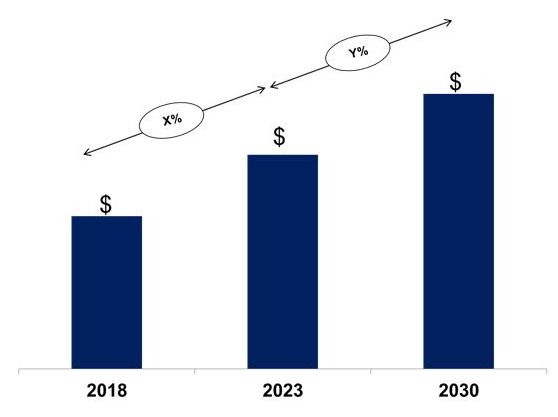
The future of the hybrid device market in Australia looks promising with opportunities in the retail, personal use, healthcare, telecom, IT, educational, and institution markets. The hybrid device market is expected to reach an estimated $121.8 billion by 2031 with a CAGR of 19.2% from 2025 to 2031. The hybrid device market in Australia is also forecasted to witness strong growth over the forecast period. The major drivers for this market are the growing consumer interest in devices that offer extended battery life and robust battery performance, advancements in emerging technologies, such as the evolution of machine learning algorithms and refinement of natural language processing techniques, and rising consumer demand for detachable devices.
• Lucintel forecasts that, within the type category, detachable devices will remain the largest segment over the forecast period because they feature a screen that can be separated from the keyboard, converting it into a standalone tablet, as well as the devices are prized for their adaptability and ease of use.
• Within the end use industry category, personal use will remain the highest growing segment over the forecast period because it encompasses individual consumers seeking hybrid devices for their personal needs, as well as, these users are often in search of a device that seamlessly combines the productivity of a laptop with the convenience of a tablet for individual needs.
Emerging Trends in the Hybrid Device Market in Australia
The hybrid device market in Australia is growing rapidly. Technological progress, changing demands from consumers, and new usage patterns are contributing to this fast-paced growth. As hybrid devices blur the lines between laptops and tablets, more people in education, business, and personal spheres are turning toward them. These devices offer flexibility, portability, and power, making them suitable for various activities. Key trends are shaping this market, with an emphasis on performance enhancements, sustainability, and consumer customization. Below are the emerging trends influencing the growth of hybrid devices in Australia.
• Increased Demand for 2-in-1 Devices: Hybrid 2-in-1 devices, which function as both a laptop and a tablet, are becoming increasingly popular in Australia. These devices are favored for their portability, multi-functionality, and convenience. The growth of remote work, hybrid learning, and mobile productivity has accelerated their adoption, particularly in the education and business markets. Users need lightweight, flexible devices that can handle professional as well as personal tasks, increasing demand for hybrid 2-in-1 products with improved performance and battery life.
• Improved Battery Life and Power Efficiency: One of the critical factors in the success of hybrid devices in Australia is the demand for long-lasting battery life. Consumers expect devices that can last throughout the day without needing a charge, especially in mobile work and education environments. Manufacturers are focusing on improving power efficiency, with advances in battery technology, low-power processors, and energy-saving features. This trend not only boosts the usability of hybrid devices but also enhances their appeal to consumers who prioritize portability and extended usage without frequent charging interruptions.
• Advancements in Touchscreen and Stylus Technology: As hybrid devices are primarily used for both productivity and creative applications, the integration of advanced touchscreen technology and stylus support is becoming essential. The adoption of high-resolution touchscreens with improved responsiveness, along with stylus capabilities, is enabling users to perform tasks such as note-taking, drawing, and design work with greater precision. This trend is particularly beneficial for industries like education, graphic design, and architecture in Australia, where touch input and creative tools are crucial for day-to-day operations and professional work.
• Focus on 5G Connectivity and Cloud Integration: The rollout of 5G in Australia will lead to the embedding of 5G in hybrid devices. This will encourage demand for high-quality, reliable, and faster internet, which is crucial for remote work and seamless connectivity. Combining cloud-based applications and storage, 5G connectivity will advance hybrid devices to support productivity and collaboration, offering seamless integration in real-time video conferencing, file sharing, and remote work. The expanding availability of 5G further drives the role of hybrid devices in mobile business solutions.
• Enhanced Focus by Australian Consumers on Sustainability: Australian consumers are increasingly targeting products that complement their sustainability needs. Hybrid device manufacturers are responding by incorporating environmentally friendly materials, reducing e-waste, and focusing on energy-efficient designs. The demand for eco-conscious products is driving innovations such as recycled components, longer product lifecycles, and energy-saving features. This trend is especially evident in hybrid devices designed for both personal use and business, as consumers and companies aim to minimize their environmental impact while still benefiting from cutting-edge technology.
Some of the leading trends changing the landscape for hybrid devices in Australia relate to versatility, performance, and sustainable products. Consumers are increasingly demanding 2-in-1 devices, improved battery life, and advanced touchscreen capabilities, all highly portable and multifunctional. Increased productivity and collaboration have been achieved with greater integration of 5G connectivity and cloud services. Sustainability is also pushing the development of eco-friendly products in manufacturing. These trends make the hybrid environment dynamic and provide a platform through which hybrid devices are positioned to be essential for modern work and personal use in Australia.
Recent Developments in the Hybrid Device Market in Australia
The hybrid device market in Australia has been evolving rapidly, mainly driven by the growing demand for versatile, portable, and high-performance devices. Technological advancements and shifting consumer needs are the primary drivers behind these developments. Businesses, educational institutions, and individual users are increasingly opting for hybrid devices due to their flexibility, mobility, and multiple functionalities. Below are five recent developments that outline the main trends and developments in the hybrid device market in Australia.
• 5G-Enabled Hybrid Devices: The introduction of 5G-enabled hybrid devices is a major development in the Australian market, enabling faster data speeds and improved connectivity. With 5G networks being rolled out across the country, hybrid devices are becoming more powerful and capable of supporting demanding applications such as real-time video streaming, cloud computing, and remote work. This development enhances the overall productivity of hybrid devices, making them even more attractive for the business and education sectors, where high-speed internet is crucial. 5G integration is positioning hybrid devices as essential tools for future-proofing communication and collaboration in an increasingly connected world.
• Increased Adoption in the Education Sector: The COVID-19 pandemic accelerated the adoption of hybrid devices in Australia’s education sector, as schools and universities shifted to online learning. Devices that combine the functionality of both a laptop and a tablet offer the versatility that students and teachers need to meet the changing environments of teaching and learning. Therefore, hybrid devices, especially 2-in-1 laptops, are rapidly becoming an integral part of Australian classrooms. This trend has led to the development of specially designed educational models that are more durable and perform better, fulfilling the requirements of both students and teachers.
• Sustainability-Oriented Designs: The increasing concern among Australian consumers for environmental factors, hybrid device companies are focusing on sustainability. Some devices are being manufactured from recycled materials, including plastic and aluminum. These devices also assure consumers that the manufacturing processes are more energy-efficient. The move toward sustainable designs reduces electronic waste, addressing the growing demand for eco-friendly products in the tech world. Manufacturers are also designing hybrid devices with longer lifecycles, ensuring that they remain functional for extended periods, which aligns with sustainability goals and appeals to environmentally conscious consumers in Australia.
• Integration of Advanced Stylus and Touchscreen Technologies: Hybrid devices in Australia are integrating advanced touchscreen and stylus technologies to enhance the user experience. With the growing demand for devices that cater to both professional and creative needs, manufacturers are adding high-resolution touchscreens and stylus support into their hybrid devices. This trend is particularly impactful in sectors like education, design, and business, where users benefit from precision input for tasks such as note-taking, drawing, and presentations. More responsive, accurate, and user-friendly touch features are enhancing both the functionality and versatility of hybrid devices in the Australian market.
• Performance Enhancement and Smoother Specifications: The cater to the growing needs of Australian consumers, the performance specifications of hybrid devices are continuously being upgraded. The latest models come equipped with faster processors, enhanced RAM capacity, longer battery life, and higher-resolution displays. These upgrades are essential to support multitasking, gaming, content creation, and other demanding applications. With businesses and consumers seeking more power and speed from their devices, these improvements ensure that hybrid devices can handle a broader range of tasks without compromising portability or user experience. As the specifications continue to improve, hybrid devices are becoming more attractive to a wider audience.
Recent developments in the hybrid device market in Australia demonstrate a shift toward more powerful, sustainable, and versatile devices. The adoption of 5G connectivity, advancements in touchscreen and stylus technology, and a focus on sustainability are transforming how hybrid devices are used across sectors like education, business, and design. Performance upgrades are also addressing the increasing demands for speed and power. These developments are positioning hybrid devices as essential tools for a modern, digital-first lifestyle.
Strategic Growth Opportunities for Hybrid Device Market in Australia
The hybrid device market in Australia has seen rapid growth due to increasing consumer demand for versatile, portable, and high-performance technology. As hybrid devices evolve, key applications across sectors such as education, business, and personal use present significant strategic growth opportunities. By addressing the specific needs of these sectors, manufacturers can capitalize on emerging trends, such as 5G integration, enhanced performance, sustainability, and advanced user interfaces. Below are five key growth opportunities that are shaping the future of hybrid devices in Australia.
• 5G Integration in Hybrid Devices: The5G technology being rolled out nationwide, hybrid devices equipped with 5G capabilities are positioned to revolutionize mobile productivity. Faster data speeds and low latency enable seamless real-time video conferencing, cloud computing, and high-quality streaming, all crucial for remote work and learning. This development is particularly impactful for business professionals and students who rely on stable, high-speed internet for productivity and collaboration. As 5G adoption grows, manufacturers offering 5G-enabled hybrid devices are likely to gain a competitive edge in the Australian market.
• Education Sector Adoption: The education sector in Australia is a significant driver of hybrid device adoption. With the rise of online learning, schools, universities, and educational institutions are increasingly turning to hybrid devices for flexible and interactive learning environments. These devices, particularly 2-in-1 laptops, offer a blend of portability and performance, allowing students and teachers to easily switch between tasks like note-taking, research, and presentations. As educational systems continue to prioritize digital learning, hybrid devices tailored for this sector will continue to experience high demand, ensuring long-term growth.
• Sustainability-Oriented Product Designs: Sustainability is an essential growth opportunity in the hybrid device market, as Australian consumers increasingly demand eco-friendly products. Manufacturers are responding by producing devices with recycled materials such as plastic and aluminum, and focusing on energy-efficient designs that reduce e-waste. Additionally, hybrid devices with extended product lifecycles align with environmental goals by reducing the need for frequent upgrades. As sustainability continues to be a key purchasing factor for consumers, manufacturers that offer eco-conscious devices will appeal to the growing segment of environmentally aware buyers in Australia.
• Performance Upgrades for Professional Use: As hybrid devices become central to both personal and professional tasks, performance enhancements are a key growth opportunity. Devices with faster processors, larger RAM, improved battery life, and higher-resolution displays are essential to meeting the demands of multitasking, content creation, and business applications. As the workforce in Australia continues to embrace hybrid working models, the need for powerful, reliable, and portable devices will increase. Manufacturers focusing on performance-driven hybrid devices that cater to professionals will capture a larger share of this expanding market.
• Customization for Business and Consumer Applications: Another growth opportunity lies in the ability to offer customized hybrid devices for business and personal use. Industries like design, architecture, and content creation require specialized features such as high-resolution touchscreens and stylus support, while consumers increasingly look for personalized devices to fit their specific needs. Hybrid devices that support customization, whether in hardware (e.g., memory, storage) or software (e.g., user interface, apps), provide flexibility and differentiation. This personalization trend opens up significant growth potential for manufacturers catering to diverse needs across both business and consumer markets.
The hybrid device market in Australia is experiencing dynamic growth, driven by key applications in education, business, and sustainability. The integration of 5G technology, enhanced performance capabilities, and eco-friendly designs are reshaping the market and offering manufacturers numerous opportunities to innovate. By focusing on these growth areas, companies can position themselves as leaders in a rapidly evolving industry, meeting the demands of both professional and consumer markets while addressing critical trends such as mobility, sustainability, and customization. The future of hybrid devices in Australia looks promising, with these opportunities poised to drive continued market expansion.
Hybrid Device Market in Australia Driver and Challenges
The hybrid device market in Australia is influenced by numerous technological, economic, and regulatory factors shaping both growth and challenges. These markets are primarily driven by improvements in connectivity, a demand for multi-purpose devices, and higher productivity needs in various sectors. Nevertheless, some major challenges that characterize the industry include high manufacturing costs, concerns about sustainability, and regulatory obstacles. Navigating these drivers and challenges will be essential for manufacturers to maintain competitiveness in a rapidly evolving market. Understanding these forces is critical for predicting the future trajectory of hybrid devices in Australia.
The factors driving the hybrid device market include:
• Increased Demand for Remote Work and Learning Solutions: The rise of remote work and online learning has significantly accelerated the demand for hybrid devices in Australia. Because of their ability to function as both laptops and tablets, hybrid devices have become popular with users who require portability, multi-functionality, and connectivity. The COVID-19 pandemic has further solidified hybrid work and remote learning models in professional and educational environments. Due to their relevance in integrating both work and play, the demand for hybrid devices by Australian companies, schools, and universities will continue.
• The Next Generation Connection, 5G: The rapid penetration of 5G across geographies is making Australia a leader in the 5G-driven growth of hybrid devices. With their ability to boost data transfer speeds and reduce latency, hybrid devices show significant improvements in working capacity. Users expect completely seamless experiences for video conferencing, cloud applications, and media consumption. Hybrid devices with integrated 5G capability meet these demands. As 5G infrastructure expands across the country, hybrid devices with built-in 5G capabilities will become essential for mobile professionals or enterprises seeking uncompromised productivity and connectivity.
• Demand for Multi-Functionality and Versatility: Hybrid devices, combining the capabilities of both laptops and tablets, meet the growing demand for multifunctional solutions. In Australia, users increasingly seek devices that can cater to both work and personal tasks while maintaining portability and performance. This is especially important in sectors like business, education, and the creative industries, where flexibility is a key priority. Manufacturers are responding by making devices lighter, with longer battery life, better display quality, and touch functionality, allowing users to easily switch between typing, sketching, and presenting.
• Increased Emphasis on Sustainability and Environmentally Friendly Products: There is a growing concern among Australian consumers about environmental sustainability, particularly in the tech sector. Hybrid device manufacturers are under pressure to adopt sustainable practices, such as using recyclable materials, reducing e-waste, and improving energy efficiency. Many consumers now prefer eco-friendly products, which has led to the development of energy-efficient hybrid devices with extended lifecycles. This trend mirrors a global shift towards more environmentally conscious manufacturing and consumption, impacting both consumer buying habits and corporate social responsibility practices in the hybrid device market.
• User Interface and Battery Life Innovations in Technology: In the competitive hybrid device market, technological innovations in user interface and battery life have become key drivers. Manufacturers are integrating advanced touchscreen technology, stylus support, and improved haptic feedback to enhance the user experience. Similarly, battery life has become a crucial differentiator, with consumers demanding longer-lasting devices that can withstand long hours of use in mobile work environments. These innovations improve the overall performance of hybrid devices and increase their appeal to consumers who require reliability, convenience, and seamless functionality.
Challenges in the hybrid device market include:
• High Manufacturing Costs and Pricing Pressure: The cost of manufacturing hybrid devices, particularly those incorporating advanced features like 5G connectivity, high-end displays, and long-lasting batteries, remains a significant challenge. These higher manufacturing costs often lead to higher retail prices, which can limit consumer adoption, especially in a price-sensitive market like Australia. While demand for hybrid devices is growing, balancing performance, innovation, and cost-efficiency is essential for manufacturers. Striking the right pricing strategy will determine the market success of these devices, as consumers increasingly expect high value at competitive prices.
• Competition with Traditional Devices: Despite the growing popularity of hybrid devices, traditional laptops and tablets continue to dominate the market in Australia. Many consumers and businesses remain loyal to conventional devices, particularly due to their perceived reliability and lower cost. Hybrid devices may not offer added value to some users, especially when budget constraints are a consideration. This competition with established device categories poses a challenge for hybrid devices, requiring manufacturers to clearly differentiate their products by offering tangible benefits, such as enhanced portability, versatility, and multitasking capabilities.
• Regulatory and Data Privacy Concerns: As hybrid devices increasingly support business and educational functions, they must comply with evolving regulatory standards and data privacy laws. For example, the Australian government has specific data security regulations that businesses must adhere to, particularly in sectors like healthcare and finance. Hybrid device manufacturers must ensure that their products meet these compliance requirements, which may include features like secure data storage, encryption, and biometric authentication. Failing to meet regulatory expectations could limit adoption, particularly among enterprises and organizations with stringent data privacy concerns.
The hybrid device market in Australia is growing, driven by increasing demand for flexible, portable, and high-performance solutions. The adoption of 5G, sustainability trends, and technological advancements are pushing the market forward. However, challenges such as high manufacturing costs, competition with traditional devices, and regulatory concerns need to be addressed for continued success. Manufacturers who can balance innovation with cost-effectiveness and compliance will be well-positioned to capitalize on the growing hybrid device market in Australia, offering products that meet both consumer expectations and regulatory requirements.
List of Hybrid Device Market in Australia Companies
Companies in the market compete on the basis of product quality offered. Major players in this market focus on expanding their manufacturing facilities, R&D investments, infrastructural development, and leverage integration opportunities across the value chain. Through these strategies, hybrid device companies cater to increasing demand, ensure competitive effectiveness, develop innovative products & technologies, reduce production costs, and expand their customer base. Some of the hybrid device companies profiled in this report include:
• Company 1
• Company 2
• Company 3
• Company 4
• Company 5
• Company 6
• Company 7
• Company 8
• Company 9
• Company 10
Hybrid Device Market in Australia by Segment
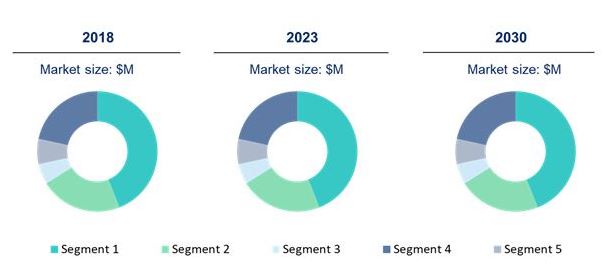
The study includes a forecast for the hybrid device market in Australia by type, screen size, and end use industry.
Hybrid Device Market in Australia by Type [Analysis by Value from 2019 to 2031]:
• Detachable
• Convertible
Hybrid Device Market in Australia by Screen Size [Analysis by Value from 2019 to 2031]:
• Less than 12 Inch (<12”)
• 12 Inch to 15 Inch (12”-15”)
• Greater than 15 Inch (>15”)
Hybrid Device Market in Australia by End Use Industry [Analysis by Value from 2019 to 2031]:
• Retail
• Personal Use
• Healthcare
• Telecom and IT
• Educational
• Institutions
• Others
Features of the Hybrid Device Market in Australia
Market Size Estimates: Hybrid device in Australia market size estimation in terms of value ($B).
Trend and Forecast Analysis: Market trends and forecasts by various segments.
Segmentation Analysis: Hybrid device in Australia market size by type, screen size, and end use industry in terms of value ($B).
Growth Opportunities: Analysis of growth opportunities in different types, screen sizes, and end use industries for the hybrid device in Australia.
Strategic Analysis: This includes M&A, new product development, and competitive landscape of the hybrid device in Australia.
Analysis of competitive intensity of the industry based on Porter’s Five Forces model.
If you are looking to expand your business in this or adjacent markets, then contact us. We have done hundreds of strategic consulting projects in market entry, opportunity screening, due diligence, supply chain analysis, M & A, and more.
FAQ
Q1. What are the major drivers influencing the growth of the GPU as a service market in India?
Answer: The major drivers for this market are growing emphasis on research and development within the gaming and design sectors, escalating adoption of machine learning and AI-based applications among various industries, and rising demand for advanced data analytics.
Q2. What are the major segments for GPU as a service market?
Answer: The future of the GPU as a service market looks promising with opportunities in the healthcare, BFSI, manufacturing, IT & telecommunication, and automotive applications.
Q3. Which GPU as a service market segment will be the largest in future?
Answer: Lucintel forecasts that private is expected to witness the highest growth over the forecast period.
Q4. Do we receive customization in this report?
Answer: Yes, Lucintel provides 10% customization without any additional cost.
This report answers following 10 key questions:
Q.1. What are some of the most promising, high-growth opportunities for the hybrid device market in Australia by type (detachable and convertible), screen size (less than 12 inch (<12”), 12 inch to 15 inch (12”-15”), and greater than 15 inch (>15”)), and end use industry (retail, personal use, healthcare, telecom and IT, educational, institutions, and others)?
Q.2. Which segments will grow at a faster pace and why?
Q.3. What are the key factors affecting market dynamics? What are the key challenges and business risks in this market?
Q.4. What are the business risks and competitive threats in this market?
Q.5. What are the emerging trends in this market and the reasons behind them?
Q.6. What are some of the changing demands of customers in the market?
Q.7. What are the new developments in the market? Which companies are leading these developments?
Q.8. Who are the major players in this market? What strategic initiatives are key players pursuing for business growth?
Q.9. What are some of the competing products in this market and how big of a threat do they pose for loss of market share by material or product substitution?
Q.10. What M&A activity has occurred in the last 5 years and what has its impact been on the industry?
For any questions related to Hybrid Device Market In Australia, Hybrid Device Market In Australia Size, Hybrid Device Market In Australia Growth, Hybrid Device Market In Australia Analysis, Hybrid Device Market In Australia Report, Hybrid Device Market In Australia Share, Hybrid Device Market In Australia Trends, Hybrid Device Market In Australia Forecast, Hybrid Device Companies, write Lucintel analyst at email: helpdesk@lucintel.com. We will be glad to get back to you soon.