
Market Report · July 22, 2026

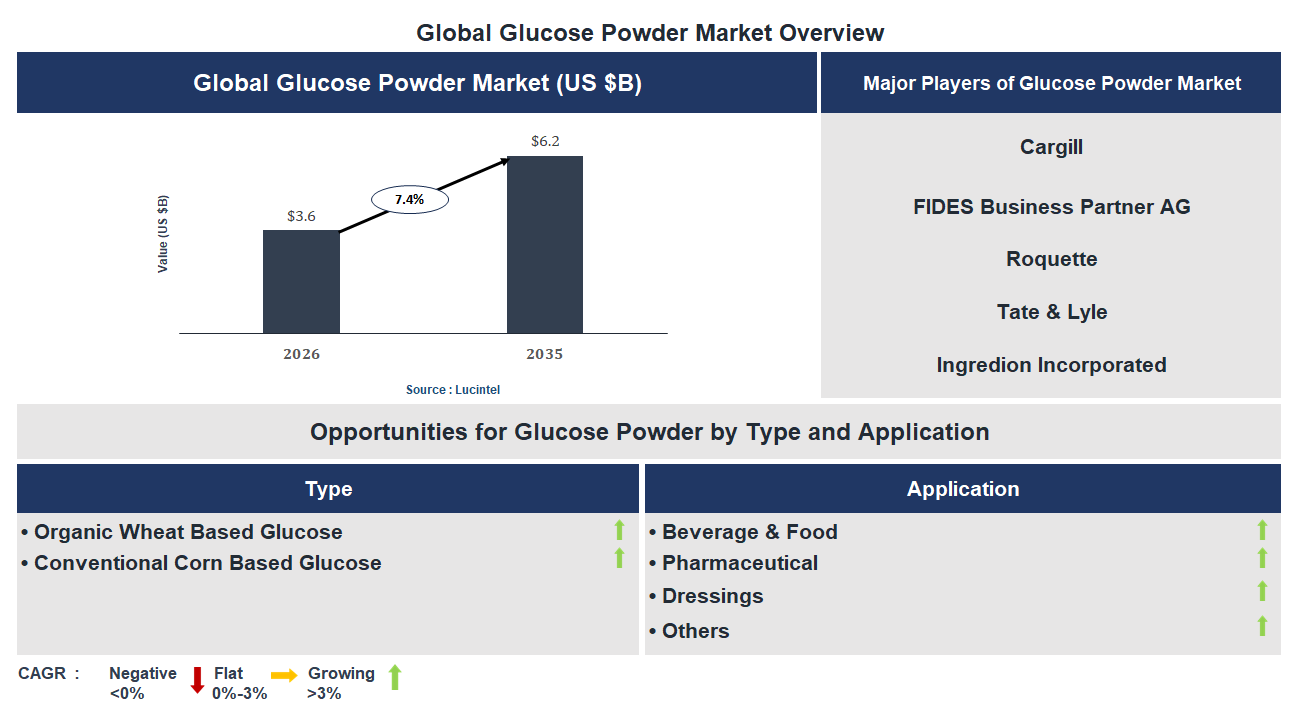
Key data points: The market size in 2035 = $6.2 billion, growth forecast = 7.4% annually for the next 8 years. Scroll below to get more insights. This market report covers trends, opportunities and forecasts in glucose powder market to 2035 by type (organic wheat based glucose and conventional corn based glucose), application (beverage & food, pharmaceutical, dressings, and others), and region (North America, Europe, Asia Pacific, and the Rest of the World)
We'll send your sample report shortly.
• Lucintel forecasts that, within the type category, organic wheat based glucose is expected to witness higher growth over the forecast period.
• Within the application category, beverage & food is expected to witness the highest growth.
• In terms of region, APAC is expected to witness the highest growth over the forecast period. Gain valuable insights for your business decisions with our comprehensive 150+ page report. Sample figures with some insights are shown below.
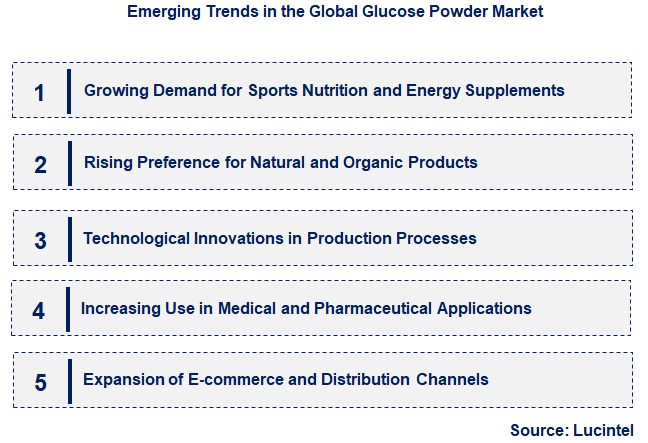
• Growing Demand for Sports Nutrition and Energy Supplements: The increasing focus on fitness and active lifestyles is boosting demand for glucose powder as a quick energy source. Athletes and fitness enthusiasts prefer glucose for its rapid absorption and energy replenishment benefits. This trend is encouraging manufacturers to develop specialized formulations tailored for sports nutrition, enhancing product efficacy and consumer appeal. The rise in health-conscious consumers seeking convenient energy solutions is significantly expanding the market, making glucose powder a key ingredient in energy drinks, gels, and bars.
• Rising Preference for Natural and Organic Products: Consumers are increasingly seeking natural, organic, and minimally processed glucose powders due to health concerns and a desire for cleaner labels. This shift is prompting manufacturers to source high-quality raw materials and adopt sustainable production practices. The demand for organic glucose powder is particularly strong in regions with strict food safety regulations and health-conscious markets. This trend is driving innovation in product development, with companies offering organic-certified options to meet consumer expectations and differentiate their brands.
• Technological Innovations in Production Processes: Advances in manufacturing technology are enabling the production of higher-purity, more stable, and cost-effective glucose powders. Innovations such as enzymatic conversion and improved crystallization techniques enhance product quality and reduce environmental impact. These technological improvements allow for scalable production and better customization of glucose powders for specific applications, including medical, food, and beverage industries. As a result, companies can offer more consistent products, meet regulatory standards more efficiently, and reduce production costs, thereby strengthening their market position.
• Increasing Use in Medical and Pharmaceutical Applications: Glucose powder is vital in medical settings for intravenous feeding, blood sugar management, and diagnostic testing. The growing prevalence of diabetes and other metabolic disorders is driving demand for medical-grade glucose powders. Pharmaceutical companies are investing in high-purity, sterile formulations to meet stringent safety standards. This segment offers significant growth opportunities, especially in emerging markets where healthcare infrastructure is expanding. The integration of glucose powder into medical products underscores its critical role beyond nutrition, broadening its market scope.
• Expansion of E-commerce and Distribution Channels: The rise of online retail platforms is transforming how glucose powder is marketed and sold. E-commerce provides a wider reach, convenience, and access to a broader consumer base, including health-conscious individuals and small businesses. Digital marketing strategies and direct-to-consumer sales are increasing brand visibility and consumer engagement. Additionally, partnerships with online health and supplement stores are facilitating easier access to products. This trend is enabling manufacturers to respond swiftly to market demands, customize offerings, and gather consumer feedback, ultimately accelerating market growth and innovation. In summary, these emerging trends are collectively reshaping the glucose powder market by fostering innovation, expanding application areas, and aligning products with evolving consumer preferences. The market is becoming more dynamic, competitive, and responsive to health and sustainability concerns, positioning it for sustained growth and diversification in the coming years.
• Growing Demand in Food Industry: The increasing use of glucose powder as a sweetener and energy source in baked goods, beverages, and confectionery is expanding market reach. Consumer preference for natural ingredients and clean-label products is driving manufacturers to innovate with organic and non-GMO options. This trend enhances product versatility and opens new markets, boosting overall sales. The food sectors growth directly correlates with rising disposable incomes and changing dietary habits, making glucose powder a staple ingredient.
• Expansion in Pharmaceutical Applications: Glucose powder is vital in medical formulations, including intravenous solutions and nutritional supplements. The rising prevalence of diabetes and malnutrition globally increases demand for glucose-based products. Advances in pharmaceutical manufacturing and stricter quality standards are encouraging innovation in delivery methods. This expansion improves patient care and supports the development of specialized medical products, thereby strengthening the market’s role in healthcare.
• Rising Popularity in Cosmetics and Personal Care: The cosmetic industry is increasingly incorporating glucose powder for its moisturizing and antioxidant properties. It is used in skincare formulations, masks, and anti-aging products to enhance skin hydration and health. The trend towards natural and organic cosmetic ingredients boosts demand for glucose powder. This application diversification offers manufacturers new revenue streams and aligns with consumer preferences for clean beauty products, contributing to market growth.
• Technological Innovations in Production: Advances in enzymatic and fermentation technologies have improved the efficiency and quality of glucose powder production. These innovations reduce costs, enhance purity, and enable customization of product specifications. Sustainable manufacturing practices are also gaining traction, aligning with environmental concerns. Improved production methods support scalability and meet increasing global demand, positioning the market for sustained growth and competitiveness.
• Strategic Partnerships and Market Expansion: Companies are forming alliances, mergers, and acquisitions to expand their geographic presence and product portfolios. Entry into emerging markets like the Asia-Pacific and Latin America is accelerating growth opportunities. These collaborations facilitate technology transfer, distribution network expansion, and brand strengthening. Such strategic moves are vital for capturing market share, driving innovation, and responding to evolving consumer needs, thereby shaping a competitive and resilient market landscape. The recent developments in the glucose powder market are fostering innovation, expanding applications, and improving production efficiency. These factors collectively enhance market competitiveness and meet rising global demand. As a result, the market is poised for sustained growth, driven by technological advancements and strategic collaborations, ultimately benefiting consumers and industry stakeholders alike.
• Expanding Applications in the Food and Beverage Industry: Glucose powder is increasingly used as a sweetener, stabilizer, and fermentation agent in bakery, confectionery, and beverage products. Its ability to enhance texture, shelf life, and flavor profiles makes it a preferred ingredient. Rising consumer demand for healthier, natural, and functional foods is driving manufacturers to incorporate glucose powder into innovative product lines. This expansion into diverse food segments offers significant growth opportunities for suppliers and brands aiming to meet evolving consumer preferences.
• Growing Demand in the Pharmaceutical Sector: Glucose powder is vital in medical formulations, including intravenous (IV) solutions, oral rehydration salts, and nutritional supplements. Its quick absorption and energy-providing properties make it essential in healthcare. The increasing prevalence of chronic diseases, malnutrition, and the need for effective rehydration therapies are boosting demand. Advances in pharmaceutical manufacturing and the development of specialized glucose formulations further open avenues for market expansion and innovation.
• Rising Use in Cosmetics and Personal Care Products: The cosmetic industry is adopting glucose powder for its humectant, moisturizing, and anti-aging properties. It is used in skincare creams, masks, and hair care products to improve hydration and texture. The trend toward natural and organic ingredients enhances the appeal of glucose-based formulations. As consumers seek effective, gentle, and eco-friendly products, the cosmetics sector presents a lucrative opportunity for growth and product differentiation.
• Increasing Focus on Natural and Organic Products: Consumers are increasingly prioritizing clean-label, organic, and minimally processed products. This shift encourages manufacturers to source high-quality, natural glucose powders derived from sustainable sources. The demand for organic certification and transparency in ingredient sourcing is creating new market segments. Companies investing in sustainable production practices and organic certifications can capitalize on this trend, gaining a competitive advantage and expanding their consumer base.
• Technological Innovations and Regional Expansion: Advances in production technology, such as enzymatic processing and purification methods, improve product quality and cost-efficiency. Regional expansion into emerging markets with rising disposable incomes and changing dietary habits offers substantial growth potential. Strategic collaborations, local manufacturing, and tailored product offerings can help companies penetrate new markets, meet regional preferences, and capitalize on the increasing global demand for glucose powder. The overall impact of these opportunities is set to significantly boost the glucose powder market, fostering innovation, expanding applications, and driving revenue growth across multiple sectors. Companies that strategically leverage these trends will be well-positioned to capture market share and sustain long-term success in this dynamic industry.
• Technological Advancements: The development of improved extraction and refining processes has enhanced the purity and quality of glucose powder, making it more appealing to food manufacturers. Innovations such as enzymatic conversion and membrane filtration have increased production efficiency, reduced costs, and enabled the creation of customized glucose products tailored for specific applications like sports nutrition, pharmaceuticals, and confectionery. These technological improvements facilitate the development of new product formulations, expand application scopes, and meet evolving consumer preferences, thereby fueling market growth.
• Rising Health and Wellness Trends: Increasing consumer awareness about health benefits associated with energy-boosting and functional foods has driven demand for glucose powder. As consumers seek quick energy sources and nutritional supplements, glucose powder becomes a preferred ingredient in sports drinks, energy bars, and dietary supplements. The trend towards natural and minimally processed ingredients further supports the market, as manufacturers incorporate glucose powder into health-oriented products to cater to this growing segment.
• Expansion of Food and Beverage Industry: The global food and beverage sectors growth, especially in emerging markets, significantly impacts the glucose powder market. The demand for processed foods, baked goods, dairy products, and confectionery items that require sweetening agents has increased. Glucose powders versatility as a sweetener, humectant, and fermentation substrate makes it indispensable in various food manufacturing processes. As urbanization and changing lifestyles boost the consumption of convenience foods, the market for glucose powder is expected to expand correspondingly.
• Regulatory Environment and Food Safety Standards: Stringent regulations regarding food additives and safety standards influence the market. Governments and regulatory bodies enforce quality control measures, labeling requirements, and permissible usage levels, which impact manufacturing practices. Compliance with these standards can increase production costs but also ensure consumer trust and product safety, ultimately supporting market stability and growth. Companies investing in quality assurance and regulatory compliance can gain competitive advantages in this environment.
• Growing Use in Pharmaceutical and Medical Applications: The increasing application of glucose powder in medical formulations, such as intravenous solutions, oral rehydration salts, and nutritional supplements, is a key driver. The rising prevalence of diabetes and malnutrition globally boosts demand for glucose-based medical products. Additionally, glucose powders role in wound healing and as a carrier in drug delivery systems further expands its application scope, creating new revenue streams and supporting overall market growth. The challenges facing the glucose powder market include:
• Fluctuating Raw Material Costs: The primary raw material for glucose powder is corn or other starch sources, whose prices are subject to volatility due to weather conditions, crop yields, and global supply-demand dynamics. These fluctuations can lead to increased production costs, impacting profit margins and pricing strategies. Manufacturers may face difficulties in maintaining consistent supply and pricing, which can hinder market stability and growth prospects.
• Stringent Regulatory Compliance: The food and pharmaceutical industries are heavily regulated, with strict standards for safety, labeling, and permissible additive levels. Navigating these complex regulatory landscapes requires significant investment in quality control, testing, and documentation. Non-compliance can result in product recalls, legal penalties, and damage to brand reputation, posing a substantial challenge for manufacturers aiming to expand or innovate within the market.
• Health Concerns and Consumer Preferences: Growing awareness of the health risks associated with excessive sugar consumption, including obesity, diabetes, and cardiovascular diseases, has led to increased consumer demand for sugar alternatives. This shift challenges the traditional use of glucose powder in food products and may restrict its application in health-conscious markets. Manufacturers must innovate to develop healthier formulations or risk losing market share to alternative sweeteners, which can be a complex and costly process. In summary, the glucose powder market is driven by technological innovations, health trends, industry expansion, and regulatory standards, which collectively foster growth opportunities. However, challenges such as raw material price volatility, regulatory hurdles, and changing consumer preferences pose significant risks. Navigating these factors requires strategic agility, investment in quality and innovation, and a keen understanding of evolving market dynamics. Overall, the markets future will depend on how effectively companies can leverage drivers while mitigating challenges to sustain growth and competitiveness.
• Cargill
• FIDES Business Partner AG
• Roquette
• Tate & Lyle
• Ingredion Incorporated
• Baolingbao Biology
• Grain Processing Corporation
• Organic Wheat Based Glucose
• Conventional Corn Based Glucose
• Beverage & Food
• Pharmaceutical
• Dressings
• Others
• North America
• Europe
• Asia Pacific
• The Rest of the World
• United States: The US market has seen increased demand for organic and non-GMO glucose powders, driven by health-conscious consumers. Innovations in clean-label products and functional foods have expanded market reach. Regulatory agencies have tightened standards, prompting manufacturers to improve quality control. The rise of sports nutrition products incorporating glucose powder has also contributed to growth, alongside expanding e-commerce channels that facilitate wider distribution.
• China: China’s glucose powder market is rapidly expanding due to rising urbanization and increasing disposable incomes. The focus on traditional medicine and functional foods has spurred demand for high-quality, natural glucose products. Local manufacturers are investing in advanced production technologies to meet international standards. Government initiatives promoting food safety and health awareness are further boosting market growth, with e-commerce platforms playing a vital role in distribution.
• Germany: In Germany, the market emphasizes sustainability and organic certification, aligning with European Union regulations. There is a growing preference for plant-based and allergen-free glucose powders. Innovations in production processes aim to reduce environmental impact, and strict quality standards ensure product safety. The market also benefits from a strong pharmaceutical sector, utilizing glucose powder in medical applications, alongside a rising trend in sports and wellness nutrition.
• India: The Indian glucose powder market is witnessing rapid growth due to increasing urbanization, rising health awareness, and expanding food processing industries. Local manufacturers are adopting modern technologies to produce high-quality, affordable products. The demand for glucose in traditional sweets, beverages, and medicinal formulations is high. Government initiatives to promote food safety and nutrition are encouraging market expansion, with e-commerce and retail chains enhancing product accessibility across rural and urban areas.
• Japan: Japan’s market is characterized by a focus on health and wellness, with consumers favoring low-sugar and functional glucose products. Innovations in sugar substitutes and fortified formulations are prevalent. The country’s strict regulatory environment ensures high product standards, and there is a notable emphasis on sustainable sourcing and eco-friendly production methods. The pharmaceutical and cosmetic sectors also utilize glucose powder, contributing to diversified market growth driven by aging population needs and health-conscious trends.


• Cargill
• FIDES Business Partner AG
• Roquette
• Tate & Lyle
• Ingredion Incorporated
• Baolingbao Biology
• Grain Processing Corporation Q6. Which glucose powder market segment will be the largest in future? Answer: Lucintel forecasts that, within the type category, organic wheat based glucose is expected to witness higher growth over the forecast period. Q7. In glucose powder market, which region is expected to be the largest in next 5 years? Answer: In terms of region, APAC is expected to witness the highest growth over the forecast period. Q8. Do we receive customization in this report? Answer: Yes, Lucintel provides 10% customization without any additional cost.


Choose a license that fits your team. Instant PDF delivery.
Prices exclude taxes. Instant delivery. Custom licensing available on request.
Market Report · July 22, 2026
Market Report · July 22, 2026
Market Report · July 22, 2026
Trusted partner for strategic intelligence and business growth


Receive a complimentary market analysis tailored to your industry. Our analysts will identify key growth opportunities and competitive dynamics specific to your business.

Market size, growth rate, and key trend analysis for your specific sector.

Top competitor positioning and market share analysis.

Strategic recommendations backed by data-driven insights.
Get curated market intelligence and competitive moves straight to your inbox.
By subscribing, you agree to receive our monthly insights. Unsubscribe anytime.
Receive a complimentary market analysis tailored to your industry. Our analysts will identify key growth opportunities and competitive dynamics specific to your business.
Market size, growth rate, and key trend analysis for your specific sector.
Top competitor positioning and market share analysis.
Strategic recommendations backed by data-driven insights.
Get curated market intelligence, emerging trends, and competitive moves straight to your inbox each month.
By subscribing, you agree to receive our monthly insights. Unsubscribe anytime.
We'll send your sample report shortly.