Gaming Gadgets in Netherlands Trends and Forecast
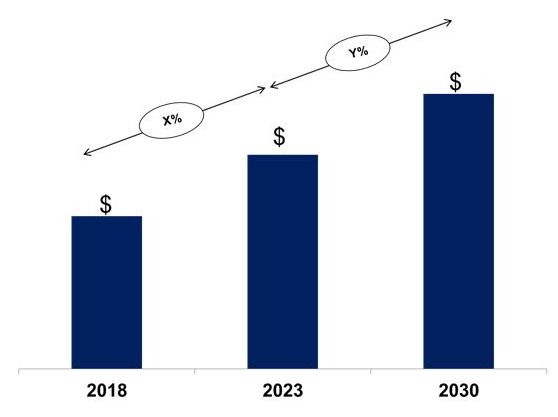
The future of the gaming gadgets market in the Netherlands looks promising, with opportunities in the residential and commercial markets. The global gaming gadgets market is expected to reach an estimated $127.6 billion by 2031, with a CAGR of 8.5% from 2025 to 2031. The gaming gadgets market in Netherlands is also forecasted to witness strong growth over the forecast period. The major drivers for this market are the growing popularity of e-sport tournaments and the increasing availability of Internet services.
• Lucintel forecasts that, within the gadget type category, PCs & laptops are expected to witness higher growth over the forecast period due to the growing demand for gaming headsets, mice, keyboards, and other peripherals to enhance the gaming experience.
• Within the end use industry category, residential will remain a larger segment due to the ease of connection with various display devices and the demand for customized components that reduce power consumption and optimize space.
Emerging Trends in the Gaming Gadgets Market in Netherlands
Rapid developments in the Netherlands gaming gadgets market are spurred by advances in technology, shifting consumer preferences, and an increased desire for immersive experiences. New trends are arising as consumers make gaming a bigger part of their lifestyles. Trends in hardware, such as wireless devices, virtual reality, and cloud gaming technologies, are redefining how people engage with games. These trends not only influence the products available in the market but also shape the future direction of the gaming experience.
• Wireless Gaming Devices: Wireless gaming devices, such as controllers, headsets, and mice, are gaining popularity rapidly in the Netherlands. The next-generation consoles, PlayStation 5 and Xbox Series X, with better wireless capabilities, are increasingly making consumers opt for untethered gaming. Wireless devices are more mobile, convenient, and comfortable, especially for gamers who need flexibility. As technology advances, demand for these gadgets will increase, offering an enhanced and seamless gaming experience.
• Virtual Reality and Augmented Reality Devices: Virtual Reality (VR) and Augmented Reality (AR) devices are gaining ground in the Netherlands, revolutionizing the gaming scene. Devices like PlayStation VR and Oculus Quest are now more affordable, making them popular among gamers and increasing the desire for immersive gaming. The advent of VR and AR-compatible games like Pokémon GO means that more and more people want gadgets that deliver immersive gameplay. As VR and AR technology becomes more affordable and mainstream, the demand for compatible devices will continue to rise in the Dutch market.
• Mobile Gaming Accessories: The mobile gaming market in the Netherlands has grown rapidly, with an increasing number of consumers using smartphones and tablets to play games. This shift has led to a rise in demand for mobile-specific gaming accessories like controllers, gamepads, and headsets. Producers are now emphasizing ergonomic and portable accessories that help improve the gaming experience and make it more comfortable. As mobile gaming is expected to dominate in the future, these accessories will become more significant, and opportunities for growth will be seen in the gaming gadgets market.
• Cloud Gaming Devices: Cloud gaming is a new trend in the Netherlands, with services like Google Stadia, Xbox Cloud Gaming, and PlayStation Now gaining acceptance in the country. Cloud gaming allows players to enjoy high-quality games without the need for expensive consoles or hardware. As internet infrastructure improves and cloud gaming services expand, the demand for cloud-compatible gaming devices, such as portable controllers and mobile gaming accessories, will increase. This trend opens new opportunities for companies to create flexible, cost-effective devices catering to the growing cloud gaming community.
• Eco-friendly Gaming Gadgets: Sustainability is becoming an important aspect of the Netherlands gaming gadgets market. Due to environmental awareness, consumers are seeking eco-friendly gaming products made from recyclable materials and energy-efficient components. Manufacturers are designing low-energy gaming consoles, sustainable peripherals, and biodegradable packaging. This reflects an increased demand from consumers for more environmentally responsible products. The trend of eco-friendly gaming will offer manufacturers the scope to take advantage of the opportunity to offer sustainable products catering to the Dutch gaming community.
The gaming gadgets market in the Netherlands is undergoing a transformation with trends like wireless gaming devices, VR/AR integration, mobile gaming accessories, cloud gaming, and eco-friendly products. These trends are fostering innovation, leading to new growth avenues, and changing how consumers interact with games. Since these trends keep evolving, manufacturers will be required to adapt and innovate to meet the demands of the Dutch gaming community and become leaders in the rapidly growing and dynamic market.
Recent Developments in the Gaming Gadgets Market in Netherlands
Rapid developments in the gaming gadgets market in the Netherlands are fueled by high technology and a shift in consumer demand. These include the growing need for a more realistic gaming experience, the rise of esports, and the adoption of new gaming platforms, such as cloud gaming. These developments are driving significant change in the market, where manufacturers have the opportunity to innovate and address the evolving needs of gamers in the country.
• Next-Generation Consoles and Accessories: Next-generation consoles, such as PlayStation 5 and Xbox Series X, are greatly impacting the gaming gadgets market in the Netherlands. With highly improved performance, accelerated load times, and crisp graphics effects, there has been a rise in demand for good-quality accessories like controllers, headsets, and comfortable gaming chairs. Manufacturers are responding to this trend by producing peripherals that complement the strengths of these next-gen consoles, offering a more immersive and high-performance gaming experience. The sustained adoption of next-gen consoles will continue to spur demand for creative gaming accessories in the Dutch market.
• Growing Esports and Competitive Gaming: Esports and competitive gaming have been growing in the Netherlands, leading to a sharp rise in the need for high-performance gaming peripherals. Tournament gamers and others participating in competitive games need specialized precision controllers, gaming mice, and high-quality headsets to maximize performance. As esports continues to grow, the demand for professional-grade gaming gadgets will increase. Manufacturers may step up to meet these needs by developing products tailored to the distinctive requirements of competitive gamers in the Netherlands.
• Mobile Gaming Boom: Mobile gaming has seen tremendous growth in the Netherlands, driven by the widespread adoption of smartphones and tablets. As more people engage in mobile gaming, there is a rising need for mobile-specific accessories such as controllers, gamepads, and headsets. Manufacturers are creating portable, ergonomic gadgets that enhance the mobile gaming experience. There is still a significant opportunity in the mobile gaming sector as users continuously look for great accessories tailored to their needs when gaming on the go.
• Adoption of Cloud Gaming: Dutch gamers are increasingly using platforms such as Google Stadia, Xbox Cloud Gaming, and PlayStation Now. These platforms allow gamers to play higher-quality games over the internet instead of using traditional consoles. This shift is driving demand for cloud-compatible gaming devices, including portable controllers and mobile gaming accessories. As internet infrastructure improves and cloud gaming services expand, this trend will accelerate, enabling manufacturers to create flexible and low-cost gaming devices that meet the needs of cloud gamers in the Netherlands.
• Focus on Sustainability in Gaming Gadgets: The most important consideration for Dutch consumers when buying gaming gadgets is sustainability. Increasing environmental awareness has led to a greater demand for eco-friendly gaming products, including energy-efficient consoles, recyclable peripherals, and biodegradable packaging. Manufacturers are responding to this demand by creating products that reduce environmental impact while maintaining performance. With sustainability in focus, companies now have an opportunity to stand out in the market by offering eco-friendly products to environmentally conscious consumers in the Netherlands.
The developments in the gaming gadgets market in the Netherlands, including next-generation consoles, the rising popularity of esports, mobile gaming, the increasing adoption of cloud gaming, and the focus on sustainability, are redefining the market. These developments offer opportunities for innovation in production and approaches to meet the evolving needs of Dutch gamers. The continued growth of these trends will transform the market, and companies that embrace innovation and support sustainability will lead the market in comparison to other options in the industry.
Strategic Growth Opportunities for Gaming Gadgets Market in Netherlands
The gaming gadgets market in the Netherlands is growing rapidly due to advanced technology and evolving customer preferences. For instance, consumers now focus on more immersive, user-centric, and efficient gaming experiences. As the market matures with strategic growth potential in key application areas, numerous opportunities are beginning to emerge. This provides companies with new chances to address constantly changing trends and become leaders in their respective industries.
• Wireless Gaming Devices: Wireless gaming devices, including controllers, headsets, and mice, are increasingly gaining popularity in the Netherlands. Many users are attracted to next-generation consoles, such as the PlayStation 5 and Xbox Series X, that offer enhanced wireless capabilities. Wireless gaming devices offer convenience, flexibility, and freedom, making them ideal for both casual and competitive players. As technology advances, demand for low-latency, high-performance wireless devices will increase, providing manufacturers with opportunities to meet the demands of a diverse gaming audience.
• Virtual Reality and Augmented Reality Gadgets: Virtual reality (VR) and augmented reality (AR) technologies are revolutionizing the gaming world in the Netherlands. Devices such as PlayStation VR, Oculus Quest, and AR-compatible games like Pokémon GO are increasing the demand for immersive gaming experiences. As the price of VR and AR devices becomes more affordable and the technology becomes more mainstream, the market for these gadgets is expected to grow. Manufacturers can create innovative VR and AR peripherals that enhance the gaming experience and meet the demands of tech-savvy gamers looking for cutting-edge gameplay.
• Mobile Gaming Accessories: The trend of mobile gaming has evolved in the Netherlands, driven by the widespread use of smartphones and tablets. As this trend progresses, the mobile gaming accessories market is expanding, with people demanding mobile-specific gaming controllers, gamepads, and headsets that are easily portable for a comprehensive gaming experience. Manufacturers must design high-performance, compact gaming gadgets to cater to this growing mobile gaming economy. As mobile gaming continues to dominate, these accessories will play a crucial role in shaping the gaming experience for Dutch consumers.
• Cloud Gaming Devices: Cloud gaming is gaining attention in the Netherlands. Services such as Google Stadia, Xbox Cloud Gaming, and PlayStation Now are becoming increasingly popular. Cloud gaming offers consumers the opportunity to play their favorite games without investing in expensive hardware or consoles. As internet infrastructure improves and cloud gaming services expand, demand for portable controllers and other mobile gaming devices compatible with the cloud will increase. Manufacturers can seize the opportunity to produce flexible yet affordable gadgets tailored to the growing cloud gaming market in the Netherlands.
• Environmentally Friendly Gaming Gadgets: Sustainability is increasingly influencing consumer behavior in the Netherlands, including in the gaming gadgets market. Consumers seek energy-efficient consoles, recyclable peripherals, and biodegradable packaging. Manufacturers can capture the growing demand for eco-friendly gaming gadgets by ensuring that their products are sustainable in design. By providing eco-friendly alternatives, companies can attract environmentally conscious consumers and differentiate themselves in the highly competitive gaming gadgets market.
The gaming gadgets market in the Netherlands is developing rapidly, with strategic opportunities in wireless gaming devices, VR/AR gadgets, mobile gaming accessories, cloud gaming devices, and eco-friendly products. These opportunities open the door for innovation and competition through product differentiation. Companies ready to take advantage of these emerging trends will likely lead in the growing and dynamic gaming gadgets industry.
Gaming Gadgets Market in Netherlands Driver and Challenges
The gaming gadgets market in the Netherlands can be understood through key drivers and challenges, which include technological, economic, and regulatory factors. Technological advancements, increased consumer demand for high-quality experiences, and growing participation in esports are major drivers. However, high production costs, intense competition, and regulatory compliance pose challenges that need to be addressed. These factors continuously influence market dynamics, creating both opportunities and obstacles for manufacturers in the Netherlands.
The factors responsible for driving the gaming gadgets market in the Netherlands include:
• Technological Advancements: Technological innovations are a major driver of growth in the Dutch gaming gadgets market. New generations of consoles, advancements in wireless technology, and VR/AR and cloud gaming are revolutionizing how games are played. Consumers increasingly seek superior, immersive experiences. Companies must stay ahead by innovating and developing high-tech products to meet the changing needs of gamers. This creates opportunities for manufacturers to sell new gadgets that enhance gaming experiences.
• Increasing Consumer Demand for Immersive Experiences: Consumers in the Netherlands are increasingly seeking immersive gaming experiences, driven by the rise of VR/AR technologies, high-definition gaming, and cloud gaming services. Gamers are looking for devices that offer more interactive and realistic experiences, and manufacturers are responding by developing gadgets that meet these demands. This increasing demand for immersive gaming experiences is pushing innovation and creating a demand for products such as VR headsets, high-quality gaming controllers, and mobile accessories. Companies that meet these expectations will generate higher revenue and brand loyalty.
• Growth of Esports and Competitive Gaming: Esports has become a significant driver in the NetherlandsÄX%$%X gaming gadgets market. As competitive gaming continues to grow, there is increasing demand for specialized, high-performance gaming peripherals, such as precision controllers, gaming mice, and headsets. Gamers involved in esports need devices that offer superior performance, speed, and precision. This growth in esports presents opportunities for manufacturers to design products tailored for competitive gamers who are willing to invest in high-quality gadgets to enhance their performance.
• Increasing Mobile Gaming Popularity: A new trend in mobile gaming has emerged in the Netherlands, fueled by widespread smartphone and tablet usage. As mobile gaming continues to grow, there is increasing demand for mobile-specific accessories, such as headsets, controllers, and gamepads. Manufacturers need to focus on portable, ergonomic devices that improve the mobile gaming experience. With mobile gaming set to dominate the future of gaming, this market presents significant growth potential for accessory manufacturers.
• Government Support for Innovation and Technology: The Dutch government supports technological innovation and the growth of the digital economy, benefiting the gaming gadgets market. Initiatives to encourage research and development in the tech sector have created an environment conducive to manufacturing gaming accessories. Government support for technologies like VR, AR, and cloud gaming provides opportunities for companies to innovate and develop products that meet the demands of a tech-savvy consumer base. This support also reduces the barriers to entry for new companies looking to enter the gaming gadgets market.
Challenges in the gaming gadgets market in the Netherlands are:
• High Production Costs: High-performance gaming gadgets, particularly those incorporating advanced technologies like VR, AR, and cloud compatibility, are costly to develop. These technologies increase production costs, and manufacturers may struggle to offer affordable products while maintaining quality. Specialized components and materials are also expensive, which limits the accessibility of these devices to a wider market. Companies must balance innovation with cost-effectiveness to remain competitive.
• Highly Competitive Market: The gaming gadgets market in the Netherlands is highly competitive, with both global and local brands vying for market share. Established companies with strong brand recognition dominate the market, making it difficult for new entrants to gain traction. To succeed, manufacturers must differentiate themselves by offering innovative products, superior quality, and effective marketing strategies. Intense competition also drives price pressure, which can affect profit margins and make it harder for companies to maintain profitability.
• Regulatory Compliance and Environmental Issues: Gaming gadget manufacturers in the Netherlands must comply with strict regulations regarding product safety, environmental standards, and electronic waste management. Adhering to these regulations increases the cost and complexity of the production process, especially for companies introducing new products to the market. Additionally, consumers are increasingly demanding eco-friendly products, requiring manufacturers to meet environmental expectations by using recyclable materials and developing energy-efficient devices. Companies that fail to meet these regulatory and environmental expectations may suffer reputational damage and legal challenges.
The gaming gadgets market in the Netherlands is driven by technological advancements, consumer demand for immersive experiences, the rise of esports, and the increasing popularity of mobile gaming. However, challenges such as high production costs, intense competition, and regulatory compliance must be navigated. By leveraging innovation and addressing consumer demands, companies can overcome these challenges and capitalize on growth opportunities in the Dutch gaming gadgets market.
List of Gaming Gadgets Market in Netherlands Companies
Companies in the market compete based on product quality offered. Major players in this market focus on expanding their manufacturing facilities, R&D investments, infrastructural development, and leverage integration opportunities across the value chain. Through these strategies, gaming gadgets companies cater to increasing demand, ensure competitive effectiveness, develop innovative products & technologies, reduce production costs, and expand their customer base. Some of the gaming gadgets companies profiled in this report include:
• Company 1
• Company 2
• Company 3
• Company 4
• Company 5
• Company 6
• Company 7
• Company 8
• Company 9
• Company 10
Gaming Gadgets Market in Netherlands by Segment
The study includes a forecast for the gaming gadgets market in Netherlands by gadget type, product type, and end use industry.
Gaming Gadgets Market in Netherlands by Gadget Type [Analysis by Value from 2019 to 2031]:
• Console
• PCs & Laptops
Gaming Gadgets Market in Netherlands by Product Type [Analysis by Value from 2019 to 2031]:
• Handheld Consoles
• Home Consoles
Gaming Gadgets Market in Netherlands by End Use Industry [Analysis by Value from 2019 to 2031]:
• Residential
• Commercial
Features of the Gaming Gadgets Market in Netherlands
Market Size Estimates: Gaming gadgets in Netherlands market size estimation in terms of value ($B).
Trend and Forecast Analysis: Market trends and forecasts by various segments.
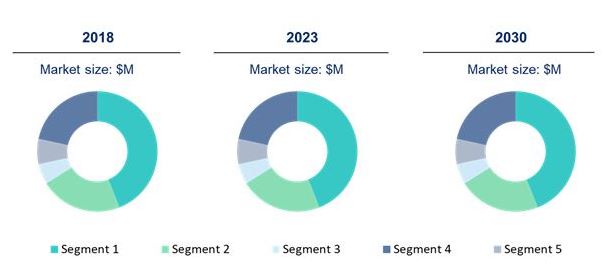
Segmentation Analysis: Gaming gadgets in Netherlands market size by gadget type, product type, and end use industry in terms of value ($B).
Growth Opportunities: Analysis of growth opportunities in different gadget types, product types, and end use industries for the gaming gadgets in Netherlands.
Strategic Analysis: This includes M&A, new product development, and competitive landscape of the gaming gadgets in Netherlands.
Analysis of competitive intensity of the industry based on Porter Five Forces model.
If you are looking to expand your business in this or adjacent markets, then contact us. We have done hundreds of strategic consulting projects in market entry, opportunity screening, due diligence, supply chain analysis, M & A, and more.
FAQ
Q.1 What are the major drivers influencing the growth of the gaming gadgets market in Netherlands?
Answer: The major drivers for this market are growing popularity of e-sport tournaments and the increasing internet services.
Q2. What are the major segments for gaming gadgets market in Netherlands?
Answer: The future of the gaming gadgets market in Netherlands looks promising with opportunities in the residential and commercial markets.
Q3. Which gaming gadgets market segment in Netherlands will be the largest in future?
Answer: Lucintel forecasts that PCs & laptops is expected to witness higher growth over the forecast period due to increasing growth of gaming headsets, mouse, keyboards, and other peripherals in order to improve their gaming experience.
Q4. Do we receive customization in this report?
Answer: Yes, Lucintel provides 10% customization without any additional cost.
This report answers following 10 key questions:
Q.1. What are some of the most promising, high-growth opportunities for the gaming gadgets market in Netherlands by gadget type (console and PCs & laptops), product type (handheld consoles and home consoles), and end use industry (residential and commercial)?
Q.2. Which segments will grow at a faster pace and why?
Q.3. What are the key factors affecting market dynamics? What are the key challenges and business risks in this market?
Q.4. What are the business risks and competitive threats in this market?
Q.5. What are the emerging trends in this market and the reasons behind them?
Q.6. What are some of the changing demands of customers in the market?
Q.7. What are the new developments in the market? Which companies are leading these developments?
Q.8. Who are the major players in this market? What strategic initiatives are key players pursuing for business growth?
Q.9. What are some of the competing products in this market and how big of a threat do they pose for loss of market share by material or product substitution?
Q.10. What M&A activity has occurred in the last 5 years and what has its impact been on the industry?