Gaming Gadgets In Australia Trends and Forecast
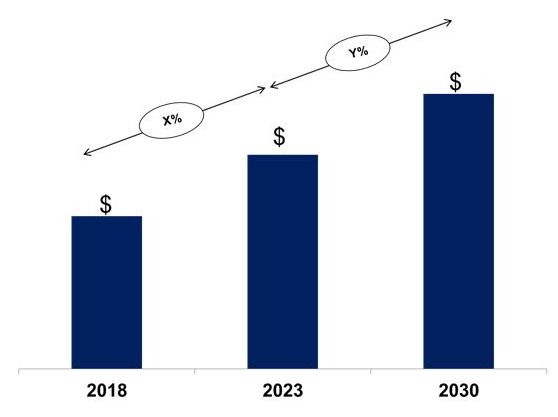
The future of the gaming gadgets market in Australia looks promising, with opportunities in the residential and commercial markets. The global gaming gadgets market is expected to reach an estimated $127.6 billion by 2031, with a CAGR of 8.5% from 2025 to 2031. The gaming gadgets market in Australia is also forecasted to witness strong growth over the forecast period. The major drivers for this market are the growing popularity of e-sport tournaments and the increasing availability of Internet services.
• Lucintel forecasts that, within the gadget type category, PCs & laptops are expected to witness higher growth over the forecast period due to the growing demand for gaming headsets, mice, keyboards, and other peripherals to enhance the gaming experience.
• Within the end use industry category, residential will remain a larger segment due to the ease of connection with various display devices and the demand for customized components that reduce power consumption and optimize space.
Emerging Trends in the Gaming Gadgets Market in Australia
The gaming gadgets market in Australia is witnessing a dynamic evolution due to technological advancements and shifting consumer preferences. Since gaming has become a more immersive experience and is widespread across different age groups, changes in the gadgets used by gamers are significant. From enhanced gaming peripherals to the integration of AI and VR, emerging trends are revolutionizing the gaming experience. This knowledge will keep manufacturers and gamers on their toes to remain in step with this growing market.
• Immersive VR and AR Experiences: Virtual Reality (VR) and Augmented Reality (AR) have grown at a phenomenal rate in the gaming sector. In Australia, demand for VR headsets and AR-compatible gadgets is growing as people are interested in the immersive gaming experience. These technologies allow players to interact with the game world in much more realistic ways, with VR providing full-body immersion and AR enhancing interaction with the physical environment. The growing popularity of VR/AR will drive further innovation in both hardware and software, offering more engaging and interactive gaming experiences.
• Expansion of Cloud Gaming: Cloud gaming has emerged as a major trend in the Australian gaming gadgets market. Google Stadia, Nvidia GeForce Now, and Xbox Cloud Gaming are platforms that allow gamers to play high-quality games without the need for expensive hardware. Cloud gaming offers greater accessibility and flexibility, as users can play on various devices, such as smartphones, tablets, and PCs. This shift could influence future gaming gadget designs, prioritizing compatibility with cloud services and reducing the need for high-end local processing power in gaming devices.
• Wireless Gaming Peripherals: Wireless gaming peripherals, including controllers, headsets, and mice, are gaining popularity in Australia. Players now prefer the freedom and convenience offered by wireless devices, which eliminate the clutter of cables and allow more mobility. These gadgets are also improving in performance, with low-latency connections and longer battery life. The rising use of wireless peripherals reflects the need for streamlined, high-performance gadgets that improve the gaming experience, giving gamers the freedom to move around while remaining reliable.
• AI Integration in Gaming Gadgets: Artificial Intelligence (AI) is now being integrated into gaming peripherals, making gaming more personalized and efficient. AI integration optimizes gameplay, such as smart controllers that adjust settings according to the user behavior or AI-powered headsets that adapt to environmental sounds. AI can further enhance game development by improving the behavior of non-player characters and creating more dynamic and responsive gaming worlds. As AI becomes more integrated into gaming gadgets, it promises to push the boundaries of customization and gameplay quality.
• Sustainability and Eco-friendly Gaming Gadgets: Sustainability is gaining importance in various industries, and the gaming gadgets market in Australia is also shifting toward eco-friendly products. Manufacturers are producing devices made from recycled materials and energy-efficient products and reducing electronic waste. This trend is driven by consumer demand and regulatory pressures. The future of gaming gadgets in Australia will increasingly focus on environmental impact without sacrificing performance, appealing to environmentally conscious gamers.
These new trends of VR/AR integration, cloud gaming, wireless peripherals, AI-powered gadgets, and sustainability are changing the dynamics of the gaming gadgets market in Australia. Once these technologies become established, they will continue to change the gaming experience as they expand and advance technology and gameplay. Users will receive more immersive, convenient, and eco-friendly products, while manufacturers will need to adjust according to the increasingly discerning expectations of the tech-savvy and environmentally conscious consumer market.
Recent Developments in the Gaming Gadgets Market in Australia
Australian gaming gadgets market is undergoing rapid transformation due to new technological advancements and shifting consumer preferences. Companies are focusing on innovations in gaming peripherals, immersive experiences, and accessibility while also addressing environmental concerns. The markets developments include enhanced VR and AR devices, the growth of cloud gaming, advancements in wireless peripherals, AI-powered gadgets, and an increasing emphasis on sustainability. These developments are setting the stage for a more advanced and inclusive gaming environment, and companies must adapt to these changes to remain competitive in the market.
Key Developments in the Gaming Gadgets Market
• Advanced Virtual Reality (VR) Devices: Recent developments in VR technology have led to the introduction of more affordable, user-friendly headsets in Australia. These new devices offer improved resolution, wider fields of view, and more accurate tracking, significantly enhancing the immersive experience for gamers. The impact of these developments is clear: VR is becoming more accessible to mainstream audiences, encouraging more gamers to invest in this technology. As VR gaming continues to grow, developers are focusing on content creation, which will further enhance its popularity in Australia.
• Cloud Gaming Platforms: Cloud gaming services are fast becoming popular in Australia, and Xbox Cloud Gaming and Google Stadia are two such services that have been able to provide gamers with a vast collection of titles without the need for expensive gaming consoles or PCs. This has made it easier for many to play games, as they do not have to spend money on costly hardware. Cloud gaming will increase demand for more portable devices, like smartphones and tablets, to serve as gaming platforms. As the market expands, gadget developers will need to design equipment that supports cloud gaming with zero lag.
• Wireless Gaming Technology: Wireless gaming peripherals, such as high-performance controllers, mice, and headsets, are quickly gaining popularity in Australia. To respond to these challenges, manufacturers have introduced ultra-low latency devices that run for extended periods without battery recharging. Connectivity problems can no longer be attributed to this technological advancement. Currently, gamers are enjoying more freedom using wireless peripherals when playing their favorite games. Consequently, the increased reliance on wireless products has prompted device manufacturers to streamline their technology in order to create wireless devices that function better and save energy.
• AI-Powered Gadgets and Smart Integration: AI integration into gaming gadgets changes the way games are played by making them more personalized and dynamic for the gamer. For example, gaming headsets now use AI to adapt to a player environment and adjust the sound accordingly. Similarly, smart controllers can adjust settings based on a player preferences and performance. AI is also used to enhance gameplay by improving NPC behavior and creating a more realistic and interactive world. The growing implementation of AI-powered devices is enhancing the overall gaming experience, enabling players to have more customized, responsive interactions.
• Sustainable Gaming Gadgets: Environmental sustainability is becoming a key focus in the gaming gadgets market, with more manufacturers in Australia investing in eco-friendly materials and energy-efficient products. Gaming gadgets made from recycled plastics and other sustainable materials are being introduced because of the growing trend of recycling and the reduction of electronic waste. This is a major development because consumers now, more than ever, are demanding products that are made with an environmentally conscious approach. The focus on sustainability is likely to continue to push innovation as companies must balance performance against being environmentally friendly.
The most recent developments shaping the gaming gadgets market in Australia, particularly in the last couple of years, include improved VR devices, cloud gaming, wireless peripherals, AI integration, and eco-friendliness. These technological innovations are guiding the future of gaming and finding ways to break into new and innovative gameplay experiences without many accessibility barriers. As these trends continue to shape the market, manufacturers and developers will need to innovate continually as the new demand from Australian gamers for advanced, sustainable, and customizable solutions evolves.
Strategic Growth Opportunities for Gaming Gadgets Market in Australia
The Australian gaming gadgets market is rapidly evolving, with drivers including advancements in technology and a shift in consumer preferences. As the demand for more immersive, interactive, and high-performance gaming experiences continues to surge, manufacturers focus on key growth areas to stay ahead. The following report outlines five strategic growth opportunities in the Australian gaming gadgets market, including possible areas of investment and expansion by companies to avail themselves of this fast-growing sector.
• Immersive VR/AR Gaming Gadgets: Virtual Reality (VR) and Augmented Reality (AR) technologies are revolutionizing the gaming experience by offering deeper levels of immersion. In Australia, there is a growing demand for VR headsets and AR-compatible gadgets as players seek more engaging, interactive experiences. These technologies enable users to interact with games in more realistic ways, enhancing engagement and creating new opportunities for content development. As VR/AR becomes more mainstream, gaming brands can capitalize on the demand for affordable and high-quality devices while furthering innovation in hardware and software to improve the overall gaming experience.
• Cloud Gaming Solutions: Cloud gaming, which allows players to stream games without demanding high-end hardware, is gaining traction in Australia. Google Stadia and Xbox Cloud Gaming allow gamers to access high-quality games on a wide range of devices, including smartphones and tablets. This trend creates growth opportunities for gaming gadget manufacturers to specialize in developing light, portable devices that support cloud-based gaming. As cloud gaming gains popularity, devices with seamless compatibility with cloud platforms and high-performance streaming will be in high demand, leading to further investment in cloud-compatible devices.
• Wireless Gaming Peripherals: Wireless gaming peripherals, including controllers, headsets, and mice, have grown very popular in Australia due to the rising demand for convenience and freedom from cables. Improvements in latency, battery life, and connectivity will make devices better for gaming in terms of flexibility and mobility. The use of wireless technology will continue as a trend, with more gamers opting for products that help eliminate cable clutter and allow more reliable and responsive interactions. Manufacturers will use this trend as an opportunity to innovate by making wireless solutions with better performance and usability.
• AI-Driven Customization in Gaming Gadgets: Artificial Intelligence is changing gaming gadgets by making it possible to have more personalized and responsive interactions. For example, AI can help optimize gameplay with adaptive controllers that change according to player behavior or headsets that modify sound settings based on the environment. In Australia, the demand for AI-powered devices is growing as gamers look for more immersive, tailored experiences. Companies can gain an advantage by investing in AI-driven technology to create smarter gaming gadgets offering personalization, better gameplay, and user engagement.
• Sustainability in Gaming Gadgets: Australian consumers are increasingly focusing on sustainability-related objectives as time progresses. Therefore, gaming gadgets cannot be left out in this regard. With growing environmental awareness, consumers are looking for eco-friendly products made from recycled materials with energy efficiency. Companies can take advantage of this situation by making sustainability part of their product development process. These companies can market gadgets that consume minimal electronic waste, are produced with sustainable materials, and require reduced energy usage, thus targeting green gamers while addressing regulatory forces pushing them toward sustainable production processes.
These growth opportunities in immersive VR/AR experiences, cloud gaming solutions, wireless peripherals, AI-driven customization, and sustainability are transforming the gaming gadgets market in Australia. As the needs of consumers evolve toward more immersive, portable, and eco-friendly products, manufacturers will have to concentrate on innovation and adaptability. By seizing these opportunities, businesses will position themselves at the forefront of a rapidly changing market, securing long-term growth and competitiveness.
Gaming Gadgets Market in Australia Driver and Challenges
Technological, economic, and regulatory influences have an impact on the growth of the gaming gadgets market in Australia. Technological advances and economic factors continue to spur expansion in this market, which has been rapidly growing. Challenges to innovation also drive consumer behavior in this sector. As gaming gadgets become increasingly sophisticated, understanding the drivers and overcoming the challenges is essential for businesses to remain competitive and responsive to market shifts. Below, we examine the major drivers and challenges shaping this dynamic market.
The factors responsible for driving the gaming gadgets market in Australia include:
• Technological Advancements: Rapid technological advancements are a major driver in the gaming gadgets market, with innovations such as VR/AR technologies, AI integration, and cloud gaming reshaping the gaming experience. Consumers in Australia are adopting increasingly immersive, interactive, and personalized experiences via devices. These technologies continue to evolve, requiring manufacturers of gaming gadgets to stay abreast of new developments and ensuring an enhancement of their productsÄX%$%X performance and user satisfaction. Companies should constantly invest in R&D to stay ahead and meet the increasing demand for next-generation gaming gadgets.
• Higher Demand for Immersive Experiences: Consumer demand for more immersive, interactive game experiences is driving the market. Australian gamers seek more realistic and engaging environments and thus increasingly require more advanced peripherals like VR headsets, haptic feedback controllers, and motion-tracking devices. With the popularity of VR and AR, gaming gadgets are evolving to deliver more immersive experiences. The demand for more interactive games offers immense opportunities for manufacturers to innovate and design products that address current demands while fueling their market growth forward.
• Cloud Gaming Transformation: Cloud gaming is changing the face of games in Australia as it increases access and convenience for players. Google Stadia, Xbox Cloud Gaming, and Nvidia GeForce Now are platforms that allow users to stream high-quality games without the need for expensive consoles or PCs. This shift is driving demand for gadgets optimized for cloud gaming, such as smartphones, tablets, and portable gaming devices. The convenience and flexibility of cloud gaming are changing the way gamers access content, opening up new opportunities for companies to design gadgets that support seamless streaming and performance.
• Consumer Focus on Sustainability: Environmental awareness is growing in Australia, and consumers are now focusing more on sustainability in their purchasing decisions. This is creating demand for eco-friendly gaming gadgets made from recycled materials and energy-efficient designs. Manufacturers are looking to meet such expectations by investing in sustainable production methods and developing products that minimize electronic waste. Offering greener gaming gadgets presents an opportunity for businesses to differentiate themselves and gain a competitive advantage by offering environmentally friendly products to the growing eco-sensitive consumer segment.
• Growing Esports Industry: Demand for high-performance gaming gadgets in Australia is rising with the expansion of the esports industry. Esports competitions and online gaming communities are expanding, increasing the need for precision, speed, and reliability in a player device. This is fueling the development of specific peripherals, such as professional-grade controllers, high-end gaming mice, and headsets, specifically targeting the competitive gaming community. Gaming gadget manufacturers can capitalize on this increasingly mainstream popular sport, esports, by designing products that meet high standards.
Challenges in the gaming gadgets market in Australia are:
• High Production Costs: Although new technologies offer advantageous opportunities, they also lead to significant production costs. Creating high-end gaming devices with recent technological advancements, like VR/AR capabilities or AI integration, requires significant investment in research and development. For manufacturers, managing the balance between innovation and cost-effectiveness is difficult. Given the high competition within the market, price sensitivity is always a concern. High production costs can prevent profitability and limit companiesÄX%$%X ability to offer low-cost products while maintaining quality and performance standards.
• Supply Chain and Component Shortages: The gaming gadgets market is affected by supply chain disruptions and component shortages, especially for high-tech parts like microchips and processors. These shortages cause delays in production, increased costs, and a limited supply of popular gadgets. For Australian manufacturers and distributors, this supply chain issue is a significant challenge in terms of strategic planning and flexibility to minimize the impact. This underscores the need for reliable supply chains and diversified sourcing strategies to ensure the continuous availability of products.
• Regulatory Compliance and Safety Standards: The gaming gadgets market has various regulatory requirements, including safety standards, environmental regulations, and import/export controls. In Australia, manufacturers must ensure their products comply with local regulations, including those related to electronic waste, energy efficiency, and product safety. Keeping up with evolving regulations can be resource-intensive and time-consuming, especially for smaller companies. Non-compliance can result in penalties, product recalls, and damage to brand reputation, making regulatory compliance a critical challenge for businesses operating in the Australian gaming gadgets market.
There is much evidence that technological advancements and increased demand for immersive experiences, along with the shift to cloud gaming, sustainability concerns, and the expanding esports industry, will lead to rapid expansion in Australian gaming gadgets market. However, challenges such as high production costs, supply chain disruptions, and regulatory compliance issues may restrain growth. To succeed, firms must overcome these challenges while seizing emerging opportunities to remain competitive and responsive to the evolving demands of Australian gamers.
List of Gaming Gadgets Market in Australia Companies
Companies in the market compete based on product quality offered. Major players in this market focus on expanding their manufacturing facilities, R&D investments, infrastructural development, and leverage integration opportunities across the value chain. Through these strategies, gaming gadgets companies cater to increasing demand, ensure competitive effectiveness, develop innovative products & technologies, reduce production costs, and expand their customer base. Some of the gaming gadgets companies profiled in this report include:
• Company 1
• Company 2
• Company 3
• Company 4
• Company 5
• Company 6
• Company 7
• Company 8
• Company 9
• Company 10
Gaming Gadgets Market in Australia by Segment
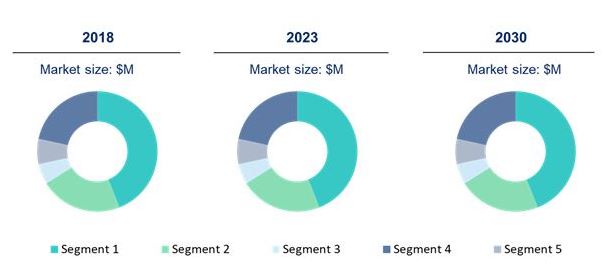
The study includes a forecast for the gaming gadgets market in Australia by gadget type, product type, and end use industry.
Gaming Gadgets Market in Australia by Gadget Type [Analysis by Value from 2019 to 2031]:
• Console
• PCs & Laptops
Gaming Gadgets Market in Australia by Product Type [Analysis by Value from 2019 to 2031]:
• Handheld Consoles
• Home Consoles
Gaming Gadgets Market in Australia by End Use Industry [Analysis by Value from 2019 to 2031]:
• Residential
• Commercial
Features of the Gaming Gadgets Market in Australia
Market Size Estimates: Gaming gadgets in Australia market size estimation in terms of value ($B).
Trend and Forecast Analysis: Market trends and forecasts by various segments.
Segmentation Analysis: Gaming gadgets in Australia market size by gadget type, product type, and end use industry in terms of value ($B).
Growth Opportunities: Analysis of growth opportunities in different gadget types, product types, and end use industries for the gaming gadgets in Australia.
Strategic Analysis: This includes M&A, new product development, and competitive landscape of the gaming gadgets in Australia.
Analysis of competitive intensity of the industry based on Porter Five Forces model.
If you are looking to expand your business in this or adjacent markets, then contact us. We have done hundreds of strategic consulting projects in market entry, opportunity screening, due diligence, supply chain analysis, M & A, and more.
FAQ
Q.1 What are the major drivers influencing the growth of the gaming gadgets market in Australia?
Answer: The major drivers for this market are growing popularity of e-sport tournaments and the increasing internet services.
Q2. What are the major segments for gaming gadgets market in Australia?
Answer: The future of the gaming gadgets market in Australia looks promising with opportunities in the residential and commercial markets.
Q3. Which gaming gadgets market segment in Australia will be the largest in future?
Answer: Lucintel forecasts that PCs & laptops is expected to witness higher growth over the forecast period due to increasing growth of gaming headsets, mouse, keyboards, and other peripherals in order to improve their gaming experience.
Q4. Do we receive customization in this report?
Answer: Yes, Lucintel provides 10% customization without any additional cost.
This report answers following 10 key questions:
Q.1. What are some of the most promising, high-growth opportunities for the gaming gadgets market in Australia by gadget type (console and PCs & laptops), product type (handheld consoles and home consoles), and end use industry (residential and commercial)?
Q.2. Which segments will grow at a faster pace and why?
Q.3. What are the key factors affecting market dynamics? What are the key challenges and business risks in this market?
Q.4. What are the business risks and competitive threats in this market?
Q.5. What are the emerging trends in this market and the reasons behind them?
Q.6. What are some of the changing demands of customers in the market?
Q.7. What are the new developments in the market? Which companies are leading these developments?
Q.8. Who are the major players in this market? What strategic initiatives are key players pursuing for business growth?
Q.9. What are some of the competing products in this market and how big of a threat do they pose for loss of market share by material or product substitution?
Q.10. What M&A activity has occurred in the last 5 years and what has its impact been on the industry?