
Report Feature
Fungal Foot-Animal Market Trends and Forecast
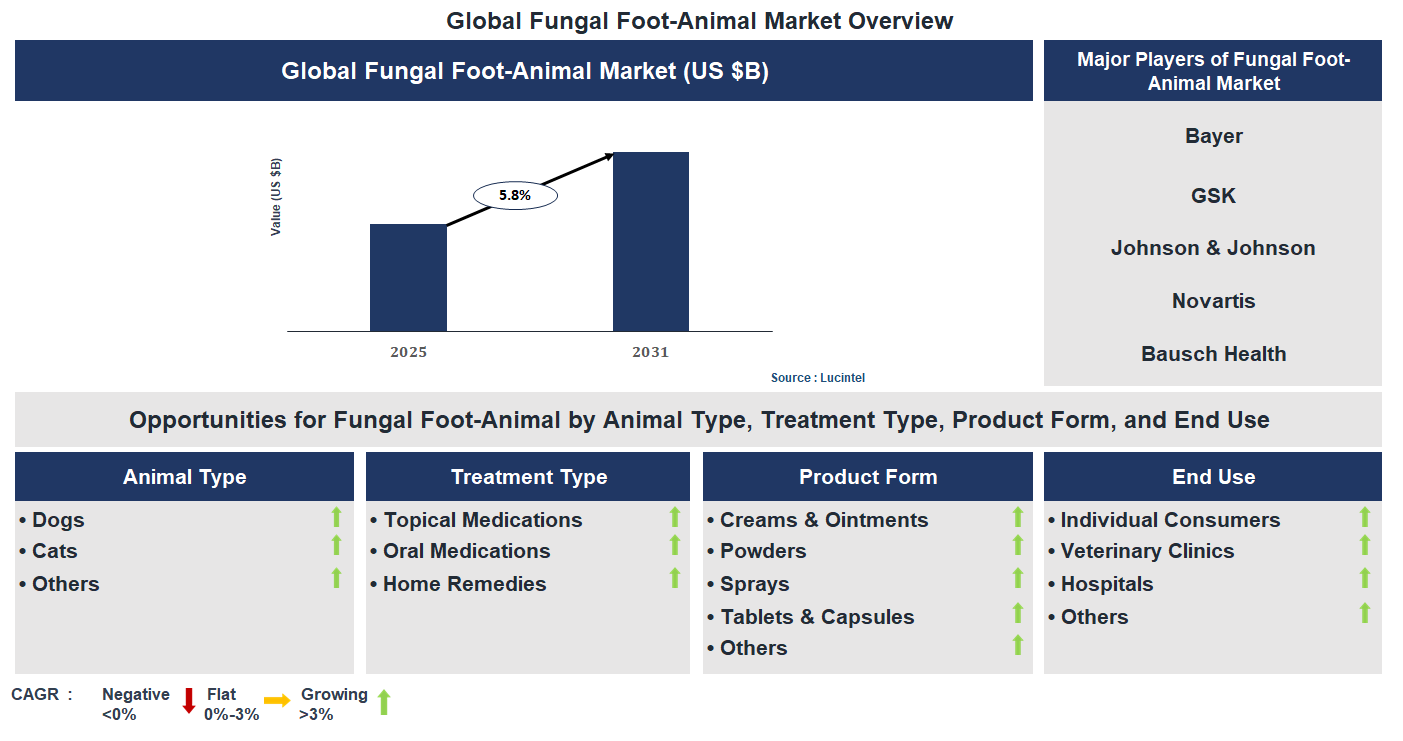
The future of the global fungal foot-animal market looks promising with opportunities in the individual consumer, veterinary clinic, and hospital markets. The global fungal foot-animal market is expected to grow with a CAGR of 5.8% from 2025 to 2031. The major drivers for this market are the increasing incidence of fungal infections, the rising awareness about pet health issues, and the growing demand for veterinary treatments.• Lucintel forecasts that, within the treatment type category, topical medication is expected to witness the highest growth over the forecast period.
• Within the end use category, veterinary clinic is expected to witness the highest growth.
• In terms of region, APAC is expected to witness the highest growth over the forecast period. Gain valuable insights for your business decisions with our comprehensive 150+ page report. Sample figures with some insights are shown below.
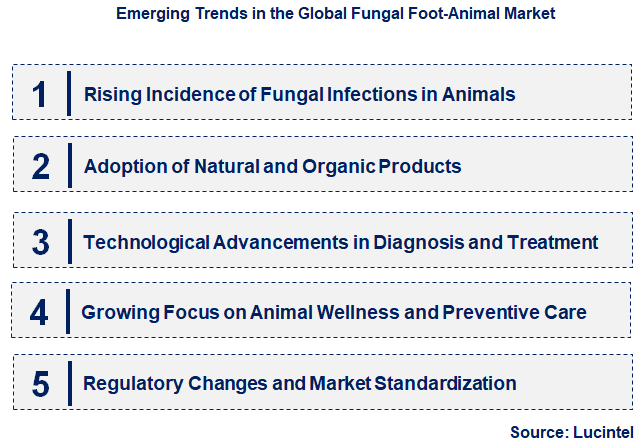
Emerging Trends in the Fungal Foot-Animal Market
The fungal foot-animal market is experiencing rapid evolution driven by increasing awareness of fungal infections, advancements in treatment options, and changing consumer preferences. As pet owners seek more effective and natural solutions, the market is adapting to meet these demands through innovation and diversification. Technological advancements, regulatory changes, and a growing focus on animal health and wellness are further shaping this landscape. These developments are not only expanding market size but also influencing product formulations, distribution channels, and consumer engagement strategies. Understanding these emerging trends is crucial for stakeholders aiming to capitalize on the markets growth potential and address evolving customer needs effectively.• Rising Incidence of Fungal Infections in Animals: The increasing prevalence of fungal infections among pets and livestock is a key driver. Factors such as climate change, urbanization, and improved diagnostic techniques contribute to higher detection rates. This trend prompts a greater demand for specialized antifungal treatments and preventive measures, encouraging market players to develop targeted products. The rise in infections also emphasizes the need for better veterinary care and awareness campaigns, ultimately expanding the market scope and encouraging innovation in treatment options.
• Adoption of Natural and Organic Products: Consumers are increasingly seeking natural, organic, and eco-friendly solutions for their pets health. This shift is influencing product formulations, with a focus on herbal, plant-based, and non-toxic ingredients. Companies are investing in research to develop safer, sustainable antifungal products that appeal to environmentally conscious pet owners. This trend enhances market differentiation and opens new segments, fostering growth in premium and niche product categories. It also aligns with broader health and wellness movements, reinforcing consumer trust and loyalty.
• Technological Advancements in Diagnosis and Treatment: Innovations such as rapid diagnostic kits, telemedicine, and advanced topical formulations are transforming the market. These technologies enable quicker, more accurate detection of fungal infections, leading to timely interventions. Improved treatment delivery methods, including sustained-release formulations and targeted therapies, increase efficacy and compliance. The integration of digital health tools also facilitates remote monitoring and personalized care, enhancing customer experience. These advancements are reducing treatment durations and costs, thereby expanding accessibility and market penetration.
• Growing Focus on Animal Wellness and Preventive Care: The market is shifting from reactive treatment to proactive health management. Preventive measures such as vaccines, regular screenings, and nutritional supplements are gaining popularity. This trend is driven by increased awareness among pet owners and veterinary professionals about the importance of early intervention. It encourages the development of comprehensive wellness programs and products that support overall health, including antifungal prevention. This approach not only reduces the incidence of infections but also fosters long-term customer loyalty and market stability.
• Regulatory Changes and Market Standardization: Evolving regulations regarding animal health products are shaping the industry landscape. Stricter safety and efficacy standards are prompting companies to invest in quality assurance and transparent labeling. Regulatory approvals are becoming more streamlined, facilitating faster product launches. Standardization efforts are also promoting product consistency and consumer confidence. These changes encourage innovation while ensuring safety, ultimately fostering a more trustworthy and competitive market environment. Compliance with regulations is becoming a key differentiator for market players seeking to expand globally. In summary, these emerging trends are collectively reshaping the fungal foot-animal market by driving innovation, enhancing product safety and efficacy, and aligning offerings with consumer preferences. They are fostering a more proactive, sustainable, and technologically advanced industry, poised for sustained growth and increased market competitiveness.
Recent Development in the Fungal Foot-Animal Market
The fungal foot-animal market has experienced significant growth driven by increasing awareness of fungal infections in animals, advancements in treatment options, and rising pet ownership worldwide. As consumers seek effective solutions for animal health, key developments are shaping the market landscape. These innovations are not only improving treatment efficacy but also expanding product availability and accessibility. The markets evolution reflects a broader trend toward integrated pet healthcare and preventive measures, emphasizing the importance of early diagnosis and targeted therapies. These developments are poised to influence market dynamics, consumer preferences, and industry strategies in the coming years.• Introduction of Novel Antifungal Medications: New antifungal drugs with enhanced efficacy and fewer side effects have entered the market, improving treatment outcomes for fungal foot infections in animals. This development has increased veterinarian confidence in managing complex cases and reduced treatment durations, leading to higher adoption rates and better animal health.
• Expansion of Over-the-Counter (OTC) Products: The availability of OTC antifungal treatments has grown, making it easier for pet owners to manage minor fungal foot issues at home. This accessibility has driven market growth by reducing the need for veterinary visits and encouraging early intervention, ultimately preventing severe infections.
• Advances in Diagnostic Technologies: The development of rapid, accurate diagnostic tools such as PCR and dermoscopy has improved early detection of fungal infections. These technologies enable targeted treatments, reduce misdiagnosis, and enhance overall treatment success, positively impacting market growth and animal health outcomes.
• Growing Focus on Preventive Care: Increased awareness about fungal infection prevention has led to the introduction of prophylactic products like antifungal sprays and foot hygiene solutions. This shift toward prevention reduces infection recurrence, supports long-term animal health, and expands the market for maintenance products.
• Integration of Digital and Telemedicine Platforms: The adoption of telemedicine and digital health platforms has facilitated remote diagnosis and treatment monitoring for fungal foot infections. This development improves access to veterinary care, especially in remote areas, and streamlines treatment management, boosting market reach and customer satisfaction. In summary, these recent developments are significantly transforming the fungal foot-animal market by enhancing treatment options, improving early detection, and increasing accessibility. They are fostering a more proactive approach to animal health, driving market expansion, and encouraging innovation. As these trends continue, the market is expected to see sustained growth, better health outcomes for animals, and increased engagement from pet owners and veterinary professionals alike.
Strategic Growth Opportunities in the Fungal Foot-Animal Market
The fungal foot-animal market is experiencing rapid growth driven by increasing awareness of fungal infections in animals, advancements in diagnostic and treatment options, and rising pet ownership worldwide. As the demand for effective therapies and preventive measures grows, key applications are emerging as significant growth opportunities. These developments are shaping the future landscape of the market, offering new avenues for innovation and expansion. Stakeholders are focusing on targeted solutions to address specific animal health needs, which will enhance market penetration and improve overall animal well-being. The following are five key growth opportunities across different applications within this market.• Expansion of Specialized Services: Increasing demand for accurate diagnosis and effective treatment options in veterinary clinics and hospitals is driving growth. Advanced diagnostic tools and targeted antifungal therapies are becoming standard, improving treatment outcomes. This creates opportunities for market players to develop innovative products tailored for clinical use, ultimately enhancing animal health and client satisfaction.
• Incorporation of Antifungal Agents: The integration of antifungal ingredients into pet foods is gaining traction as a preventive measure. This approach helps reduce the incidence of fungal infections in animals, especially in high-risk environments. It opens new revenue streams for pet food manufacturers and promotes overall health, leading to a healthier pet population and increased consumer confidence.
• Development of Novel Antifungal Drugs: The demand for more effective and safer antifungal medications is fueling research and development in this sector. New formulations with broader spectrum activity and fewer side effects are being introduced. This enhances treatment efficacy, reduces disease recurrence, and supports market growth through improved therapeutic options.
• Advancements in Testing Technologies: Cutting-edge diagnostic tools such as molecular testing and rapid assays are improving detection accuracy and speed. These innovations facilitate early intervention and better disease management. They also enable the development of personalized treatment plans, boosting the overall efficiency of veterinary care and expanding market opportunities.
• Focus on Preventive Care Programs: Increased awareness and funding for animal shelters are emphasizing preventive health measures, including fungal infection control. Implementing routine screening and prophylactic treatments reduces infection spread, improving animal welfare. This creates a sustainable model for managing fungal diseases in large animal populations and supports market growth through increased demand for preventive products. In summary, these growth opportunities are significantly impacting the fungal foot-animal market by fostering innovation, expanding application areas, and improving animal health outcomes. They are driving market expansion, attracting investments, and encouraging the development of targeted solutions that meet the evolving needs of veterinary care and pet owners.
Fungal Foot-Animal Market Driver and Challenges
The fungal foot-animal market is influenced by a variety of technological, economic, and regulatory factors that shape its growth and development. Advances in medical research and diagnostic technologies have improved detection and treatment options, fostering market expansion. Economic factors such as increasing pet ownership and rising healthcare expenditure contribute to higher demand for antifungal treatments. Regulatory frameworks ensure safety and efficacy standards, impacting product development and market entry. Additionally, awareness campaigns and veterinary practices influence consumer behavior and market dynamics. However, the market also faces challenges like regulatory hurdles, high treatment costs, and limited awareness in certain regions. Understanding these drivers and challenges is essential for stakeholders to navigate this evolving landscape effectively. The factors responsible for driving the fungal foot-animal market include:• Technological Advancements: The development of innovative diagnostic tools and antifungal medications has significantly improved the ability to detect and treat fungal foot infections in animals. These advancements lead to more effective, faster, and less invasive treatments, increasing adoption among veterinarians and pet owners. Enhanced research capabilities also facilitate the discovery of new antifungal agents, expanding the market. As technology continues to evolve, the market benefits from improved treatment outcomes, reduced side effects, and broader product portfolios, which collectively drive growth and market confidence.
• Rising Pet Ownership and Expenditure: The increasing number of pet owners worldwide, especially in urban areas, has led to higher demand for veterinary services and animal healthcare products. Pet owners are more willing to invest in preventive and curative treatments for fungal foot infections, recognizing the importance of animal health and well-being. Rising disposable incomes and awareness about pet health contribute to this trend, fueling market growth. Veterinary clinics and pet care centers are expanding their offerings to include specialized antifungal treatments, further boosting market revenues.
• Growing Awareness and Veterinary Practices: Awareness campaigns by veterinary associations, pet care organizations, and pharmaceutical companies have improved knowledge about fungal foot infections in animals. Educated pet owners are more likely to seek early diagnosis and treatment, reducing disease severity and transmission. Veterinary practitioners are increasingly adopting advanced diagnostic techniques and treatment protocols, which enhance treatment success rates. This increased awareness and improved veterinary practices foster a proactive approach to animal health, thereby expanding the market for antifungal products and services.
• Regulatory Approvals and Standards: Stringent regulatory frameworks ensure the safety, efficacy, and quality of antifungal medications used in animals. Regulatory approvals facilitate market entry for new products and boost consumer confidence. Compliance with standards set by agencies such as the FDA or EMA influences product development and marketing strategies. While regulatory hurdles can delay product launches, they ultimately ensure that only safe and effective treatments reach the market, supporting sustainable growth and fostering trust among veterinarians and pet owners.
• Increasing R&D Investments: Pharmaceutical companies and research institutions are investing heavily in R&D to discover novel antifungal agents and improve existing treatments. These investments lead to the development of more effective, broad-spectrum antifungal drugs with fewer side effects. R&D efforts also focus on understanding fungal pathogens better, enabling targeted therapies. The continuous innovation driven by R&D enhances the market’s product pipeline, addresses unmet needs, and sustains long-term growth prospects, making the market more competitive and resilient. The challenges in the fungal foot-animal market are:
• Regulatory Hurdles: Navigating complex regulatory landscapes can delay the approval and launch of new antifungal treatments. Different countries have varying standards and approval processes, which can increase time-to-market and costs for pharmaceutical companies. These hurdles may discourage innovation and limit the availability of new therapies, especially in emerging markets. Additionally, stringent regulations require extensive clinical trials, which are costly and time-consuming, potentially impacting the pace of market growth and product diversification.
• High Treatment Costs: The cost of antifungal medications and diagnostic procedures can be prohibitively expensive for many pet owners, especially in developing regions. High treatment costs may lead to delayed or incomplete therapy, reducing treatment efficacy and increasing the risk of resistance. Veterinary clinics may also face financial constraints in adopting advanced diagnostic tools or newer medications, limiting market expansion. Cost barriers hinder access to optimal care, affecting overall market growth and animal health outcomes.
• Limited Awareness and Education: Despite growing awareness, there remains a significant lack of knowledge about fungal foot infections among pet owners and some veterinary practitioners, particularly in rural or underdeveloped areas. This limited awareness results in delayed diagnosis and treatment, worsening disease prognosis. Insufficient education about prevention and early intervention hampers market growth and allows the disease to spread more widely. Addressing these gaps requires targeted awareness campaigns and training programs, which can be resource-intensive. In summary, the fungal foot-animal market is driven by technological innovations, increasing pet ownership, heightened awareness, regulatory support, and ongoing R&D investments. However, challenges such as regulatory complexities, high treatment costs, and limited awareness pose significant hurdles. These factors collectively influence market dynamics, with growth prospects hinging on overcoming barriers and leveraging technological and regulatory opportunities. A balanced approach addressing these challenges while capitalizing on drivers will be crucial for sustainable market expansion and improved animal health outcomes.
List of Fungal Foot-Animal Companies
Companies in the market compete on the basis of product quality offered. Major players in this market focus on expanding their manufacturing facilities, R&D investments, infrastructural development, and leverage integration opportunities across the value chain. With these strategies fungal foot-animal companies cater increasing demand, ensure competitive effectiveness, develop innovative products & technologies, reduce production costs, and expand their customer base. Some of the fungal foot-animal companies profiled in this report include-• Bayer
• GSK
• Johnson & Johnson
• Novartis
• Bausch Health
• TEVA
• Taro Pharmaceutical
• WellSpring Pharma
• Crown Laboratories
• Medimetriks Pharmaceuticals
Fungal Foot-Animal Market by Segment
The study includes a forecast for the global fungal foot-animal market by animal type, treatment type, product form, end use, and region.Fungal Foot-Animal Market by Animal Type [Value from 2019 to 2031]:
• Dogs
• Cats
• Others
Fungal Foot-Animal Market by Treatment Type [Value from 2019 to 2031]:
• Topical Medications
• Oral Medications
• Home Remedies
Fungal Foot-Animal Market by Product Form [Value from 2019 to 2031]:
• Creams & Ointments
• Powders
• Sprays
• Tablets & Capsules
• Others
Fungal Foot-Animal Market by End Use [Value from 2019 to 2031]:
• Individual Consumers
• Veterinary Clinics
• Hospitals
• Others
Fungal Foot-Animal Market by Region [Value from 2019 to 2031]:
• North America
• Europe
• Asia Pacific
• The Rest of the World
Country Wise Outlook for the Fungal Foot-Animal Market
The fungal foot-animal market has experienced notable shifts driven by technological innovations, changing consumer preferences, and evolving regulatory landscapes. As awareness of fungal infections and their impact on animals increases, countries are adopting new treatments, improving diagnostic methods, and expanding product offerings. These developments reflect a growing emphasis on animal health and wellness, alongside a rising demand for effective, sustainable, and accessible solutions. The following summaries highlight recent key advancements and trends in this market across the United States, China, Germany, India, and Japan.• United States: The US market has seen significant growth with the introduction of advanced antifungal medications and diagnostic tools. Increased veterinary awareness and pet ownership have driven demand for effective treatments. Regulatory agencies have approved new topical and oral therapies, while research into fungal resistance and alternative solutions continues. The adoption of digital health records and telemedicine has improved diagnosis and treatment monitoring, further boosting market expansion.
• China: China’s fungal foot-animal market is rapidly expanding due to rising pet ownership and increased awareness of animal health issues. Local companies are investing in research to develop affordable, effective antifungal products. Government initiatives to improve veterinary infrastructure and regulations are facilitating market growth. Additionally, e-commerce platforms are making treatments more accessible, and traditional medicine practices are being integrated with modern therapies to meet diverse consumer needs.
• Germany: Germany’s market is characterized by a focus on high-quality, scientifically validated products. The country emphasizes sustainable and eco-friendly formulations, aligning with European Union regulations. Advances in diagnostic technologies, such as molecular testing, have improved early detection of fungal infections. The market also benefits from strong veterinary healthcare infrastructure and a growing trend toward holistic animal wellness, encouraging innovation in treatment options and preventive measures.
• India: The Indian market is witnessing rapid growth driven by increasing pet adoption and awareness of fungal infections. Local manufacturers are expanding their product portfolios with affordable antifungal creams, powders, and oral medications. Government initiatives to improve veterinary services and awareness campaigns are supporting market development. The rise of e-commerce and rural outreach programs is making treatments more accessible, while research into traditional and herbal remedies complements modern therapies.
• Japan: Japan’s fungal foot-animal market is characterized by technological innovation and a focus on premium products. The country invests heavily in research to develop targeted antifungal treatments with minimal side effects. Advanced diagnostic tools, including genetic testing, are widely used for early detection. The market also emphasizes animal welfare and sustainable practices, with a growing trend toward natural and organic formulations. Regulatory standards are strict, ensuring high-quality products and fostering innovation in the sector.

Features of the Global Fungal Foot-Animal Market
Market Size Estimates: Fungal foot-animal market size estimation in terms of value ($B). Trend and Forecast Analysis: Market trends (2019 to 2024) and forecast (2025 to 2031) by various segments and regions. Segmentation Analysis: Fungal foot-animal market size by various segments, such as by animal type, treatment type, product form, end use, and region in terms of value ($B). Regional Analysis: Fungal foot-animal market breakdown by North America, Europe, Asia Pacific, and Rest of the World. Growth Opportunities: Analysis of growth opportunities in different animal types, treatment types, product forms, end uses, and regions for the fungal foot-animal market. Strategic Analysis: This includes M&A, new product development, and competitive landscape of the fungal foot-animal market. Analysis of competitive intensity of the industry based on Porter’s Five Forces model.
FAQ
Q1. What is the growth forecast for fungal foot-animal market? Answer: The global fungal foot-animal market is expected to grow with a CAGR of 5.8% from 2025 to 2031. Q2. What are the major drivers influencing the growth of the fungal foot-animal market? Answer: The major drivers for this market are the increasing incidence of fungal infections, the rising awareness about pet health issues, and the growing demand for veterinary treatments. Q3. What are the major segments for fungal foot-animal market? Answer: The future of the fungal foot-animal market looks promising with opportunities in the individual consumer, veterinary clinic, and hospital markets. Q4. Who are the key fungal foot-animal market companies? Answer: Some of the key fungal foot-animal companies are as follows:• Bayer
• GSK
• Johnson & Johnson
• Novartis
• Bausch Health
• TEVA
• Taro Pharmaceutical
• WellSpring Pharma
• Crown Laboratories
• Medimetriks Pharmaceuticals Q5. Which fungal foot-animal market segment will be the largest in future? Answer: Lucintel forecasts that, within the treatment type category, topical medication is expected to witness the highest growth over the forecast period. Q6. In fungal foot-animal market, which region is expected to be the largest in next 5 years? Answer: In terms of region, APAC is expected to witness the highest growth over the forecast period. Q7. Do we receive customization in this report? Answer: Yes, Lucintel provides 10% customization without any additional cost.
Table of Contents
List of Figures
List of Tables
Methodology
- In-depth interviews of the major players in this market
- Detailed secondary research from competitors’ financial statements and published data
- Extensive searches of published works, market, and database information pertaining to industry news, company press releases, and customer intentions
- A compilation of the experiences, judgments, and insights of Lucintel’s professionals, who have analyzed and tracked this market over the years.


Buy Now
Choose a license that fits your team. Instant PDF delivery.
Prices exclude taxes. Instant delivery. Custom licensing available on request.
Key Questions
- • What are some of the most promising, high-growth opportunities for the fungal foot-animal market by animal type (dogs, cats, and others), treatment type (topical medications, oral medications, and home remedies), product form (creams & ointments, powders, sprays, tablets & capsules, and others), end use (individual consumers, veterinary clinics, hospitals, and others), and region (North America, Europe, Asia Pacific, and the Rest of the World)?
- • Which segments will grow at a faster pace and why?
- • Which region will grow at a faster pace and why?
- • What are the key factors affecting market dynamics? What are the key challenges and business risks in this market?
- • What are the business risks and competitive threats in this market?
- • What are the emerging trends in this market and the reasons behind them?
- • What are some of the changing demands of customers in the market?
- • What are the new developments in the market? Which companies are leading these developments?
- • Who are the major players in this market? What strategic initiatives are key players pursuing for business growth?
- • What are some of the competing products in this market and how big of a threat do they pose for loss of market share by material or product substitution?
- • What M&A activity has occurred in the last 5 years and what has its impact been on the industry? For any questions related to Fungal Foot-Animal Market, Fungal Foot-Animal Market Size, Fungal Foot-Animal Market Growth, Fungal Foot-Animal Market Analysis, Fungal Foot-Animal Market Report, Fungal Foot-Animal Market Share, Fungal Foot-Animal Market Trends, Fungal Foot-Animal Market Forecast, Fungal Foot-Animal Companies, write Lucintel analyst at email: helpdesk@lucintel.com. We will be glad to get back to you soon.


