
Report Feature
Dog DNA Test Market Trends and Forecast
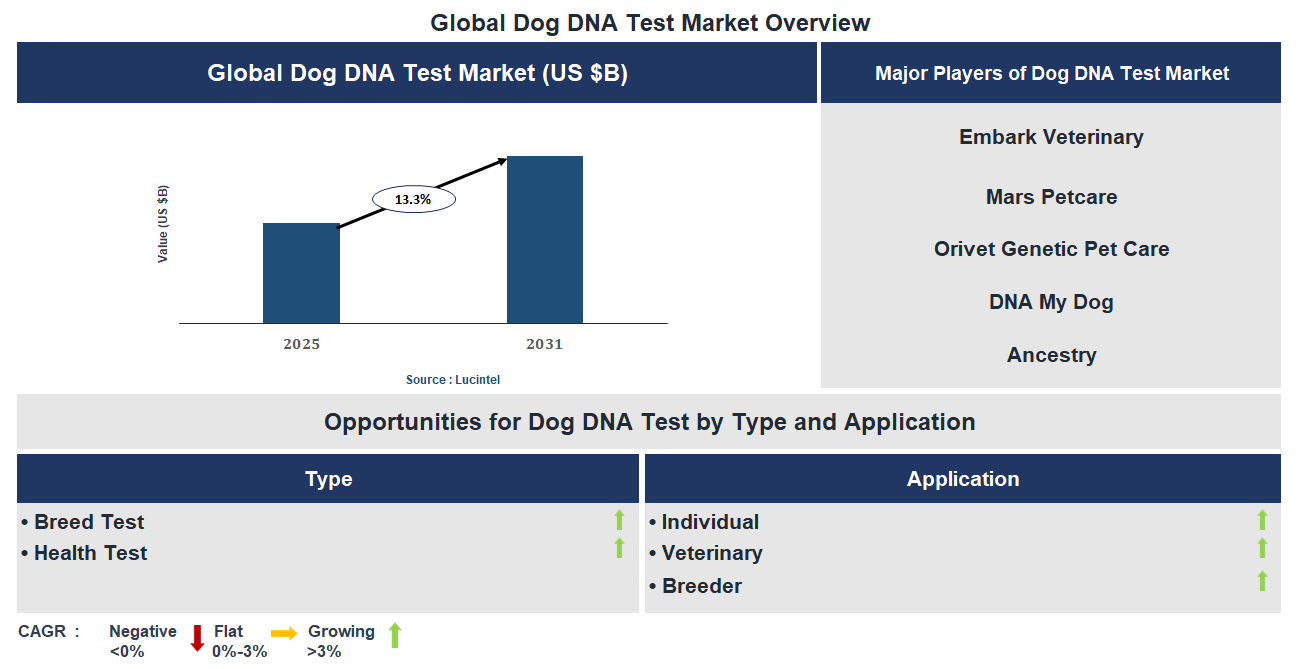
The future of the global dog DNA test market looks promising with opportunities in the individual, veterinary, and breeder markets. The global dog DNA test market is expected to grow with a CAGR of 13.3% from 2025 to 2031. The major drivers for this market are the increasing awareness of pet health concerns, the rising demand for personalized pet services, and the growing popularity of breed identification tests.• Lucintel forecasts that, within the type category, breed test is expected to witness higher growth over the forecast period.
• Within the application category, individual is expected to witness the highest growth.
• In terms of region, APAC is expected to witness the highest growth over the forecast period. Gain valuable insights for your business decisions with our comprehensive 150+ page report. Sample figures with some insights are shown below.
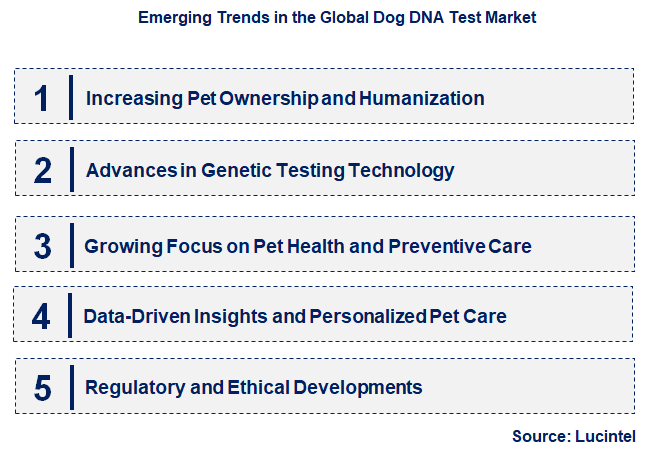
Emerging Trends in the Dog DNA Test Market
The dog DNA test market is experiencing rapid growth driven by increasing pet ownership, a rising focus on pet health, and advancements in genetic testing technology. Consumers are becoming more interested in understanding their pets genetic makeup to improve health, behavior, and breed identification. This market is also influenced by technological innovations, data-driven insights, and a growing trend toward personalized pet care. As pet owners seek more transparency and tailored solutions, companies are innovating to meet these demands. These developments are transforming the industry, making pet genetic testing more accessible, accurate, and integral to responsible pet ownership.• Increasing Pet Ownership and Humanization: The rise in pet ownership globally, coupled with the humanization of pets, is fueling demand for DNA testing. Pet owners now view their animals as family members and seek to ensure their health and well-being. This trend encourages more frequent testing for breed identification, health risks, and ancestry, leading to market expansion. As owners become more invested in their pets lives, they are willing to invest in advanced genetic testing services, which enhances market growth and diversification.
• Advances in Genetic Testing Technology: Innovations in DNA sequencing and analysis have significantly improved the accuracy, affordability, and speed of pet DNA tests. These technological advancements enable detailed insights into breed composition, genetic health risks, and inherited conditions. As technology becomes more accessible, more pet owners and veterinarians are adopting these tests, driving market growth. The continuous evolution of testing methods also allows for more comprehensive and reliable results, increasing consumer confidence and expanding the market.
• Growing Focus on Pet Health and Preventive Care: There is an increasing emphasis on preventive health care for pets, paralleling human health trends. DNA testing helps identify genetic predispositions to certain diseases, enabling early intervention and personalized treatment plans. This proactive approach reduces long-term health costs and improves the quality of life for pets. As awareness about genetic health risks grows, pet owners are more inclined to invest in DNA tests, which boosts demand and encourages veterinary integration of genetic testing services.
• Data-Driven Insights and Personalized Pet Care: The integration of genetic data with health records allows for tailored nutrition, training, and medical interventions. Companies are leveraging big data and AI to interpret genetic information, providing customized recommendations for pet owners. This personalized approach enhances pet health outcomes and customer satisfaction. The market is shifting from generic solutions to targeted, data-backed strategies, fostering innovation and creating new revenue streams for companies involved in pet genetics.
• Regulatory and Ethical Developments: As the market expands, regulatory frameworks and ethical considerations surrounding pet genetic testing are gaining importance. Issues related to data privacy, consent, and the use of genetic information are prompting industry standards and guidelines. Clear regulations help build consumer trust and ensure responsible testing practices. Ethical debates around genetic modification and breed preservation are also influencing market dynamics. These developments are shaping a more transparent, trustworthy, and sustainable market environment, encouraging responsible innovation and consumer confidence. In summary, these trends are collectively reshaping the dog DNA test market by making genetic testing more accurate, accessible, and integral to responsible pet ownership. They are driving innovation, expanding market reach, and fostering a more personalized approach to pet health and well-being, ultimately transforming how pet owners and professionals approach pet care.
Recent Development in the Dog DNA Test Market
The dog DNA test market has experienced significant growth driven by increasing pet ownership, rising awareness of pet health, and advancements in genetic testing technology. Consumers are now more interested in understanding their pets genetic makeup to improve health, behavior, and breed identification. This market expansion is also fueled by the availability of more affordable and accurate testing options, along with growing online platforms offering comprehensive pet genetic services. As pet owners seek personalized care for their animals, the market is evolving rapidly, with new players entering and existing companies expanding their offerings. These developments are shaping the future landscape of pet health management and breed verification.• Technological Advancements: The integration of next-generation sequencing and improved bioinformatics has enhanced test accuracy and reduced costs, making dog DNA testing more accessible and reliable for consumers. This has increased adoption rates and expanded the market base, enabling pet owners to gain detailed insights into their dogs health risks and breed composition.
• Growing Consumer Awareness: Increased awareness about pet health and genetics has driven demand for dog DNA tests. Educational campaigns and online resources have empowered pet owners to make informed decisions, leading to higher adoption of testing services for breed identification, health screening, and ancestry tracing.
• Expansion of Product Offerings: Companies are diversifying their services by offering comprehensive testing panels that include health risk assessments, trait analysis, and breed verification. This diversification caters to a broader customer base and enhances the value proposition, fostering market growth and customer loyalty.
• Strategic Partnerships and Collaborations: Market players are forming alliances with veterinary clinics, pet insurance companies, and online platforms to expand reach and improve service delivery. These collaborations facilitate better access to pet owners and promote integrated pet health solutions, boosting overall market penetration.
• Regulatory and Ethical Developments: Governments and regulatory bodies are establishing guidelines for genetic testing, ensuring data privacy and ethical standards. These regulations build consumer trust and encourage wider adoption, while also fostering innovation within the industry. In summary, these developments are significantly impacting the dog DNA test market by increasing accessibility, improving test accuracy, and expanding service offerings. Enhanced consumer awareness and strategic collaborations are driving market growth, while regulatory frameworks ensure ethical standards. Overall, these trends are positioning the market for sustained expansion and innovation in pet health management.
Strategic Growth Opportunities in the Dog DNA Test Market
The dog DNA test market is experiencing rapid growth driven by increasing pet ownership, rising awareness of pet health, and advancements in genetic testing technology. Consumers are seeking personalized insights into their pets health, breed composition, and potential genetic risks. This evolving landscape presents numerous opportunities for market expansion across various applications. Companies that leverage these opportunities can enhance their market share and contribute to improved pet health management. The following are five key growth opportunities by application that are shaping the future of the dog DNA test market.• Breed Identification: Accurate breed identification helps owners understand their pets genetic background, enabling tailored care and training. This application appeals to prospective pet owners and breeders seeking transparency and breed-specific health insights, thereby expanding market reach and consumer trust.
• Health Risk Assessment: Genetic testing for health risks allows early detection of hereditary conditions, facilitating preventive care. This reduces veterinary costs and improves pet longevity, making it a vital service for health-conscious pet owners and veterinary professionals.
• Ancestry and Heritage Insights: Providing detailed ancestry information satisfies pet owners curiosity about their pets origins. This enhances customer engagement and brand loyalty, fostering a deeper emotional connection with pets and encouraging repeat testing.
• Trait and Behavior Prediction: Understanding genetic predispositions for certain traits and behaviors helps owners manage and train their pets effectively. This application supports behavioral health and improves pet-owner relationships, driving demand for comprehensive testing.
• Personalized Nutrition and Wellness: Genetic insights enable customized diet and wellness plans tailored to individual pets needs. This promotes better health outcomes and positions companies as holistic pet health providers, opening new revenue streams. In summary, these growth opportunities are significantly impacting the dog DNA test market by broadening application scope, enhancing consumer engagement, and promoting personalized pet care. As technology advances and awareness increases, the market is poised for sustained expansion, benefiting pet owners, veterinarians, and industry stakeholders alike.
Dog DNA Test Market Driver and Challenges
The dog DNA test market is influenced by a variety of technological, economic, and regulatory factors that shape its growth and development. Advances in genetic testing technology have made these tests more accessible and affordable for pet owners. Increasing awareness about pet health and breed-specific traits drives demand for accurate genetic insights. Economic factors such as rising disposable income and willingness to invest in pet wellness contribute to market expansion. Regulatory frameworks around pet health and genetic data privacy also impact market operations. Together, these drivers and challenges create a dynamic environment that influences innovation, consumer behavior, and industry standards, ultimately shaping the future trajectory of the dog DNA test market. The factors responsible for driving the dog DNA test market include:• Technological Advancements: The continuous evolution of genetic sequencing technologies has significantly improved the accuracy, speed, and affordability of dog DNA testing. Innovations like next-generation sequencing enable comprehensive breed identification, health risk assessment, and trait analysis. These technological improvements make tests more reliable and accessible, encouraging pet owners and veterinarians to adopt them. As technology advances, companies can offer more detailed insights, expanding market potential and consumer trust. This progress also fosters innovation in related areas such as personalized pet care and disease prevention, further fueling market growth.
• Rising Pet Ownership and Spending: The increasing number of pet owners worldwide, especially in urban areas, has led to higher spending on pet health and wellness products. Consumers are now more willing to invest in premium services like DNA testing to ensure their pets health and longevity. The trend towards pet humanization, where pets are considered family members, amplifies this demand. As disposable incomes rise, pet owners seek advanced diagnostic tools to better understand their pets genetic makeup, breed composition, and potential health issues, thereby driving market expansion.
• Growing Awareness of Breed-Specific Health Risks: Awareness campaigns and veterinary insights have highlighted the importance of understanding breed-specific health issues. Dog DNA tests help identify genetic predispositions to conditions such as hip dysplasia, allergies, and certain cancers. This knowledge enables proactive health management and personalized care plans. As pet owners become more informed about these risks, their demand for genetic testing increases. This trend encourages companies to develop comprehensive testing kits that provide actionable health insights, thereby expanding the market and improving pet health outcomes.
• Regulatory Support and Data Privacy Concerns: Regulatory frameworks governing pet health data and genetic testing are evolving to ensure consumer protection and data security. Governments and industry bodies are establishing standards for test accuracy, data handling, and privacy policies. Compliance with these regulations builds consumer confidence and encourages market participation. However, concerns over data privacy and misuse of genetic information pose challenges, requiring companies to implement robust security measures. Navigating these regulatory landscapes is crucial for sustainable growth and maintaining trust in the dog DNA test market.
• Strategic Collaborations and Market Expansion: Partnerships between genetic testing companies, veterinary clinics, and pet care brands facilitate market penetration and product innovation. Collaborations enable the development of integrated solutions, such as breed identification combined with health monitoring. Geographic expansion into emerging markets with growing pet populations also offers significant growth opportunities. These strategic alliances help companies leverage distribution channels, enhance brand recognition, and tailor offerings to diverse consumer needs, thereby accelerating market growth and broadening the reach of dog DNA testing services. The challenges facing this dog DNA test market include:
• High Cost of Testing and Limited Awareness: Despite technological advancements, the cost of comprehensive dog DNA tests remains relatively high for many pet owners, limiting accessibility. Additionally, a lack of awareness or understanding about the benefits of genetic testing hampers adoption, especially in developing regions. Overcoming these barriers requires educational initiatives and cost reduction strategies. Without widespread awareness and affordability, market growth may be constrained, and potential customer segments could remain untapped.
• Regulatory Uncertainty and Ethical Concerns: The lack of standardized regulations across different regions creates uncertainty regarding test validation, data privacy, and ethical use of genetic information. Concerns about misuse of genetic data, potential discrimination, and ownership rights pose ethical dilemmas. These issues can lead to legal challenges and hinder market expansion. Companies must navigate complex regulatory environments and establish transparent policies to address ethical concerns, which can be resource-intensive and slow down innovation.
• Market Saturation and Competitive Intensity: As the market matures, increased competition among key players leads to product commoditization and price wars. Differentiating offerings becomes challenging, and profit margins may decline. Additionally, new entrants may struggle to establish credibility and consumer trust. Market saturation in developed regions could limit growth opportunities, prompting companies to seek expansion into emerging markets, which involves additional investment and adaptation to local preferences and regulations. In summary, the dog DNA test market is shaped by rapid technological progress, increasing pet ownership, and heightened awareness of breed-specific health issues, all of which drive growth. However, high costs, regulatory uncertainties, and intense competition pose significant challenges. These factors collectively influence market dynamics, requiring stakeholders to innovate, educate, and adapt strategically. The overall impact is a market poised for growth, provided that companies effectively address the barriers and leverage emerging opportunities to meet evolving consumer demands.
List of Dog DNA Test Companies
Companies in the market compete on the basis of product quality offered. Major players in this market focus on expanding their manufacturing facilities, R&D investments, infrastructural development, and leverage integration opportunities across the value chain. With these strategies dog DNA test companies cater increasing demand, ensure competitive effectiveness, develop innovative products & technologies, reduce production costs, and expand their customer base. Some of the dog DNA test companies profiled in this report include-• Embark Veterinary
• Mars Petcare
• Orivet Genetic Pet Care
• DNA My Dog
• Ancestry
• TellmeGen
• Meidike Gene
• Basepaws
• EasyDNA
• VetGen
Dog DNA Test Market by Segment
The study includes a forecast for the global dog DNA test market by type, application, and region.Dog DNA Test Market by Type [Value from 2019 to 2031]:
• Breed Test
• Health Test
Dog DNA Test Market by Application [Value from 2019 to 2031]:
• Individual
• Veterinary
• Breeder
Dog DNA Test Market by Region [Value from 2019 to 2031]:
• North America
• Europe
• Asia Pacific
• The Rest of the World
Country Wise Outlook for the Dog DNA Test Market
The dog DNA test market has experienced significant growth globally, driven by increasing pet ownership, advancements in genetic testing technology, and a rising interest in pet health and breed identification. Consumers are seeking more accurate and affordable testing options to better understand their pets health, ancestry, and potential genetic risks. This markets evolution reflects broader trends in personalized pet care and the integration of biotechnology into everyday life. Countries are adopting innovative solutions, with regulatory frameworks and technological advancements shaping the landscape. The following summarizes recent developments in the United States, China, Germany, India, and Japan.• United States: The US market has seen rapid expansion with major companies launching comprehensive breed and health testing kits. Increased consumer awareness about pet genetics and health risks has driven demand. Regulatory agencies are working to ensure test accuracy and data privacy. Telehealth integrations and subscription services are emerging trends, enhancing customer engagement. The US remains a leader in innovation, with startups developing AI-driven analysis tools for pet health insights.
• China: Chinas market is growing swiftly, supported by rising pet ownership and urbanization. Local companies are developing affordable testing kits tailored to regional breeds. Government initiatives promote pet health awareness, encouraging adoption of DNA testing. E-commerce platforms facilitate widespread distribution, and collaborations with veterinary clinics are increasing. The focus is on expanding access and affordability, with technological advancements improving test accuracy and speed.
• Germany: The German market emphasizes quality, data privacy, and scientific validation. Several domestic companies offer high-precision tests with detailed health reports. Consumer interest in sustainable and ethical pet care influences product development. Regulatory standards ensure test reliability, fostering consumer trust. Partnerships with veterinary institutions are common, and there is a growing trend toward integrating DNA testing with other pet health services.
• India: The Indian market is in its nascent stages but shows promising growth potential. Increasing pet ownership and awareness about pet health are driving demand. Local startups are introducing cost-effective testing options suitable for diverse breeds. Awareness campaigns and collaborations with veterinary clinics are expanding reach. The market faces challenges related to affordability and infrastructure, but is expected to grow rapidly as awareness increases.
• Japan: Japans market is characterized by high pet ownership rates and technological adoption. Companies focus on breed identification, health risk assessment, and personalized pet care solutions. Advanced testing kits with detailed genetic insights are popular among consumers. Regulatory frameworks ensure product safety and data security. The integration of DNA testing with pet health management apps is a notable trend, enhancing user experience and engagement.

Features of the Global Dog DNA Test Market
Market Size Estimates: Dog DNA test market size estimation in terms of value ($B). Trend and Forecast Analysis: Market trends (2019 to 2024) and forecast (2025 to 2031) by various segments and regions. Segmentation Analysis: Dog DNA test market size by type, application, and region in terms of value ($B). Regional Analysis: Dog DNA test market breakdown by North America, Europe, Asia Pacific, and Rest of the World. Growth Opportunities: Analysis of growth opportunities in different types, applications, and regions for the dog DNA test market. Strategic Analysis: This includes M&A, new product development, and competitive landscape of the dog DNA test market. Analysis of competitive intensity of the industry based on Porter’s Five Forces model.
FAQ
Q1. What is the growth forecast for dog DNA test market? Answer: The global dog DNA test market is expected to grow with a CAGR of 13.3% from 2025 to 2031. Q2. What are the major drivers influencing the growth of the dog DNA test market? Answer: The major drivers for this market are the increasing awareness of pet health concerns, the rising demand for personalized pet services, and the growing popularity of breed identification tests. Q3. What are the major segments for dog DNA test market? Answer: The future of the dog DNA test market looks promising with opportunities in the individual, veterinary, and breeder markets. Q4. Who are the key dog DNA test market companies? Answer: Some of the key dog DNA test companies are as follows:• Embark Veterinary
• Mars Petcare
• Orivet Genetic Pet Care
• DNA My Dog
• Ancestry
• TellmeGen
• Meidike Gene
• Basepaws
• EasyDNA
• VetGen Q5. Which dog DNA test market segment will be the largest in future? Answer: Lucintel forecasts that, within the type category, breed test is expected to witness higher growth over the forecast period. Q6. In dog DNA test market, which region is expected to be the largest in next 5 years? Answer: In terms of region, APAC is expected to witness the highest growth over the forecast period. Q7. Do we receive customization in this report? Answer: Yes, Lucintel provides 10% customization without any additional cost.
Table of Contents
List of Figures
List of Tables
Methodology
- In-depth interviews of the major players in this market
- Detailed secondary research from competitors’ financial statements and published data
- Extensive searches of published works, market, and database information pertaining to industry news, company press releases, and customer intentions
- A compilation of the experiences, judgments, and insights of Lucintel’s professionals, who have analyzed and tracked this market over the years.


Buy Now
Choose a license that fits your team. Instant PDF delivery.
Prices exclude taxes. Instant delivery. Custom licensing available on request.
Key Questions
- • What are some of the most promising, high-growth opportunities for the dog DNA test market by type (breed test and health test), application (individual, veterinary, and breeder), and region (North America, Europe, Asia Pacific, and the Rest of the World)?
- • Which segments will grow at a faster pace and why?
- • Which region will grow at a faster pace and why?
- • What are the key factors affecting market dynamics? What are the key challenges and business risks in this market?
- • What are the business risks and competitive threats in this market?
- • What are the emerging trends in this market and the reasons behind them?
- • What are some of the changing demands of customers in the market?
- • What are the new developments in the market? Which companies are leading these developments?
- • Who are the major players in this market? What strategic initiatives are key players pursuing for business growth?
- • What are some of the competing products in this market and how big of a threat do they pose for loss of market share by material or product substitution?
- • What M&A activity has occurred in the last 5 years and what has its impact been on the industry? For any questions related to Dog DNA Test Market, Dog DNA Test Market Size, Dog DNA Test Market Growth, Dog DNA Test Market Analysis, Dog DNA Test Market Report, Dog DNA Test Market Share, Dog DNA Test Market Trends, Dog DNA Test Market Forecast, Dog DNA Test Companies, write Lucintel analyst at email: helpdesk@lucintel.com. We will be glad to get back to you soon.


