
Market Report · July 22, 2026

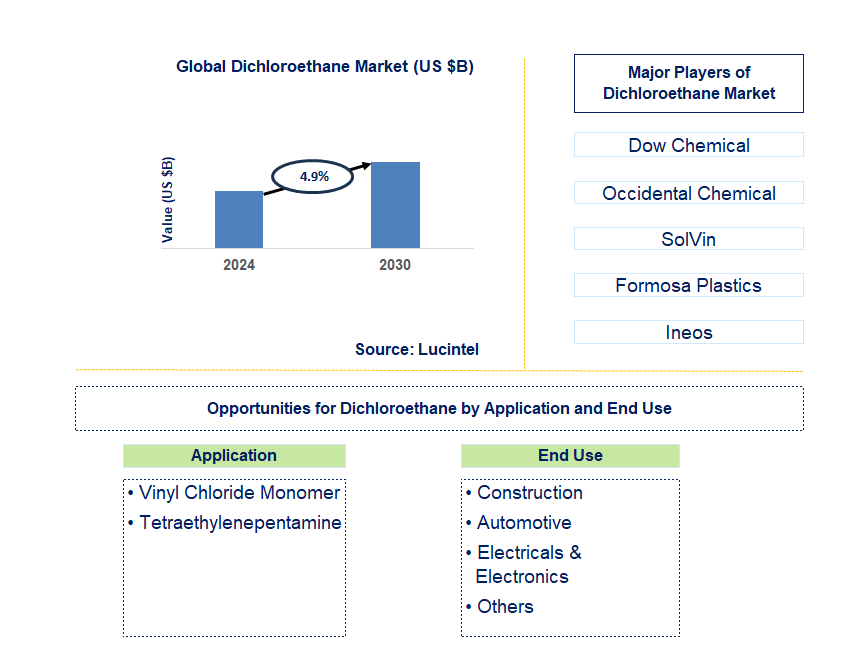
Key data points: The growth forecast = 4.9% annually for the next 6 years. Scroll below to get more insights. This market report covers trends, opportunities, and forecasts in the global dichloroethane market to 2030 by application (vinyl chloride monomer and tetraethylenepentamine), end use (construction, automotive, electricals & electronics, and others), and region (North America, Europe, Asia Pacific, and the Rest of the World)
We'll send your sample report shortly.
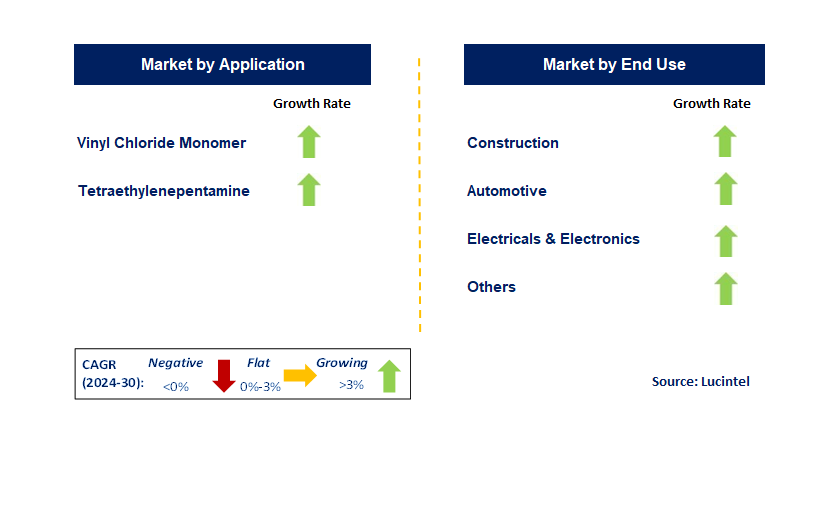
• Lucintel forecasts that, within the application category, vinyl chloride monomer is expected to witness a higher growth over the forecast period.
• Within the end use category, construction is expected to witness the highest growth over the forecast period.
• In terms of regions, APAC is expected to witness the highest growth over the forecast period. A more than 150-page report is developed to help in your business decisions.
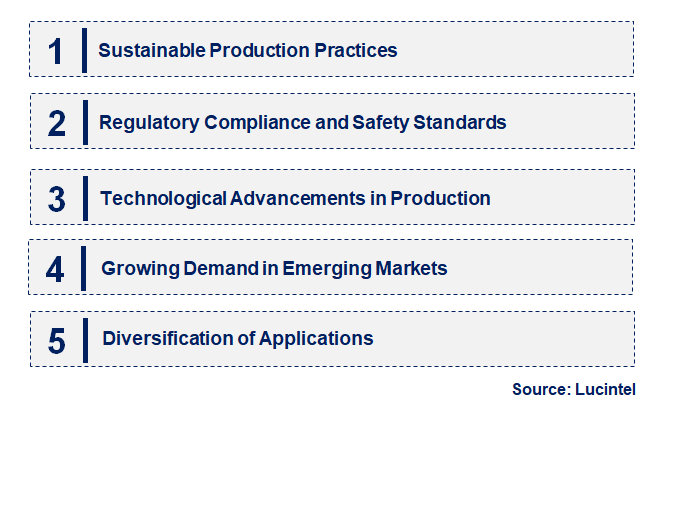
• Sustainable Production Practices: The trend toward sustainable production is gaining traction as manufacturers seek to minimize environmental impact. This involves adopting cleaner technologies and sourcing raw materials responsibly. Companies are investing in research to develop eco-friendly alternatives and improve waste management processes, aiming to align with global sustainability goals. As consumers increasingly demand greener products, brands that prioritize sustainability in their production methods are likely to gain a competitive edge in the market.
• Regulatory Compliance and Safety Standards: Stricter regulations surrounding chemical production and safety standards are prompting manufacturers to enhance their compliance measures. This trend requires companies to invest in better safety protocols and risk management strategies. As regulatory bodies focus on protecting public health and the environment, businesses must ensure their operations meet these evolving standards. Failure to comply can lead to significant penalties and damage to brand reputation, making this a critical area of focus for industry players.
• Technological Advancements in Production: Innovations in production technologies are driving efficiency and reducing costs in the dichloroethane market. Advancements in chemical processing and automation enable manufacturers to optimize production yields and enhance product quality. Continuous improvements in technology are also paving the way for the development of safer and more sustainable chemicals. Companies that embrace these innovations can improve their operational effectiveness and respond more adeptly to market demands.
• Growing Demand in Emerging Markets: Emerging markets, particularly in Asia-Pacific, are witnessing a surge in demand for dichloroethane due to rapid industrialization and urbanization. Countries like India and China are expanding their manufacturing capabilities, driving the need for chemical intermediates. This trend presents significant growth opportunities for manufacturers looking to establish a presence in these markets. By leveraging local partnerships and adapting products to meet regional requirements, companies can capitalize on this increasing demand.
• Diversification of Applications: The diversification of applications for dichloroethane is creating new opportunities within the market. Beyond traditional uses in PVC production, there is growing interest in its applications in pharmaceuticals, agrochemicals, and specialty chemicals. As industries explore new formulations and uses, the demand for dichloroethane is likely to expand. Companies that invest in research and development to explore innovative applications can differentiate themselves and tap into these emerging opportunities. The dichloroethane market is undergoing significant transformations driven by growing demand in PVC production, a shift toward sustainable practices, regulatory changes, expansion in emerging markets, and technological innovations in production. These trends are shaping the landscape of the market, creating both challenges and opportunities for stakeholders. As industries increasingly prioritize sustainability and compliance, manufacturers must adapt to these changes to remain competitive. By embracing innovation and aligning with market demands, companies can position themselves for success in the evolving dichloroethane market.
• Stricter Environmental Regulations: Regulatory authorities worldwide are implementing stringent environmental regulations to curb emissions and hazardous waste from chemical production. In response, manufacturers are adopting greener practices, such as improving waste management and utilizing eco-friendly raw materials. This trend is pushing companies to invest in cleaner technologies, leading to more sustainable production processes. Compliance with these regulations is essential for maintaining market access and brand reputation.
• Increased Investment in Technology: Technological advancements are reshaping the dichloroethane market by enhancing production efficiency and safety. Companies are investing in automation and advanced chemical processes to optimize output and reduce costs. This investment allows manufacturers to improve product quality while minimizing environmental impact. Enhanced technology also facilitates research into alternative solvents, positioning companies to meet evolving customer demands and regulatory requirements more effectively.
• Rising Demand from Emerging Markets: Emerging markets, particularly in Asia-Pacific, are driving a surge in dichloroethane demand due to rapid industrialization and urbanization. Countries like India and China are expanding their manufacturing capabilities, increasing the need for chemical intermediates. This trend presents significant growth opportunities for dichloroethane producers, encouraging them to establish local partnerships and adapt products to meet regional needs. Market players that strategically enter these markets can capture a larger share of the expanding demand.
• Diversification of Applications: The diversification of applications for dichloroethane is creating new market opportunities. Beyond traditional uses in PVC production, there is growing interest in its application in pharmaceuticals, agrochemicals, and specialty chemicals. As industries explore innovative formulations and new uses, the demand for dichloroethane is likely to increase. Companies that invest in research and development to explore these applications will be better positioned to capitalize on emerging market trends.
• Focus on Sustainability Initiatives: Sustainability is becoming a central focus for the dichloroethane market. Companies are increasingly adopting sustainable production methods, including recycling and waste reduction strategies. This shift is driven by consumer demand for environmentally friendly products and pressure from regulatory bodies. Firms prioritizing sustainability not only enhance their brand image but also improve their operational efficiency. As sustainability continues to influence purchasing decisions, companies aligning with these values will likely gain a competitive advantage. These recent developments are reshaping the dichloroethane market, driving innovation and enhancing sustainability. Stricter regulations, technological advancements, rising demand from emerging markets, application diversification, and a focus on sustainability are collectively influencing production practices and market dynamics. Companies that proactively adapt to these changes will be better positioned to thrive in an increasingly competitive and environmentally conscious landscape.
• PVC Production: The demand for polyvinyl chloride (PVC) in construction, automotive, and consumer goods continues to grow, creating a significant opportunity for dichloroethane producers. As a key feedstock in PVC manufacturing, any increase in construction activity or infrastructure development directly boosts dichloroethane consumption. Companies can leverage this opportunity by enhancing production capacity and ensuring consistent quality to meet the rising demand in these sectors.
• Agrochemical Applications: Dichloroethane is increasingly being utilized in the formulation of agrochemicals, including herbicides and pesticides. The global push for improved agricultural productivity and the rising need for crop protection products are driving this trend. Manufacturers can expand their offerings in agrochemicals by developing tailored formulations that meet the specific needs of farmers and agricultural businesses, thereby tapping into a growing market segment.
• Pharmaceutical Industry: The pharmaceutical sector's demand for high-purity solvents presents a promising growth opportunity for dichloroethane producers. As the industry focuses on developing innovative drugs, the need for reliable and pure chemical intermediates is increasing. Companies can invest in developing high-purity dichloroethane specifically for pharmaceutical applications, ensuring compliance with stringent industry standards and gaining a competitive edge.
• Specialty Chemicals: As industries diversify their chemical portfolios, the demand for specialty chemicals is on the rise. Dichloroethane can serve as a versatile solvent in various formulations, including coatings, adhesives, and plastics. By investing in R&D to explore innovative uses of dichloroethane in specialty chemical applications, manufacturers can position themselves to capture this growing segment and meet the needs of diverse industries.
• Environmental and Recycling Solutions: With sustainability becoming a crucial aspect of chemical production, there is a growing opportunity for dichloroethane manufacturers to develop environmentally friendly processes. Innovations in recycling and waste management can significantly enhance sustainability efforts in the chemical sector. Companies that focus on developing eco-friendly production methods and promoting circular economy initiatives will not only meet regulatory requirements but also cater to a market increasingly driven by sustainability concerns. The dichloroethane market offers several strategic growth opportunities across applications, including PVC production, agrochemicals, pharmaceuticals, specialty chemicals, and environmental solutions. By understanding and capitalizing on these opportunities, stakeholders can enhance their market presence, drive innovation, and contribute to a more sustainable future.
• Growing Demand in PVC Production: The demand for polyvinyl chloride (PVC) is a significant driver for the dichloroethane market. PVC is widely used in construction, automotive parts, and consumer goods due to its durability and versatility. As global infrastructure development continues to rise, so does the demand for PVC, thereby increasing the consumption of dichloroethane as a key feedstock. Companies positioned to expand their production capabilities in response to this growing demand can benefit from enhanced market share and profitability.
• Technological Advancements: Innovations in production technology are streamlining the manufacturing process of dichloroethane, enhancing efficiency, and reducing costs. These advancements include automation and improved chemical processes that increase yield while minimizing waste and emissions. By adopting new technologies, manufacturers can improve product quality and comply with stringent regulations, making them more competitive in a rapidly evolving market.
• Rising Applications in Agrochemicals: The agricultural sector's growing focus on crop protection and increased productivity is driving demand for agrochemicals, including herbicides and pesticides. Dichloroethane is increasingly used in formulating these products. As agricultural practices evolve and the need for effective pest control solutions rises, manufacturers have the opportunity to diversify their product offerings and tap into this expanding market segment.
• Sustainability Initiatives: There is a global shift toward sustainability and eco-friendly practices in chemical production. This trend is pushing companies to adopt greener methods and reduce their environmental footprint. Manufacturers that invest in sustainable production processes and develop environmentally friendly applications for dichloroethane are likely to appeal to increasingly eco-conscious consumers and meet regulatory demands, thereby enhancing their market position.
• Expanding Pharmaceutical Applications: The pharmaceutical industry's demand for high-purity solvents presents a lucrative opportunity for dichloroethane producers. As the sector focuses on developing innovative drugs and meeting stringent quality standards, the need for reliable chemical intermediates increases. Companies that focus on producing high-purity dichloroethane can capture this growing market by ensuring compliance with pharmaceutical regulations and establishing strong relationships with industry players. Challenges in the dichloroethane market are:
• Stringent Environmental Regulations: The dichloroethane market faces challenges due to increasingly stringent environmental regulations aimed at reducing hazardous emissions and chemical waste. Compliance with these regulations often requires significant investment in cleaner technologies and processes, which can strain smaller manufacturers. The complexity of navigating these regulations can lead to increased operational costs and limit market entry for new players.
• Fluctuating Raw Material Prices: The prices of raw materials used in the production of dichloroethane can be volatile, influenced by market demand, geopolitical factors, and supply chain disruptions. These fluctuations can impact production costs, leading to unpredictable pricing strategies and reduced profit margins for manufacturers. Companies that rely heavily on specific raw materials may find it challenging to maintain stable operations in the face of such volatility.
• Health and Safety Concerns: Dichloroethane is classified as a hazardous substance, raising health and safety concerns during its production, handling, and use. This perception can deter potential customers and complicate market acceptance. Companies must implement stringent safety protocols and invest in employee training to mitigate risks, which can increase operational costs. Additionally, public perception of health risks associated with dichloroethane can influence consumer preferences, impacting demand. The dichloroethane market is shaped by various drivers, including growing demand in PVC production, technological advancements, and expanding applications in agrochemicals and pharmaceuticals. However, challenges such as stringent environmental regulations, fluctuating raw material prices, and health and safety concerns pose significant obstacles. By addressing these challenges and leveraging market drivers, stakeholders can navigate the complexities of the dichloroethane market more effectively.
• Dow Chemical
• Occidental Chemical
• SolVin
• Formosa Plastics Corporation
• Ineos
• Evonik Industries
• Vynova Group
• Vinyl Chloride Monomer
• Tetraethylenepentamine
• Construction
• Automotive
• Electricals & Electronics
• Others
• North America
• Europe
• Asia Pacific
• The Rest of the World
• United States: In the United States, the dichloroethane market has been influenced by stricter environmental regulations aimed at reducing harmful emissions from chemical production. Manufacturers are investing in cleaner technologies and more efficient processes to comply with these regulations. Additionally, the rise in demand for PVC in the construction and automotive industries has bolstered the market. Companies are exploring innovative applications for dichloroethane, such as its use in pharmaceuticals and agrochemicals, further driving growth. The market is also seeing a trend toward sustainable practices, prompting shifts in sourcing and production methods to minimize environmental impact.
• China: China remains one of the largest consumers of dichloroethane, driven by its extensive manufacturing base. Recent developments include significant investments in production capacity to meet the increasing demand for PVC and other derivatives. However, the government is enforcing stricter regulations on chemical production, pushing manufacturers to adopt eco-friendly practices and reduce waste. The growth of the construction and automotive sectors continues to drive dichloroethane consumption, while innovations in recycling and waste management within the chemical industry are also gaining momentum. These changes reflect China's commitment to sustainability amid rapid industrial growth.
• Germany: The Germany dichloroethane market is characterized by a strong emphasis on sustainability and regulatory compliance. The country has implemented stringent environmental laws that have compelled manufacturers to invest in greener production technologies. This shift is supported by the increasing demand for PVC in various applications, including construction and healthcare. Additionally, German companies are focusing on developing alternative solvents to minimize reliance on dichloroethane. Research and development initiatives are prioritizing the creation of safer, more efficient chemical processes. Overall, Germany is positioning itself as a leader in sustainable chemical manufacturing within the European Union.
• India: The India dichloroethane market is witnessing rapid growth due to expanding industrial sectors such as construction, automotive, and textiles. The country is focusing on increasing domestic production capabilities to reduce dependence on imports. Recent developments include government initiatives aimed at enhancing the chemical manufacturing sector, fostering investments in new technologies, and encouraging sustainable practices. However, challenges such as regulatory compliance and environmental concerns persist, prompting stakeholders to adopt safer production methods. The market is also seeing an increase in demand for specialty chemicals, further driving the need for dichloroethane in various applications.
• Japan: In Japan, the dichloroethane market is influenced by stringent safety regulations and a focus on innovation. The country is experiencing a gradual shift towards more environmentally friendly production methods, with companies investing in research to develop alternative chemicals and improve efficiency. The demand for PVC in construction and packaging applications remains robust, supporting the dichloroethane market. Additionally, Japanese manufacturers are emphasizing quality and safety, leading to enhanced product standards. Collaborations between industry and research institutions are fostering innovation, paving the way for sustainable practices and improved production technologies in the chemical sector.


• Dow Chemical
• Occidental Chemical
• SolVin
• Formosa Plastics Corporation
• Ineos
• Evonik Industries
• Vynova Group Q5. Which dichloroethane market segment will be the largest in future? Answer: Lucintel forecasts that vinyl chloride monomer is expected to witness the higher growth over the forecast period. Q6. In dichloroethane market, which region is expected to be the largest in next 5 years? Answer: APAC is expected to witness highest growth over the forecast period. Q.7 Do we receive customization in this report? Answer: Yes, Lucintel provides 10% customization without any additional cost.


Choose a license that fits your team. Instant PDF delivery.
Prices exclude taxes. Instant delivery. Custom licensing available on request.
Market Report · July 22, 2026
Market Report · July 22, 2026
Market Report · July 22, 2026
Trusted partner for strategic intelligence and business growth


Receive a complimentary market analysis tailored to your industry. Our analysts will identify key growth opportunities and competitive dynamics specific to your business.

Market size, growth rate, and key trend analysis for your specific sector.

Top competitor positioning and market share analysis.

Strategic recommendations backed by data-driven insights.
Get curated market intelligence and competitive moves straight to your inbox.
By subscribing, you agree to receive our monthly insights. Unsubscribe anytime.
Receive a complimentary market analysis tailored to your industry. Our analysts will identify key growth opportunities and competitive dynamics specific to your business.
Market size, growth rate, and key trend analysis for your specific sector.
Top competitor positioning and market share analysis.
Strategic recommendations backed by data-driven insights.
Get curated market intelligence, emerging trends, and competitive moves straight to your inbox each month.
By subscribing, you agree to receive our monthly insights. Unsubscribe anytime.
We'll send your sample report shortly.