
Market Report · July 22, 2026

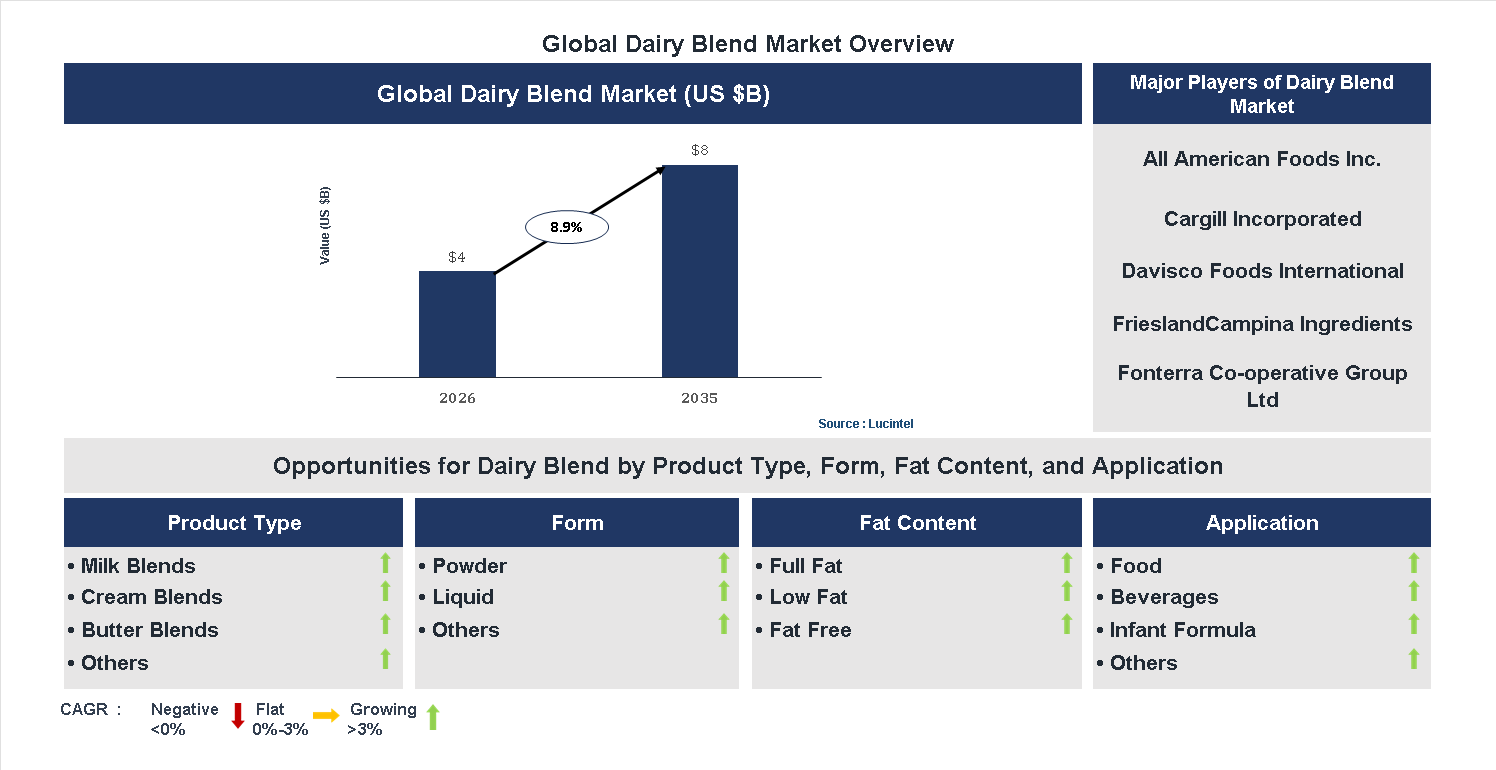
Key data points: The market size in 2035 = $8.0 billion, growth forecast = 8.9% annually for the next 8 years. Scroll below to get more insights. This market report covers trends, opportunities and forecasts in dairy blend market to 2035 by product type (milk blends, cream blends, butter blends, and others), form (powder, liquid, and others), fat content (full fat, low fat, and fat free), application (food, beverages, infant formula, and others), and region (North America, Europe, Asia Pacific, and the Rest of the World)
We'll send your sample report shortly.
• Lucintel forecasts that, within the product type category, milk blend is expected to witness the highest growth over the forecast period.
• Within the application category, food is expected to witness the highest growth.
• In terms of region, Europe is expected to witness the highest growth over the forecast period. Gain valuable insights for your business decisions with our comprehensive 150+ page report. Sample figures with some insights are shown below.
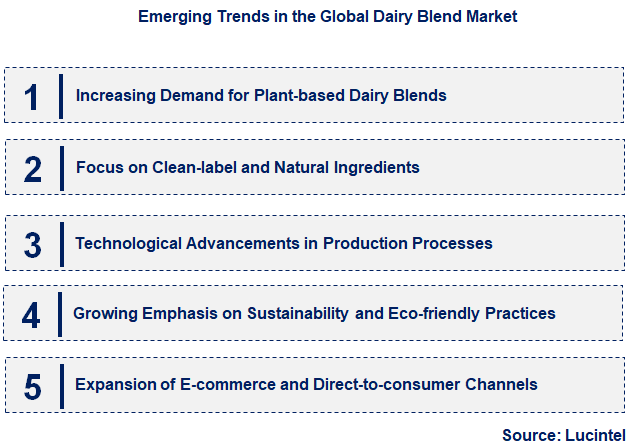
• Increasing Demand for Plant-based Dairy Blends: Consumers are shifting towards plant-based alternatives due to health, ethical, and environmental reasons. This trend is driving the development of dairy blends that incorporate plant proteins like almond, soy, and oat, offering dairy-like textures and flavors. These products appeal to flexitarians and vegans, expanding market reach. Companies are investing in innovative formulations to improve taste and nutritional profiles, which is fostering a competitive environment and diversifying product portfolios. The rise of plant-based dairy blends is significantly impacting traditional dairy markets by providing sustainable, allergen-friendly options.
• Focus on Clean-label and Natural Ingredients: Consumers are increasingly scrutinizing ingredient lists, demanding transparency and simplicity. Dairy blend manufacturers are responding by reformulating products with natural, minimally processed ingredients, avoiding artificial additives and preservatives. This trend enhances consumer trust and aligns with health-conscious lifestyles. Brands that emphasize clean-label credentials are gaining a competitive edge, leading to innovations in flavoring, fortification, and packaging. The emphasis on natural ingredients is also encouraging companies to source sustainably and improve supply chain transparency, ultimately reshaping product development and marketing strategies.
• Technological Advancements in Production Processes: Innovations such as high-pressure processing, membrane filtration, and fermentation are improving the quality, safety, and shelf life of dairy blends. These technologies enable the creation of customized textures, enhanced nutritional profiles, and better flavor retention. They also reduce processing times and energy consumption, supporting sustainability goals. As a result, manufacturers can offer more diverse and innovative products while maintaining cost efficiency. The adoption of advanced technologies is transforming production paradigms, allowing for rapid product development and differentiation in a competitive market.
• Growing Emphasis on Sustainability and Eco-friendly Practices: Consumers and regulators are demanding environmentally responsible products. Dairy blend producers are adopting sustainable sourcing, reducing carbon footprints, and utilizing eco-friendly packaging. Innovations include plant-based ingredients, biodegradable packaging, and waste reduction initiatives. These practices not only appeal to environmentally conscious consumers but also help companies meet regulatory standards and reduce operational costs. Sustainability is becoming a key differentiator, influencing brand reputation and consumer loyalty. This shift is prompting the entire supply chain to prioritize eco-friendly practices, fundamentally reshaping industry standards and expectations.
• Expansion of E-commerce and Direct-to-consumer Channels: The digital transformation is enabling brands to reach consumers directly through online platforms, bypassing traditional retail channels. E-commerce offers convenience, personalized marketing, and access to niche markets, fueling growth in dairy blends. Companies are leveraging social media, subscription models, and online promotions to build brand loyalty and gather consumer insights. This trend accelerates product innovation and allows for rapid response to market demands. The expansion of digital channels is reshaping distribution strategies, making the market more dynamic, accessible, and consumer-centric. These trends are collectively transforming the dairy blend market by fostering innovation, emphasizing sustainability, and enhancing consumer engagement. They are driving market diversification, improving product quality, and reshaping competitive strategies, ultimately creating a more sustainable, transparent, and consumer-focused industry landscape.
• Growing Demand for Functional Dairy Blends: The rising consumer focus on health and wellness has increased demand for functional dairy blends enriched with vitamins, minerals, and probiotics. This trend is expanding market opportunities for innovative products that cater to specific health needs, such as immunity boosting and digestive health. Manufacturers are investing in R&D to develop tailored blends, which are gaining popularity in both retail and foodservice sectors. This growth enhances product diversity and opens new revenue streams, strengthening market position.
• Innovation in Product Formulations: Advances in dairy processing technology are enabling the development of new, innovative dairy blends with improved taste, texture, and nutritional profiles. These innovations include plant-based alternatives, low-fat options, and allergen-free formulations. Such developments meet diverse consumer preferences and dietary restrictions, broadening market reach. Companies investing in R&D are gaining competitive advantages by offering unique products that differentiate them in a crowded marketplace, thus driving overall market growth.
• Expansion of Applications in Foodservice and Retail: The increasing adoption of dairy blends in various applications, including beverages, desserts, and ready-to-eat meals, is fueling market expansion. Foodservice providers are incorporating these blends into menus to cater to health-conscious customers, while retail channels are offering convenient, ready-to-consume options. This diversification of applications enhances market penetration and consumer engagement, leading to higher sales volumes and revenue growth across sectors.
• Emphasis on Sustainability and Eco-Friendly Practices: Sustainability initiatives, such as sourcing from eco-friendly farms and reducing carbon footprints, are becoming integral to market strategies. Companies adopting sustainable practices are appealing to environmentally conscious consumers, boosting brand loyalty. Innovations in packaging and supply chain management are also reducing waste and energy consumption. These efforts not only improve corporate responsibility but also create a competitive edge, encouraging market players to prioritize sustainability in product development and operations.
• Digital Transformation and E-Commerce Growth: The rise of digital platforms and e-commerce channels is transforming how dairy blends are marketed and sold. Online platforms enable direct-to-consumer sales, personalized marketing, and wider product reach. Digital tools facilitate consumer engagement and data collection, informing product development and marketing strategies. This shift enhances market accessibility, accelerates product launches, and caters to the growing demand for convenient shopping options, significantly impacting overall market dynamics. These recent developments are significantly transforming the dairy blend market by fostering innovation, expanding application areas, and emphasizing sustainability and digital integration. The combined effect of these trends is creating new growth opportunities, increasing consumer engagement, and enhancing competitive positioning. As a result, the market is poised for sustained expansion, driven by technological advancements and evolving consumer preferences, ultimately leading to a more dynamic and resilient industry landscape.
• Growing Demand for Functional Dairy Blends for Health and Wellness: The increasing consumer focus on health benefits has driven demand for dairy blends enriched with vitamins, minerals, and probiotics. These functional products cater to health-conscious consumers seeking digestive health, immunity support, and nutritional enhancement. Manufacturers are innovating with ingredients and formulations to meet these needs, expanding product portfolios. The trend is expected to continue, boosting market growth and opening new avenues for product development and marketing strategies.
• Expansion of Dairy Blends in Foodservice and Commercial Applications: The foodservice industry is adopting dairy blends for smoothies, desserts, and beverages due to their convenience and nutritional value. Restaurants, cafes, and catering services are integrating these products to meet consumer preferences for quick, healthy options. Additionally, dairy blends are used in bakery and confectionery applications, broadening their market scope. This expansion offers manufacturers opportunities to develop customized solutions, increase distribution channels, and strengthen brand presence in commercial sectors.
• Innovation in Plant-Based and Hybrid Dairy Blends: The rising popularity of plant-based diets has prompted the development of hybrid dairy blends combining traditional dairy with plant-based ingredients. These products appeal to flexitarians and vegans seeking familiar textures with plant-based benefits. Innovations include dairy-plant blends with enhanced sustainability profiles and functional attributes. This trend diversifies product offerings, attracts new consumer segments, and supports sustainability goals, positioning companies to capitalize on the growing plant-based movement within the dairy market.
• Adoption of Sustainable Sourcing and Eco-Friendly Packaging: Consumers are increasingly demanding sustainably sourced dairy ingredients and environmentally friendly packaging. Companies investing in sustainable supply chains, ethical sourcing, and biodegradable or recyclable packaging are gaining a competitive advantage. These initiatives reduce environmental impact and align with consumer values, fostering brand loyalty. The focus on sustainability is expected to drive market differentiation, regulatory compliance, and long-term growth, encouraging industry-wide adoption of eco-conscious practices.
• Integration of Advanced Technologies for Product Innovation and Quality Control: The application of automation, AI, and advanced processing technologies enhances product consistency, safety, and innovation in dairy blends. These technologies enable precise formulation, reduce waste, and accelerate product development cycles. Enhanced quality control measures ensure compliance with safety standards, boosting consumer confidence. Embracing technological advancements allows manufacturers to innovate rapidly, improve operational efficiency, and meet evolving market demands, thereby strengthening their competitive edge. The overall impact of these growth opportunities is set to significantly shape the dairy blend market, fostering innovation, sustainability, and consumer-centric product development. Companies that strategically leverage these opportunities will be well-positioned to expand their market share, enhance brand loyalty, and meet the dynamic needs of global consumers. This evolution promises a robust future for the dairy blend industry, driven by technological, health, and sustainability trends.
• Technological Innovation: The development of advanced processing techniques and product formulations enhances product quality, shelf life, and nutritional value. Innovations such as homogenization, fortification, and flavor enhancement allow manufacturers to create diverse dairy blends tailored to consumer preferences. These technological advancements enable cost-effective production and facilitate the introduction of new product variants, thereby expanding market reach and consumer base.
• Rising Consumer Demand for Healthy Products: Increasing awareness about health and wellness has led consumers to seek nutritious dairy options, including low-fat, high-protein, and functional blends with added vitamins or probiotics. This shift in consumer preferences encourages manufacturers to develop innovative dairy blends that cater to health-conscious markets, boosting sales and market growth.
• Growth of Plant-Based Alternatives: The rising popularity of plant-based diets and veganism has prompted the dairy industry to develop plant-based dairy blends. These alternatives appeal to a broader demographic and are often perceived as healthier or more sustainable, thereby expanding the market and encouraging product diversification.
• Economic Growth and Urbanization: Economic development and urbanization increase disposable incomes and access to a wider range of dairy products. Urban consumers tend to prefer convenient, ready-to-consume dairy blends, which drives demand. Additionally, improved logistics and supply chain infrastructure support market expansion into emerging regions. The challenges facing the dairy blend market are:
• Stringent Regulatory Environment: Food safety standards, labeling requirements, and sustainability regulations impose compliance costs on manufacturers. Navigating diverse regulatory frameworks across regions can delay product launches and increase operational expenses, hindering market growth.
• Fluctuating Raw Material Prices: Volatility in the prices of milk and other dairy ingredients affects production costs and profit margins. Price fluctuations can lead to increased product prices, impacting consumer demand and competitiveness within the market.
• Environmental Concerns and Sustainability Issues: The dairy industry faces criticism over its environmental impact, including greenhouse gas emissions and water usage. Growing consumer awareness and regulatory pressures compel companies to adopt sustainable practices, which may involve significant investments and operational changes, posing challenges to profitability and market stability. The dairy blend market is shaped by technological advancements, evolving consumer preferences, and economic factors that promote growth. However, regulatory complexities, raw material price volatility, and sustainability concerns present significant hurdles. The interplay of these drivers and challenges will influence market dynamics, requiring stakeholders to innovate and adapt strategically. Overall, the markets future depends on balancing growth opportunities with effective management of regulatory and environmental challenges to sustain long-term development.
• All American Foods Inc.
• Cargill Incorporated
• Davisco Foods International
• FrieslandCampina Ingredients
• Fonterra Co-operative Group Ltd
• AAK AB
• Ingredion Incorporated
• Lactalis Group
• Dana Dairy Group
• Dairy Farmers of America, Inc.
• Milk Blends
• Cream Blends
• Butter Blends
• Others
• Powder
• Liquid
• Others
• Full Fat
• Low Fat
• Fat Free
• Food
• Beverages
• Infant Formula
• Others
• North America
• Europe
• Asia Pacific
• The Rest of the World
• United States: The US dairy blend market has seen increased adoption of plant-based and organic blends, driven by health-conscious consumers. Innovations in processing technology have improved product shelf life and flavor profiles. Major players are investing in sustainable practices, including renewable energy use and waste reduction. The market is also witnessing growth in flavored and functional dairy blends, catering to diverse consumer needs. E-commerce channels are expanding, facilitating wider distribution and consumer access.
• China: China’s dairy blend market is rapidly expanding due to rising disposable incomes and urbanization. There is a growing preference for premium and functional dairy products, including probiotic and fortified blends. Local companies are investing in R&D to develop culturally tailored flavors and formulations. The government’s support for dairy industry modernization and quality standards is boosting consumer confidence. Additionally, e-commerce platforms are playing a crucial role in market penetration and product availability.
• Germany: Germany’s dairy blend market emphasizes sustainability and organic certification, aligning with European Union regulations. Innovations focus on reducing environmental impact through eco-friendly packaging and sustainable sourcing. Consumer demand for clean-label and allergen-free products is increasing, prompting manufacturers to develop transparent and health-oriented blends. The market also benefits from strong retail partnerships and a focus on high-quality, locally sourced ingredients. Technological advancements in dairy processing are enhancing product consistency and nutritional value.
• India: The Indian dairy blend market is experiencing rapid growth due to increasing health awareness and urbanization. There is a rising demand for fortified and functional dairy blends, especially in urban centers. Local manufacturers are expanding product portfolios to include traditional flavors and ingredients, catering to regional preferences. Government initiatives promoting dairy farming and quality standards are supporting market growth. Innovations in packaging and distribution are improving product accessibility in rural and semi-urban areas, boosting overall market penetration.
• Japan: Japan’s dairy blend market is characterized by a focus on health and wellness, with a strong preference for low-fat and probiotic blends. Technological advancements in fermentation and preservation have improved product quality and shelf life. The market is driven by aging populations seeking nutritious and functional dairy options. Companies are investing in R&D to develop innovative flavors and formulations that cater to Japanese tastes. Sustainability practices, including eco-friendly packaging and sourcing, are increasingly prioritized, aligning with consumer values. The market remains competitive, with a focus on premium and specialty products.


• All American Foods Inc.
• Cargill Incorporated
• Davisco Foods International
• FrieslandCampina Ingredients
• Fonterra Co-operative Group Ltd
• AAK AB
• Ingredion Incorporated
• Lactalis Group
• Dana Dairy Group
• Dairy Farmers of America, Inc. Q6. Which dairy blend market segment will be the largest in future? Answer: Lucintel forecasts that, within the product type category, milk blend is expected to witness the highest growth over the forecast period. Q7. In dairy blend market, which region is expected to be the largest in next 5 years? Answer: In terms of region, Europe is expected to witness the highest growth over the forecast period. Q8. Do we receive customization in this report? Answer: Yes, Lucintel provides 10% customization without any additional cost.


Choose a license that fits your team. Instant PDF delivery.
Prices exclude taxes. Instant delivery. Custom licensing available on request.
Market Report · July 22, 2026
Market Report · July 22, 2026
Market Report · July 22, 2026
Trusted partner for strategic intelligence and business growth


Receive a complimentary market analysis tailored to your industry. Our analysts will identify key growth opportunities and competitive dynamics specific to your business.

Market size, growth rate, and key trend analysis for your specific sector.

Top competitor positioning and market share analysis.

Strategic recommendations backed by data-driven insights.
Get curated market intelligence and competitive moves straight to your inbox.
By subscribing, you agree to receive our monthly insights. Unsubscribe anytime.
Receive a complimentary market analysis tailored to your industry. Our analysts will identify key growth opportunities and competitive dynamics specific to your business.
Market size, growth rate, and key trend analysis for your specific sector.
Top competitor positioning and market share analysis.
Strategic recommendations backed by data-driven insights.
Get curated market intelligence, emerging trends, and competitive moves straight to your inbox each month.
By subscribing, you agree to receive our monthly insights. Unsubscribe anytime.
We'll send your sample report shortly.