
Market Report · July 20, 2026

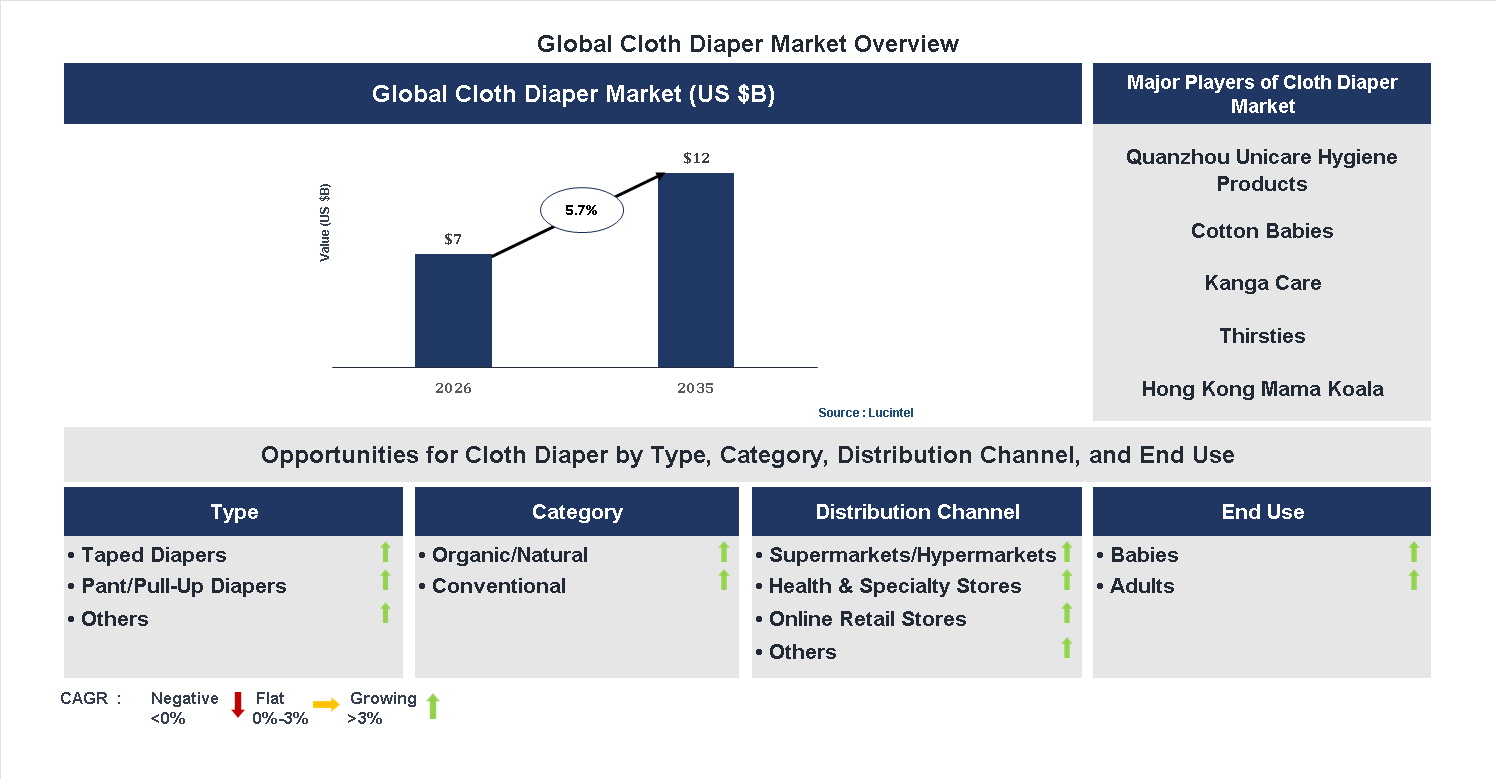
Key data points: The market size in 2035 = $12 billion, growth forecast = 5.7% annually for the next 8 years. Scroll below to get more insights. This market report covers trends, opportunities and forecasts in cloth diaper market to 2035 by type (taped diapers, pant/pull-up diapers, and others), category (organic/natural and conventional), distribution channel (supermarkets/hypermarkets, health & specialty stores, online retail stores, and others), end use (babies and adults), and region (North America, Europe, Asia Pacific, and the Rest of the World)
We'll send your sample report shortly.
• Lucintel forecasts that, within the distribution channel category, online retail store is expected to witness the highest growth over the forecast period.
• Within the type category, pant/pull-up diaper is expected to witness higher growth.
• In terms of region, APAC is expected to witness the highest growth over the forecast period. Gain valuable insights for your business decisions with our comprehensive 150+ page report. Sample figures with some insights are shown below.
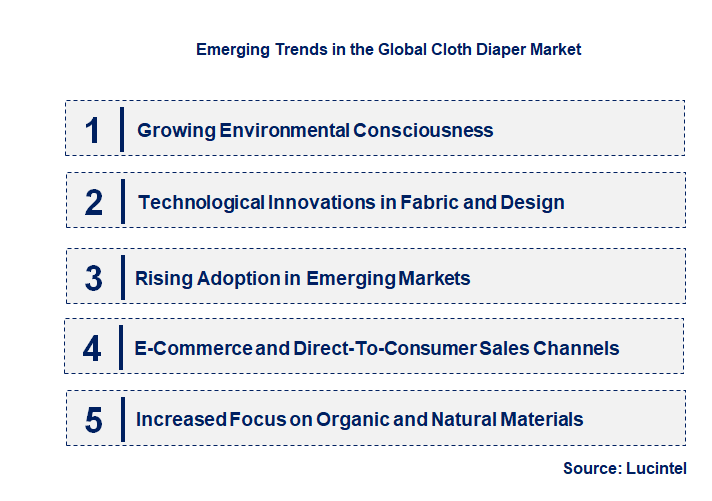
• Growing Environmental Consciousness: Increasing awareness of environmental issues is driving demand for eco-friendly products like cloth diapers. Consumers are seeking sustainable alternatives to reduce waste and carbon footprint, leading to a surge in adoption. This trend encourages manufacturers to innovate with biodegradable, organic, and reusable materials, making cloth diapers more appealing and accessible. As environmental concerns become more mainstream, the market is expected to expand further, with eco-conscious parents prioritizing sustainability in their purchasing decisions.
• Technological Innovations in Fabric and Design: Advances in fabric technology and design are enhancing the functionality and comfort of cloth diapers. Innovations such as waterproof yet breathable fabrics, adjustable fasteners, and absorbent core materials improve user experience. These developments make cloth diapers more convenient, leak-proof, and easy to clean, encouraging wider adoption. Manufacturers are investing in R&D to create products that meet modern parents needs, thus expanding the market by attracting new customer segments and increasing customer satisfaction.
• Rising Adoption in Emerging Markets: Increasing awareness, urbanization, and rising disposable incomes are fueling the adoption of cloth diapers in emerging markets. Governments and NGOs are promoting sustainable parenting practices, further boosting market growth. Local manufacturers are entering these regions with affordable, culturally adapted products, making cloth diapers more accessible. This trend is expanding the market geographically and diversifying the consumer base, ultimately contributing to global market growth and reducing reliance on disposable diapers.
• E-commerce and Direct-to-Consumer Sales Channels: The rise of online retail platforms is transforming how cloth diapers are marketed and sold. E-commerce offers wider reach, convenience, and access to a variety of brands and products, especially in remote areas. Direct-to-consumer models enable brands to build stronger relationships with customers, gather feedback, and offer personalized solutions. This trend is lowering entry barriers for new brands and increasing competition, which benefits consumers through better pricing and innovation, thereby accelerating market growth and product diversification.
• Increased Focus on Organic and Natural Materials: Consumers are increasingly demanding cloth diapers made from organic and natural materials to ensure safety and health for their babies. This trend is prompting manufacturers to source certified organic fabrics and non-toxic dyes, emphasizing product safety and quality. The focus on natural materials also aligns with the broader health and wellness movement, attracting health-conscious parents. As a result, the market is witnessing a shift towards premium, eco-friendly products, which enhances brand differentiation and encourages innovation in sustainable materials. These trends are collectively reshaping the cloth diaper market by promoting sustainability, technological advancement, market expansion, and consumer-centric approaches. They are driving innovation, increasing accessibility, and fostering a shift towards eco-friendly parenting solutions, ultimately leading to a more dynamic and competitive market landscape.
• Growing environmental consciousness: The shift towards eco-friendly products is boosting demand for cloth diapers, reducing plastic waste and promoting sustainability. Consumers are increasingly aware of the environmental impact of disposable diapers, leading to a preference for reusable options. This trend is supported by government initiatives and environmental campaigns, encouraging more families to adopt cloth diapers. As a result, market growth accelerates, with brands investing in eco-conscious branding and product innovation to meet consumer expectations.
• Technological advancements in fabric and design: Innovations in fabric technology, such as organic cotton, bamboo, and moisture-wicking materials, are enhancing cloth diaper performance. Improved designs, including adjustable sizing and leak-proof features, increase consumer satisfaction and convenience. These advancements make cloth diapers more comparable to disposables in terms of ease of use and comfort, encouraging wider adoption. Manufacturers are focusing on creating durable, easy-to-clean, and skin-friendly products, which significantly impact market growth and consumer loyalty.
• Rising awareness of health benefits: Increasing knowledge about the health risks associated with disposable diapers, such as chemical exposure and skin irritation, is driving consumers toward cloth alternatives. Parents seek safer, chemical-free options for their babies, boosting demand for natural, breathable cloth diapers. Educational campaigns and social media influence are playing vital roles in informing consumers about health benefits. This trend is fostering trust and loyalty, leading to sustained market growth and expanding consumer segments.
• Expansion of online retail channels: The proliferation of e-commerce platforms has made cloth diapers more accessible to a global audience. Online channels offer a wide variety of brands, competitive pricing, and detailed product information, attracting new customers. Digital marketing and influencer collaborations further boost visibility and sales. The convenience of home delivery and customer reviews influence purchasing decisions, enabling brands to reach niche markets and increase market penetration, thereby accelerating overall industry growth.
• Increasing adoption among eco-conscious consumers: A surge in environmentally aware consumers, including millennials and Gen Z, is driving demand for sustainable products like cloth diapers. These consumers prioritize eco-friendly lifestyles and are willing to pay a premium for sustainable options. Brands are responding with eco-labeling, transparent sourcing, and social responsibility initiatives. This demographic shift is expanding the market base, fostering innovation, and encouraging mainstream adoption, which collectively contribute to the market’s robust growth trajectory. These developments are significantly transforming the cloth diaper market by promoting sustainability, enhancing product innovation, and expanding consumer awareness. The integration of eco-friendly practices, technological improvements, and digital retail expansion is creating a dynamic environment that attracts diverse customer segments. As these trends continue, the market is poised for substantial growth, driven by increased demand for safe, sustainable, and convenient diapering options, ultimately shaping a more environmentally responsible industry landscape.
• Growing consumer awareness of environmental and health benefits: The increasing focus on eco-friendly and chemical-free products is driving demand for cloth diapers. Parents are seeking sustainable alternatives to disposable diapers, motivated by concerns over landfill waste and chemical exposure. This shift in consumer preference is encouraging manufacturers to develop innovative, safe, and comfortable cloth diaper options, expanding market reach and fostering long-term growth.
• Technological advancements in fabric and design: Innovations in fabric technology, such as highly absorbent, breathable, and hypoallergenic materials, are enhancing product performance. Modern designs with adjustable features and easy-to-use fasteners improve convenience for parents. These advancements are attracting a broader customer base, including working parents and those new to cloth diapering, thereby increasing adoption rates and market size.
• Rising adoption in emerging markets: Increasing urbanization, rising disposable incomes, and growing awareness about sustainable parenting are fueling cloth diaper adoption in developing regions. Local manufacturers are entering these markets with affordable, culturally adapted products. Government initiatives promoting eco-friendly practices further support growth. This expansion into emerging markets offers significant revenue opportunities and diversifies the market landscape.
• Expansion of online retail channels and direct-to-consumer sales: The proliferation of e-commerce platforms has made cloth diapers more accessible to consumers worldwide. Online channels offer a wider product range, competitive pricing, and detailed information, influencing purchasing decisions. Brands leveraging direct-to-consumer models can build stronger customer relationships, gather feedback, and tailor offerings, thereby boosting sales and market penetration.
• Increasing government and NGO initiatives promoting eco-friendly parenting: Governments and non-governmental organizations are launching campaigns and policies encouraging sustainable practices, including the use of cloth diapers. Subsidies, awareness programs, and educational campaigns are reducing barriers to adoption. These initiatives not only increase consumer awareness but also support market growth by fostering a culture of eco-conscious parenting, ultimately expanding the market’s reach and acceptance. The overall growth opportunities in the cloth diaper market are poised to significantly influence industry dynamics, fostering innovation, expanding geographic reach, and aligning with global sustainability goals. These factors collectively contribute to a robust, expanding market with promising prospects for manufacturers, retailers, and consumers alike.
• Technological Innovations: The development of advanced, absorbent, and skin-friendly fabrics has significantly enhanced cloth diaper performance. Innovations like waterproof yet breathable materials, adjustable fasteners, and eco-friendly dyes improve user experience and safety. These technological advancements make cloth diapers more comparable to disposables, encouraging adoption among parents seeking sustainable options. As technology continues to evolve, the market benefits from increased product durability, comfort, and ease of use, which broadens consumer appeal and drives market growth.
• Environmental Awareness and Sustainability: Growing concerns over the environmental impact of disposable diapers, which contribute to landfill waste and pollution, have led consumers to seek sustainable alternatives. Cloth diapers are biodegradable, reusable, and reduce waste, aligning with eco-conscious lifestyles. Governments and environmental organizations are also promoting sustainable practices, further encouraging consumers to switch. This shift towards eco-friendly products is a major driver, especially among millennials and environmentally aware parents, fostering long-term market expansion.
• Rising Birth Rates and Demographic Shifts: Increasing birth rates in emerging economies such as India, China, and parts of Africa are expanding the potential customer base for cloth diapers. Additionally, urbanization and changing family structures contribute to higher disposable income and awareness about baby care products. As more parents seek cost-effective and sustainable options, demand for cloth diapers rises. Demographic shifts also lead to increased adoption among working parents who prefer reusable options for convenience and cost savings over time.
• Economic Benefits and Cost Savings: Although initial costs for cloth diapers are higher, they offer significant savings over disposable diapers in the long run. Parents recognize the economic advantages of reusability, especially in regions with high birth rates. The affordability of cloth diapers, combined with their durability, appeals to budget-conscious consumers. This economic benefit encourages repeated purchases and brand loyalty, fueling market growth as families seek cost-effective, sustainable baby care solutions.
• Growing E-commerce and Distribution Channels: The expansion of online retail platforms has made cloth diapers more accessible to consumers worldwide. E-commerce offers a wide variety of brands, sizes, and styles, along with detailed product information and customer reviews, facilitating informed purchasing decisions. Additionally, direct-to-consumer brands and subscription models enhance convenience and affordability. The increased penetration of digital channels has broadened market reach, especially in rural and developing regions, accelerating adoption and market expansion. The challenges facing the cloth diaper market include:
• Consumer Preference for Convenience: Many parents prefer disposable diapers due to their ease of use, convenience, and time-saving features. Cloth diapers require regular washing, drying, and maintenance, which can be perceived as inconvenient, especially for working parents or those with busy lifestyles. This preference hampers widespread adoption despite environmental benefits. Overcoming this challenge requires educating consumers about the ease of use and developing more user-friendly products to shift preferences toward sustainable options.
• High Initial Investment and Perceived Cost: Although cloth diapers are economical over time, the upfront cost can be a barrier for many consumers. The need to purchase multiple diapers, accessories, and laundry supplies increases initial expenditure. In regions with lower disposable income, this cost is a significant deterrent. Addressing this challenge involves offering affordable product options, rental schemes, or subsidies to encourage adoption among price-sensitive consumers.
• Lack of Awareness and Cultural Barriers: In many regions, there is limited awareness of cloth diapers benefits, and cultural norms favor disposable options. Misconceptions about hygiene, convenience, and social stigma can hinder market growth. Additionally, lack of proper marketing and education campaigns reduces consumer confidence. Overcoming these barriers requires targeted awareness programs, demonstrations, and collaborations with healthcare providers to promote the benefits and safety of cloth diapers. The cloth diaper market is driven by technological advancements, environmental concerns, demographic trends, economic benefits, and expanding distribution channels. However, challenges such as consumer convenience preferences, high initial costs, and cultural barriers need to be addressed to unlock its full potential. The interplay of these factors will shape the markets future trajectory, requiring strategic efforts from manufacturers and stakeholders to promote sustainable growth and wider adoption.
• Quanzhou Unicare Hygiene Products
• Cotton Babies
• Kanga Care
• Thirsties
• Hong Kong Mama Koala
• The Procter & Gamble
• Smart Bottoms
• Bambino Mio
• Judes Family
• TotsBots
• Taped Diapers
• Pant/Pull-Up Diapers
• Others
• Organic/Natural
• Conventional
• Supermarkets/Hypermarkets
• Health & Specialty Stores
• Online Retail Stores
• Others
• Babies
• Adults
• North America
• Europe
• Asia Pacific
• The Rest of the World
• United States: The US market has seen a surge in organic and biodegradable cloth diaper options, driven by rising eco-consciousness among parents. Major brands are investing in sustainable materials and innovative designs to attract health-conscious consumers. Additionally, online sales channels and subscription services have gained popularity, making cloth diapers more accessible. Government initiatives promoting environmental sustainability have also supported market growth, alongside increased awareness campaigns about the benefits of cloth over disposables.
• China: China’s cloth diaper market is expanding rapidly due to urbanization and increasing disposable income. Local manufacturers are adopting advanced manufacturing techniques to improve product quality and affordability. The government’s focus on reducing plastic waste has encouraged the adoption of eco-friendly diapers. Moreover, e-commerce platforms have facilitated wider distribution, especially in tier-2 and tier-3 cities. Innovative designs tailored to Chinese consumer preferences are also emerging, boosting market penetration.
• Germany: Germany remains a leader in sustainable consumer products, and the cloth diaper market is no exception. The focus is on organic, chemical-free materials and eco-certifications to meet strict environmental standards. Consumer demand for high-quality, durable products has driven innovation in fabric technology. Retailers are increasingly offering reusable diaper rental schemes and eco-friendly accessories. Public awareness campaigns about environmental impact and health benefits continue to support market expansion, with a strong emphasis on reducing waste.
• India: The Indian cloth diaper market is witnessing rapid growth due to increasing awareness about health and hygiene, along with government initiatives promoting sustainable practices. Local brands are offering affordable, high-quality options suited to Indian climates and preferences. The rise of online retail and social media marketing has expanded reach, especially among urban middle-class families. Additionally, NGOs and government programs are promoting cloth diaper use as an eco-friendly alternative to disposable diapers, further fueling market development.
• Japan: Japan’s market is characterized by a focus on innovation and high-quality materials. Consumers prefer premium, hypoallergenic, and highly absorbent cloth diapers. Technological advancements include moisture-wicking fabrics and ergonomic designs for comfort. The market also benefits from strong environmental policies and consumer awareness about waste reduction. Retailers are offering subscription services and eco-friendly accessories, while government incentives support sustainable product adoption. Overall, Japan’s market emphasizes durability, safety, and environmental responsibility.


• Quanzhou Unicare Hygiene Products
• Cotton Babies
• Kanga Care
• Thirsties
• Hong Kong Mama Koala
• The Procter & Gamble
• Smart Bottoms
• Bambino Mio
• Judes Family
• TotsBots Q6. Which cloth diaper market segment will be the largest in future? Answer: Lucintel forecasts that, within the distribution channel category, online retail store is expected to witness the highest growth over the forecast period. Q7. In cloth diaper market, which region is expected to be the largest in next 5 years? Answer: In terms of region, APAC is expected to witness the highest growth over the forecast period. Q8. Do we receive customization in this report? Answer: Yes, Lucintel provides 10% customization without any additional cost.


Choose a license that fits your team. Instant PDF delivery.
Prices exclude taxes. Instant delivery. Custom licensing available on request.
Market Report · July 20, 2026
Market Report · July 15, 2026
Market Report · July 15, 2026
Trusted partner for strategic intelligence and business growth


Receive a complimentary market analysis tailored to your industry. Our analysts will identify key growth opportunities and competitive dynamics specific to your business.

Market size, growth rate, and key trend analysis for your specific sector.

Top competitor positioning and market share analysis.

Strategic recommendations backed by data-driven insights.
Get curated market intelligence and competitive moves straight to your inbox.
By subscribing, you agree to receive our monthly insights. Unsubscribe anytime.
Receive a complimentary market analysis tailored to your industry. Our analysts will identify key growth opportunities and competitive dynamics specific to your business.
Market size, growth rate, and key trend analysis for your specific sector.
Top competitor positioning and market share analysis.
Strategic recommendations backed by data-driven insights.
Get curated market intelligence, emerging trends, and competitive moves straight to your inbox each month.
By subscribing, you agree to receive our monthly insights. Unsubscribe anytime.
We'll send your sample report shortly.