
Market Report · July 16, 2026

Key data points: The market size in 2035 = $266 million, growth forecast = 4.5% annually for the next 8 years. Scroll below to get more insights. This market report covers trends, opportunities and forecasts in canadian residential humidifier market to 2035 by product type (warm-mist, ultrasonic, cool-mist, and others), end use (retail, wholesale, and online), and region (North America, Europe, Asia Pacific, and the Rest of the World)
We'll send your sample report shortly.
• Lucintel forecasts that, within the product type category, ultrasonic is expected to witness the highest growth over the forecast period.
• Within the end use category, online is expected to witness the highest growth.
• In terms of region, APAC is expected to witness the highest growth over the forecast period.
Gain valuable insights for your business decisions with our comprehensive 150+ page report. Sample figures with some insights are shown below.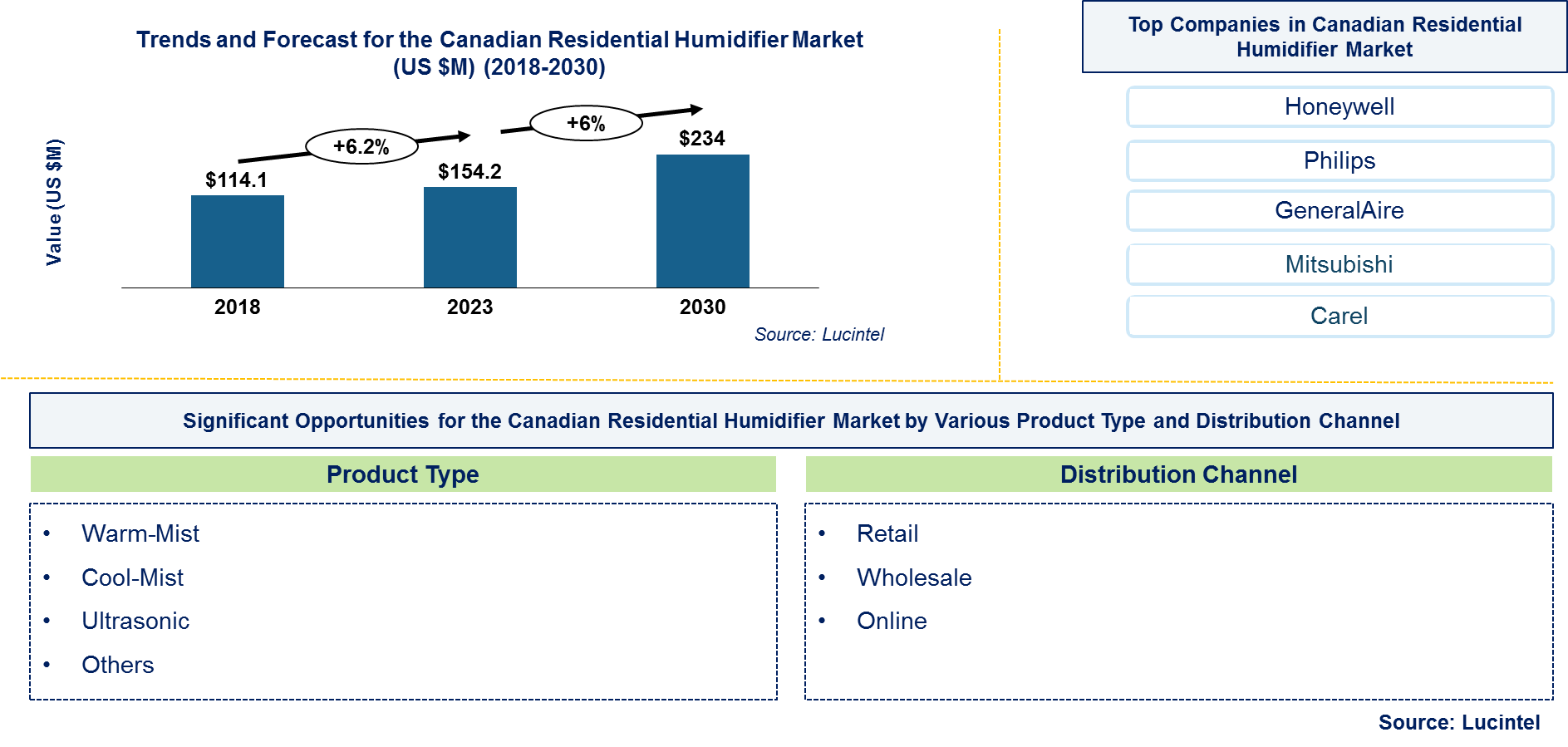
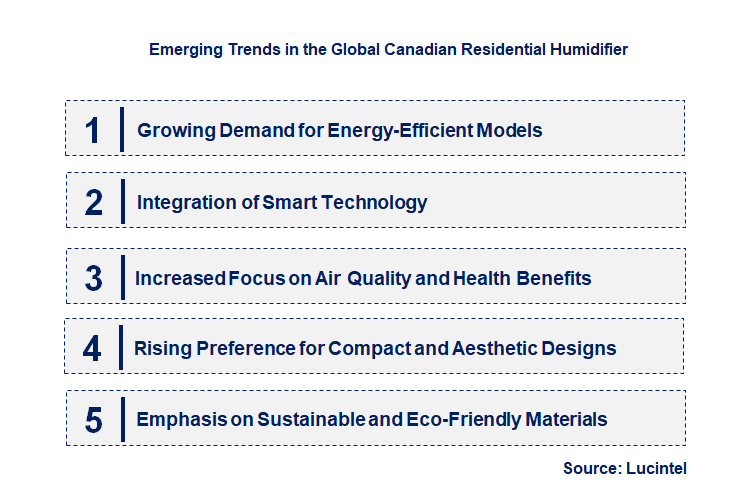
• Growing Demand for Energy-Efficient Models: Consumers are increasingly prioritizing energy-efficient humidifiers to reduce utility costs and environmental impact. This trend is driven by rising awareness of sustainability and government incentives for energy-saving appliances. Manufacturers are developing models with advanced insulation, low power consumption, and eco-friendly features, which appeal to eco-conscious buyers. The shift towards energy-efficient products not only helps consumers save money but also aligns with Canada‘s broader environmental goals, fostering market growth and encouraging innovation in product design.
• Integration of Smart Technology: The adoption of smart technology in humidifiers is transforming the market by offering enhanced convenience and control. Connected devices enable users to monitor and adjust humidity levels remotely via smartphones or voice assistants. Features like automatic humidity regulation, maintenance alerts, and integration with home automation systems improve user experience. This trend caters to tech-savvy consumers seeking seamless, customizable solutions, and is expected to drive higher adoption rates. Smart humidifiers also provide data insights that help optimize indoor air quality and energy use.
• Increased Focus on Air Quality and Health Benefits: Consumers are increasingly aware of indoor air quality‘s impact on health, especially in colder Canadian climates. Humidifiers that incorporate air purification, antimicrobial features, and allergen reduction are gaining popularity. These products help alleviate respiratory issues, dry skin, and allergies, making them attractive to health-conscious buyers. Manufacturers are emphasizing health benefits in marketing strategies, leading to product innovations that combine humidification with air cleaning technologies, thus expanding market opportunities and addressing consumer health concerns.
• Rising Preference for Compact and Aesthetic Designs: Modern consumers favor sleek, space-saving humidifiers that blend seamlessly with home decor. The demand for compact, stylish units is driven by urbanization and limited living spaces. Manufacturers are designing products with minimalist aesthetics, customizable colors, and modern finishes to appeal to design-conscious buyers. This trend enhances product appeal and encourages adoption in small apartments and condos. The focus on aesthetics alongside functionality is reshaping product development, making humidifiers not just practical appliances but also integral elements of interior design.
• Emphasis on Sustainable and Eco-Friendly Materials: Environmental sustainability is a key concern influencing product development. Manufacturers are increasingly using eco-friendly materials, recyclable components, and sustainable manufacturing processes. This trend appeals to environmentally conscious consumers and aligns with Canada‘s commitment to sustainability. Eco-friendly humidifiers often feature low energy consumption, minimal plastic use, and biodegradable parts. By adopting sustainable practices, companies can differentiate their products, meet regulatory standards, and contribute to environmental preservation, thereby strengthening their market position and appealing to a growing segment of eco-aware buyers.
• Growing Demand for Energy-Efficient Models: Consumers seek eco-friendly humidifiers that reduce energy consumption, leading manufacturers to develop innovative, low-power devices. This shift enhances sustainability and reduces operational costs, attracting environmentally conscious buyers. The market benefits from increased adoption of smart, energy-saving technologies, which also align with government regulations promoting energy efficiency. As a result, companies investing in green solutions are gaining competitive advantages, expanding their market share, and fostering long-term growth.
• Integration of Smart Technology: Smart humidifiers with Wi-Fi connectivity, app control, and automation are transforming user experience. These devices offer remote operation, maintenance alerts, and customizable settings, appealing to tech-savvy consumers. The integration of IoT enhances convenience, efficiency, and user engagement, leading to higher customer satisfaction. Manufacturers adopting smart features are differentiating their products in a competitive market, driving sales, and encouraging innovation. This trend is expected to continue as consumers prioritize connected, intelligent home appliances.
• Focus on Health and Wellness Features: New humidifier models emphasize air purification, antimicrobial coatings, and humidity sensors to improve indoor air quality. These features address health concerns related to allergies, respiratory issues, and dry air, especially in colder months. The market sees increased demand from health-conscious consumers and those with specific medical needs. Companies incorporating health-focused features are gaining trust and expanding their customer base. This focus on wellness is shaping product development and marketing strategies, fostering growth in the sector.
• Expansion of Eco-Friendly and Sustainable Products: Manufacturers are adopting biodegradable materials, eco-friendly manufacturing processes, and refillable designs to reduce environmental impact. Consumers are increasingly prioritizing sustainability, influencing purchasing decisions. The shift towards greener products supports regulatory compliance and corporate social responsibility goals. This trend encourages innovation in sustainable materials and packaging, creating new market segments. As environmental awareness grows, eco-friendly humidifiers are becoming a key differentiator, boosting sales and market competitiveness.
• Increased Product Diversification and Customization: Companies are offering a wider range of models tailored to different room sizes, styles, and user preferences. Customizable features such as adjustable humidity levels, aesthetic designs, and multi-functionality meet diverse consumer needs. This diversification enhances market reach and customer satisfaction, fostering brand loyalty. It also allows manufacturers to target niche segments and expand their market share. The trend towards personalized products is driving innovation and growth, making the market more dynamic and responsive to consumer demands.
• Growing Demand for Energy-Efficient and Smart Humidifiers: The increasing focus on energy conservation and smart home integration is driving demand for humidifiers that offer remote control, automation, and energy-saving features. Consumers seek devices that can be easily managed via mobile apps, providing convenience and enhanced user experience. Manufacturers are investing in IoT-enabled products that can adapt to environmental conditions, leading to improved indoor air quality and energy efficiency. This trend is expected to continue as smart home adoption accelerates across Canada.
• Rising awareness of Health Benefits Associated With Proper humidity levels: Consumers are increasingly recognizing the health advantages of maintaining optimal indoor humidity, such as reducing respiratory issues, allergies, and skin dryness. This awareness is fueling demand for reliable humidification solutions in residential settings. Healthcare professionals and wellness advocates are promoting the benefits, influencing purchasing decisions. As health consciousness grows, the market is poised for expansion, with consumers prioritizing products that ensure a healthier indoor environment.
• Expansion of Product Offerings Tailored to Diverse Residential Needs: Manufacturers are developing a variety of humidifier models suited for different home sizes, layouts, and user preferences. Portable, whole-house, and ultrasonic humidifiers are gaining popularity, catering to specific needs. Customizable features, such as adjustable humidity levels and filter options, enhance user satisfaction. This diversification allows brands to target a broader customer base, from small apartments to large homes, fostering market growth through tailored solutions.
• Increasing Adoption of Eco-Friendly and Sustainable Humidifier Products: Environmental concerns are prompting consumers to seek eco-friendly options, such as energy-efficient devices, biodegradable filters, and products made from sustainable materials. Companies are innovating with low-energy consumption models and environmentally safe manufacturing processes. This shift aligns with Canada‘s sustainability goals and consumer values, creating opportunities for brands to differentiate through green products. The emphasis on sustainability is expected to influence purchasing decisions and expand market share.
• Growing Distribution Channels Through Online Retail and Home Improvement Stores: The rise of e-commerce platforms and specialized home improvement outlets is broadening product accessibility. Consumers prefer the convenience of online shopping for detailed product information and reviews, boosting sales channels. Retail partnerships and direct-to-consumer models enable brands to reach a wider audience efficiently. Enhanced distribution strategies are vital for capturing market share, especially among tech-savvy and convenience-oriented consumers, supporting overall market growth.
• Technological Innovation: The development of smart humidifiers with IoT connectivity and energy-efficient features enhances user experience and reduces energy consumption. These innovations meet consumer demand for convenience and sustainability, encouraging market growth. Manufacturers investing in R&D are able to introduce advanced products that stand out in a competitive landscape. As technology continues to evolve, the market benefits from improved product performance, longer lifespan, and better integration with smart home systems, making humidifiers more appealing to modern consumers.
• Rising Awareness of Indoor Air Quality: Increasing health consciousness among Canadians about the importance of maintaining optimal indoor air quality is a significant driver. Humidifiers help alleviate issues caused by dry air, such as respiratory problems and skin irritation. Public health campaigns and information dissemination have heightened awareness, leading to higher demand for effective humidification solutions. This trend is particularly prominent during winter months when indoor air tends to be drier, prompting consumers to invest in quality humidifiers to improve comfort and health.
• Climate Conditions and Seasonal Variations: Canada‘s cold climate and low outdoor humidity levels during winter months create a natural demand for humidifiers. Consumers seek to maintain comfortable indoor environments and prevent issues like dry skin and respiratory discomfort. Seasonal fluctuations influence purchasing patterns, with peak sales typically occurring in winter. This climatic factor ensures a consistent need for humidifiers, supporting steady market growth throughout the year, especially in regions with harsher winters.
• Economic Growth and Housing Development: Increasing disposable incomes and ongoing housing developments in Canada contribute to expanding the market. New residential constructions and renovations often include modern HVAC systems with integrated humidification solutions. Homeowners are willing to invest in health and comfort-enhancing appliances, boosting sales. Economic stability also enables consumers to purchase higher-end, feature-rich humidifiers, fostering innovation and market segmentation. The growth in the housing sector directly correlates with increased demand for residential humidification products.
• Regulatory Standards and Energy Efficiency Initiatives: Government regulations aimed at reducing energy consumption and promoting eco-friendly appliances influence product design. Manufacturers are compelled to develop energy-efficient humidifiers that comply with standards, which can increase production costs but also lead to more sustainable products. These regulations encourage innovation and ensure consumer safety, fostering trust in the market. Compliance with health and safety standards also enhances product credibility, ultimately supporting market expansion.
• High Competition and Market Saturation: The Canadian humidifier market is highly competitive, with numerous local and international brands vying for market share. This saturation makes it difficult for new entrants to establish themselves and for existing players to differentiate their products. Price wars and promotional activities can erode profit margins, while consumers‘ increasing demand for advanced features raises the bar for product development. Market saturation also limits growth potential in certain segments, requiring companies to innovate continuously to maintain relevance and customer loyalty.
• Seasonal Demand Fluctuations: While winter drives high demand, the market experiences significant slowdown during warmer months. This seasonal variability affects inventory management, cash flow, and revenue stability for manufacturers and retailers. Companies must develop strategies to balance supply and demand, such as diversifying product lines or promoting off-season sales. Seasonal fluctuations also pose challenges in forecasting and planning, potentially leading to overstocking or stockouts, which can impact profitability and market stability.
• Regulatory and Environmental Challenges: Stricter regulations regarding energy efficiency, emissions, and safety standards can increase manufacturing costs and limit product features. Compliance requires ongoing investment in R&D and certification processes, which may be burdensome for smaller players. Additionally, environmental concerns about plastic waste and energy consumption push for sustainable product designs, adding complexity to manufacturing. Navigating these regulatory landscapes while maintaining competitive pricing remains a significant challenge for market participants.
• Philips
• Honeywell International Inc.
• Mitsubishi Heavy Industries Ltd.
• GeneralAire
• Carel
• Condair Group
• LG Corporation.
• Warm-Mist
• Ultrasonic
• Cool-Mist
• Others
• Retail
• Wholesale
• Online
• North America
• Europe
• Asia Pacific
• The Rest of the World
• United States: The U.S. market has seen a surge in smart humidifiers integrated with IoT technology, allowing remote control and monitoring via smartphones. There is a growing preference for energy-efficient models with HEPA filters to improve air quality. Regulatory standards are becoming stricter, encouraging manufacturers to develop eco-friendly products. Additionally, increased consumer awareness about health benefits during winter months has boosted sales.
• China: China’s market is rapidly expanding due to urbanization and rising disposable incomes. Manufacturers are focusing on affordable, compact, and multifunctional humidifiers that combine air purification features. E-commerce platforms are driving sales, with online marketing strategies boosting product visibility. Innovations include ultrasonic technology and smart connectivity, catering to tech-savvy consumers seeking convenience and health benefits.
• Germany: The German market emphasizes sustainability and energy efficiency, with a focus on eco-friendly materials and low power consumption. There is a strong demand for high-quality, durable products that meet strict European standards. Smart humidifiers with integrated sensors for automatic humidity regulation are gaining popularity. Consumer preferences lean toward minimalistic designs and products that support allergy and asthma relief.
• India: The Indian market is witnessing rapid growth driven by increasing awareness of indoor air pollution and health concerns. Affordable, portable humidifiers are in high demand, especially in urban areas with dry climates. Manufacturers are introducing models with advanced features like automatic humidity control and air purification. E-commerce and regional retail expansion are key channels for distribution, making these products more accessible.
• Japan: Japan’s market is characterized by high technological integration and a focus on health and wellness. Smart humidifiers with features such as voice control and app connectivity are prevalent. There is a significant emphasis on energy efficiency and quiet operation, suitable for small living spaces. Innovations include antibacterial coatings and filters to prevent mold and bacteria growth, aligning with Japan’s health-conscious consumer base.


• Philips
• Honeywell International Inc.
• Mitsubishi Heavy Industries Ltd.
• GeneralAire
• Carel
• Condair Group
• LG Corporation.
Q6. Which canadian residential humidifier market segment will be the largest in future?

Choose a license that fits your team. Instant PDF delivery.
Prices exclude taxes. Instant delivery. Custom licensing available on request.
Market Report · July 16, 2026
Market Report · July 15, 2026
Market Report · July 10, 2026
Trusted partner for strategic intelligence and business growth


Receive a complimentary market analysis tailored to your industry. Our analysts will identify key growth opportunities and competitive dynamics specific to your business.

Market size, growth rate, and key trend analysis for your specific sector.

Top competitor positioning and market share analysis.

Strategic recommendations backed by data-driven insights.
Get curated market intelligence and competitive moves straight to your inbox.
By subscribing, you agree to receive our monthly insights. Unsubscribe anytime.
Receive a complimentary market analysis tailored to your industry. Our analysts will identify key growth opportunities and competitive dynamics specific to your business.
Market size, growth rate, and key trend analysis for your specific sector.
Top competitor positioning and market share analysis.
Strategic recommendations backed by data-driven insights.
Get curated market intelligence, emerging trends, and competitive moves straight to your inbox each month.
By subscribing, you agree to receive our monthly insights. Unsubscribe anytime.
We'll send your sample report shortly.