Body Area Network in South Africa Trends and Forecast
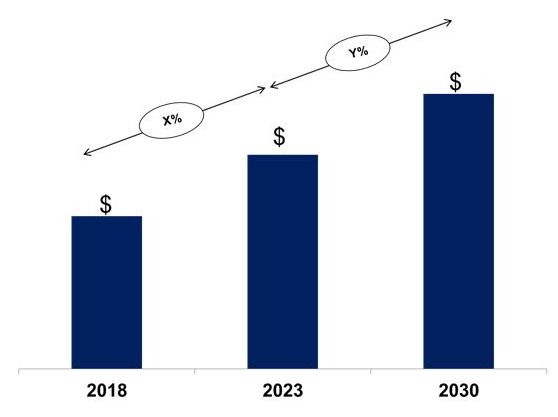
The future of the body area network market in South Africa looks promising with opportunities in the display, application processor & memory module, and pulse generator, electromechanical, communication & interface component, power management unit, and sensor markets. The global body area network market is expected to reach an estimated $24.2 billion by 2031, with a CAGR of 11.0% from 2025 to 2031. The body area network market in South Africa is also forecasted to witness strong growth over the forecast period. The major drivers for this market are the growing use of smart devices for tracking physical fitness and ongoing advancements in medical devices and communication technologies.
• Lucintel forecasts that, within the device type category, wearable device is expected to witness higher growth over the forecast period due to rapid adoption and widespread acceptance of smartwatches.
• Within the component category, application processor and memory module will remain the largest segment due to proliferation of multimedia features in wearable devices is on the rise.
Emerging Trends in the Body Area Network Market in South Africa
South Africa is experiencing growing demand for digital health and wellness technologies, making it a rich ground for Body Area Network (BAN) innovations. With the nation striving to enhance access to healthcare, improve digital infrastructure, and address lifestyle diseases, BAN technologies are emerging as vital tools. These networks are being applied in increasing areas such as elderly care, occupational health, and telemedicine. This shift is fueled by heightened mobile penetration, enhanced public health awareness, and increased backing for medical research and innovation.
• Expansion of Occupational Health Monitoring Solutions: BAN adoption is growing in mining, construction, and manufacturing industries to track worker safety and health. Wearable technology monitors temperature, heart rate, and fatigue, preventing injuries and detecting early signs of illness or fatigue. Industries are investing in these technologies to improve adherence to occupational safety regulations and maximize productivity. This trend reflects how industries are focusing on workersÄX%$%X well-being while also minimizing liability and insurance expenses through preventative monitoring and data analytics.
• Integration with AI for Predictive Health Insights: Artificial Intelligence is increasingly being used to help turn raw BAN data into meaningful insights. In South Africa, young startups and research centers are leveraging AI to predict health episodes like seizures, strokes, or heart attacks using wearable sensor inputs. This integration enhances early intervention capabilities and facilitates more effective healthcare delivery. The trend equips patients and clinicians with smarter decision-making tools that extend beyond reactive treatment.
• Mobile-First BAN Applications for Rural Healthcare: South African wide mobile phone penetration and comparatively limited fixed-line connections make mobile-first BAN applications highly feasible. Mobile-enabled wearables are being developed to function even in low-bandwidth environments, allowing basic diagnostics and health monitoring at rural clinics and communities. These tools enhance healthcare access while reducing travel needs for patients. This trend aligns with public and NGO efforts to close healthcare access disparities in geographically and economically underserved regions.
• BAN Demand in Chronic Disease Management: The increasing incidence of diabetes, hypertension, and cardiovascular diseases in South Africa has led to a significant drive for BAN solutions that enable real-time monitoring. Glucose meters, blood pressure monitors, and heart rhythm analyzers are now being prescribed or recommended by healthcare providers. They facilitate real-time notifications, behavior monitoring, and improved medication compliance, reducing chronic disease management complexity and personalizing care. This innovation supports national health goals and helps lower long-term treatment costs.
• Strengthened Data Privacy Frameworks for BAN Solutions: As BAN adoption grows, data security has become a focal point. South African Protection of Personal Information Act (POPIA) is urging manufacturers and developers to incorporate more robust encryption and consent mechanisms into their BAN offerings. This movement is fostering increased user confidence and wider adoption, especially in the healthcare and insurance sectors. Businesses that prioritize privacy-by-design principles are more likely to gain regulatory certification and customer trust in the maturing market.
These emerging trends are profoundly transforming the Body Area Network industry in South Africa. From occupational safety and rural healthcare to AI integration and data security, these trends are contributing to the development of an inclusive, smart, and secure digital health ecosystem. Over time, these innovations will enhance the quality of life, increase healthcare access, and foster new business opportunities for startups and service providers.
Recent Developments in the Body Area Network Market in South Africa
The South African Body Area Network market is witnessing significant growth due to focused government initiatives, investment from the private sector, and the expansion of health-tech start-ups. With the country preparing for greater healthcare demands and digital advancements, recent BAN trends are increasingly responding to local needs. These innovations show promise in enhancing remote care, developing wearable technologies, and strengthening public health infrastructure. The following innovations illustrate how the BAN ecosystem is evolving in response to national priorities and international standards.
• Government-Funded Wearable Health Pilots: The South African Department of Health has launched pilot programs involving wearable BAN devices for maternal health and chronic disease tracking in underserved areas. The pilots collect real-time data and channel it to centralized systems to enable better diagnosis and intervention. Success in these pilots has led to further investigations into large-scale rollouts. This represents growing institutional momentum toward BAN adoption, especially where conventional healthcare infrastructure is inadequate or overwhelmed.
• Growth of Local Health-Tech Startups: South African startups are entering the BAN market with locally designed wearables that address local climate, language, and affordability challenges. These devices provide solutions for monitoring hydration, exertion, and medication adherence. Most are targeting mobile platform compatibility, ensuring usability even in low-connectivity areas. This move is part of a broader trend of localized innovation, positioning local companies at the forefront of Africans expanding digital health market.
• Research in Low-Power BAN Systems by Universities: Top South African universities are conducting research and development to maximize BAN technologies energy efficiency. Efforts are underway to design battery-less or solar-powered sensors that can operate in areas with limited charging infrastructure. These innovations will make BAN more feasible and cost-effective in rural and off-grid regions, enabling long-term scalability. The academic contributions also enhance partnerships between researchers and business developers.
• Integration of BAN into Health Insurance Plans: Private health insurers are beginning to offer premium rebates to customers who wear approved BAN devices. These wearables track daily activity, sleep, and cardiovascular data, providing feedback to insurers. This integration supports preventative healthcare models and reduces uncertainty in risk assessment. The development is encouraging more users to adopt wearables while enabling insurers to offer additional value-added services.
• Cross-Border Partnerships for Technology Transfer: South Africa has formed several partnerships with foreign tech companies and universities to accelerate BAN development. These partnerships involve knowledge sharing, prototype testing, and co-deployment of advanced wearable solutions. Such initiatives facilitate the transfer of global best practices and the introduction of cutting-edge innovations into the South African market more quickly than local development alone.
The latest innovations are solidifying the Body Area Network market in South Africa by aligning innovation with the country’s infrastructural and healthcare needs. From local wearable designs and international collaborations to government initiatives, these advancements are making BAN solutions more accessible with enhanced efficiency and impact. By scaling these interventions, patient care will improve, national health targets will be met, and South Africa’s digital health industry will thrive through increased competitiveness.
Strategic Growth Opportunities for Body Area Network Market in South Africa
South Africa is experiencing a profound shift in healthcare and wellness, driven by the uptake of Body Area Network (BAN) technologies. These networks of wearable and implantable devices enable real-time monitoring and collection of health data. The intersection of technological innovation, rising health awareness, and government support is laying the groundwork for BAN use across various sectors. This transformation is not only improving patient care but also creating new opportunities for innovation and economic development in the nation.
• Remote Patient Monitoring in Rural Areas: The large rural areas of South Africa are challenged with obtaining quality healthcare. BAN technologies provide a remedy by allowing distant monitoring of a patient’s vital signs, enabling healthcare professionals to monitor health indicators in real time. This method reduces the frequency of hospital visits, provides timely intervention, and generally improves patient outcomes. By closing the healthcare accessibility gap, BANs contribute to improving the quality of care for underserved populations.
• Telemedicine Integration: The growth of telemedicine in South Africa is coupled with BAN technologies, whose continuous delivery of health data enables practitioners to make decisions based on detailed, up-to-date information. The integration results in precise diagnostics, tailored treatments, and cost-effective patient monitoring. Coupled with telehealth platforms, healthcare providers can extend complete care across distances, easing pressure on physical healthcare settings and expanding healthcare access to a larger population.
• Improvement in Sports Performance and Safety: Athletes and fitness consumers in South Africa are increasingly adopting BAN devices to track performance indicators such as heart rate, oxygen consumption, and muscle activity. The information allows for customized training, injury prevention, and optimal recovery protocols. Improved athlete performance and safety benefit the sports industry, while individuals gain better insights into their physical wellness, driving a culture of wellness and preventive health management.
• Chronic Disease Management Support: The incidence of conditions such as hypertension and diabetes continues to rise in South Africa. BAN technology enables the continuous monitoring of crucial health metrics to identify anomalies before they become pronounced, allowing for appropriate intervention. Patients can better control their conditions, reducing both hospitalization rates and healthcare costs. This advancement in preventive care empowers individuals to live their lives independently and improves healthcare efficiency.
• Progress in Military and Security Operations: The military and security sectors are using BAN technologies to track the readiness and health of soldiers in real time. Body-worn sensors monitor vital signs, stress levels, and fatigue to ensure personnel are fit for duty and able to respond efficiently in emergencies. This application optimizes operational efficiency, reduces the likelihood of health incidents, and demonstrates the diverse uses of BANs beyond healthcare.
The strategic development potential for Body Area Networks in South Africa is broad and multifaceted. Through solutions addressing key healthcare accessibility needs, chronic disease management, sports performance, and security, BAN technologies are transforming the nations approach to health and wellness. As applications evolve and are integrated with current systems, they have the potential to deliver better outcomes, economic value, and a stronger healthcare infrastructure.
Body Area Network Market in South Africa Driver and Challenges
The South African Body Area Network (BAN) market is driven by a combination of technological innovation, economic conditions, and regulatory policies. With digital transformation in the healthcare sector becoming a reality, it is vital to understand the major drivers and challenges that stakeholders must navigate to capitalize on new opportunities and overcome potential barriers successfully.
The factors responsible for driving the Body Area Network market in South Africa include:
• Technological Advancements in Wearable Devices: Ongoing innovation in wireless communication and sensor technology has improved the reliability and functionality of BAN devices. This has enhanced health monitoring accuracy, increased battery life, and improved user comfort. The integration of artificial intelligence and machine learning also supports predictive analytics, providing proactive healthcare solutions. These technological advancements are key drivers for BAN adoption and growth across various industries.
• Increasing Health Awareness Among the Population: A growing focus on personal health and wellness is motivating individuals to seek tools that provide real-time health insights. BAN devices cater to this demand by offering continuous monitoring of vital signs, activity levels, and other health metrics. This heightened health consciousness is driving consumer interest and investment in wearable health technologies, which is contributing to market growth.
• Government Initiatives Supporting Digital Health: The government of South Africa is introducing policies and programs aimed at improving digital healthcare infrastructure. Policies encouraging telemedicine, electronic health records, and mobile health solutions create a favorable environment for the adoption of BAN. Government support, in the form of funding, regulation, and public awareness campaigns, is critical for driving BAN technologies into the healthcare sector.
• Economic Factors Affecting Healthcare Delivery: Financial constraints and the need for cost-saving healthcare measures are encouraging both consumers and providers to look beyond conventional care models. BANs provide a way to minimize hospitalization, reduce treatment costs, and enhance resource allocation. Through remote monitoring and timely intervention, such technologies promote more effective and sustainable healthcare, supporting economic goals.
• Integration with Existing Healthcare Systems: The ability of BAN devices to integrate smoothly with electronic health records and other IT systems in healthcare enhances their usefulness. Such interoperability ensures that healthcare providers can effectively use data collected from wearables for diagnosis, treatment planning, and monitoring. Integration is essential for maximizing the utility of BAN technologies and promoting their widespread use.
Challenges in the Body Area Network market in South Africa are:
• Data Privacy and Security Concerns: The collection and transfer of personal health information using BAN devices create significant privacy and security concerns. Protecting data from breaches and unauthorized use is a major issue. Addressing these concerns requires strong encryption, adherence to data protection laws, and building user trust in the security of wearable health technologies.
• High Costs and Accessibility Barriers: The high initial investment required for BAN devices and infrastructure may be unaffordable for low-income communities. High costs hinder accessibility and prevent mass adoption. Cost-reducing manufacturing processes, subsidies, or scalable solutions will need to be implemented to address this barrier and make BAN technologies accessible to all.
• Limited Technological Literacy: Inadequate understanding of wearable devices and digital health products among certain segments of society poses a barrier to BAN adoption. Knowledge promotion campaigns and simplified device designs are needed to foster greater understanding and encourage adoption. Bridging the technological literacy gap is vital for the inclusive delivery of BAN solutions to people with diverse profiles.
The South African health sector is on the verge of significant growth, driven by technological advancements, increased health awareness, favorable government policies, and economic factors. To realize the full potential of BAN technologies, issues such as data security, cost, and technological literacy need to be addressed. By effectively addressing these drivers and challenges, stakeholders can contribute to the development of a more integrated, resilient, and patient-centered healthcare system in South Africa.
List of Body Area Network Market in South Africa Companies
Companies in the market compete based on the product quality offered. Major players in this market focus on expanding their manufacturing facilities, R&D investments, infrastructural development, and leveraging integration opportunities across the value chain. Through these strategies, body area network companies cater to increasing demand, ensure competitive effectiveness, develop innovative products & technologies, reduce production costs, and expand their customer base. Some of the body area network companies profiled in this report include:
• Company 1
• Company 2
• Company 3
• Company 4
• Company 5
Body Area Network Market in South Africa by Segment
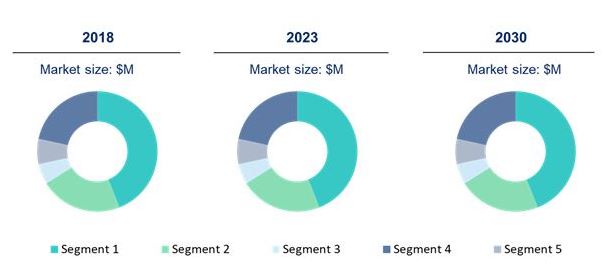
The study includes a forecast for the body area network market in South Africa by device type, component, and application.
Body Area Network Market in South Africa by Device Type [Analysis by Value from 2019 to 2031]:
• Wearable Devices
• Implantable Devices
Body Area Network Market in South Africa by Component [Analysis by Value from 2019 to 2031]:
• Displays
• Application Processors & Memory Modules, and Pulse Generators
• Electromechanicals
• Communication & Interface Components
• Power Management Units
• Sensors
• Others
Body Area Network Market in South Africa by Application [Analysis by Value from 2019 to 2031]:
• Medical, Fitness, and Sports
• Military
• Security
Features of the Body Area Network Market in South Africa
Market Size Estimates: Body area network in South Africa market size estimation in terms of value ($B).
Trend and Forecast Analysis: Market trends and forecasts by various segments.
Segmentation Analysis: Body area network in South Africa market size by device type, component, and application in terms of value ($B).
Growth Opportunities: Analysis of growth opportunities in different device types, components, and applications for the body area network in South Africa.
Strategic Analysis: This includes M&A, new product development, and competitive landscape of the body area network in South Africa.
Analysis of competitive intensity of the industry based on Porter’s Five Forces model.
If you are looking to expand your business in this or adjacent markets, then contact us. We have done hundreds of strategic consulting projects in market entry, opportunity screening, due diligence, supply chain analysis, M & A, and more.
FAQ
Q1. What are the major drivers influencing the growth of the body area network market in South Africa?
Answer: The major drivers for this market are growing use of smart devices for tracking physical fitness and on-going advancements in medical devices and communication technologies.
Q2. What are the major segments for body area network market in South Africa?
Answer: The future of the body area network market in South Africa looks promising with opportunities in the display, application processor & memory module, and pulse generator, electromechanical, communication & interface component, power management unit, and sensor markets.
Q3. Which body area network market segment in South Africa will be the largest in future?
Answer: Lucintel forecasts that wearable device is expected to witness the higher growth over the forecast period due to rapid adoption and widespread acceptance of smartwatches.
Q4. Do we receive customization in this report?
Answer: Yes, Lucintel provides 10% customization without any additional cost.
This report answers following 10 key questions:
Q.1. What are some of the most promising, high-growth opportunities for the body area network market in South Africa by device type (wearable devices and implantable devices), component (displays, application processors & memory modules, and pulse generators, electromechanicals, communication & interface components, power management units, sensors, and others), and application (medical, fitness, and sports, military, and security)?
Q.2. Which segments will grow at a faster pace and why?
Q.3. What are the key factors affecting market dynamics? What are the key challenges and business risks in this market?
Q.4. What are the business risks and competitive threats in this market?
Q.5. What are the emerging trends in this market and the reasons behind them?
Q.6. What are some of the changing demands of customers in the market?
Q.7. What are the new developments in the market? Which companies are leading these developments?
Q.8. Who are the major players in this market? What strategic initiatives are key players pursuing for business growth?
Q.9. What are some of the competing products in this market and how big of a threat do they pose for loss of market share by material or product substitution?
Q.10. What M&A activity has occurred in the last 5 years and what has its impact been on the industry?
For any questions related to Body Area Network Market in South Africa, Body Area Network Market in South Africa Size, Body Area Network Market in South Africa Growth, Body Area Network Market in South Africa Analysis, Body Area Network Market in South Africa Report, Body Area Network Market in South Africa Share, Body Area Network Market in South Africa Trends, Body Area Network Market in South Africa Forecast, Body Area Network Companies, write Lucintel analyst at email: helpdesk@lucintel.com. We will be glad to get back to you soon.