Close Lucintel Chat
Didn't Find What You're Looking for?
Call us at +1972 636 5056 or write at helpdesk@Lucintel.com
Ask an Expert Provide Custom Requirements Download Sample Report Search Available Reports
  • helpdesk@Lucintel.com
  • |
  • Call Lucintel +1 972 636 5056
  • |
  • Login
  • |
  • Register
  • |
  • Search
  • |
'
...

The Impact of COVID-19 is included in Body Area Network Market in Netherlands. Buy it today to get an advantage.

Request the impact of COVID-19 on your product or industry


Body Area Network in Netherlands Trends and Forecast

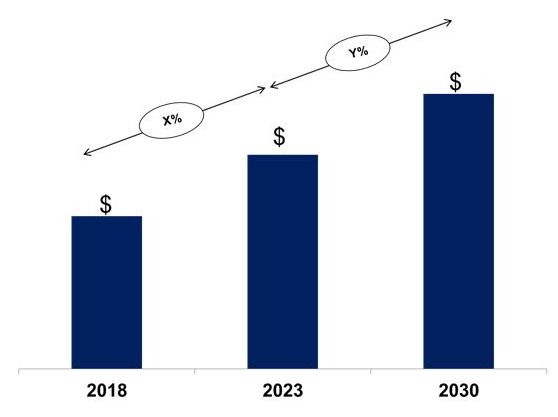
The future of the body area network market in Netherlands looks promising with opportunities in the display, application processor & memory module, and pulse generator, electromechanical, communication & interface component, power management unit, and sensor markets. The global body area network market is expected to reach an estimated $24.2 billion by 2031, with a CAGR of 11.0% from 2025 to 2031. The body area network market in Netherlands is also forecasted to witness strong growth over the forecast period. The major drivers for this market are the growing use of smart devices for tracking physical fitness and ongoing advancements in medical devices and communication technologies.

• Lucintel forecasts that, within the device type category, wearable device is expected to witness higher growth over the forecast period due to rapid adoption and widespread acceptance of smartwatches.
• Within the component category, application processor and memory module will remain the largest segment due to proliferation of multimedia features in wearable devices is on the rise.

Body Area Network Market in Netherlands Trends and Forecast

Emerging Trends in the Body Area Network Market in Netherlands

The Body Area Network (BAN) market in the Netherlands is experiencing a revolution fueled by the fast-paced developments in health tech, population aging needs, and growing digital literacy. With a robust healthcare infrastructure and forward-looking innovation environment, the nation is welcoming new trends fusing technology with wellness, distant care, and prevention. These new trends point to the way BAN solutions are increasingly integrated into everyday life and healthcare provision, redefining the function of wearables in both clinical and consumer environments.

• Smart Textiles Integration: The integration of BAN systems with smart textiles is picking up steam in the Netherlands. This clothing integrates sensors that track essential signs like heart rate, respiratory rate, and muscle activity. Athletes, patients, and older adults gain from real-time monitoring without cumbersome devices. Performance wear and clinical wear, focusing on enhancing mobility and comfort, are areas where Dutch startups are headed. These trends are revolutionizing wearable form factors, enabling unobtrusive continuous health monitoring, and broadening market opportunities beyond traditional wrist-worn wearables.
• AI-Powered Predictive Health Tools: Artificial intelligence integration in BAN platforms is facilitating predictive health analytics throughout the Dutch healthcare sector. Machine learning algorithms process biometric data obtained by BANs to predict possible health hazards, initiate early interventions, and inform individualized care plans. Dutch hospitals and insurers are implementing these tools to enhance patient outcomes and minimize treatment expenses. The trend reinforces preventive healthcare and underscores the transition away from reactive treatment towards data-based health maintenance.
• Home-Based Elderly Care Expansion: Due to the demographic aging in the Netherlands, BAN systems are becoming more and more widely used in home care for the elderly. Devices assist in the monitoring of vital parameters, in the fall detection, and the remote monitoring of daily activities. This solution accompanies aging-in-place strategies as it enables elderly people to stay at home while still being subject to medical monitoring. Dutch healthcare organizations are investing in intuitive interfaces and interoperable systems to reduce complexity for elderly people, increase safety, and enhance quality of life.
• Emphasis on Mental Health Surveillance: Mental health applications of BAN are increasingly popular, particularly in stress, anxiety, and sleep disorder detection. Sensors monitor parameters like skin temperature, heart rate variability, and brain wave activity. Psychologists and wellness companies in the Netherlands utilize these systems to personalize therapy sessions and enhance outcomes. This new trend focuses on holistic monitoring of health, extending BAN use from physical to emotional health, and treating mental health issues in a technology-driven, stigma-free environment.
• Emergence of Open Data and Interoperability Standards: The Netherlands is driving open data ecosystems and healthcare interoperability standards. BAN vendors are joining the bandwagon to integrate easily with electronic health records (EHR) and other digital platforms. Open standards enable data sharing across healthcare providers, payers, and device companies. This is augmenting the value of data gathered by BAN, encouraging collaboration, and driving innovation through the health tech ecosystem with consistency and patient data protection.

These new trends underscore the NetherlandsÄX%$%X forward-thinking approach to the digital health revolution. From intelligent fabrics to artificial intelligence-based analytics and geriatric care assistance, the Body Area Network market is transforming fast. By adopting mental health monitoring and interoperability, the nation is setting the stage for an integrated, connected, and patient-focused model of healthcare. These trends not only broaden the uptake of BAN but are also raising its importance in public health and personal well-being areas.

Recent Developments in the Body Area Network Market in Netherlands

Recent innovation in the NetherlandsÄX%$%X Body Area Network market reflects increased institutional backing, public-private partnerships, and product innovation. Stakeholders are investing in next-generation wearable technologies to enhance remote care and maximize patient experience. Government policies, hospital integration pilots, and tech incubators are supporting the nations commitment to scalable BAN deployment. These trends are cementing the NetherlandsÄX%$%X position as a leader in the real-world adoption of wearable healthcare technologies with long-term impact.

• Pilot integration with hospital systems: Dutch hospitals are initiating pilot projects that combine BAN devices with internal clinical systems. The pilots facilitate real-time data exchange between patientsÄX%$%X wearable sensors and electronic medical records. It enhances clinical decision-making, reduces response time, and tailors treatment plans. Pilot programs are designed to expand to more institutions after successful trial results. This initiative is a step towards the systemic implementation of BAN technology in mainstream medicine.
• Government-Sponsored Digital Health Initiatives: The government of the Netherlands has introduced funding programs that promote speeding up digital health solutions, such as BAN platforms. The programs offer subsidies to public healthcare providers, research institutions, and startups for wearable innovation. Funding assists in offsetting R&D expenses and promotes pilot solution deployment. Commercialization of BAN solutions is sped up by this initiative and reflects national efforts towards healthcare innovation.
• University-Tech Startup Collaborations: The Dutch universities are collaborating with startups to create next-generation BAN technologies. The scientific research and the agile development environment are combined in these collaborations to create marketable innovations. Projects aim to increase battery life, miniaturize, and improve biometric accuracy. The university-startup synergy provides a consistent pipeline of innovations and develops a robust ecosystem for wearable health technology in the nation.
• Scaling up Consumer Health Portals: Technology firms are building digital health platforms where customers can sync BAN devices and see comprehensive health information. Such portals aggregate information from multiple devices and offer wellness recommendations, tracking of progress, and medical warnings. The growth makes wearable information more actionable and transparent. It also enhances consumer engagement and empowers consumers to be more in charge of their health choices.
• Launch of GDPR-Compliant BAN Devices: Data privacy is a top issue in the Netherlands, and developers are introducing GDPR-compliant BAN devices. These wearables protect user data by encrypting it, anonymizing it, and storing it by European data protection laws. This innovation fosters trust among users and institutions and ensures ethical use of biometric data. It assists in breaking adoption barriers by eliminating security-related skepticism in the market.

The newest news in the NetherlandsÄX%$%X Body Area Network marketplace shows a balance of innovation, regulation, and collaboration. Hospital integration, safe device launches, and these developments are driving BAN adoption into the mainstream. Public investment, consumer health devices, and academic partnerships are fueling additional momentum in the market. As a combination, these innovations are building value around BAN technology and setting up the Netherlands to lead the wearables industry for healthcare.

Strategic Growth Opportunities for Body Area Network Market in Netherlands

The Netherlands Body Area Network (BAN) market is growing through diversified applications for healthcare, fitness, remote monitoring, and patient engagement. The aging population of the country, increasing health consciousness, and digital health ecosystem create a rich landscape for innovative implementations. From diagnostics at the point of care to sport science, several industries are converging on BAN solutions to enhance the quality of care, reduce operational costs, and facilitate pro-activity of well-being. Such application-oriented expansion areas play critical roles in delivering sustainable value across the landscape of Dutch lifestyle technologies and healthcare.

• Chronic Care Remote Patient Monitoring: The most lucrative prospect is probably in remote monitoring for chronic care disease management. BANs provide the capability of following patients in real time who suffer from conditions like hypertension, diabetes, or cardiac disease. Netherlands healthcare providers are combining wearable sensors with telemedicine platforms to curb hospital attendance and identify early warning signs of complications. Such solutions facilitate evidence-based treatment protocols, improve patient autonomy, and keep the hospitalization burden at a minimum. Such use facilitates sustained cost-effectiveness with continued continuity of care to urban and rural areas.
• Elderly Care and Assisted Living Solutions: As the population ages, the Netherlands is investing in BAN applications for elderly care and assisted living. Wearable devices track movement, fall detection, and vital signs, allowing caregivers to respond quickly in case of emergencies. These solutions enhance safety and enable independence for senior citizens. Retirement homes and care facilities are implementing BANs to individualize care while maximizing staff workload. This app enhances the quality of life for elderly people and is in line with national policies to ensure aging in place.
• Rehabilitation and Physical Therapy Monitoring: BAN systems are being applied to improve the outcome of physical rehabilitation and physiotherapy. Sensors worn by recovering surgery or injury patients monitor movement, muscle activity, and posture. These measurements assist therapists in the Netherlands in creating individualized recovery plans and remotely monitoring improvements. BANs also enhance compliance with exercise programs and minimize follow-up visits. The app is used in both clinical rehabilitation and home-based therapy, optimizing recovery while minimizing the stress on healthcare systems.
• Sports Science and Performance Optimization: The Netherlands is utilizing BAN applications in sports and fitness for enhancing sports performance and preventing injuries. Top-level teams and training facilities utilize wearable sensors to track biomechanics, heart rate variability, and hydration status. These are used to optimize training intensity, recovery, and technique. BANs are also increasingly being used in amateur sports and fitness, mirroring increased interest in data-driven well-being. This area of growth marries technology with life enhancement and underpins the growth of the consumer wearables market.
• Mental Health and Stress Monitoring: Increased focus on mental health is fueling uptake of BAN systems that monitor stress-related metrics such as skin temperature, heart rate variability, and sleep. In the Netherlands, employers, wellness clinics, and online therapy providers utilize these technologies to detect burnout risk and facilitate early intervention. This use case promotes global health strategies and supports efforts toward integrating mental health into primary care. Mental wellness solutions facilitated through BAN represent a scalable strategy for improving emotional well-being.

These application-driven growth prospects are revolutionizing the delivery of healthcare and wellness services in the Netherlands. From the treatment of chronic diseases to enhancing sports performance and geriatric care, BAN systems are central to customized, effective, and technology-based interventions. The expanding number of use cases enables continued growth in the market and drives innovation in the public and private sectors.

Body Area Network Market in Netherlands Driver and Challenges

The Body Area Network (BAN) market in the Netherlands is driven by a combination of technological innovation, regulatory change, and public health priorities. Growing demand for wearable health technologies and government support for digital healthcare have driven the sector forward. Nevertheless, the market is also subject to constraints around privacy regulation, interoperability, and public trust. Recognizing the drivers and challenges is necessary to predict the direction of the market and develop responsive strategies in line with Dutch healthcare objectives and consumer expectations.

The factors responsible for driving the Body Area Network market in the Netherlands include:
• Widespread Adoption of Telehealth: The growth of telehealth in the Netherlands fuels the BAN market demand. Remote consultations are going mainstream, particularly for chronically ill and elderly patients. BANs supplement this model by offering continuous data that improves diagnosis and follow-up. As healthcare providers look for cost-efficient means to monitor patients outside clinical environments, BAN integration is becoming the norm. This trend speeds up digital healthcare transformation and makes BANs the cornerstone of the next generation of care.
• Government Support for eHealth Initiatives: Government initiatives for eHealth in the Netherlands provide a conducive setting for BAN adoption. Digital infrastructure investments, pilot projects in remote care, and innovation subsidies stimulate health tech startups and providers to adopt BANs. National policy also favors the use of data for personalized medicine. These policies minimize adoption barriers and make BAN solutions consistent with national health priorities.
• High Digital Literacy and Consumer Readiness: The Dutch are extremely welcoming to new technology, and hence the market is suitable for BAN deployment. There is an increase in awareness for fitness, preventive care, and usage of personal data. There is also more willingness for wearables to monitor health targets and chronic diseases. There is high smartphone penetration and digital platform trust, which increases user engagement, which is critical for long-term BAN use and data-driven treatment.
• Emphasis on Preventive Healthcare: The transition from reactive to preventive care is a key market driver. BANs facilitate early identification of health anomalies and actionable insights before symptom escalation. In the Netherlands, providers and health insurers are incentivizing preventive models with wearable monitoring. This trend lowers long-term costs and enhances outcomes, enhancing the value proposition of BAN solutions in healthcare ecosystems.
• AI and Big Data Analytics Integration: The integration of BANs with AI and data platforms enables sophisticated insights into health. In the Netherlands, hospitals and startups are creating algorithms that translate BAN data to inform clinical decisions and personal health. This integration raises the applicability and usability of BANs, turning them into predictive health companions from mere monitoring devices.

Challenges in the Body Area Network market in the Netherlands are:
• Intricate Data Privacy Laws: Strict data protection regulations in the Netherlands pose challenges to BAN developers and providers. Meeting GDPR and national policy requirements calls for strong data management, anonymization, and consent mechanisms. These can be time-consuming and cost-increasing, slowing down product rollout. Balancing innovation with regulation continues to be a key challenge.
• Interoperability and System Integration Issues: BANs frequently struggle with integration into hospital systems, EHRs, and third-party platforms. Without standardization, seamless data sharing is restricted and the effectiveness of care delivery decreased. Dutch institutions and health tech companies need to invest in cross-system compatibility and open platforms in order to effectively utilize BAN capabilities.
• Public Concerns regarding Data Security: Despite the high level of digital adoption, there are lingering concerns regarding misuses of individual health data. Users in the Netherlands anticipate openness and control of their data. Failure to address these expectations might result in poor user retention or resistance to uptake. Establishing trust through appropriate data practices is critical to sustaining long-term success.

The Dutch BAN market is being defined by enabling infrastructure, technology readiness, and a strong policy drive to digital health. But system compatibility and privacy issues continue to be crucial barriers. Overcoming these while leveraging crucial drivers will define the speed and direction of market growth in the Netherlands.

List of Body Area Network Market in Netherlands Companies

Companies in the market compete based on the product quality offered. Major players in this market focus on expanding their manufacturing facilities, R&D investments, infrastructural development, and leveraging integration opportunities across the value chain. Through these strategies, body area network companies cater to increasing demand, ensure competitive effectiveness, develop innovative products & technologies, reduce production costs, and expand their customer base. Some of the body area network companies profiled in this report include:
• Company 1
• Company 2
• Company 3
• Company 4
• Company 5


Body Area Network Market in Netherlands by Segment

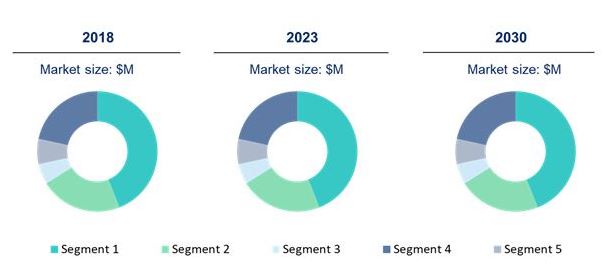
The study includes a forecast for the body area network market in Netherlands by device type, component, and application.

Body Area Network Market in Netherlands by Device Type [Analysis by Value from 2019 to 2031]:


• Wearable Devices
• Implantable Devices

Body Area Network Market in Netherlands by Component [Analysis by Value from 2019 to 2031]:


• Displays
• Application Processors & Memory Modules, and Pulse Generators
• Electromechanicals
• Communication & Interface Components
• Power Management Units
• Sensors
• Others

Body Area Network Market in Netherlands by Application [Analysis by Value from 2019 to 2031]:


• Medical, Fitness, and Sports
• Military
• Security

Lucintel Analytics Dashboard

Features of the Body Area Network Market in Netherlands

Market Size Estimates: Body area network in Netherlands market size estimation in terms of value ($B).
Trend and Forecast Analysis: Market trends and forecasts by various segments.
Segmentation Analysis: Body area network in Netherlands market size by device type, component, and application in terms of value ($B).
Growth Opportunities: Analysis of growth opportunities in different device types, components, and applications for the body area network in Netherlands.
Strategic Analysis: This includes M&A, new product development, and competitive landscape of the body area network in Netherlands.
Analysis of competitive intensity of the industry based on Porter’s Five Forces model.

If you are looking to expand your business in this or adjacent markets, then contact us. We have done hundreds of strategic consulting projects in market entry, opportunity screening, due diligence, supply chain analysis, M & A, and more.
Lucintel Consulting Services

FAQ

Q1. What are the major drivers influencing the growth of the body area network market in Netherlands?
Answer: The major drivers for this market are growing use of smart devices for tracking physical fitness and on-going advancements in medical devices and communication technologies.
Q2. What are the major segments for body area network market in Netherlands?
Answer: The future of the body area network market in Netherlands looks promising with opportunities in the display, application processor & memory module, and pulse generator, electromechanical, communication & interface component, power management unit, and sensor markets.
Q3. Which body area network market segment in Netherlands will be the largest in future?
Answer: Lucintel forecasts that wearable device is expected to witness the higher growth over the forecast period due to rapid adoption and widespread acceptance of smartwatches.
Q4. Do we receive customization in this report?
Answer: Yes, Lucintel provides 10% customization without any additional cost.

This report answers following 10 key questions:

Q.1. What are some of the most promising, high-growth opportunities for the body area network market in Netherlands by device type (wearable devices and implantable devices), component (displays, application processors & memory modules, and pulse generators, electromechanicals, communication & interface components, power management units, sensors, and others), and application (medical, fitness, and sports, military, and security)?
Q.2. Which segments will grow at a faster pace and why?
Q.3. What are the key factors affecting market dynamics? What are the key challenges and business risks in this market?
Q.4. What are the business risks and competitive threats in this market?
Q.5. What are the emerging trends in this market and the reasons behind them?
Q.6. What are some of the changing demands of customers in the market?
Q.7. What are the new developments in the market? Which companies are leading these developments?
Q.8. Who are the major players in this market? What strategic initiatives are key players pursuing for business growth?
Q.9. What are some of the competing products in this market and how big of a threat do they pose for loss of market share by material or product substitution?
Q.10. What M&A activity has occurred in the last 5 years and what has its impact been on the industry?
For any questions related to Body Area Network Market in Netherlands, Body Area Network Market in Netherlands Size, Body Area Network Market in Netherlands Growth, Body Area Network Market in Netherlands Analysis, Body Area Network Market in Netherlands Report, Body Area Network Market in Netherlands Share, Body Area Network Market in Netherlands Trends, Body Area Network Market in Netherlands Forecast, Body Area Network Companies, write Lucintel analyst at email: helpdesk@lucintel.com. We will be glad to get back to you soon.

                                                            Table of Contents

            1. Executive Summary

            2. Body Area Network Market in Netherlands: Market Dynamics
                        2.1: Introduction, Background, and Classifications
                        2.2: Supply Chain
                        2.3: Industry Drivers and Challenges

            3. Market Trends and Forecast Analysis from 2019 to 2031
                        3.1. Macroeconomic Trends (2019-2024) and Forecast (2025-2031)
                        3.2. Body Area Network Market in Netherlands Trends (2019-2024) and Forecast (2025-2031)
                        3.3: Body Area Network Market in Netherlands by Device Type
                                    3.3.1: Wearable Devices
                                    3.3.2: Implantable Devices
                        3.4: Body Area Network Market in Netherlands by Component
                                    3.4.1: Displays
                                    3.4.2: Application Processors & Memory Modules, and Pulse Generators
                                    3.4.3: Electromechanicals
                                    3.4.4: Communication & Interface Components
                                    3.4.5: Power Management Units
                                    3.4.6: Sensors
                                    3.4.7: Others
                        3.5: Body Area Network Market in Netherlands by Application
                                    3.5.1: Medical, Fitness, and Sports
                                    3.5.2: Military
                                    3.5.3: Security

            4. Competitor Analysis
                        4.1: Product Portfolio Analysis
                        4.2: Operational Integration
                        4.3: Porter’s Five Forces Analysis

            5. Growth Opportunities and Strategic Analysis
                        5.1: Growth Opportunity Analysis
                                    5.1.1: Growth Opportunities for the Body Area Network Market in Netherlands by Device Type
                                    5.1.2: Growth Opportunities for the Body Area Network Market in Netherlands by Component
                                    5.1.3: Growth Opportunities for the Body Area Network Market in Netherlands by Application
                        5.2: Emerging Trends in the Body Area Network Market
                        5.3: Strategic Analysis
                                    5.3.1: New Product Development
                                    5.3.2: Capacity Expansion of the Body Area Network Market in Netherlands
                                    5.3.3: Mergers, Acquisitions, and Joint Ventures in the Body Area Network Market in Netherlands
                                    5.3.4: Certification and Licensing

            6. Company Profiles of Leading Players
                        6.1: Company 1
                        6.2: Company 2
                        6.3: Company 3
                        6.4: Company 4
                        6.5: Company 5
.

Buy full report or by chapter as follows

Limited Time Offer

Price by License Type:
[-] Hide Chapter Details
[Chapter Number] [Chapter Name] [Chapter Number Of Pages] [Chapter Price]
Title/Chapter Name Pages Price
Full Report: Body Area Network Market in Netherlands Full Report $ 2,990
150 - page report
Lucintel has been in the business of market research and management consulting since 2000 and has published over 1000 market intelligence reports in various markets / applications and served over 1,000 clients worldwide. This study is a culmination of four months of full-time effort performed by Lucintel's analyst team. The analysts used the following sources for the creation and completion of this valuable report:
  • In-depth interviews of the major players in this market
  • Detailed secondary research from competitors’ financial statements and published data 
  • Extensive searches of published works, market, and database information pertaining to industry news, company press releases, and customer intentions
  • A compilation of the experiences, judgments, and insights of Lucintel’s professionals, who have analyzed and tracked this market over the years.
Extensive research and interviews are conducted across the supply chain of this market to estimate market share, market size, trends, drivers, challenges, and forecasts. Below is a brief summary of the primary interviews that were conducted by job function for this report.
 
Thus, Lucintel compiles vast amounts of data from numerous sources, validates the integrity of that data, and performs a comprehensive analysis. Lucintel then organizes the data, its findings, and insights into a concise report designed to support the strategic decision-making process. The figure below is a graphical representation of Lucintel’s research process. 
 

Please sign in below to get report brochure - Body Area Network Market in Netherlands .

At Lucintel, we respect your privacy and maintain the confidentiality of information / data provided by you
(Please enter your corporate email. * These fields are mandatory )

Follow us on