Body Area Network in Brazil Trends and Forecast
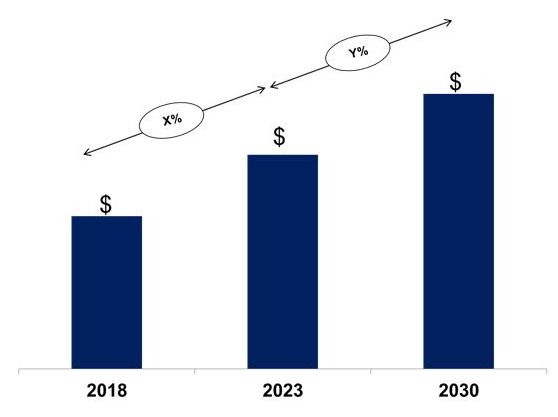
The future of the body area network market in Brazil looks promising with opportunities in the display, application processor & memory module, and pulse generator, electromechanical, communication & interface component, power management unit, and sensor markets. The global body area network market is expected to reach an estimated $24.2 billion by 2031, with a CAGR of 11.0% from 2025 to 2031. The body area network market in Brazil is also forecasted to witness strong growth over the forecast period. The major drivers for this market are the growing use of smart devices for tracking physical fitness and ongoing advancements in medical devices and communication technologies.
• Lucintel forecasts that, within the device type category, wearable device is expected to witness higher growth over the forecast period due to rapid adoption and widespread acceptance of smartwatches.
• Within the component category, application processor and memory module will remain the largest segment due to proliferation of multimedia features in wearable devices is on the rise.
Emerging Trends in the Body Area Network Market in Brazil
The Body Area Network market in Brazil is witnessing a phase of rapid evolution, fueled by increased urbanization, the development of digital health infrastructure, and the demand for customized care. As Brazil seeks to build stronger public and private healthcare systems, advances in technology are making it possible to deploy connected health solutions. These trends are being influenced by a mix of socioeconomic determinants, rising smartphone penetration, and facilitation by telemedicine policies. The following new trends illustrate how Brazil is adopting Body Area Network advances to enhance health outcomes and increase access to real-time patient monitoring solutions.
• Maternal Health Monitoring Wearable Devices: Brazil is experiencing growing adoption of BAN-integrated wearables to aid maternal health, especially in rural and underprivileged regions. Devices monitor fetal heart rate, blood pressure, and glucose, mitigating late-stage complication-related risks. Real-time feedback solutions inform healthcare workers in emergencies. This phenomenon aligns with Brazilian movement to decrease maternal mortality and enhance prenatal care through integrating mobile technology with telehealth accessibility in geographically isolated areas where conventional healthcare is less readily available.
• Integration of BAN with Smart Home Health Systems: Smart homes in Brazil are being designed with healthcare in mind, integrating Body Area Network devices into home-based patient monitoring. This setup allows for continuous observation of elderly or chronically ill individuals using devices synced with centralized smart hubs. These systems notify caregivers or healthcare professionals in the event of abnormalities. This trend is encouraging independent living while enhancing safety and home care efficiency, especially among Brazilian rapidly increasing and demanding elderly population that needs more decentralized healthcare systems.
• Flexibility and Biodegradability Adoption of Sensors: Brazilian startups and research institutions are embracing flexible, skin-adaptive, and biodegradable sensors for BAN solutions. These sensors enable environmentally safe, longer-term usage without irritating the skin. They are especially effective in hot climates where traditional wearables may become too tight. The trend aligns with Brazilian emphasis on sustainable technology and provides cost-effective solutions for mass public health use. The sensors are utilized in continuous glucose monitoring, tracking hydration, and thermal management, which is very effective in the humid and hot climate of Brazil.
• Mental Health and Stress Detection Integration: Mental well-being is taking center stage among Brazilian health priorities. Body Area Networks are used to monitor early symptoms of anxiety and stress using physiological indicators such as heart rate variability and electrodermal activity. Wearable devices coupled with mental health apps now send alerts and treatment recommendations based on user records. The movement is coordinated with Brazilian increasing mental health awareness initiatives and aims to mitigate the workload on psychiatric facilities by providing preventive, wearable-centered monitoring of mental states.
• Application of BAN in Emergency Response Systems: Brazil is applying BAN technology to emergency response processes for disaster relief and ambulance service. Wearables that responders and patients wear track vitals and provide real-time feedback to the medical team. This cuts diagnosis time down and pre-notifies hospitals before arrival. With Brazilian susceptibility to natural disasters and transportation issues, this trend improves first responder effectiveness and aids mobile triage units in flooded, landslide, and other disaster zones. The governments focus on enhancing emergency services makes this trend especially timely.
These new trends are driving Brazilian Body Area Network market into a new age of innovation, tailoring healthcare provision to the countries distinctive socio-environmental reality. Through the integration of wearables within maternal care, smart homes, and emergency networks, and ventures into mental health and sustainable technologies applications, Brazil is increasing the reach and use of BAN solutions. Not only do these changes respond to current healthcare shortages but also build the basis for long-term digitally enriched healthcare infrastructure with a focus on accessibility, customization, and resilience.
Recent Developments in the Body Area Network Market in Brazil
The Brazilian Body Area Network market has seen numerous recent developments due to public health modernization and the demand for more responsive solutions for care. Increased cooperation among research centers, startups, and healthcare providers is leading to new product releases, pilot projects, and infrastructure improvements. These improvements are focused on enhancing health data integration, device affordability, and use in varied healthcare environments. Brazilian emphasis on decentralizing care and improving real-time monitoring has been a major driving force behind such developments in the BAN ecosystem.
• National Pilot Programs for Remote Monitoring Launch: The Brazilian government has launched national pilot programs to implement BAN technologies in public hospitals for remote patient monitoring. The programs are aimed at chronic disease management, particularly among patients with hypertension and heart failure. With wearable sensors, hospital personnel can monitor real-time vitals and modify treatment protocols remotely. The pilot programs have been successful in keeping readmission rates down and facilitating proactive care, and are setting the stage for greater public healthcare institutionsÄX%$%X adoption of BAN solutions in urban and rural regions.
• Private Sector Investment in Wearable Startups: Brazilian venture investors are scaling up investment in local startups creating low-cost BAN-enabled wearables. They are making devices specifically designed for Brazilian environmental and demographic contexts, including temperature-resistant sensors and multilingual interfaces. The investments are facilitating high-speed prototyping and scaling of solutions ready for mass deployment. The funding trend indicates increasing faith in Brazilian digital health space and is making innovation accessible in underserved markets by reducing barriers to access and enhancing usability.
• Telemedicine Platform Integration with BAN Systems: Some Brazilian telemedicine platforms have also included BAN device compatibility, enabling the uploading of health data automatically during remote consultations. This feature helps doctors access real-time health data, resulting in more accurate virtual diagnoses and customized treatment plans. Integration with leading video consultation platforms has enhanced continuity of care and expanded the reach of urban medical centers into more remote areas. This innovation closes the digital divide and enhances Brazilian hybrid healthcare delivery system.
• University-Led Research on AI-Driven BAN Analytics: Brazilian research institutions and universities are actively working on the applications of AI in BAN data analysis. The projects are aimed at developing machine learning models that identify early signs of chronic diseases from multisensor data. The goals include improving diagnostic accuracy and decreasing the time taken for clinical decision-making. Universities are engaging with hospitals for piloting these models in actual clinical settings. These research activities are placing Brazil in the role of a rising competitor in AI-driven digital health.
• Development of Low-Power, Long-Battery Wearable Devices: To address Brazilian vast rural population needs, developers are working on low-power BAN devices with long battery life. Such devices are made to last weeks without recharging, suitable for remote deployment where there is little electricity. Devices range from solar-powered to energy-harvesting wearables. This is critical to broadening health tech penetration into Brazilian interior provinces, with the ability to have long-term monitoring with little dependency on infrastructure.
The recent trends in Brazilian Body Area Network market reflect a robust pace of digital health growth. From government pilot schemes to research-backed AI solutions and wearable technology, all breakthroughs are enhancing the accessibility and efficiency of care. As the public and private sectors join hands to ramp up BAN deployment, Brazil is strategically positioned to bridge healthcare gaps, particularly in rural regions. These advancements are not just improving existing healthcare provision but also setting the stage for a future where real-time, data-based care is within reach of every citizen.
Strategic Growth Opportunities for Body Area Network Market in Brazil
Brazil is witnessing an increase in Body Area Network (BAN) adoption due to the growing need for affordable healthcare, advancements in digital infrastructure, and an aging population. The demand for real-time monitoring, preventive medicine, and personalized health solutions is driving investments in various applications. As both urban and rural populations seek smarter health management tools, BAN applications are expanding in scope. The following application-based growth opportunities illustrate how Brazil is advancing in building robust care delivery and driving digital transformation within its healthcare system.
• Elderly Care and Remote Supervision: Brazil is experiencing significant demographic shifts, making elderly care a key healthcare priority. BAN systems enable real-time monitoring of vital signs, fall detection, and emergency response for older individuals. These technologies improve the management of age-related conditions and reduce hospital dependency. Wearable sensors connected to mobile applications or caregiver platforms help healthcare professionals support older individualsÄX%$%X independence. This software presents a growth opportunity aligned with the government’s long-term plan to offer affordable, home-based care for the nation’s aging population.
• Monitoring after Surgery: Post-operative monitoring through BAN devices is gaining traction in Brazil. Hospitals are adopting wearable technology to monitor patients’ recovery at home, detecting complications such as infections or abnormal heart rhythms early. These systems ensure smooth transitions between home and hospital, reducing readmission rates. Given the pressure on Brazil’s public healthcare system, this approach improves efficiency and promotes patient-driven care. It also fosters trust between patients and healthcare providers, as patients share real-time data for timely interventions during recovery.
• Chronic Disease Monitoring and Management: Brazil is facing rising rates of chronic diseases like hypertension and diabetes. BAN technologies facilitate real-time data collection and transmission, enabling healthcare providers to monitor patients remotely. This integration into clinical workflows supports personalized treatment plans and reduces reliance on episodic care. Mobile apps and smart devices are improving disease management across various socioeconomic groups. This emerging growth area aligns with Brazil’s digital health policies and can potentially reduce long-term treatment costs while improving outcomes for millions of people.
• Worker Safety and Occupational Health: BAN systems are being deployed in sectors such as construction, mining, and agriculture to monitor worker safety. These sensors track critical parameters and environmental factors, preventing accidents related to fatigue, dehydration, or exposure to toxins. Employers can respond quickly to health hazards and enhance workplace safety compliance. As Brazil enforces stricter labor safety policies, the use of BAN solutions provides businesses with a competitive edge in investing in employee well-being. The adoption of these systems is growing in industrial sectors, boosting productivity and reducing injuries.
• Monitoring Maternal and Neonatal Health: BAN technology is being used in maternal and neonatal care to monitor fetal growth, maternal vital signs, and infant health in real time. Mobile health platforms and wearable sensors are providing early alerts for high-risk conditions and improving continuity of care. This technology is particularly beneficial in Brazil’s rural and underserved regions, where access to healthcare is limited. With increased support from NGOs and public health programs, maternal care is becoming a key growth area in Brazil’s digital health market.
The growth of Body Area Network applications in Brazil is creating new pathways for proactive, patient-centered healthcare. These opportunities decentralize medical services, promote preventive care, and improve outcomes for both individuals and institutions. As BAN technologies are increasingly integrated across industries, Brazil is well-positioned to create a more responsive and equitable healthcare environment through digital innovation.
Body Area Network Market in Brazil Driver and Challenges
Brazil’s Body Area Network market is influenced by a combination of economic, technological, and regulatory drivers. The increasing demand for digital health products, government policy support, and rising chronic conditions drive market growth. However, infrastructure gaps, data privacy concerns, and cost barriers present major challenges. Understanding these drivers and challenges is essential for stakeholders interested in navigating Brazil’s healthcare evolution and successfully deploying BAN solutions across urban and rural areas.
The factors responsible for driving the Body Area Network market in Brazil include:
• Increasing Demand for Remote Healthcare Services: Brazil’s healthcare system faces overcrowding and regional inequalities, making remote care a vital need. BAN solutions enable continuous health monitoring, reducing the need for in-person visits. This trend is particularly relevant in remote and underserved areas, where telehealth offers an affordable alternative to traditional care. The demand for remote services is rapidly growing, driven by national policies and public-private partnerships designed to extend digital healthcare coverage to millions of Brazilians.
• Rollout of Mobile and Internet Infrastructure: Improved connectivity in Brazil is enhancing the performance of BAN devices. The widespread availability of mobile internet allows real-time transmission of health data from wearable sensors to cloud platforms. As infrastructure continues to improve in rural areas, more people have access to digital health devices. This trend is crucial for expanding the reach of BAN solutions and ensuring reliable, uninterrupted data exchange between patients and healthcare professionals.
• Government Investment in Digital Health: The Brazilian government has introduced measures to promote eHealth adoption and technology integration within public health services. Initiatives like Connect SUS enable the use of electronic medical records and remote patient monitoring. These programs are fostering a strong ecosystem for deploying BAN technologies in hospitals and clinics. Government funding has also encouraged local innovation and raised public awareness, driving the adoption of wearable health devices across different demographic segments.
• Rise in Prevalence of Lifestyle Diseases: With a large proportion of Brazil’s population affected by lifestyle diseases such as obesity, diabetes, and cardiovascular disease, the need for continuous monitoring is growing. BAN systems offer early detection and management of these chronic conditions. The increasing demand for preventive care among both patients and healthcare providers is fueling long-term demand for wearable technologies that address health risks before they escalate.
• Emerging Health Tech Startups and Innovation Hubs: Brazil’s entrepreneurial spirit is driving the development of affordable, locally adapted BAN solutions. Startups focused on telemedicine, biosensor development, and digital health analytics are emerging in São Paulo and Rio de Janeiro. These companies are offering innovative solutions to local healthcare challenges and collaborating with public health institutions. This dynamic market is accelerating innovation and increasing access to technology.
Challenges in the Body Area Network market in Brazil are:
• Restricted Healthcare Access in Rural Regions: Despite the potential of BAN solutions, their availability is still limited in rural Brazil due to infrastructure challenges and device shortages. Insufficient internet coverage, lack of healthcare facilities, and economic inequality hinder the effective implementation of BAN systems. Closing these gaps will require investments in digital infrastructure and community training programs to foster adoption and increase digital literacy.
• Data Privacy and Regulatory Compliance Challenges: Brazil’s General Data Protection Law (LGPD) sets stringent conditions for processing personal health information. BAN devices that collect and transmit sensitive data must comply with these regulations. Ensuring data security presents challenges for small providers and emerging companies that lack the necessary legal expertise or high-quality systems. These issues could delay adoption and limit the integration of BAN technologies into existing healthcare systems.
• High Cost of Innovative Devices and Solutions: Advanced BAN technologies are costly, limiting their use among lower-income groups. Despite growing interest, the high cost of wearable devices and subscription-based monitoring services remains a barrier. Without subsidies or insurance coverage, many patients and healthcare institutions cannot afford these solutions. Enhancing affordability through government incentives or low-cost, scalable alternatives is crucial for expanding adoption.
Brazil’s Body Area Network market is growing steadily, driven by digital health programs, government initiatives, and increasing awareness of health. However, to achieve inclusive growth, challenges related to infrastructure, data protection, and cost must be addressed. By overcoming these barriers, Brazil can fully leverage the potential of BAN technologies to transform its healthcare delivery system and improve patient outcomes nationwide.
List of Body Area Network Market in Brazil Companies
Companies in the market compete on the basis of product quality offered. Major players in this market focus on expanding their manufacturing facilities, R&D investments, infrastructural development, and leverage integration opportunities across the value chain. Through these strategies, body area network companies cater to increasing demand, ensure competitive effectiveness, develop innovative products & technologies, reduce production costs, and expand their customer base. Some of the body area network companies profiled in this report include:
• Company 1
• Company 2
• Company 3
• Company 4
• Company 5
Body Area Network Market in Brazil by Segment
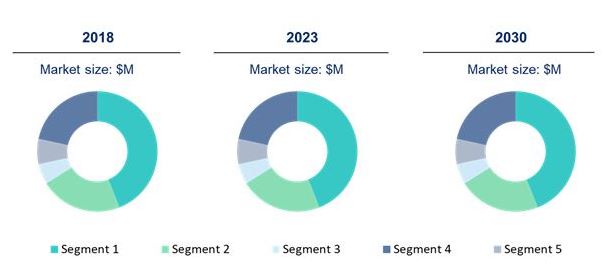
The study includes a forecast for the body area network market in Brazil by device type, component, and application.
Body Area Network Market in Brazil by Device Type [Analysis by Value from 2019 to 2031]:
• Wearable Devices
• Implantable Devices
Body Area Network Market in Brazil by Component [Analysis by Value from 2019 to 2031]:
• Displays
• Application Processors & Memory Modules, and Pulse Generators
• Electromechanicals
• Communication & Interface Components
• Power Management Units
• Sensors
• Others
Body Area Network Market in Brazil by Application [Analysis by Value from 2019 to 2031]:
• Medical, Fitness, and Sports
• Military
• Security
Features of the Body Area Network Market in Brazil
Market Size Estimates: Body area network in Brazil market size estimation in terms of value ($B).
Trend and Forecast Analysis: Market trends and forecasts by various segments.
Segmentation Analysis: Body area network in Brazil market size by device type, component, and application in terms of value ($B).
Growth Opportunities: Analysis of growth opportunities in different device types, components, and applications for the body area network in Brazil.
Strategic Analysis: This includes M&A, new product development, and competitive landscape of the body area network in Brazil.
Analysis of competitive intensity of the industry based on Porter’s Five Forces model.
If you are looking to expand your business in this or adjacent markets, then contact us. We have done hundreds of strategic consulting projects in market entry, opportunity screening, due diligence, supply chain analysis, M & A, and more.
FAQ
Q1. What are the major drivers influencing the growth of the body area network market in Brazil?
Answer: The major drivers for this market are growing use of smart devices for tracking physical fitness and on-going advancements in medical devices and communication technologies.
Q2. What are the major segments for body area network market in Brazil?
Answer: The future of the body area network market in Brazil looks promising with opportunities in the display, application processor & memory module, and pulse generator, electromechanical, communication & interface component, power management unit, and sensor markets.
Q3. Which body area network market segment in Brazil will be the largest in future?
Answer: Lucintel forecasts that wearable device is expected to witness the higher growth over the forecast period due to rapid adoption and widespread acceptance of smartwatches.
Q4. Do we receive customization in this report?
Answer: Yes, Lucintel provides 10% customization without any additional cost.
This report answers following 10 key questions:
Q.1. What are some of the most promising, high-growth opportunities for the body area network market in Brazil by device type (wearable devices and implantable devices), component (displays, application processors & memory modules, and pulse generators, electromechanicals, communication & interface components, power management units, sensors, and others), and application (medical, fitness, and sports, military, and security)?
Q.2. Which segments will grow at a faster pace and why?
Q.3. What are the key factors affecting market dynamics? What are the key challenges and business risks in this market?
Q.4. What are the business risks and competitive threats in this market?
Q.5. What are the emerging trends in this market and the reasons behind them?
Q.6. What are some of the changing demands of customers in the market?
Q.7. What are the new developments in the market? Which companies are leading these developments?
Q.8. Who are the major players in this market? What strategic initiatives are key players pursuing for business growth?
Q.9. What are some of the competing products in this market and how big of a threat do they pose for loss of market share by material or product substitution?
Q.10. What M&A activity has occurred in the last 5 years and what has its impact been on the industry?
For any questions related to Body Area Network Market in Brazil, Body Area Network Market in Brazil Size, Body Area Network Market in Brazil Growth, Body Area Network Market in Brazil Analysis, Body Area Network Market in Brazil Report, Body Area Network Market in Brazil Share, Body Area Network Market in Brazil Trends, Body Area Network Market in Brazil Forecast, Body Area Network Companies, write Lucintel analyst at email: helpdesk@lucintel.com. We will be glad to get back to you soon.