
Market Report · July 29, 2026

Key data points: The market size in 2035 = $3.5 billion, growth forecast = 5.3% annually for the next 8 years. Scroll below to get more insights. This market report covers trends, opportunities and forecasts in bathroom heater market to 2035 by type (wall-mounted heaters, ceiling-mounted heaters, and portable heaters), application (residential, commercial, and industrial), and region (North America, Europe, Asia Pacific, and the Rest of the World)
We'll send your sample report shortly.
• Lucintel forecasts that, within the type category, wall-mounted heater will remain the largest segment over the forecast period.
• Within the application category, residential will remain the largest segment.
• In terms of region, APAC is expected to witness the highest growth over the forecast period.
Gain valuable insights for your business decisions with our comprehensive 150+ page report. Sample figures with some insights are shown below.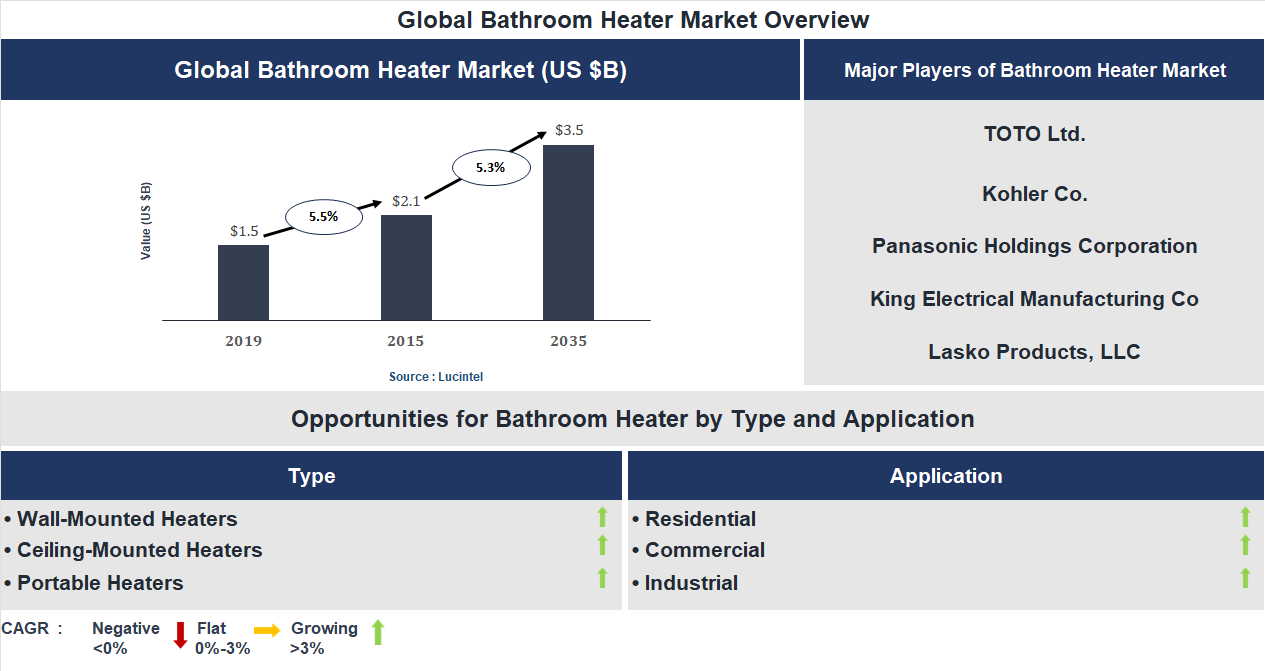
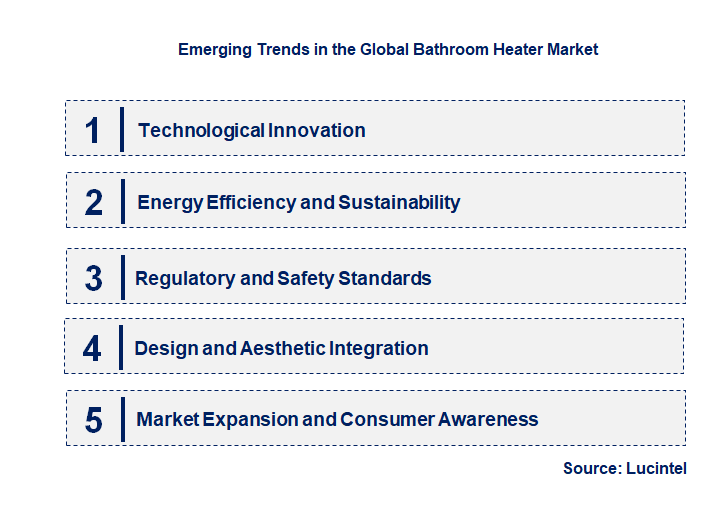
• Technological Innovation: The integration of smart features and advanced heating technologies is revolutionizing bathroom heaters. Devices now include Wi-Fi connectivity, remote control, and programmable settings, enhancing user convenience. Innovations such as infrared and fan heaters offer faster, more efficient heating solutions. These advancements improve energy efficiency, reduce operational costs, and provide personalized comfort. As technology becomes more affordable, adoption rates are increasing, pushing the market toward smarter, more adaptable products that cater to modern lifestyles.
• Energy Efficiency and Sustainability: Growing environmental awareness and stricter regulations are driving demand for energy-efficient bathroom heaters. Manufacturers are developing products with lower power consumption, eco-friendly materials, and sustainable manufacturing processes. Features like thermostatic controls and timers help optimize energy use, reducing carbon footprints. Consumers are increasingly prioritizing eco-conscious options, which encourages companies to innovate in this direction. This trend not only benefits the environment but also appeals to cost-conscious buyers seeking long-term savings, thereby reshaping product offerings and market growth.
• Regulatory and Safety Standards: Enhanced safety regulations and standards are influencing product design and manufacturing in the bathroom heater market. These include certifications for electrical safety, fire resistance, and moisture protection. Compliance ensures consumer safety and boosts product credibility. Manufacturers are investing in rigorous testing and quality assurance processes to meet these standards. This trend encourages innovation in safety features, such as automatic shut-off and overheating protection, fostering consumer trust and expanding market opportunities for compliant products.
• Design and Aesthetic Integration: Modern consumers prefer bathroom heaters that blend seamlessly with interior decor. Manufacturers are focusing on sleek, minimalist designs, compact sizes, and customizable finishes. The aesthetic appeal combined with functional performance enhances user experience and adds value to bathroom spaces. This trend promotes the development of versatile products suitable for various interior styles, encouraging market differentiation. As design becomes a key purchasing factor, companies are collaborating with interior designers and leveraging consumer feedback to innovate aesthetically pleasing, space-saving heating solutions.
• Market Expansion and Consumer Awareness: Increasing urbanization and rising disposable incomes are expanding the market geographically and demographically. Awareness campaigns and product availability are boosting consumer knowledge about the benefits of bathroom heaters. This growth is particularly notable in emerging markets where infrastructure development is ongoing. Enhanced marketing strategies and product accessibility are driving higher adoption rates. As consumers become more informed about energy efficiency, safety, and design options, the market is poised for sustained growth, with companies focusing on tailored solutions for diverse consumer needs.
• Smart Bathroom Heaters: Integration of IoT technology is transforming bathroom heaters into smart devices. These heaters can be controlled remotely via smartphones, offer programmable settings, and adapt to user preferences, enhancing convenience and energy efficiency. This innovation appeals to tech-savvy consumers seeking seamless automation. The adoption of smart heaters is expected to accelerate, opening new revenue streams for manufacturers and encouraging the development of compatible home automation systems.
• Energy-Efficient Heating Solutions: Growing environmental concerns and rising energy costs are pushing demand for energy-efficient bathroom heaters. Technologies such as infrared heating, ceramic elements, and low-wattage models reduce power consumption while maintaining performance. These solutions not only lower utility bills but also align with sustainability goals. Manufacturers are investing in R&D to develop eco-friendly products, which are gaining popularity among environmentally conscious consumers and regulatory bodies promoting energy conservation.
• Compact and Portable Designs: The trend toward space-saving and portable bathroom heaters caters to urban dwellers and travelers. Compact models are easy to install and store, making them ideal for small bathrooms or temporary use. Portable heaters offer flexibility, allowing users to move them between rooms or locations. This segment is witnessing innovations in lightweight materials and safety features, expanding its market share and appealing to a broader customer base seeking convenience and versatility.
• Safety and Certification Standards: Enhanced safety features and strict certification standards are critical in the bathroom heater market. Innovations include automatic shut-off, moisture-resistant designs, and anti-slip bases. Compliance with safety standards such as UL, CE, and IEC ensures consumer confidence and reduces liability risks. Manufacturers are prioritizing safety to differentiate their products, which boosts consumer trust and encourages wider adoption, especially in households with children or elderly members.
• Sustainable and Eco-Friendly Materials: The use of sustainable materials in manufacturing bathroom heaters is gaining traction. Recyclable plastics, low-impact manufacturing processes, and eco-friendly packaging are becoming standard. These initiatives appeal to environmentally conscious consumers and align with global sustainability goals. Companies investing in green materials and practices are enhancing brand reputation and market competitiveness, fostering a shift toward more responsible production and consumption within the industry.
• Residential Bathroom Heating Solutions: The residential segment is a primary growth driver, with consumers seeking efficient, space-saving, and stylish heating options. Innovations like smart heaters, infrared panels, and underfloor heating systems are gaining popularity for their energy efficiency and convenience. Increasing renovation activities and new home constructions further boost demand. Market players are focusing on designing user-friendly, customizable products that integrate seamlessly with smart home systems, catering to homeowners’ desire for comfort and modern aesthetics.
• Commercial and Public Restroom Heating Installations: Commercial buildings, offices, and public restrooms require reliable, durable heating solutions to ensure comfort and hygiene. The demand for energy-efficient, low-maintenance heaters that comply with safety standards is rising. Companies are investing in advanced heating systems such as wall-mounted infrared heaters and automatic temperature controls. These solutions help reduce operational costs and improve user experience, making them attractive options for facility managers and property developers aiming for sustainable and compliant infrastructure.
• Hospitality Sector Adoption of Advanced Heating Technologies: Hotels, resorts, and spas are increasingly adopting innovative bathroom heating solutions to enhance guest comfort and differentiate their services. Luxury and eco-conscious establishments prefer high-end, energy-efficient heaters like towel warmers, smart radiators, and eco-friendly infrared panels. The integration of IoT-enabled controls allows remote operation and energy monitoring, aligning with sustainability goals. This sector’s focus on providing a premium experience drives demand for aesthetically appealing, technologically advanced heating products.
• Emerging Markets and Urbanization Impact: Rapid urbanization and rising disposable incomes in developing regions are expanding the bathroom heater market. Growing construction activities and modernization of existing infrastructure create opportunities for affordable, efficient heating solutions. Local manufacturers are entering the market with cost-effective products tailored to regional preferences and climate conditions. Government initiatives promoting energy efficiency and sustainable building practices further support market growth, making emerging markets a vital segment for future expansion.
• Innovation in Energy-Efficient and Eco-Friendly Heating Technologies: The shift towards sustainable living is propelling the development of eco-friendly bathroom heating options. Technologies such as solar-powered heaters, heat pumps, and low-energy infrared panels are gaining traction. Manufacturers are investing in R&D to improve energy efficiency, reduce carbon footprint, and meet stringent environmental regulations. These innovations appeal to environmentally conscious consumers and regulatory bodies, positioning the market for long-term growth driven by sustainability commitments and technological advancements.
• Technological Innovation: The development of energy-efficient and smart heating solutions is a major driver. Innovations such as infrared and ceramic heaters offer faster, more efficient heating with lower energy consumption. Integration with IoT technology allows consumers to control and customize their heating preferences remotely, enhancing user convenience. These technological advancements not only improve product performance but also meet increasing consumer demand for modern, connected appliances. As a result, manufacturers are investing heavily in R&D to develop innovative products, which accelerates market growth and broadens consumer choices.
• Rising Urbanization and Disposable Income: Rapid urbanization in developing regions has led to increased demand for modern bathroom amenities, including heaters. As disposable incomes rise, consumers are more willing to invest in comfort and convenience, prompting higher sales of premium bathroom heating products. Urban dwellers seek efficient, space-saving, and aesthetically appealing solutions, which has spurred the development of compact and stylish heater designs. This economic shift supports market expansion, especially in emerging markets where urban infrastructure development is ongoing, creating new opportunities for manufacturers and retailers.
• Regulatory and Environmental Policies: Governments worldwide are implementing strict regulations to promote energy efficiency and reduce carbon emissions. These policies encourage the adoption of eco-friendly heating solutions that consume less power and utilize sustainable materials. Manufacturers are compelled to innovate and comply with standards such as energy labeling and safety certifications, which can increase production costs but also enhance product credibility. Such regulatory frameworks drive the market toward greener, safer, and more efficient products, aligning industry growth with environmental sustainability goals.
• Consumer Preference for Smart and Connected Devices: The increasing popularity of smart home technology influences consumer choices in bathroom heating solutions. Features like remote control, programmable timers, and integration with voice assistants are highly desirable. This trend pushes manufacturers to incorporate IoT capabilities into their products, offering enhanced user experience and energy management. The demand for connected devices not only boosts sales but also fosters innovation in product features, creating a competitive edge for brands that adopt smart technology, thereby shaping the future trajectory of the market.
• Growing Awareness of Energy Efficiency and Cost Savings: Consumers are becoming more conscious of energy consumption and the long-term cost benefits of energy-efficient appliances. This awareness drives demand for heaters that offer superior insulation, adjustable settings, and low power consumption. Market players are responding by developing products that meet these criteria, which helps consumers reduce utility bills and minimize environmental impact. This trend supports market growth by aligning product offerings with consumer values and regulatory standards, fostering a shift toward sustainable heating solutions.
• High Initial Costs: Advanced bathroom heaters with smart features and energy-efficient technologies often come with higher upfront prices. This can deter price-sensitive consumers, especially in emerging markets where disposable incomes are lower. The cost barrier may slow market penetration and limit adoption rates, particularly for premium products. Manufacturers need to balance technological innovation with affordability to sustain growth, which can be challenging given the costs associated with R&D and compliance.
• Regulatory Compliance Complexities: Navigating diverse safety, energy efficiency, and environmental standards across different regions poses significant challenges. Manufacturers must invest in certifications and adapt products to meet varying regulations, increasing time-to-market and costs. Non-compliance can lead to legal penalties and damage to brand reputation. The complexity of regulatory landscapes requires continuous monitoring and adaptation, which can strain resources, especially for smaller players, potentially limiting market competitiveness.
• Competition from Alternative Heating Solutions: The market faces stiff competition from other heating options such as central heating systems, space heaters, and portable devices. These alternatives may be more cost-effective or familiar to consumers, making it difficult for bathroom heaters to gain market share. Additionally, technological advancements in alternative solutions can further challenge the growth of dedicated bathroom heaters. Companies must differentiate their products through innovation, branding, and added value to maintain a competitive edge in a crowded marketplace.
• TOTO Ltd.
• Kohler Co.
• Panasonic Holdings Corporation
• King Electrical Manufacturing Co
• Lasko Products, LLC
• Rinnai Corporation
• Thermor International
• Marley Engineered Products
• Bimar S.r.l
• Wall-Mounted Heaters
• Ceiling-Mounted Heaters
• Portable Heaters
• Residential
• Commercial
• Industrial
• North America
• Europe
• Asia Pacific
• The Rest of the World
• United States: The US market has seen increased adoption of smart bathroom heaters with Wi-Fi connectivity and remote control features. Energy efficiency standards are driving innovation, with many products now incorporating eco-friendly materials and low power consumption. The rise of compact, space-saving designs caters to urban homes, while premium models with advanced features like humidity sensors and voice control are gaining popularity. Retailers are expanding online channels, making a wider range of products accessible to consumers. Overall, the US market emphasizes technological integration and sustainability, aligning with broader smart home trends.
• China: China’s bathroom heater market is rapidly expanding, fueled by urbanization and rising disposable incomes. Manufacturers are focusing on affordable, energy-efficient models that appeal to a broad consumer base. There is a strong emphasis on innovative features such as rapid heating, safety mechanisms, and multi-functionality, including combined heating and drying options. E-commerce platforms play a crucial role in distribution, enabling quick market penetration. Local brands are gaining ground by offering cost-effective solutions, while international companies are entering through strategic partnerships. The market is characterized by aggressive growth and technological advancements tailored to local preferences.
• Germany: The German market prioritizes energy efficiency and environmental sustainability, driven by strict EU regulations. Manufacturers are developing high-performance, eco-friendly bathroom heaters with low emissions and minimal energy consumption. There is a notable trend toward integrating smart technology, such as programmable timers and remote controls, to enhance user convenience. Design-wise, products are sleek, minimalist, and blend seamlessly with modern bathrooms. The focus on durability and safety is paramount, with many products meeting rigorous safety standards. Overall, Germany’s market reflects a commitment to quality, innovation, and sustainability.
• India: The Indian bathroom heater market is witnessing rapid growth due to increasing urbanization and changing lifestyles. Consumers prefer affordable, durable, and energy-efficient models suitable for diverse climatic conditions. There is a rising demand for portable and compact heaters that can be easily installed in small spaces. Local manufacturers are innovating with features like quick heating and safety shut-off mechanisms. E-commerce sales are expanding, making products more accessible. Additionally, government initiatives promoting energy conservation are influencing product development. The market is characterized by affordability, innovation, and a focus on safety and efficiency.
• Japan: Japan’s market emphasizes advanced technology and energy conservation, with a focus on eco-friendly and space-saving designs. Smart bathroom heaters with IoT connectivity and energy management features are increasingly popular. The integration of humidity sensors and automatic temperature controls enhances comfort and efficiency. Japanese consumers value high-quality, durable products that meet strict safety standards. The market also sees a trend toward sleek, minimalist aesthetics that complement modern bathrooms. Sustainability and innovation are key drivers, with manufacturers investing in eco-friendly materials and energy-efficient technologies to meet both consumer demand and regulatory requirements.


• TOTO Ltd.
• Kohler Co.
• Panasonic Holdings Corporation
• King Electrical Manufacturing Co
• Lasko Products, LLC
• Rinnai Corporation
• Thermor International
• Marley Engineered Products
• Bimar S.r.l
Q6. Which bathroom heater market segment will be the largest in future?

Choose a license that fits your team. Instant PDF delivery.
Prices exclude taxes. Instant delivery. Custom licensing available on request.
Market Report · July 29, 2026
Market Report · July 15, 2026
Market Report · July 13, 2026
Trusted partner for strategic intelligence and business growth


Receive a complimentary market analysis tailored to your industry. Our analysts will identify key growth opportunities and competitive dynamics specific to your business.

Market size, growth rate, and key trend analysis for your specific sector.

Top competitor positioning and market share analysis.

Strategic recommendations backed by data-driven insights.
Get curated market intelligence and competitive moves straight to your inbox.
By subscribing, you agree to receive our monthly insights. Unsubscribe anytime.
Receive a complimentary market analysis tailored to your industry. Our analysts will identify key growth opportunities and competitive dynamics specific to your business.
Market size, growth rate, and key trend analysis for your specific sector.
Top competitor positioning and market share analysis.
Strategic recommendations backed by data-driven insights.
Get curated market intelligence, emerging trends, and competitive moves straight to your inbox each month.
By subscribing, you agree to receive our monthly insights. Unsubscribe anytime.
We'll send your sample report shortly.