Barcode Plastic Card in United States Trends and Forecast
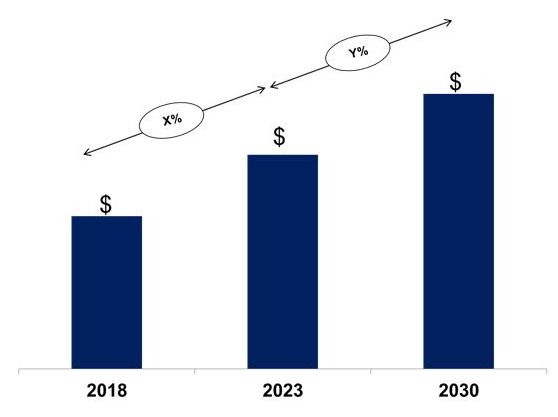
The future of the barcode plastic card market in United States looks promising with opportunities in the PVC, PET, and ABS markets. The global barcode plastic card market is expected to reach an estimated $2.3 billion by 2031 with a CAGR of 7.0% from 2025 to 2031. The barcode plastic card market in United States is also forecasted to witness strong growth over the forecast period. The major drivers for this market are the increasing demand for plastic cards across various industries, such as retail, banking, and healthcare, along with the growing adoption of barcode technology for tracking and tracing products and assets.
• Lucintel forecasts that, within the type category, smart cards are expected to witness the highest growth over the forecast period due to their enhanced security, versatility, and use in applications such as payment cards, access control cards, and others.
• Within the material category, PVC will remain the largest segment due to its versatility and durability, making it well-suited for a wide range of applications, including barcode plastic cards.
Emerging Trends in the Barcode Plastic Card Market in United States
The barcode plastic card market in the United States is changing rapidly, driven by consumer preferences for faster transactions, higher security, and eco-conscious solutions. As the market adapts to these changing needs, emerging trends reflect shifts in technology, sustainability, and consumer engagement. These trends are reshaping how businesses and consumers interact with barcode plastic cards, making them more integrated into digital ecosystems and aligning with environmental goals.
• Contactless Payment Solutions: With consumers wanting faster and safer payment options, contactless barcode plastic cards have gained popularity. This is particularly the case in retail and transit systems, where speed and ease of use are key. Contactless payments are cutting down on checkout times, making transactions more convenient, and making them safer by avoiding physical contact.
• Mobile Wallet Integration: Barcode plastic cards are becoming more integrated with digital wallets. This allows consumers to store and manage their cards electronically. It is enhancing convenience because users can access payment methods and rewards from their smartphones. This also presents businesses with opportunities for personalized marketing and loyalty programs through digital channels.
• Sustainability and Eco-friendly Alternatives: With growing environmental concerns, many businesses in the United States are opting for eco-friendly barcode plastic cards. Companies are using biodegradable, recyclable, and renewable materials to reduce their carbon footprint. This trend aligns with consumer demand for more sustainable products and enhances brand loyalty by appealing to environmentally conscious customers.
• Enhanced Security Features: Security remains a key aspect of the barcode plastic card market. Data breaches and fraud have raised concerns, so most companies are integrating enhanced security features, including biometric verification, encryption, and tokenization within their cards. This innovation offers consumers a safer way of making payments while helping companies safeguard sensitive information.
• Personalization and Customization: Businesses are increasingly offering personalized barcode plastic cards for loyalty programs and membership benefits. Customization extends to card designs, rewards, and features, fostering stronger customer relationships. This trend not only improves customer satisfaction but also increases retention by offering more relevant, tailored experiences.
The United States barcode plastic card market is being transformed by key trends, including contactless payments, mobile wallet integration, sustainability, enhanced security, and personalization. These trends are driving innovation in the sector and transforming the way consumers and businesses use and perceive barcode plastic cards, making them more convenient, secure, and customer-engaging.
Recent Developments in the Barcode Plastic Card Market in United States
The barcode plastic card market in the United States has experienced notable developments that highlight the sector’s focus on enhancing customer experience, integrating advanced technologies, and meeting sustainability demands. These key developments demonstrate the market’s dynamic evolution. Contactless cards are widely used in most states in the USA. The main reason for the increasing adoption of these contactless barcode plastic cards is in retail and transport services. Using contactless plastic cards enhances the way users transact—quicker and speedier. Therefore, tap-to-pay is experiencing increased demand as consumers want a faster mode of checkout, with businesses prioritizing efficiency.
• Integration with Digital Wallets: Many barcode plastic cards are now integrated with mobile wallets, enabling consumers to control their cards from the digital world. This allows seamless payment experiences, with users able to store, track, and use their barcode plastic cards all from one app. For businesses, this opens new avenues for cross-channel marketing and customer engagement.
• Focus on Sustainable Materials: As environmental concerns become more urgent, American companies are opting for more biodegradable and recyclable barcode plastic card materials. This reduces environmental impacts while allowing companies to align with consumersÄX%$%X demand for sustainable products. It has reshaped production processes and materials.
• Innovations in Card Design and Security: Increased fraud and data breaches have called for a higher uptake of advanced security features in plastic cards. The integration of encryption, biometric authentication, and tokenization is helping to safeguard consumer data while reducing fraud risks and boosting customer confidence in card-based payments.
• Personalized Loyalty Cards: Barcode plastic cards are increasingly used in personalized loyalty and rewards programs. Businesses use custom designs, benefits, and rewards on cards to improve customer experience. This practice fosters brand loyalty, ensures repeat purchases, and strengthens the customer base for businesses.
Recent developments in the barcode plastic card market in the United States focus on consumer-driven demands for faster, more secure, and environmentally friendly payment solutions. These developments are pushing companies to innovate, improve customer engagement, and embrace sustainability, ultimately transforming how barcode plastic cards are used in the market.
Strategic Growth Opportunities for Barcode Plastic Card Market in United States
The US market for barcode plastic cards provides several key growth opportunities across different applications. Consumer desire for ease of use, security, and personalization, along with the increasing emphasis on sustainability, form the dynamic factors driving demand.
• Growth in Contactless Payments: The rising popularity of faster and more secure payment methods translates into a significant growth opportunity for barcode plastic cards. Alongside consumersÄX%$%X increasing adoption of contactless payment options, businesses can leverage this trend to offer barcode plastic cards for fast, efficient transactions in retail and transportation.
• Mobile Wallet Integration: A potential growth opportunity is the integration of barcode plastic cards with mobile wallets. Digital payments continue to grow, and through this integration, businesses will enable consumers to carry their barcode plastic cards in mobile devices, providing a smoother payment process.
• Sustainable Card Production: As people become more conscious of their environment, companies can expand by producing barcode plastic cards using biodegradable, recyclable, or renewable materials. This is critical for gaining customer trust and loyalty, especially for eco-conscious brands.
• Loyalty Programs: The personalization and customization of loyalty programs through barcode plastic cards represent one of the best growth opportunities. By offering tailored rewards systems, benefits, and card designs, businesses increase customer retention and brand loyalty, encouraging repeat purchases for both consumersÄX%$%X and companiesÄX%$%X benefit.
• Advanced Security Component Integration: As concerns over security continue to rise, businesses have the opportunity to incorporate advanced security features into barcode plastic cards, such as biometric authentication, encryption, and tokenization. This offers consumers safer payment choices, resulting in increased customer confidence and reduced exposure to fraud.
Strategic growth opportunities in the barcode plastic card market in the United States are driven by increasing demand for contactless payments, mobile wallet integration, sustainability, personalized loyalty programs, and enhanced security. With these opportunities, businesses can meet the changing needs of consumers, improve customer experiences, and stay ahead in a competitive market.
Barcode Plastic Card Market in United States Driver and Challenges
The United States barcode plastic card market is influenced by various technological, economic, and regulatory factors. These drivers and challenges play a crucial role in shaping market dynamics and determining the future of barcode plastic cards.
The factors responsible for driving the barcode plastic card market in the United States include:
• Technological Advancements: NFC and RFID technologies in payment software are boosting the growth of barcode plastic cards. With faster, more secure contactless transaction possibilities, consumers have been demanding this option, contributing to market growth.
• Consumer Demand for Convenience: As consumers seek faster and more efficient payment methods, contactless and mobile wallet-enabled barcode plastic cards are in greater demand. This is influencing how businesses design their payment systems to meet consumer needs for usability.
• Security Issues and Innovations: Growing concern over data breaches and fraud is driving the integration of advanced security features in barcode plastic cards. Innovations such as biometric authentication, encryption, and tokenization are helping businesses address these concerns, boosting consumer confidence in card payments.
• Environmental Awareness: The increasing awareness of environmental issues has caused a shift toward more sustainable barcode plastic cards. Consumers have become more eco-conscious, and companies are responding by using recyclable, biodegradable, and renewable materials in card production, meeting the growing demand for sustainable products.
• Regulatory Compliance: Regulatory requirements regarding payment security and consumer data protection are driving the adoption of secure technologies in barcode plastic cards. Businesses must comply with these regulations to ensure customer trust and avoid legal penalties.
Challenges in the barcode plastic card market in the United States are:
• Environmental Impact of Plastic: Though the world is shifting toward eco-friendly materials, plastic still poses an environmental challenge. Plastic barcode cards cause pollution in their production and disposal, and companies need to find alternative materials to address this issue.
• High Production Costs: Incorporating advanced technologies and sustainable materials in barcode plastic cards often increases production costs. Small businesses may find it difficult to adopt these innovations while keeping costs low.
• Fraud and Data Security Risks: As the use of barcode plastic cards spreads, the risk of fraud and data breaches increases. Companies need to continue investing in secure payment technologies and data protection measures to mitigate these risks.
The barcode plastic card market in the United States is influenced by key drivers such as technological advancements, consumer demand for convenience, security concerns, environmental awareness, and regulatory compliance. However, businesses must navigate challenges related to the environmental impact of plastic, production costs, and data security risks to capitalize on market opportunities and ensure long-term success.
List of Barcode Plastic Card Market in United States Companies
Companies in the market compete on the basis of product quality offered. Major players in this market focus on expanding their manufacturing facilities, R&D investments, infrastructural development, and leverage integration opportunities across the value chain. Through these strategies, barcode plastic card companies cater to increasing demand, ensure competitive effectiveness, develop innovative products & technologies, reduce production costs, and expand their customer base. Some of the barcode plastic card companies profiled in this report include:
• Company 1
• Company 2
• Company 3
• Company 4
• Company 5
Barcode Plastic Card Market in United States by Segment
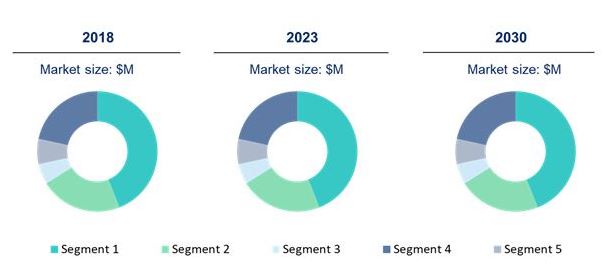
The study includes a forecast for the barcode plastic card market in United States by type, material, and application.
Barcode Plastic Card Market in United States by Type [Analysis by Value from 2019 to 2031]:
• Magnetic Stripe Card
• Smart Card
• Memory Card
Barcode Plastic Card Market in United States by Material [Analysis by Value from 2019 to 2031]:
• PVC
• PET
• ABS
Barcode Plastic Card Market in United States by Application [Analysis by Value from 2019 to 2031]:
• Retail
• Transportation
• Banking & Financial Services
• Government
Features of the Barcode Plastic Card Market in United States
Market Size Estimates: Barcode plastic card in United States market size estimation in terms of value ($B).
Trend and Forecast Analysis: Market trends and forecasts by various segments.
Segmentation Analysis: Barcode plastic card in United States market size by type, material, and application in terms of value ($B).
Growth Opportunities: Analysis of growth opportunities in different type, material, and application for the barcode plastic card in United States.
Strategic Analysis: This includes M&A, new product development, and competitive landscape of the barcode plastic card in United States.
Analysis of competitive intensity of the industry based on Porter’s Five Forces model.
If you are looking to expand your business in this or adjacent markets, then contact us. We have done hundreds of strategic consulting projects in market entry, opportunity screening, due diligence, supply chain analysis, M & A, and more.
FAQ
Q.1 What are the major drivers influencing the growth of the barcode plastic card market in United States?
Answer: The major drivers for this market are increasing demand for plastic cards in various industries, such as retail, banking, and healthcare and growing adoption of barcode technology for tracking and tracing products and assets.
Q2. What are the major segments for barcode plastic card market in United States?
Answer: The future of the barcode plastic card market in United States looks promising with opportunities in the PVC, PET, ABS markets.
Q3. Which barcode plastic card market segment in United States will be the largest in future?
Answer: Lucintel forecasts that smart card is expected to witness highest growth over the forecast period due to more secure and versatile and used as payment cards, access control cards, and others.
Q4. Do we receive customization in this report?
Answer: Yes, Lucintel provides 10% customization without any additional cost.
This report answers following 10 key questions:
Q.1. What are some of the most promising, high-growth opportunities for the barcode plastic card market in United States by type (magnetic stripe card, smart card, and memory card), material (PVC, PET, and ABS), and application (retail, transportation, banking & financial services, and government)?
Q.2. Which segments will grow at a faster pace and why?
Q.3. What are the key factors affecting market dynamics? What are the key challenges and business risks in this market?
Q.4. What are the business risks and competitive threats in this market?
Q.5. What are the emerging trends in this market and the reasons behind them?
Q.6. What are some of the changing demands of customers in the market?
Q.7. What are the new developments in the market? Which companies are leading these developments?
Q.8. Who are the major players in this market? What strategic initiatives are key players pursuing for business growth?
Q.9. What are some of the competing products in this market and how big of a threat do they pose for loss of market share by material or product substitution?
Q.10. What M&A activity has occurred in the last 5 years and what has its impact been on the industry?
For any questions related to Barcode Plastic Card Market in United States, Barcode Plastic Card Market in United States Size, Barcode Plastic Card Market in United States Growth, Barcode Plastic Card Market in United States Analysis, Barcode Plastic Card Market in United States Report, Barcode Plastic Card Market in United States Share, Barcode Plastic Card Market in United States Trends, Barcode Plastic Card Market in United States Forecast, Barcode Plastic Card Companies, write Lucintel analyst at email: helpdesk@lucintel.com. We will be glad to get back to you soon.