Barcode Plastic Card in Spain Trends and Forecast
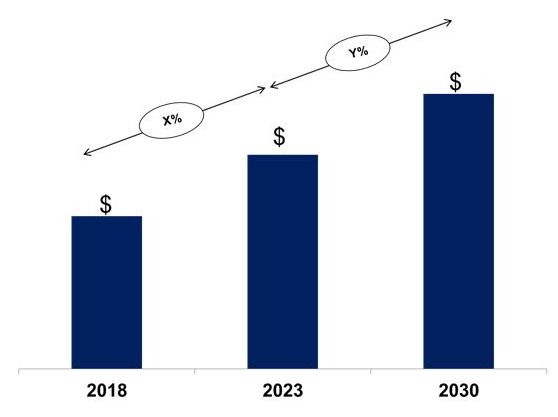
The future of the barcode plastic card market in Spain looks promising with opportunities in the PVC, PET, and ABS markets. The global barcode plastic card market is expected to reach an estimated $2.3 billion by 2031 with a CAGR of 7.0% from 2025 to 2031. The barcode plastic card market in Spain is also forecasted to witness strong growth over the forecast period. The major drivers for this market are the increasing demand for plastic cards across various industries, such as retail, banking, and healthcare, along with the growing adoption of barcode technology for tracking and tracing products and assets.
• Lucintel forecasts that, within the type category, smart cards are expected to witness the highest growth over the forecast period due to their enhanced security, versatility, and use in applications such as payment cards, access control cards, and others.
• Within the material category, PVC will remain the largest segment due to its versatility and durability, making it well-suited for a wide range of applications, including barcode plastic cards.
Emerging Trends in the Barcode Plastic Card Market in Spain
The barcode plastic card market in Spain is growing rapidly and innovating. As technology evolves and consumer expectations increase, businesses are enhancing their offerings by introducing new features and functionalities in barcode plastic cards. These trends reflect the global shift towards digital transformation, security, and sustainability. The following trends indicate the most important areas where the Spanish market is growing, from enhanced card features to more efficient and sustainable production methods that are reshaping the industry.
• Contactless Payments Integration: The increasing need for contactless payment methods has been driving the barcode plastic card market in Spain. Contactless technology is quicker and provides an improved customer experience due to the lack of physical interaction. This is especially crucial in industries like retail and transportation, where speed and convenience are considered most important.
• Mobile Integration and Digital Wallets: Barcode plastic cards are increasingly integrated with mobile payment systems and digital wallets. This allows consumers to manage their cards digitally, making payments more flexible and accessible. Integration with mobile apps enhances the value of physical cards by offering features like loyalty program management and secure mobile transactions.
• Sustainability and Eco-Friendly Materials: The use of eco-friendly and recyclable materials in the production of barcode plastic cards has increased. With growing environmental awareness, businesses in Spain seek sustainability by reducing carbon footprints through this environmentally friendly approach. The use of biodegradable plastics and other sustainable alternatives is changing the face of industries and methods of producing these products.
• Advanced Security Features: As the use of barcode plastic cards grows, especially in highly sensitive applications such as financial transactions, their security features need to evolve. Businesses are incorporating technologies like encryption, biometric authentication, and multi-factor authentication into cards to reduce fraud and build consumer trust in digital transactions.
• Customization and Personalization: Custom-designed barcode plastic cards are increasingly being used in Spain. Companies are offering personalized cards for loyalty programs, memberships, and other services, enabling businesses to create stronger connections with customers. Customization also helps enhance brand identity and adds value to consumer interactions.
The emerging trends in Spain’s barcode plastic card market are reshaping how businesses approach customer engagement, security, and sustainability. These trends highlight the importance of adapting to technological advancements, embracing eco-friendly materials, and offering personalized experiences to meet consumer demands.
Recent Developments in the Barcode Plastic Card Market in Spain
In recent years, developments in the barcode plastic card market in Spain have been impressive, driven by advancements in technology, regulatory changes, and shifting consumer preferences. These changes show an increase in demand for effective, secure, and sustainable solutions across various sectors. Organizations are responding by incorporating enhanced features and developing more flexible uses for barcode plastic cards.
• Rise of Digital and Contactless Payments: Digital payments are spreading rapidly throughout Spain. Barcode plastic cards have become integral to this transformation. Contactless cards are fast becoming popular tools for easy, secure transactions; these cards have been widely adopted in retail and transportation. Digital payments have simplified and made transactions much easier.
• Increased Use of Biometric Authentication: Security concerns are rising, prompting businesses to adopt biometric authentication in barcode plastic cards. This adds layers of security for identity verification and access, particularly in the financial and healthcare sectors, where fraud prevention and unauthorized access are critical.
• Application of Sustainable Principles: Encouragement for sustainability has led to the use of environmentally friendly raw materials in barcode plastic card manufacturing. Today, Spanish enterprises are adopting the use of recycled, biodegradable, and bio-plastics that have less impact on the environment and appeal to environmentally conscious consumers.
• Expansion of Loyalty and Membership Programs: Barcode plastic cards are extensively used in Spain for loyalty and membership programs, where businesses can offer personalized rewards and incentives. This development helps strengthen customer connections with brands, thereby increasing loyalty and retention rates.
• Integration with Smart Technology: Smart technologies, including RFID and NFC, are increasingly integrated into barcode plastic cards. This allows for more versatile applications, such as access control, public transportation, and inventory management, improving efficiency and providing additional benefits for both businesses and consumers.
Recent developments in the barcode plastic card market in Spain have focused on security, digital integration, and sustainability. These developments are based on demand for faster, safer, and more environmentally friendly solutions, shaping the future of the market and offering new opportunities for businesses to engage consumers.
Strategic Growth Opportunities for Barcode Plastic Card Market in Spain
The barcode plastic card market in Spain presents various growth opportunities across key applications, driven by technological advancements and shifting consumer preferences. As businesses look for ways to improve customer engagement, enhance security, and adopt sustainable practices, these growth opportunities offer valuable potential for expansion and innovation.
• Loyalty Programs and Customer Engagement: Barcode plastic cards are widely used in Spain for loyalty programs, offering businesses strategic growth opportunities. Businesses can strengthen customer relationships and drive repeat purchases through loyalty programs, increasing customer lifetime value through personalized rewards.
• Public Transportation Systems: With Spain’s well-developed public transportation network, barcode plastic cards are an efficient tool for fare collection and access control. This market has growth potential as cities adopt more advanced card technologies, such as RFID and NFC, to improve efficiency and streamline operations.
• Financial Services and Digital Payments: There is a steady migration towards digital payments in Spain, offering significant growth opportunities for barcode plastic cards. Businesses will be able to offer secure, convenient, and contactless payments to consumers with the integration of barcode plastic cards and mobile wallets/digital payment platforms.
• Health and Identity Management: Barcoded plastic cards are also being increasingly used in Spain for healthcare applications, such as patient identification and management of medical records. This segment is a potential growth driver due to the current demand for efficient, secure, and portable identification solutions.
• Access Control and Security: The use of barcodes in plastic cards is mainly for access control in businesses and institutions. As the demand for secure entry systems increases, Spanish businesses can take advantage of this by providing advanced security features, such as biometrics and encrypted barcodes, to improve card functionality.
The strategic growth opportunities in the barcode plastic card market in Spain are primarily technology-driven, fueled by the demand for more secure, convenient, and sustainable solutions. Business operations can tap into these opportunities to meet consumer needs, improve operational efficiency, and foster stronger customer relationships.
Barcode Plastic Card Market in Spain Driver and Challenges
The technological, economic, and regulatory drivers and challenges that shape the barcode plastic card market in Spain are diverse. As the market continues to evolve, businesses must navigate these factors to capitalize on emerging opportunities while addressing potential obstacles. Understanding these drivers and challenges is crucial for businesses looking to succeed in the competitive landscape.
The factors responsible for driving the barcode plastic card market in Spain include:
• Technological Advancements: The rapid development of technologies such as RFID, NFC, and contactless payments is a major driver in the barcode plastic card market. These technologies enhance transaction speed, security, and convenience, driving consumer adoption and expanding the range of applications for barcode plastic cards.
• Growing Demand for Digital Payments: The rise in digital payments has boosted demand for barcode plastic cards in Spain. With more people opting for cashless transactions, companies are increasingly adopting barcode plastic cards for secure and efficient payment processing, contributing to market growth.
• Security: With the increased threat of fraud and data breaches, the demand for secure barcode plastic cards has risen. Features like encryption, biometrics, and multi-factor authentication are driving innovation and ensuring greater consumer confidence in the security of barcode plastic cards.
• Sustainability Trends: With growing environmental sustainability concerns, the use of eco-friendly materials in the production of barcode plastic cards is becoming increasingly popular. Spanish businesses are shifting towards recyclable, biodegradable, and plant-based plastics to cater to consumer demand for sustainable products and reduce environmental impact.
• Consumer Preference for Personalization: Consumers in Spain are seeking customized experiences, increasing demand for individualized barcode plastic cards. Businesses that offer custom cards for loyalty programs, memberships, and other services can engage consumers and increase brand loyalty.
Challenges in the barcode plastic card market in Spain are:
• Security and Fraud Prevention: Despite advances in security features, barcode plastic cards remain vulnerable to fraud and data breaches. Businesses must continuously invest in improving security protocols and systems to protect sensitive information and prevent unauthorized access.
• Environmental Impact of Plastic Waste: The widespread use of plastic cards presents environmental issues. Despite a focus on sustainable materials, the production and disposal of plastic cards generate waste, leading to potential future regulatory and reputational challenges.
• High Production and Technology Integration Costs: The cost of integrating advanced technologies like RFID, NFC, and biometric authentication into barcode plastic cards is high. This may make it difficult for smaller businesses to implement such technologies due to the initial investment required, limiting widespread adoption.
The drivers and challenges in the barcode plastic card market in Spain highlight the need for businesses to stay ahead of technological trends, address security concerns, and embrace sustainability. While these factors offer growth opportunities, overcoming challenges related to fraud prevention, environmental impact, and integration costs is crucial for long-term success.
List of Barcode Plastic Card Market in Spain Companies
Companies in the market compete on the basis of product quality offered. Major players in this market focus on expanding their manufacturing facilities, R&D investments, infrastructural development, and leverage integration opportunities across the value chain. Through these strategies, barcode plastic card companies cater to increasing demand, ensure competitive effectiveness, develop innovative products & technologies, reduce production costs, and expand their customer base. Some of the barcode plastic card companies profiled in this report include:
• Company 1
• Company 2
• Company 3
• Company 4
• Company 5
Barcode Plastic Card Market in Spain by Segment
The study includes a forecast for the barcode plastic card market in Spain by type, material, and application.
Barcode Plastic Card Market in Spain by Type [Analysis by Value from 2019 to 2031]:
• Magnetic Stripe Card
• Smart Card
• Memory Card
Barcode Plastic Card Market in Spain by Material [Analysis by Value from 2019 to 2031]:
• PVC
• PET
• ABS
Barcode Plastic Card Market in Spain by Application [Analysis by Value from 2019 to 2031]:
• Retail
• Transportation
• Banking & Financial Services
• Government
Features of the Barcode Plastic Card Market in Spain
Market Size Estimates: Barcode plastic card in Spain market size estimation in terms of value ($B).
Trend and Forecast Analysis: Market trends and forecasts by various segments.
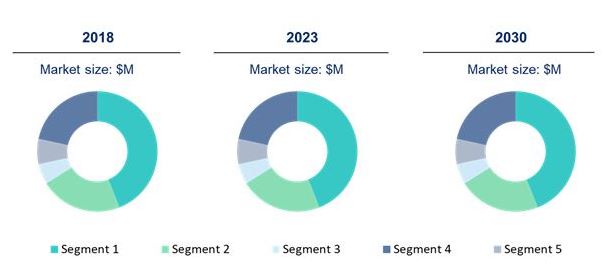
Segmentation Analysis: Barcode plastic card in Spain market size by type, material, and application in terms of value ($B).
Growth Opportunities: Analysis of growth opportunities in different type, material, and application for the barcode plastic card in Spain.
Strategic Analysis: This includes M&A, new product development, and competitive landscape of the barcode plastic card in Spain.
Analysis of competitive intensity of the industry based on Porter’s Five Forces model.
If you are looking to expand your business in this or adjacent markets, then contact us. We have done hundreds of strategic consulting projects in market entry, opportunity screening, due diligence, supply chain analysis, M & A, and more.
FAQ
Q.1 What are the major drivers influencing the growth of the barcode plastic card market in Spain?
Answer: The major drivers for this market are increasing demand for plastic cards in various industries, such as retail, banking, and healthcare and growing adoption of barcode technology for tracking and tracing products and assets.
Q2. What are the major segments for barcode plastic card market in Spain?
Answer: The future of the barcode plastic card market in Spain looks promising with opportunities in the PVC, PET, ABS markets.
Q3. Which barcode plastic card market segment in Spain will be the largest in future?
Answer: Lucintel forecasts that smart card is expected to witness highest growth over the forecast period due to more secure and versatile and used as payment cards, access control cards, and others.
Q4. Do we receive customization in this report?
Answer: Yes, Lucintel provides 10% customization without any additional cost.
This report answers following 10 key questions:
Q.1. What are some of the most promising, high-growth opportunities for the barcode plastic card market in Spain by type (magnetic stripe card, smart card, and memory card), material (PVC, PET, and ABS), and application (retail, transportation, banking & financial services, and government)?
Q.2. Which segments will grow at a faster pace and why?
Q.3. What are the key factors affecting market dynamics? What are the key challenges and business risks in this market?
Q.4. What are the business risks and competitive threats in this market?
Q.5. What are the emerging trends in this market and the reasons behind them?
Q.6. What are some of the changing demands of customers in the market?
Q.7. What are the new developments in the market? Which companies are leading these developments?
Q.8. Who are the major players in this market? What strategic initiatives are key players pursuing for business growth?
Q.9. What are some of the competing products in this market and how big of a threat do they pose for loss of market share by material or product substitution?
Q.10. What M&A activity has occurred in the last 5 years and what has its impact been on the industry?
For any questions related to Barcode Plastic Card Market in Spain, Barcode Plastic Card Market in Spain Size, Barcode Plastic Card Market in Spain Growth, Barcode Plastic Card Market in Spain Analysis, Barcode Plastic Card Market in Spain Report, Barcode Plastic Card Market in Spain Share, Barcode Plastic Card Market in Spain Trends, Barcode Plastic Card Market in Spain Forecast, Barcode Plastic Card Companies, write Lucintel analyst at email: helpdesk@lucintel.com. We will be glad to get back to you soon.