Close Lucintel Chat
Didn't Find What You're Looking for?
Call us at +1972 636 5056 or write at helpdesk@Lucintel.com
Ask an Expert Provide Custom Requirements Download Sample Report Search Available Reports
  • helpdesk@Lucintel.com
  • |
  • Call Lucintel +1 972 636 5056
  • |
  • Login
  • |
  • Register
  • |
  • Search
  • |
'
...

The Impact of COVID-19 is included in Barcode Plastic Card Market in Malaysia. Buy it today to get an advantage.

Request the impact of COVID-19 on your product or industry


Barcode Plastic Card in Malaysia Trends and Forecast

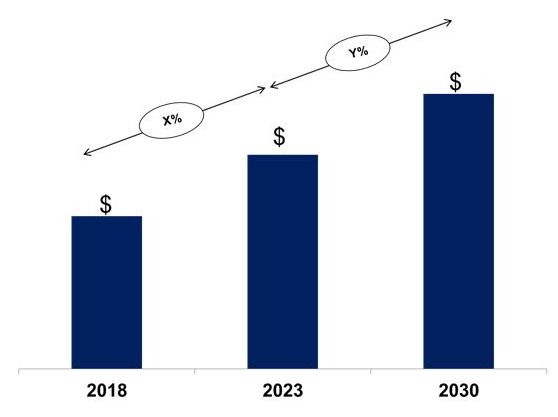
The future of the barcode plastic card market in Malaysia looks promising with opportunities in the PVC, PET, and ABS markets. The global barcode plastic card market is expected to reach an estimated $2.3 billion by 2031 with a CAGR of 7.0% from 2025 to 2031. The barcode plastic card market in Malaysia is also forecasted to witness strong growth over the forecast period. The major drivers for this market are the increasing demand for plastic cards across various industries, such as retail, banking, and healthcare, along with the growing adoption of barcode technology for tracking and tracing products and assets.

• Lucintel forecasts that, within the type category, smart cards are expected to witness the highest growth over the forecast period due to their enhanced security, versatility, and use in applications such as payment cards, access control cards, and others.
• Within the material category, PVC will remain the largest segment due to its versatility and durability, making it well-suited for a wide range of applications, including barcode plastic cards.

Barcode Plastic Card Market in Malaysia Trends and Forecast

Emerging Trends in the Barcode Plastic Card Market in Malaysia

The barcode plastic card market in Malaysia is experiencing rapid growth as businesses increasingly adopt advanced technologies and pursue solutions for enhanced security, convenience, and efficiency. Driven by evolving consumer preferences, smart city initiatives, and advancements in digital solutions, the market is seeing a shift towards more personalized and sustainable card applications. Barcode plastic cards are playing a vital role in various sectors, including retail, healthcare, transportation, and access control. Below are five key trends emerging in the barcode plastic card market in Malaysia.

• Smart Technologies Integration: The integration of smart technologies, such as RFID and NFC, in barcode plastic cards allows for contactless payment, access control, and real-time tracking. This trend enhances customer experience and operational efficiency in retail, transportation, and loyalty programs.
• Sustainability and Eco-friendly Solutions: With increasing environmental awareness, there is a growing demand for eco-friendly barcode plastic cards made from recyclable and biodegradable materials. This trend aligns with global sustainability goals, and businesses in Malaysia are adopting greener alternatives to reduce their environmental impact.
• Personalized Barcode Plastic Cards: The demand for personalized barcode plastic cards is growing, particularly in loyalty programs, membership cards, and customer identification. Personalization allows businesses to strengthen customer relationships and enhance brand loyalty by offering customized benefits and rewards.
• Growth in Healthcare and Patient Identification: Barcode plastic cards are increasingly being used for patient identification and medical record management in Malaysia healthcare industry. This trend improves patient safety and operational efficiency by ensuring accurate tracking of medical information and prescriptions.
• Expansion in Public Transportation and Ticketing Systems: Barcode plastic cards are being widely adopted for public transportation and ticketing systems across Malaysia. The integration of barcode technology into transport cards streamlines payment processes, enhances security, and provides a more convenient and efficient way for commuters to access services.

These emerging trends are reshaping the barcode plastic card market in Malaysia by integrating smart technologies, improving sustainability, enhancing customer experiences, and driving growth in sectors such as healthcare and transportation.

Recent Developments in the Barcode Plastic Card Market in Malaysia

The barcode plastic card market in Malaysia has seen several developments in recent years as businesses and industries adapt to new technologies and changing consumer demands. These developments are transforming the way businesses operate, offer services, and engage with customers. Below are five key recent developments in the barcode plastic card market in Malaysia.

• Introduction of Contactless Payments: The adoption of contactless payment methods through barcode plastic cards is on the rise, particularly in retail and transportation sectors. This development improves transaction speed and convenience, enhancing the overall customer experience.
• Digital Integration and Smart Features: Barcode plastic cards are increasingly being integrated with digital platforms and features such as NFC technology, allowing users to link their cards to mobile apps for better tracking, management, and customization of services.
• Increased Focus on Security Features: As security concerns grow, barcode plastic cards in Malaysia are incorporating advanced security features, including encryption, anti-counterfeiting technology, and biometric identification, ensuring secure transactions and access control in industries like banking and healthcare.
• Expansion of Loyalty Programs: Many businesses in Malaysia are using barcode plastic cards for loyalty programs, offering customers rewards, discounts, and exclusive services. This development is helping businesses strengthen customer relationships and improve brand loyalty.
• Sustainability Initiatives: Barcode plastic cards are becoming more environmentally friendly, with businesses moving towards the use of recyclable materials. This shift is being driven by consumer demand for more sustainable products and Malaysia’s growing commitment to environmental conservation.

These developments show how the barcode plastic card market in Malaysia is developing over time, influenced by the evolution of technology, security needs, and sustainable aspects, resulting in better services, stronger customer involvement, and greater growth in the market.

Strategic Growth Opportunities for Barcode Plastic Card Market in Malaysia

The barcode plastic card market in Malaysia is poised for significant growth due to a range of strategic opportunities across key applications. As industries seek more efficient, secure, and customer-centric solutions, barcode plastic cards are being adopted in various sectors. Below are five key growth opportunities by application.

• Retail and Loyalty Programs: Barcode plastic cards are being widely used in retail and loyalty programs to offer customers personalized benefits and rewards. This creates opportunities for businesses to enhance customer retention and increase sales by offering more tailored and engaging experiences.
• Healthcare and Patient Management: The healthcare sector presents a growth opportunity for barcode plastic cards, particularly in patient identification and medical record management. This helps improve patient safety, reduce medical errors, and streamline administrative processes, driving efficiency in healthcare operations.
• Public Transportation and Ticketing: The adoption of barcode plastic cards in public transportation systems is a key growth area. These cards simplify ticketing, provide seamless access to transportation services, and help improve operational efficiency by reducing fraud and enhancing security.
• Access Control and Security Systems: Barcode plastic cards are increasingly being used in access control systems for businesses, government offices, and educational institutions. This trend provides a secure and convenient solution for managing access to restricted areas, improving overall security measures.
• Membership and Corporate Applications: Barcode plastic cards are gaining popularity in membership programs, corporate identification, and employee access systems. These cards enable businesses to manage memberships, employee benefits, and internal processes more efficiently, creating growth opportunities in various industries.

These growth opportunities highlight how barcode plastic cards are becoming integral to a wide range of applications across Malaysia. From retail and healthcare to public transportation and security, these applications are driving market expansion and creating new possibilities for businesses and consumers.

Barcode Plastic Card Market in Malaysia Driver and Challenges

The barcode plastic card market in Malaysia is influenced by several key drivers and challenges, including technological advancements, consumer preferences, and regulatory factors. These forces have a significant impact on market trends, growth potential, and strategic decisions within the industry. Below are the key drivers and challenges affecting the barcode plastic card market in Malaysia.

The factors responsible for driving the barcode plastic card market in Malaysia include:
• Technological Advancements: Advancements in barcode, RFID, and NFC technologies are driving the adoption of barcode plastic cards. These technologies enable contactless payments, better security features, and real-time tracking of data for enhanced customer experience and operational efficiency.
• Increased Demand for Contactless Solutions: The growing demand for contactless payment solutions in Malaysia is boosting the adoption of barcode plastic cards. This trend is particularly prevalent in retail, transportation, and financial services, where speed and convenience are essential to customer satisfaction.
• Security and Data Protection: As cybersecurity concerns rise, the barcode plastic card market benefits from the integration of advanced security features, such as encryption and biometric authentication. These features enhance trust and security in sectors like banking, healthcare, and retail.
• Sustainability Trends: Increasing focus on environmental sustainability is pushing businesses to opt for eco-friendly barcode plastic cards made from recyclable materials. This trend caters to consumer preferences and global environmental initiatives, enabling companies to achieve sustainability goals.
• Urbanization and Smart City Initiatives: Malaysia’s rapid urbanization and the development of smart city initiatives are creating demand for barcode plastic cards in public services, transportation, and access control systems. These solutions offer efficiency, security, and scalability for urban environments.

Challenges in the barcode plastic card market in Malaysia are:
• High Cost of Advanced Technologies: The cost of implementing advanced technologies such as RFID and NFC in barcode plastic cards can be prohibitive for small businesses. This may limit the adoption of more sophisticated solutions, especially in price-sensitive markets.
• Regulatory Compliance: Strict regulations in sectors like healthcare, finance, and government require barcode plastic cards to comply with data privacy and security standards. Meeting these requirements can be resource-intensive and may hinder innovation and adoption.
• Environmental Impact of Plastic: Despite growing sustainability initiatives, the environmental impact of plastic remains a challenge. Businesses must find ways to address the environmental footprint of plastic barcode cards and seek more sustainable alternatives to meet consumer demands.

The barcode plastic card market in Malaysia is driven by technological innovations, growing demand for contactless solutions, and sustainability trends. However, challenges related to cost, regulatory compliance, and environmental impact require ongoing attention to ensure continued market growth and development.

List of Barcode Plastic Card Market in Malaysia Companies

Companies in the market compete on the basis of product quality offered. Major players in this market focus on expanding their manufacturing facilities, R&D investments, infrastructural development, and leverage integration opportunities across the value chain. Through these strategies, barcode plastic card companies cater to increasing demand, ensure competitive effectiveness, develop innovative products & technologies, reduce production costs, and expand their customer base. Some of the barcode plastic card companies profiled in this report include:
• Company 1
• Company 2
• Company 3
• Company 4
• Company 5


Barcode Plastic Card Market in Malaysia by Segment

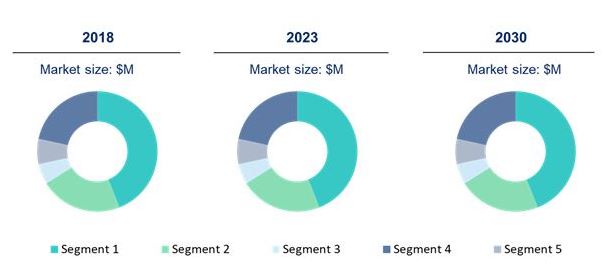
The study includes a forecast for the barcode plastic card market in Malaysia by type, material, and application.

Barcode Plastic Card Market in Malaysia by Type [Analysis by Value from 2019 to 2031]:


• Magnetic Stripe Card
• Smart Card
• Memory Card

Barcode Plastic Card Market in Malaysia by Material [Analysis by Value from 2019 to 2031]:


• PVC
• PET
• ABS

Barcode Plastic Card Market in Malaysia by Application [Analysis by Value from 2019 to 2031]:


• Retail
• Transportation
• Banking & Financial Services
• Government

Lucintel Analytics Dashboard

Features of the Barcode Plastic Card Market in Malaysia

Market Size Estimates: Barcode plastic card in Malaysia market size estimation in terms of value ($B).
Trend and Forecast Analysis: Market trends and forecasts by various segments.
Segmentation Analysis: Barcode plastic card in Malaysia market size by type, material, and application in terms of value ($B).
Growth Opportunities: Analysis of growth opportunities in different type, material, and application for the barcode plastic card in Malaysia.
Strategic Analysis: This includes M&A, new product development, and competitive landscape of the barcode plastic card in Malaysia.
Analysis of competitive intensity of the industry based on Porter’s Five Forces model.

If you are looking to expand your business in this or adjacent markets, then contact us. We have done hundreds of strategic consulting projects in market entry, opportunity screening, due diligence, supply chain analysis, M & A, and more.
Lucintel Consulting Services

FAQ

Q.1 What are the major drivers influencing the growth of the barcode plastic card market in Malaysia?
Answer: The major drivers for this market are increasing demand for plastic cards in various industries, such as retail, banking, and healthcare and growing adoption of barcode technology for tracking and tracing products and assets.
Q2. What are the major segments for barcode plastic card market in Malaysia?
Answer: The future of the barcode plastic card market in Malaysia looks promising with opportunities in the PVC, PET, ABS markets.
Q3. Which barcode plastic card market segment in Malaysia will be the largest in future?
Answer: Lucintel forecasts that smart card is expected to witness highest growth over the forecast period due to more secure and versatile and used as payment cards, access control cards, and others.
Q4. Do we receive customization in this report?
Answer: Yes, Lucintel provides 10% customization without any additional cost.

This report answers following 10 key questions:

Q.1. What are some of the most promising, high-growth opportunities for the barcode plastic card market in Malaysia by type (magnetic stripe card, smart card, and memory card), material (PVC, PET, and ABS), and application (retail, transportation, banking & financial services, and government)?
Q.2. Which segments will grow at a faster pace and why?
Q.3. What are the key factors affecting market dynamics? What are the key challenges and business risks in this market?
Q.4. What are the business risks and competitive threats in this market?
Q.5. What are the emerging trends in this market and the reasons behind them?
Q.6. What are some of the changing demands of customers in the market?
Q.7. What are the new developments in the market? Which companies are leading these developments?
Q.8. Who are the major players in this market? What strategic initiatives are key players pursuing for business growth?
Q.9. What are some of the competing products in this market and how big of a threat do they pose for loss of market share by material or product substitution?
Q.10. What M&A activity has occurred in the last 5 years and what has its impact been on the industry?
For any questions related to Barcode Plastic Card Market in Malaysia, Barcode Plastic Card Market in Malaysia Size, Barcode Plastic Card Market in Malaysia Growth, Barcode Plastic Card Market in Malaysia Analysis, Barcode Plastic Card Market in Malaysia Report, Barcode Plastic Card Market in Malaysia Share, Barcode Plastic Card Market in Malaysia Trends, Barcode Plastic Card Market in Malaysia Forecast, Barcode Plastic Card Companies, write Lucintel analyst at email: helpdesk@lucintel.com. We will be glad to get back to you soon.

                                                            Table of Contents

            1. Executive Summary

            2. Barcode Plastic Card Market in Malaysia: Market Dynamics
                        2.1: Introduction, Background, and Classifications
                        2.2: Supply Chain
                        2.3: Industry Drivers and Challenges

            3. Market Trends and Forecast Analysis from 2019 to 2031
                        3.1. Macroeconomic Trends (2019-2024) and Forecast (2025-2031)
                        3.2. Barcode Plastic Card Market in Malaysia Trends (2019-2024) and Forecast (2025-2031)
                        3.3: Barcode Plastic Card Market in Malaysia by Type
                                    3.3.1: Magnetic Stripe Card
                                    3.3.2: Smart Card
                                    3.3.3: Memory Card
                        3.4: Barcode Plastic Card Market in Malaysia by Material
                                    3.4.1: PVC
                                    3.4.2: PET
                                    3.4.3: ABS
                        3.5: Barcode Plastic Card Market in Malaysia by Application
                                    3.5.1: Retail
                                    3.5.2: Transportation
                                    3.5.3: Banking & Financial Services
                                    3.5.4: Government

            4. Competitor Analysis
                        4.1: Product Portfolio Analysis
                        4.2: Operational Integration
                        4.3: Porter’s Five Forces Analysis

            5. Growth Opportunities and Strategic Analysis
                        5.1: Growth Opportunity Analysis
                                    5.1.1: Growth Opportunities for the Barcode Plastic Card Market in Malaysia by Type
                                    5.1.2: Growth Opportunities for the Barcode Plastic Card Market in Malaysia by Material
                                    5.1.3: Growth Opportunities for the Barcode Plastic Card Market in Malaysia by Application
                        5.2: Emerging Trends in the Barcode Plastic Card Market
                        5.3: Strategic Analysis
                                    5.3.1: New Product Development
                                    5.3.2: Capacity Expansion of the Barcode Plastic Card Market in Malaysia
                                    5.3.3: Mergers, Acquisitions, and Joint Ventures in the Barcode Plastic Card Market in Malaysia
                                    5.3.4: Certification and Licensing

            6. Company Profiles of Leading Players
                        6.1: Company 1
                        6.2: Company 2
                        6.3: Company 3
                        6.4: Company 4
                        6.5: Company 5
.

Buy full report or by chapter as follows

Limited Time Offer

Price by License Type:
[-] Hide Chapter Details
[Chapter Number] [Chapter Name] [Chapter Number Of Pages] [Chapter Price]
Title/Chapter Name Pages Price
Full Report: Barcode Plastic Card Market in Malaysia Full Report $ 2,990
150 - page report
Lucintel has been in the business of market research and management consulting since 2000 and has published over 1000 market intelligence reports in various markets / applications and served over 1,000 clients worldwide. This study is a culmination of four months of full-time effort performed by Lucintel's analyst team. The analysts used the following sources for the creation and completion of this valuable report:
  • In-depth interviews of the major players in this market
  • Detailed secondary research from competitors’ financial statements and published data 
  • Extensive searches of published works, market, and database information pertaining to industry news, company press releases, and customer intentions
  • A compilation of the experiences, judgments, and insights of Lucintel’s professionals, who have analyzed and tracked this market over the years.
Extensive research and interviews are conducted across the supply chain of this market to estimate market share, market size, trends, drivers, challenges, and forecasts. Below is a brief summary of the primary interviews that were conducted by job function for this report.
 
Thus, Lucintel compiles vast amounts of data from numerous sources, validates the integrity of that data, and performs a comprehensive analysis. Lucintel then organizes the data, its findings, and insights into a concise report designed to support the strategic decision-making process. The figure below is a graphical representation of Lucintel’s research process. 
 

Please sign in below to get report brochure - Barcode Plastic Card Market in Malaysia .

At Lucintel, we respect your privacy and maintain the confidentiality of information / data provided by you
(Please enter your corporate email. * These fields are mandatory )

Follow us on