
Report Feature
Anti-acne Cosmetic Market Trends and Forecast
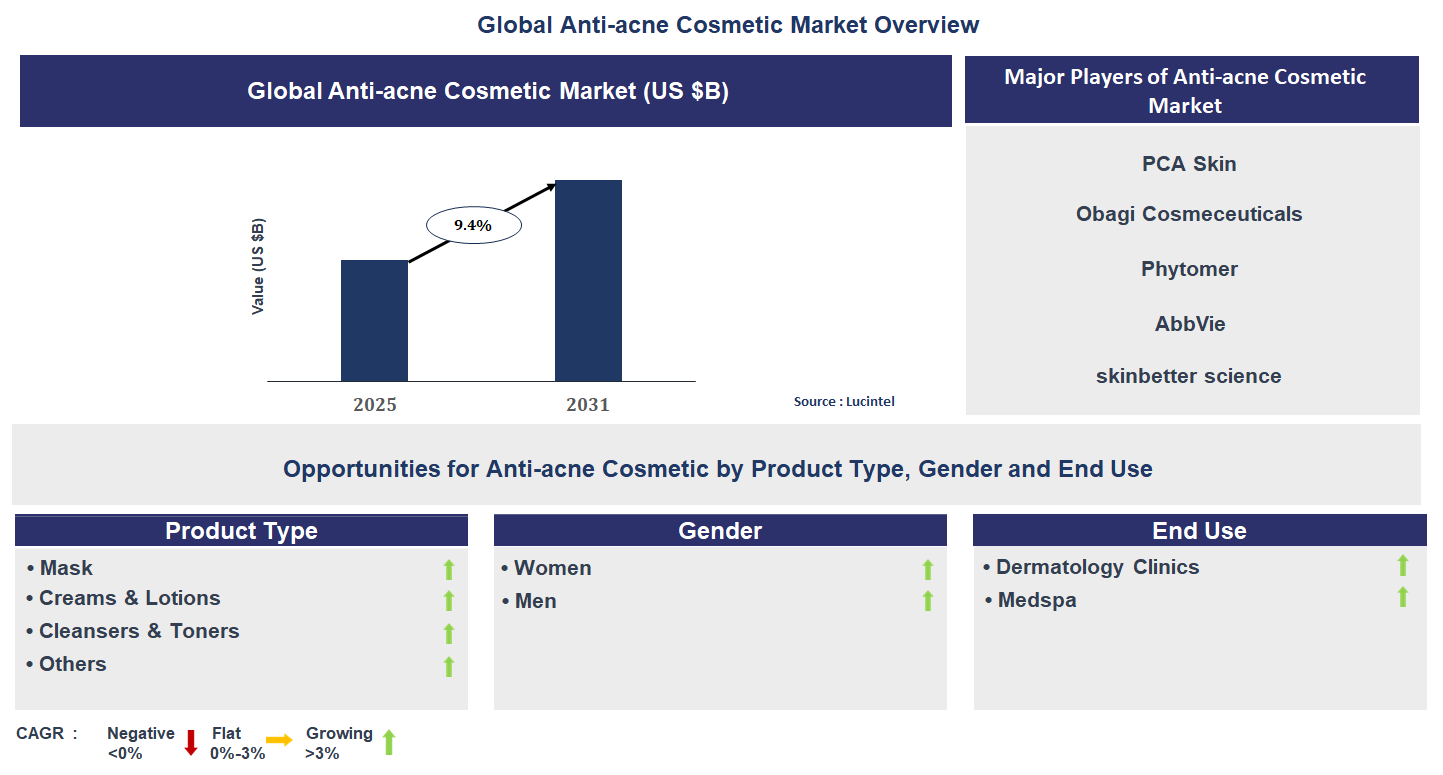
The future of the global anti-acne cosmetic market looks promising with opportunities in the dermatology clinic and medspa markets. The global anti-acne cosmetic market is expected to grow with a CAGR of 9.4% from 2025 to 2031. The major drivers for this market are the increasing prevalence of skin concerns, the rising awareness of personal grooming, and the growing demand for skincare products.• Lucintel forecasts that, within the product type category, creams & lotion will remain the largest segment over the forecast period.
• Within the end use category, medspa will remain a larger segment.
• In terms of region, North America is expected to witness the highest growth over the forecast period. Gain valuable insights for your business decisions with our comprehensive 150+ page report. Sample figures with some insights are shown below.
Emerging Trends in the Anti-acne Cosmetic Market
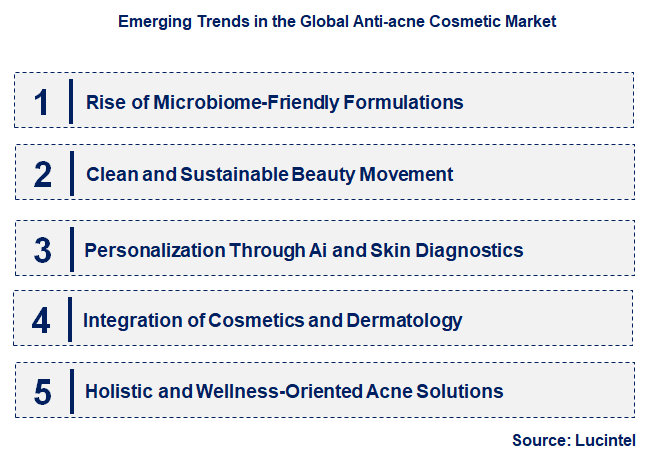
The anti-acne cosmetic market is evolving rapidly due to shifting consumer expectations and advancements in skincare science. Manufacturers are focusing on personalization, sustainability, and ingredient transparency to build trust among increasingly educated consumers. The rise of digital skincare diagnostics, clean-label products, and microbiome-focused formulations is redefining acne treatment approaches. Additionally, brands are merging beauty and wellness by addressing the root causes of acne such as stress and hormonal imbalance.• Rise of Microbiome-Friendly Formulations: Skincare brands are increasingly developing anti-acne products that support a healthy skin microbiome rather than disrupting it. These formulations use prebiotics, probiotics, and postbiotics to balance skin bacteria and reduce inflammation. The shift toward microbiome care reflects the understanding that acne is not only caused by oil and bacteria but also by microbiome imbalance. This trend promotes gentle yet effective solutions, reducing the use of harsh antibiotics and chemical actives.
• Clean and Sustainable Beauty Movement: Consumers are demanding clean, vegan, and eco-friendly anti-acne cosmetics. Companies are replacing parabens, sulfates, and synthetic fragrances with natural alternatives. Sustainable packaging, ethical sourcing, and cruelty-free certifications are gaining prominence. This trend reflects environmental awareness and ethical consumption.
• Personalization through AI and Skin Diagnostics: Artificial intelligence and digital diagnostic tools are enabling customized acne treatment plans. Apps and smart devices analyze skin texture, oil levels, and sensitivity to recommend suitable products. Personalized skincare improves treatment effectiveness and customer satisfaction while enhancing brand loyalty.
• Integration of Cosmetics and Dermatology: The boundary between dermatology and cosmetics is blurring as brands collaborate with medical experts to create science-backed formulations. Cosmeceuticals with clinically proven ingredients are becoming mainstream. Consumers trust dermatologist-endorsed products for safety and results.
• Holistic and Wellness-Oriented Acne Solutions: The market is witnessing a shift toward holistic acne management, combining skincare with dietary and stress-related solutions. Brands are introducing formulations that target hormonal acne and inflammation through adaptogens and botanical actives. This trend highlights the connection between wellness and skin health. The emerging trends in the anti-acne cosmetic market emphasize science, personalization, and sustainability. From microbiome balance to AI-driven skincare, innovation is steering the industry toward customized and ethical solutions. The fusion of dermatology and wellness creates products that not only treat acne but also improve overall skin health. As conscious consumers prioritize transparency and eco-responsibility, brands aligning with these values will gain a strong competitive edge.
Recent Development in the Anti-acne Cosmetic Market
Recent developments in the anti-acne cosmetic market reflect a shift toward natural ingredients, digital integration, and inclusive skincare solutions. Brands are focusing on hybrid formulations that provide both cosmetic appeal and therapeutic benefits. The introduction of AI tools, sustainable packaging, and advanced actives has transformed product innovation. Manufacturers are investing in R&D to improve skin barrier support and minimize irritation. Collaboration between dermatologists and beauty brands ensures credibility and safety.• Launch of Microbiome-Based Products: Leading brands have introduced microbiome-supporting formulations that restore healthy skin flora and reduce acne recurrence. These products use prebiotic and probiotic blends to maintain skin balance, reducing inflammation and breakouts naturally.
• Expansion of Digital Skin Analysis Tools: AI-powered diagnostic tools are helping consumers select personalized anti-acne products. This technology enhances user experience and increases treatment effectiveness.
• Sustainable Packaging Initiatives: Companies are adopting recyclable materials and refillable containers for anti-acne cosmetics to minimize environmental impact. Sustainability is becoming integral to brand reputation.
• Inclusion of Blue Light Protection in Formulas: Modern formulations include antioxidants that protect skin from blue light emitted by screens, which is linked to acne and premature aging.
• Growth in Clinical Skincare Partnerships: Cosmetic and pharmaceutical brands are collaborating to create clinically validated anti-acne ranges, blending cosmetic appeal with therapeutic efficacy. The recent developments in the anti-acne cosmetic market underscore the integration of technology, sustainability, and dermatological science. The focus on skin health, safety, and environmental responsibility is redefining beauty standards. With growing consumer education, innovation in microbiome care and digital diagnostics continues to enhance credibility and market expansion.
Strategic Growth Opportunities in the Anti-acne Cosmetic Market
The anti-acne cosmetic market is creating new growth opportunities through scientific innovation, demographic expansion, and digital transformation. As skincare becomes an essential part of daily wellness routines, brands are leveraging data-driven insights and cross-disciplinary research to diversify their portfolios. Increasing consumer demand for safe, effective, and natural formulations is unlocking growth across retail, e-commerce, and dermatology-backed segments.• Natural and Botanical-Based Formulations: The rising preference for herbal actives like tea tree oil and neem offers a strong market opportunity for natural anti-acne lines.
• Male Grooming and Acne Solutions: Increasing awareness among men about skincare is driving demand for gender-specific acne cosmetics.
• Teen and Young Adult Segment: Targeting teenagers with affordable and dermatologically safe acne products offers significant potential.
• Clinical and Dermatologist-Recommended Skincare: Collaborations between cosmetic brands and dermatologists are creating credible, high-performance products.
• E-Commerce and Direct-to-Consumer Channels: Digital retail platforms and subscription models are expanding reach and customer loyalty in the acne cosmetics segment. Strategic growth in the anti-acne cosmetic market is centered on personalization, inclusivity, and digital connectivity. By aligning product innovation with demographic needs and sustainability goals, companies can capture long-term brand loyalty and global expansion opportunities.
Anti-acne Cosmetic Market Driver and Challenges
The anti-acne cosmetic market is driven by technological innovation, increasing consumer awareness, and evolving beauty standards. However, challenges such as regulatory complexity and counterfeit products continue to impact growth. The market’s progress depends on balancing innovation with safety and compliance. The factors responsible for driving the anti-acne cosmetic market include: 1. Rising Acne Prevalence: Increasing pollution, stress, and hormonal imbalance are fueling acne rates globally, creating consistent product demand. 2. Technological and Ingredient Innovation: Advanced formulations and delivery systems enhance efficacy and safety. 3. Social Media Awareness: Digital influencers and education campaigns are driving product adoption. 4. Expansion of Dermatologist-Endorsed Brands: Clinical partnerships enhance credibility and trust. 5. Shift Toward Preventive Skincare: Consumers now seek proactive acne management through daily-use products. Challenges in the anti-acne cosmetic market are: 1. Regulatory Hurdles: Different standards across regions delay product approvals and limit expansion. 2. Counterfeit and Low-Quality Products: Fake products undermine consumer trust and brand reputation. 3. Price Sensitivity in Emerging Markets: Affordability remains a constraint for premium anti-acne products. The anti-acne cosmetic market’s growth is driven by science, personalization, and awareness but challenged by regulatory and pricing pressures. Continuous innovation, quality assurance, and ethical marketing are essential for long-term stability.List of Anti-acne Cosmetic Companies
Companies in the market compete on the basis of product quality offered. Major players in this market focus on expanding their manufacturing facilities, R&D investments, infrastructural development, and leverage integration opportunities across the value chain. With these strategies anti-acne cosmetic companies cater increasing demand, ensure competitive effectiveness, develop innovative products & technologies, reduce production costs, and expand their customer base. Some of the anti-acne cosmetic companies profiled in this report include-• PCA Skin
• Obagi Cosmeceuticals
• Phytomer
• AbbVie
• skinbetter science
• Colorescience
• Sente
• JMSR
• Revision Skincare
• Beauty Health
Anti-acne Cosmetic Market by Segment
The study includes a forecast for the global anti-acne cosmetic market by product type, gender, end use, and region.Anti-acne Cosmetic Market by Product Type [Value from 2019 to 2031]:
• Mask
• Creams & Lotions
• Cleansers & Toners
• Others
Anti-acne Cosmetic Market by Gender [Value from 2019 to 2031]:
• Women
• Men
Anti-acne Cosmetic Market by End Use [Value from 2019 to 2031]:
• Dermatology Clinics
• Medspa
Anti-acne Cosmetic Market by Region [Value from 2019 to 2031]:
• North America
• Europe
• Asia Pacific
• The Rest of the World
Country Wise Outlook for the Anti-acne Cosmetic Market
The global anti-acne cosmetic market has witnessed significant innovation driven by changing consumer behavior, technological advancement, and increased awareness of skin health. With acne affecting both teenagers and adults, the demand for gentle yet effective skincare products has grown rapidly. Formulations featuring natural ingredients, microbiome support, and dermatologically tested actives are reshaping the industry. Major markets like the United States, China, Germany, India, and Japan are focusing on sustainability, personalization, and medical-grade skincare solutions.• United States: The United States continues to lead the anti-acne cosmetic market through innovation in clean beauty and dermatologist-formulated skincare. Brands are emphasizing formulations with niacinamide, salicylic acid, and retinoids for effective acne management without irritation. Consumers increasingly prefer fragrance-free, vegan, and non-comedogenic products. Social media awareness and tele-dermatology consultations are boosting product accessibility. The rise of hybrid cosmetics combining treatment and coverage features has gained traction. Additionally, partnerships between dermatologists and cosmetic companies are driving credibility and safety. The U.S. market is setting global benchmarks for efficacy, transparency, and inclusivity in anti-acne skincare solutions.
• China: China’s anti-acne cosmetic market is expanding rapidly, fueled by the growing awareness of skincare routines among young consumers. Domestic brands are introducing products infused with herbal and traditional Chinese medicine extracts like green tea, licorice, and canella asiatica. The integration of biotechnology in acne control formulations is also increasing. Online platforms such as Tmall and Douyin are driving brand visibility and consumer engagement. Stricter regulatory supervision is ensuring product safety and authenticity. The combination of technological innovation and natural formulations is making China one of the most dynamic and fast-evolving anti-acne cosmetic markets in Asia.
• Germany: Germany’s anti-acne cosmetic market emphasizes scientific innovation and dermatological precision. Pharmaceutical skincare brands dominate, with clinically tested formulations focusing on mild yet effective acne prevention. German consumers prefer hypoallergenic and fragrance-free products, aligning with the country’s focus on skin sensitivity and sustainability. Brands are developing eco-friendly packaging and using plant-derived actives supported by dermatological studies. The popularity of hybrid pharmacy-cosmetic brands has grown, strengthening the connection between medical science and skincare. Germany’s strict quality standards and commitment to clean beauty make it a model market for safe, evidence-based anti-acne solutions.
• India: India’s anti-acne cosmetic market is expanding as awareness of skincare increases among urban and younger consumers. Rising pollution, stress, and lifestyle changes have contributed to higher acne prevalence. Domestic and international brands are introducing affordable anti-acne products with ingredients like tea tree oil, neem, and salicylic acid. E-commerce and influencer marketing are major growth channels. Ayurvedic and herbal formulations are gaining global recognition for their safety and natural appeal. Increasing dermatological consultations and medical endorsements are improving consumer confidence, making India one of the fastest-growing markets for anti-acne cosmetics in the Asia-Pacific region.
• Japan: Japan’s anti-acne cosmetic market focuses on minimalism, safety, and innovation. Consumers prefer lightweight, non-irritating products designed for sensitive skin. Japanese companies emphasize gentle cleansing systems, sebum control, and skin microbiome balance. Advancements in nanotechnology are enabling deeper ingredient delivery without damaging the skin barrier. The integration of traditional Japanese botanicals like green tea and rice extract supports the country’s holistic skincare philosophy. With a strong focus on preventive skincare and technology-driven solutions, Japan continues to influence global trends in mild, effective, and sustainable anti-acne product development.

Features of the Global Anti-acne Cosmetic Market
Market Size Estimates: Anti-acne cosmetic market size estimation in terms of value ($B). Trend and Forecast Analysis: Market trends (2019 to 2024) and forecast (2025 to 2031) by various segments and regions. Segmentation Analysis: Anti-acne cosmetic market size by product type, gender, end use, and region in terms of value ($B). Regional Analysis: Anti-acne cosmetic market breakdown by North America, Europe, Asia Pacific, and Rest of the World. Growth Opportunities: Analysis of growth opportunities in different product types, genders, end uses, and regions for the anti-acne cosmetic market. Strategic Analysis: This includes M&A, new product development, and competitive landscape of the anti-acne cosmetic market. Analysis of competitive intensity of the industry based on Porter’s Five Forces model.
FAQ
Q1. What is the growth forecast for anti-acne cosmetic market? Answer: The global anti-acne cosmetic market is expected to grow with a CAGR of 9.4% from 2025 to 2031. Q2. What are the major drivers influencing the growth of the anti-acne cosmetic market? Answer: The major drivers for this market are the increasing prevalence of skin concerns, the rising awareness of personal grooming, and the growing demand for skincare products. Q3. What are the major segments for anti-acne cosmetic market? Answer: The future of the anti-acne cosmetic market looks promising with opportunities in the dermatology clinic and medspa markets. Q4. Who are the key anti-acne cosmetic market companies? Answer: Some of the key anti-acne cosmetic companies are as follows:• PCA Skin
• Obagi Cosmeceuticals
• Phytomer
• AbbVie
• skinbetter science
• Colorescience
• Sente
• JMSR
• Revision Skincare
• Beauty Health Q5. Which anti-acne cosmetic market segment will be the largest in future? Answer: Lucintel forecasts that, within the product type category, creams & lotion will remain the largest segment over the forecast period. Q6. In anti-acne cosmetic market, which region is expected to be the largest in next 5 years? Answer: In terms of region, North America is expected to witness the highest growth over the forecast period. Q7. Do we receive customization in this report? Answer: Yes, Lucintel provides 10% customization without any additional cost.
Table of Contents
List of Figures
List of Tables
Methodology
- In-depth interviews of the major players in this market
- Detailed secondary research from competitors’ financial statements and published data
- Extensive searches of published works, market, and database information pertaining to industry news, company press releases, and customer intentions
- A compilation of the experiences, judgments, and insights of Lucintel’s professionals, who have analyzed and tracked this market over the years.


Buy Now
Choose a license that fits your team. Instant PDF delivery.
Prices exclude taxes. Instant delivery. Custom licensing available on request.
Key Questions
- • What are some of the most promising, high-growth opportunities for the anti-acne cosmetic market by product type (mask, creams & lotions, cleansers & toners, and others), gender (women and men), end use (dermatology clinics and medspa), and region (North America, Europe, Asia Pacific, and the Rest of the World)?
- • Which segments will grow at a faster pace and why?
- • Which region will grow at a faster pace and why?
- • What are the key factors affecting market dynamics? What are the key challenges and business risks in this market?
- • What are the business risks and competitive threats in this market?
- • What are the emerging trends in this market and the reasons behind them?
- • What are some of the changing demands of customers in the market?
- • What are the new developments in the market? Which companies are leading these developments?
- • Who are the major players in this market? What strategic initiatives are key players pursuing for business growth?
- • What are some of the competing products in this market and how big of a threat do they pose for loss of market share by material or product substitution?
- • What M&A activity has occurred in the last 5 years and what has its impact been on the industry? For any questions related to Anti-acne Cosmetic Market, Anti-acne Cosmetic Market Size, Anti-acne Cosmetic Market Growth, Anti-acne Cosmetic Market Analysis, Anti-acne Cosmetic Market Report, Anti-acne Cosmetic Market Share, Anti-acne Cosmetic Market Trends, Anti-acne Cosmetic Market Forecast, Anti-acne Cosmetic Companies, write Lucintel analyst at email: helpdesk@lucintel.com. We will be glad to get back to you soon.


