
Market Report · July 16, 2026

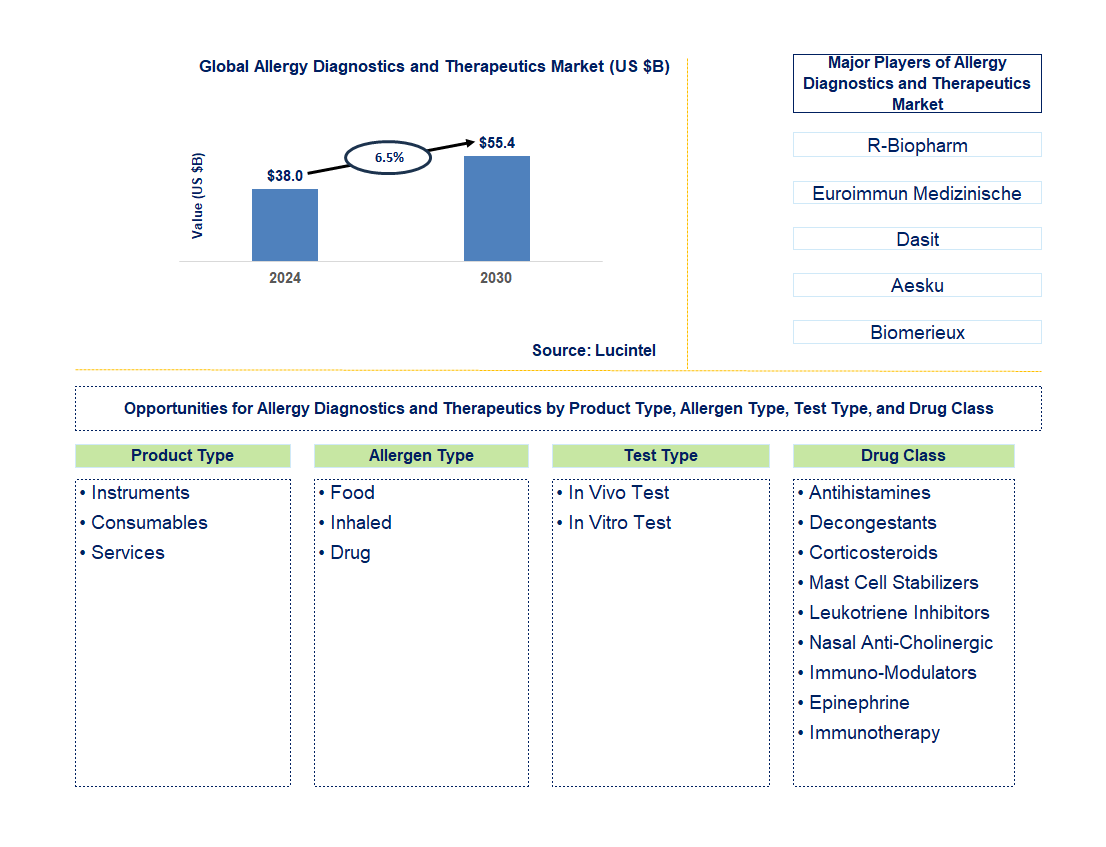
Key data points: The market size in 2030 = $55.4 billion, growth forecast = 6.5% annually for the next 6 years. Scroll below to get more insights. This market report covers trends, opportunities, and forecasts in the global allergy diagnostics and therapeutics market to 2030 by product type (instruments, consumables, and services), allergen type (food, inhaled, and drug), test type (in vivo test and in vitro test), drug class (antihistamines, decongestants, corticosteroids, mast cell stabilizers, leukotriene inhibitors, nasal anti-cholinergic, immuno-modulators, epinephrine, and immunotherapy), and region (North America, Europe, Asia Pacific, and the Rest of the World)
We'll send your sample report shortly.
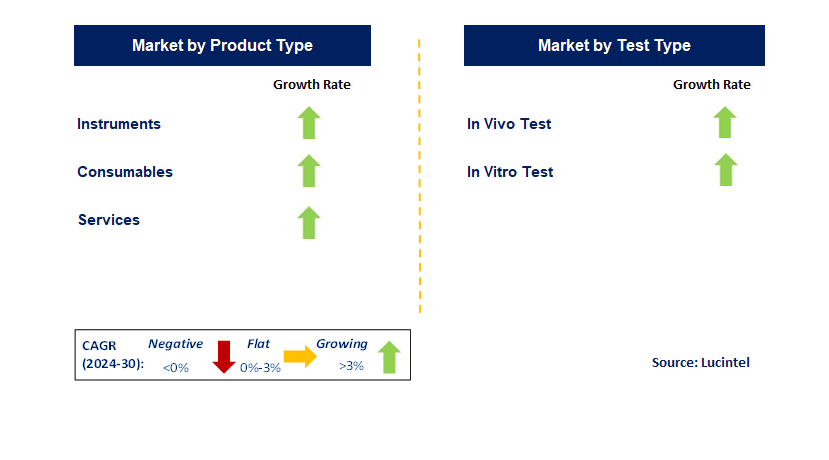
• Lucintel forecasts that, within the product type category, consumables is expected to witness the highest growth over the forecast period due to its increasing adoption in the diagnostic testing that makes it indispensable.
• Within the allergen type category, drug allergies is expected to witness the highest growth due to increasing access to treatment and rising awareness of drug allergies among patients.
• In terms of region, North America will remain the largest region over the forecast period due to increasing incidences of allergy and favorable government initiatives in the region. Gain valuable insights for your business decisions with our comprehensive 150+ page report.
• Advancements in Molecular Diagnostics: By employing technologies like microarrays, molecular diagnostics are revolutionizing allergy testing by providing detailed allergen-specific profiles and next-generation sequencing. These techniques offer more precise diagnoses and personalized treatment plans by identifying allergens with higher accuracy compared to existing diagnostic methods. High-throughput, multiplexed assays that enable simultaneous examination of many allergens are also available, leading to a more efficient diagnosis process. This trend is noted as contributing to better management of allergies and more focused approaches to therapy.
• Growth of Biologics and Targeted Therapies: The development of new treatments targeting specific allergic pathways has led to the expansion of the biologics and targeted therapies market. Among other options for patients with severe allergic conditions, monoclonal antibodies (mAbs) provide an alternative treatment. Unlike conventional treatments, these therapies are more effective and longer-lasting in relieving symptoms experienced during mild or severe allergic reactions. Personalized therapies linked to an individual’s genetic or immunological attributes are driving targeted therapies forward.
• Integration of Digital Health Technologies: The importance of digital health technologies, including telemedicine, mobile health apps, and electronic health records, cannot be overstated when it comes to allergy care. The use of such technologies allows patients to get diagnoses at home or from remote locations, monitor their condition from afar, and manage patient care, among other things. These digital platforms also enable data collection and analysis, leading to better tracking of outcomes and disease progression. Overall, the integration of digital health solutions is improving the efficiency and accessibility of allergy care.
• Expansion of Allergen-Specific Immunotherapy: Currently, allergen-specific immunotherapy (ASIT) is gaining popularity as a long-term treatment option for patients with allergies. New ASIT innovations, such as sublingual or subcutaneous formulations, are improving efficacy and patient adherence. There are new ways to make immunotherapy more available and effective for different allergenic groups through innovations in delivery methods and formulations. The trend toward expanding ASIT represents an emphasis on altering diseases rather than treating symptoms alone, thus offering an opportunity for those suffering from allergies to experience long-lasting relief.
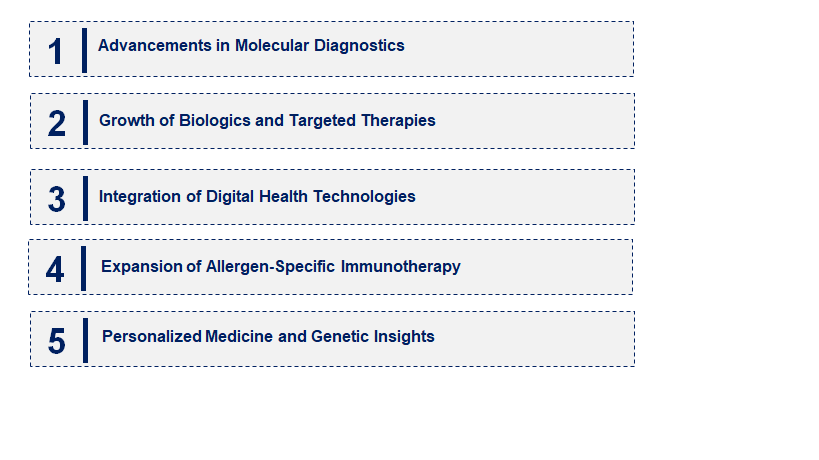
• Personalized Medicine and Genetic Insights: This trend has resulted in changes in allergy diagnostics and therapeutics due to the personalized medicine approach being adopted by medical professionals. With knowledge about an individual’s susceptibility to allergies and their response to treatments, genetic insights are becoming increasingly important in treating allergic conditions. Personalized medicine makes use of genetic data integrated with environmental information to create custom-made therapeutic approaches aimed at improving outcomes while minimizing the incidence of side effects. These tendencies indicate a transition toward customized diagnostic tools and novel therapies for individual patients. Emerging trends, including advancements in molecular diagnostics, the growth of biologics and targeted therapies, integration of digital health technologies, expansion of allergen-specific immunotherapy, and personalized medicine, have disrupted the allergy diagnostics and therapeutics market. These trends promote accurate diagnoses, effective treatment options, and improved overall management. Therefore, embracing these trends will be critical for stakeholders seeking progress in allergic care while meeting dynamic patient needs.
• Introduction of Advanced Diagnostic Tests: The introduction of advanced diagnostic tests, like molecular immunoassays, has improved accuracy and efficiency in allergy testing. Technologies, including microarray-based assays and next-generation sequencing, provide detailed allergen profiles for precise diagnosis of allergic conditions. These advances help identify specific allergens while simultaneously customizing treatment plans accordingly. These advanced diagnostic capabilities offer improved patient outcomes in terms of diagnosis as well as more targeted therapeutic interventions.
• Launch of New Biologics for Severe Allergies: A number of new biologics aimed at treating severe allergic conditions have been introduced into the market. For patients who do not respond well to conventional therapies, monoclonal antibodies targeting IgE, among other immune system components, act as effective alternatives. These biologics provide long-term relief from severe allergies, enhancing the quality of life in such individuals. The advent of these treatments represents a milestone shift toward more complex forms of managing allergies.
• Expansion of Sublingual Immunotherapy (SLIT): Sublingual immunotherapy (SLIT) has expanded as an alternative to traditional subcutaneous immunotherapy. With new SLIT formulations and delivery systems, there has been an improvement in patient adherence, thus improving efficacy during treatment. Treating allergic rhinitis using SLIT is a convenient, non-invasive way of giving patients with allergies another option besides traditional treatment. The emergence of SLIT is an indication of a shift toward people-centered and more accessible forms of allergy care.
• Integration of Digital Health Solutions: Allergy care has been transformed by the integration of digital health solutions, such as telemedicine and mobile health apps. These technologies allow for remote consultations, patient monitoring, and enhanced treatment compliance. Data collection and analysis are also supported through digital health solutions, thereby improving the management of allergic conditions. The use of these technologies in diagnosing and treating allergies is making care more accessible and efficient.
• Advancements in Allergen-Specific Immunotherapy (ASIT): Recent advancements in allergen-specific immunotherapy (ASIT) include new formulations and delivery methods that enhance treatment efficacy and patient experience. Innovations in ASIT ensure that it is effective against a wider range of allergens, as well as boosting patient adherence. This focus on ASIT reflects a growing trend toward disease modification with long-term relief from allergies. The field of allergy diagnostics and therapeutics has recently witnessed major developments, including advanced diagnostic tests, new biologics, the expansion of SLIT, the integration of digital health solutions, and advancements in ASIT, all of which have significantly impacted the market. These innovations improve diagnostic accuracy, treatment options, and overall patient management tools available for therapy development. Therefore, progression in this area will be driven by these advances, leading to better outcomes for patients with allergies.
• Expansion of diagnostic testing: The growing demand for accurate and comprehensive allergy testing presents a significant growth opportunity. Advances in molecular diagnostics and immunoassays are enabling more precise identification of allergens and personalized treatment planning. Investing in the development and commercialization of advanced diagnostic tests can address the increasing demand for improved diagnostic tools, which will enhance patient management. This opportunity reflects the need for enhanced accuracy and efficiency in allergy diagnostics.
• Development of novel biologics: The development of novel biologics targeting specific allergic pathways offers a key growth opportunity. Biologics such as monoclonal antibodies are providing new treatment options for patients with severe allergies. Investments in research and development (R&D) of innovative biologics could lead to breakthroughs in treating allergies, as well as broaden the scope of available treatment options. This growth opportunity aligns with the trend toward personalized and targeted treatments in allergy care.
• Integration of digital health technologies: The integration of digital health technologies, including telemedicine and mobile health apps, presents a significant growth opportunity. These technologies enhance patient access to diagnostics and treatments, facilitate remote monitoring, and support the management of allergic diseases, among other interventions. Developing and implementing digital health solutions can improve patient engagement, treatment adherence, and overall care efficiency. This shows how the industry is increasingly relying on technology to enhance allergy treatment.
• Expansion of allergen-specific immunotherapy (ASIT): The expansion of allergen-specific immunotherapy (ASIT) offers a key growth opportunity in the market. Innovations in ASIT, including new formulations and delivery methods, are improving treatment efficacy and the patient experience. Investing in the development and marketing of ASIT products can address the growing demand for long-term allergy relief and disease modification. This growth opportunity reflects the emphasis on effective and patient-friendly treatment options.
• Focus on personalized medicine: The focus on personalized medicine in allergy care presents a significant growth opportunity. Advances in genetic and environmental research are enabling the development of tailored treatment plans based on individual profiles. Investing in personalized medicine approaches can lead to more effective and targeted treatments, improving patient outcomes and satisfaction. This growth opportunity aligns with the broader trend toward personalized healthcare. Strategic growth opportunities exist in the allergy diagnostics and therapeutics market, such as the expansion of diagnostic tests, the development of novel biologics, the integration of digital health technologies, the expansion of allergen-specific immunotherapy, or the focus on personalizing therapy options. These opportunities will help advance allergy care while meeting patients’ changing needs. Market innovation awaits those who can use these opportunities effectively, as they are needed to improve upon past performances—some of which have been outstanding, while others have not performed well so far.
• Advancement in Technologies: Technological progress has boosted the growth of the allergy diagnostics and therapeutics market. Improved diagnostic tools, such as molecular assays and next-generation sequencing, have improved the accuracy and efficiency of various allergy testing methods. Biologics and immunotherapy advancements are providing new treatment alternatives for allergic diseases. These technological developments add precision to diagnosis and therapy, making them more effective and driving up investment inflows.
• Increasing Awareness and Diagnosis: The rise in awareness about allergic conditions, along with increased rates of diagnosis, drives growth in this sector. Growing awareness about allergies leads to more patients seeking diagnoses and treatment options for their condition. Better healthcare access, coupled with improved diagnostic tools, has also contributed to higher detection rates for allergic conditions globally. This increased awareness, together with diagnosis, increases demand for allergy diagnostics and therapeutics.
• Growing Demand for Personalized Medicine: Another driver in this industry is the increasing demand for personalized medicine, which is on an upward trend across all allergy markets. The search by both patients and healthcare providers for treatments customized to meet individual genetic and environmental profiles is a key driver of innovation and growth within this area. Targeted therapies, along with personalized treatment plans, are key components of personalized medicine approaches and are currently driving major innovations within the field. The move toward individualized care enhances the effectiveness and satisfaction of allergenic treatments.
• Government Initiatives and Funding: Government initiatives, including funding for allergy research and building infrastructure related to healthcare, support the expansion of the market. Investment in allergy research through public-private partnerships encourages innovation and further advancements in diagnostics and therapeutics. Funding for critical health programs targeting enhanced allergy care also expands access and drives market growth.
• Focus on Early Detection and Preventing Allergenic Conditions: The growing emphasis on early detection and prevention of allergic diseases is driving the demand for advanced diagnostic tools and preventive therapies. Early detection techniques, such as molecular diagnostics and liquid biopsies, allow for prompt treatment and personalized healthcare interventions. The focus on prevention and early intervention has led to an increase in the market size of allergy diagnostics and therapeutics. Challenges in the allergy diagnostics and therapeutics market include:
• Expensive Advanced Technologies: The high costs associated with advanced diagnostic and therapeutic technologies are a significant hurdle to growth in this market. High development costs and the expense of implementing state-of-the-art technology can hinder accessibility and affordability for some patients and healthcare systems. Addressing this issue is essential for broader adoption and market expansion.
• Regulatory and Compliance Issues: Regulatory and compliance challenges in allergy diagnostics and therapeutics can create barriers along the growth path. Ensuring that strict regulations are upheld and addressing safety concerns over efficacy are critical during the approval and commercialization of new technologies. The complexities involved in navigating regulations could delay the development process or limit the availability of allergy solutions.
• Data Privacy and Security Concerns: Handling allergenic data in diagnosis raises concerns about privacy and security. Protecting patient information and complying with data protection laws is key to building trust and enabling the sharing of information. Addressing privacy and security concerns will enhance the successful implementation and expansion of allergy care-related technological solutions. Technological advancements, growing awareness and diagnosis, personalized medicine demand, government initiatives and funding, and a focus on early detection and prevention are some of the factors driving the allergy diagnostics and therapeutics market. High expenses, regulatory compliance issues, and concerns about data privacy and security are also challenges facing this market. It is therefore necessary to understand these factors to navigate the market effectively while capitalizing on growth opportunities for success in such a dynamic industry.
• R-Biopharm
• Euroimmun Medizinische Labordiagnostika
• Dasit
• Aesku
• Biomerieux
• Thermo Fisher Scientific
• Stallergenes Greer
• Minaris Medical America
• Siemens Healthcare
• Omega Diagnostics
• Instruments
• Consumables
• Services
• Food
• Inhaled
• Drug
• In Vivo Test
• In Vitro Test
• Antihistamines
• Decongestants
• Corticosteroids
• Mast Cell Stabilizers
• Leukotriene Inhibitors
• Nasal Anti-Cholinergic
• Immuno-Modulators
• Epinephrine
• Immunotherapy
• North America
• Europe
• Asia Pacific
• The Rest of the World
• United States: In the United States, recent developments in allergy diagnostics and therapeutics reflect significant advancements. Innovations include novel immunoassays that have been introduced into the healthcare system, along with molecular diagnostic tests providing precise information about allergens. The FDA has also approved new biologics for the treatment of severe allergic diseases, such as monoclonal antibodies targeting IgE. It is worth noting that personalized drug therapy is gaining prominence, with scientists studying an individual’s genetic makeup and environment to design tailored medications. The use of telemedicine platforms on smartphones or tablets has been considered a way to improve access to medical personnel who can help generate data.
• China: China is experiencing rapid growth in the allergy diagnostics and therapeutics market, driven by increased investment in healthcare infrastructure and research. New allergen-specific immunotherapies, along with diagnostic tests tailored to the Chinese population’s specific allergen profile, are being introduced. Chinese firms have ventured into new technologies, such as microarray-based assay systems and next-generation sequencing, which have made it possible to conduct accurate allergy testing. The focus on expanding healthcare access and funding for allergy research is propelling the development of advanced diagnostic tools and treatments in the region.
• Germany: Germany leads other European nations in the development of products for the diagnosis and treatment of allergies. Advances include sublingual and subcutaneous immunotherapy, which are allergen-specific immunotherapies. Researchers in Germany are working to develop better molecular diagnostics for more accurate allergy tests. Allergy management is also being enhanced through the adoption of digital health technologies, such as electronic medical records and patient management systems. Germany's commitment to research and innovation in allergy care, supported by both public and private sectors, remains strong.
• India: India’s focus on expanding access to affordable allergic care has led to increased demand for allergy diagnostics and therapeutics. Recent developments include the introduction of low-cost diagnostic tests and allergen-specific immunotherapies. The country’s research institutions are heavily involved in studying the prevalence and patterns of allergies, which is leading to the development of targeted treatments. Primary healthcare systems are also incorporating allergy management, increasing awareness and accessibility across the country.
• Japan: The Japanese market for allergy diagnostics and therapeutics is growing rapidly, with several new diagnostic tools and treatment options emerging. Innovative allergen-specific immunotherapies, among others, have been developed, while some biologics have been introduced specifically targeting pathways involved in allergic responses. Innovative testing methods, including genetic and proteomic approaches, are being explored by Japanese scientists to improve allergy diagnosis. There is also increasing pressure to integrate digital health solutions, such as telemedicine and mobile phone apps used in asthma clinics, to facilitate patient engagement and care compliance.


• R-Biopharm
• Euroimmun Medizinische Labordiagnostika
• Dasit
• Aesku
• Biomerieux
• Thermo Fisher Scientific
• Stallergenes Greer
• Minaris Medical America
• Siemens Healthcare
• Omega Diagnostics Q6. Which allergy diagnostics and therapeutics market segment will be the largest in future? Answer: Lucintel forecasts that consumables is expected to witness highest growth over the forecast period due to its increasing adoption in the diagnostic testing that makes it indispensable. Q7. In allergy diagnostics and therapeutics market, which region is expected to be the largest in next 5 years? Answer: North America will remain the largest region over the forecast period due to increasing incidences of allergy and favorable government initiatives in the region. Q.8 Do we receive customization in this report? Answer: Yes, Lucintel provides 10% customization without any additional cost.


Choose a license that fits your team. Instant PDF delivery.
Prices exclude taxes. Instant delivery. Custom licensing available on request.
Market Report · July 16, 2026
Market Report · July 15, 2026
Market Report · July 15, 2026
Trusted partner for strategic intelligence and business growth


Receive a complimentary market analysis tailored to your industry. Our analysts will identify key growth opportunities and competitive dynamics specific to your business.

Market size, growth rate, and key trend analysis for your specific sector.

Top competitor positioning and market share analysis.

Strategic recommendations backed by data-driven insights.
Get curated market intelligence and competitive moves straight to your inbox.
By subscribing, you agree to receive our monthly insights. Unsubscribe anytime.
Receive a complimentary market analysis tailored to your industry. Our analysts will identify key growth opportunities and competitive dynamics specific to your business.
Market size, growth rate, and key trend analysis for your specific sector.
Top competitor positioning and market share analysis.
Strategic recommendations backed by data-driven insights.
Get curated market intelligence, emerging trends, and competitive moves straight to your inbox each month.
By subscribing, you agree to receive our monthly insights. Unsubscribe anytime.
We'll send your sample report shortly.