
Market Report · July 31, 2026

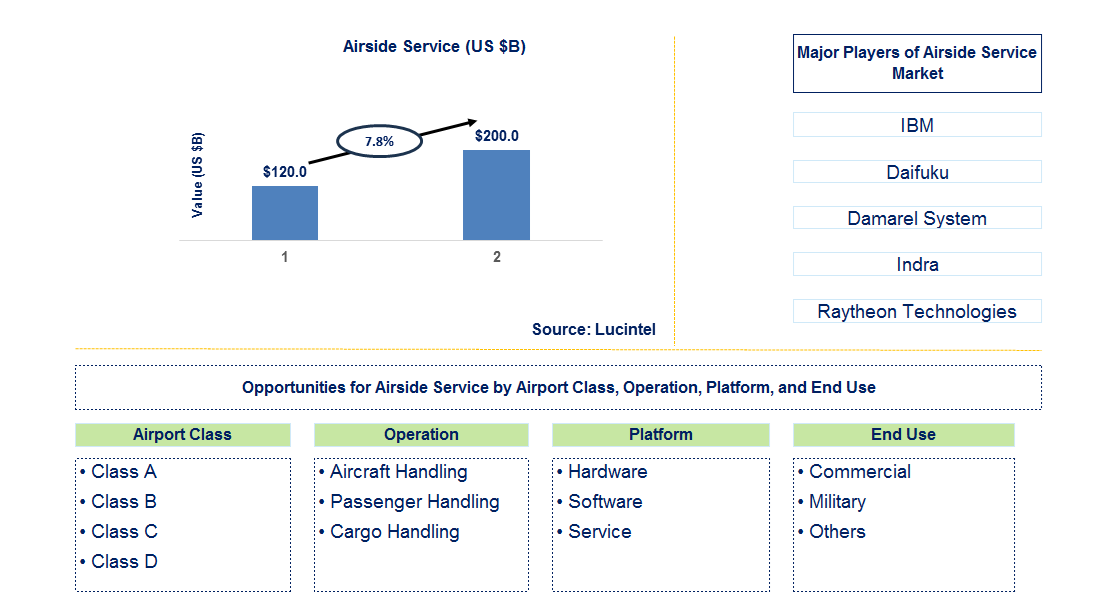
Key data points: The growth forecast = 7.8% annually for the next 6 years. Scroll below to get more insights. This market report covers trends, opportunities, and forecast in the global airside service market to 2030 Q.1. What are some of the most promising, high-growth opportunities for the airside service market by airport class (class a, class b, class c, and class d), operation (aircraft handling, passenger handling, and cargo handling), platform (hardware, software, and service), end use (commercial, military, and others), and region (North America, Europe, Asia Pacific, and the Rest of the World)?
We'll send your sample report shortly.
• Lucintel forecasts that, within the operation category, passenger handling is expected to witness the highest growth over the forecast period.
• Within the end use category, commercial is expected to witness the highest growth over the forecast period.
• In terms of region, North America is expected to witness the highest growth over the forecast period. A more than 150-page report is developed to help in your business decisions.

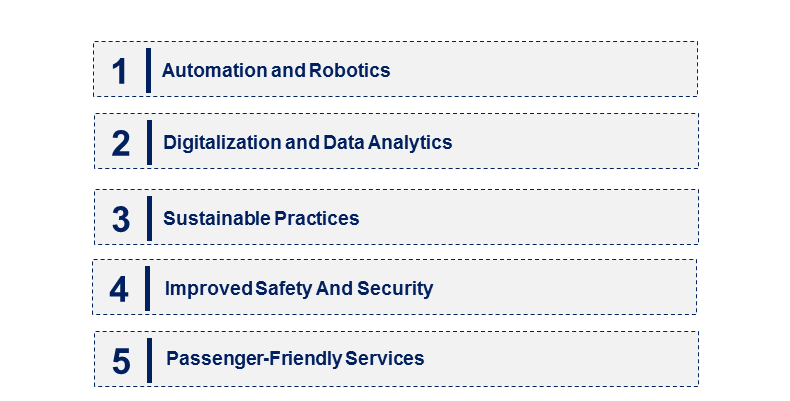
• Automation and Robotics: Automation and robotics are revolutionizing airside services by increasing productivity and reducing labor costs. The increased presence of automated baggage handling systems, aircraft cleaning machines, and maintenance robots has resulted in faster turnaround times with fewer errors. This trend helps airlines improve operational efficiencies, especially given the rising number of passengers handled daily.
• Digitalization and Data Analytics: Airports are optimizing operations through the integration of digital tools and data analytics. Real-time data tracking, alongside predictive analysis, strengthens decision-making and resource allocation. This approach enables the aviation industry to thrive amidst challenges, even without necessarily building new infrastructure, while fully benefiting from transformational moves in the transportation sector. These moves can include strategies adopted by airlines and railway companies that may interchangeably adopt different approaches based on customer expectations, rather than resisting current market demands.
• Sustainable Practices: Airports are increasingly adopting sustainable practices and technologies. Electric ground support equipment, energy-efficient infrastructure, and waste reduction programs are becoming standard. This movement not only supports global environmental objectives but also reduces operational costs for airports and enhances their reputation in the public domain.
• Improved Safety and Security: Enhanced safety and security measures are being incorporated into airside activities. These include the use of advanced screening technologies, the implementation of biometric systems, and enhanced training sessions to ensure better safety standards. This is a vital development for maintaining the integrity of airport operations and sustaining customer trust.
• Passenger-Friendly Services: The focus is shifting towards passenger-oriented services that are assisted by modernized offerings. For instance, there is an increasing availability of self-service kiosks, mobile apps for real-time updates, and personalized customer support. These improvements relieve stress for travelers and simultaneously enhance their overall travel experience. These trends collectively propel the airside services market towards greater efficiency, sustainability, and passenger satisfaction. By streamlining automation, digitizing operations, and addressing environmental issues through sustainability efforts, the industry enhances safety concerns globally. This commitment to passenger-centric services will improve the travel experience across the industry."
• Advanced Baggage Handling Systems: Airports are increasingly adopting sophisticated baggage handling systems that use automated sorting and tracking technologies. These systems direct luggage without relying on manual labor, reducing inefficiency and minimizing the risk of lost or delayed baggage. The growth in passenger volumes has necessitated automation in baggage handling, streamlining operations at airports.
• Smart Ground Support Equipment: Airside operations are being transformed through the use of smart ground support equipment, including electric vehicles and automated systems. These tools increase operational efficiency while simultaneously reducing overall carbon emissions from all types of aircraft. By incorporating real-time data and automation, airports can better manage ground services and reduce turnaround times for aircraft.
• Digitalization of Operations: Digital tools and platforms have been introduced to facilitate coordination and resource allocation at airside. Real-time data analytics and digital communication systems enhance decision-making and operational efficiency. This transition to digitization enables better management of fluctuating passenger numbers while optimizing ground service processes.
• Sustainable Initiatives: There is a growing focus on sustainability, with airports adopting green technologies and other environmentally friendly practices. Investments in energy-efficient infrastructure, electric ground support equipment, and waste reduction programs are becoming more common. This move aligns with global environmental objectives, helping to reduce greenhouse gas emissions from the aviation industry.
• Enhanced Safety Measures: Airports are implementing advanced safety protocols and technologies to ensure secure operations. Upgraded screening systems, biometric identification, and enhanced training programs are improving safety standards. These measures help maintain a high level of security by protecting both travelers and staff from potential risks. These developments have significantly improved airside operations, with a greater emphasis on automation, digitalization, and sustainability. The changes are leading to efficiency gains, minimizing adverse environmental impacts, and reducing safety risks. They also help airports meet growing passenger demands while adapting to evolving industry standards."
• Baggage Automation: Automated baggage handling systems present a key growth opportunity. These systems automate the sorting, tracking, and delivery processes, improving efficiency and accuracy. They also reduce labor costs and minimize delays caused by lost baggage.
• Electrical GSE: The introduction of electric ground support equipment (GSE) is another significant growth opportunity. Electric vehicles have been shown to lower carbon emissions and reduce operational costs within the airport industry. By investing in this area, airports demonstrate their commitment to sustainability, attracting eco-conscious travelers while meeting regulatory requirements.
• Real-Time Data Analysis: Implementing real-time data analytics tools offers a competitive advantage to airports in the air transport sector. These tools help monitor activities by providing data-driven insights, which can be used for maintenance planning and resource allocation. Real-time analysis helps reduce inefficiencies, optimize downtime, and improve service delivery, ultimately enhancing operational effectiveness and customer satisfaction.
• Digital Passenger Services: Enhancing digital passenger services presents a growing opportunity for investors. Self-service kiosks, mobile apps, and digital information systems are technologies that improve the passenger experience. These services, such as online check-ins, live flight updates, and personalized car rentals, help ease the burden of frequent travel. By speeding up the boarding process and increasing overall satisfaction, digital passenger services contribute significantly to improving the travel experience.
• Advanced Safety Systems: Investing in advanced safety systems presents a critical growth opportunity for airports aiming to enhance security standards while ensuring compliance with regulations. Biometric identification techniques and enhanced screening technologies are essential for maintaining high safety levels and streamlining processes. These systems not only improve security but also facilitate smoother transitions during security checks, leading to higher passenger confidence and better process management. The future of airside services lies in strategic growth opportunities such as automation, electric equipment, data analytics, and safety improvements. These developments have allowed airports to become more efficient, sustainable, and capable of providing a higher-quality passenger experience, positioning them ahead of the competition in rapidly changing markets."
• Technological Advancements: The major drivers behind the growth of airside services are technological innovations, including automation, robotics, and other digital tools. These advancements improve efficiency, reduce operational costs, and enhance safety. By adopting new technologies in their operations, airports can handle increased passenger numbers and remain competitive.
• Increasing Passenger Demand: The rising number of air travelers is driving demand for more efficient airside services. To cope with growing passenger numbers and reduce delays, airports must upgrade their ground handling capabilities. This includes building advanced systems and making infrastructural developments to facilitate smoother operations.
• Sustainability Initiatives: Sustainability is a major focus in the airside service market. Airport developers are increasingly focusing on reducing carbon footprints by adopting green practices and energy-saving innovations, such as LED lighting. This shift aligns with global sustainable development objectives and attracts environmentally conscious travelers.
• Regulatory Compliance: Changes in regulations mean that airports cannot rest on their laurels regarding airside services. The adoption of advanced technologies and practices is prompted by safety, security, and environmental compliance requirements. To remain sustainable in the long term, airlines must stay up-to-date with all relevant regulations to avoid penalties that could jeopardize their future prospects.
• Safety and Security Regulations: Regulatory compliance is a key factor influencing airport operations, particularly in terms of safety systems such as advanced scanners. As regulatory guidelines become stricter, ensuring passenger safety is a primary concern. Non-compliance, especially in critical phases like takeoff and landing, could have severe consequences. This emphasizes the importance of adhering to safety regulations and guidelines, as failure to do so could result in accidents or fatalities. Challenges in the airside service market include:
• Expensive Capital Investments: Deploying advanced technologies and infrastructure requires significant capital investments, which pose a challenge to airports, especially smaller ones or those in developing regions. Inadequate funding is a common issue, and organizations must balance investment in new technologies with operational budgets and financial constraints.
• Cybersecurity Threats: Increasingly digitized and automated systems within airports make them more vulnerable to cybersecurity threats. Protecting sensitive data and ensuring the integrity of digital systems are critical challenges. Airports must implement robust cybersecurity measures to prevent data breaches and operational disruptions.
• Operational Complexity: Managing increasingly complex airside operations presents inherent challenges. The integration of new technologies, coordination among various service providers, and passenger throughput require sophisticated management strategies. Ensuring smooth operations at all times is essential to handling this complexity effectively. Market drivers such as technological advancements, increasing passenger demand, and sustainability initiatives are fueling growth in the airside services market. However, these factors are counterbalanced by challenges such as high capital investment, cybersecurity threats, and operational complexities. Achieving a balance between these drivers and challenges is crucial for the market to adapt and thrive.
• IBM
• Daifuku
• Damarel System International
• Indra
• Raytheon Technologies
• Siemens
• Aena
• Class A
• Class B
• Class C
• Class D
• Aircraft Handling
• Passenger Handling
• Cargo Handling
• Hardware
• Software
• Service
• Commercial
• Military
• Others
• North America
• Europe
• Asia Pacific
• The Rest of the World
• United States: In the United States, there has been a shift towards automation and digitalization within the airside services market. The application of advanced technologies, such as automated baggage handling systems and predictive maintenance tools, is enhancing operational efficiency. Additionally, there has been significant focus on improving safety measures in line with evolving regulatory requirements, including stricter environmental laws and enhanced cybersecurity protocols.
• China: The Chinese airside services sector has experienced rapid growth, driven by the booming aviation industry. New airports, along with expanded facilities, are incorporating cutting-edge technologies such as AI-driven baggage handling systems and real-time flight tracking software. Furthermore, China plans to focus on improving operational efficiencies and enhancing customer service as part of its goal to boost global air connectivity.
• Germany: Increased investment in sustainable practices characterizes Germany’s airside services market. The adoption of green technologies, such as electric ground support equipment at airports like Frankfurt and Munich, has positioned Germany ahead of others globally. In addition, there is a strong emphasis on the full integration of digital tools into resource management, leading to higher levels of passenger satisfaction overall.
• India: In India, the airside service sector has evolved through infrastructure upgrades that incorporate modern technological trends. Advanced baggage handling systems in newly built terminals, along with automated check-in counters and other technological solutions, demonstrate the country’s progress in improving operational efficiency and meeting the aviation sector's growing demand for safe and reliable transportation.
• Japan: Japan is utilizing sophisticated technologies to enhance airside services and improve both operations and passenger experiences. These technologies include automated baggage handling systems and aircraft servicing tools. Additionally, Japan is working to expand its online customer service options while investing in digital solutions that align with the country’s high service standards."


• IBM
• Daifuku
• Damarel System International
• Indra
• Raytheon Technologies
• Siemens
• Aena Q5. Which airside service market segment will be the largest in future? Answer: Lucintel forecasts that passenger handling is expected to witness the highest growth over the forecast period. Q6. In airside service market, which region is expected to be the largest in next 5 years? Answer: North America is expected to witness highest growth over the forecast period. Q.7. Do we receive customization in this report? Answer: Yes, Lucintel provides 10% customization without any additional cost.


Choose a license that fits your team. Instant PDF delivery.
Prices exclude taxes. Instant delivery. Custom licensing available on request.
Market Report · July 31, 2026
Market Report · July 31, 2026
Market Report · July 22, 2026
Trusted partner for strategic intelligence and business growth


Receive a complimentary market analysis tailored to your industry. Our analysts will identify key growth opportunities and competitive dynamics specific to your business.

Market size, growth rate, and key trend analysis for your specific sector.

Top competitor positioning and market share analysis.

Strategic recommendations backed by data-driven insights.
Get curated market intelligence and competitive moves straight to your inbox.
By subscribing, you agree to receive our monthly insights. Unsubscribe anytime.
Receive a complimentary market analysis tailored to your industry. Our analysts will identify key growth opportunities and competitive dynamics specific to your business.
Market size, growth rate, and key trend analysis for your specific sector.
Top competitor positioning and market share analysis.
Strategic recommendations backed by data-driven insights.
Get curated market intelligence, emerging trends, and competitive moves straight to your inbox each month.
By subscribing, you agree to receive our monthly insights. Unsubscribe anytime.
We'll send your sample report shortly.