
Market Report · July 31, 2026

Key data points: The market size in 2035 = $23 billion, growth forecast = 5.1% annually for the next 8 years. Scroll below to get more insights. This market report covers trends, opportunities and forecasts in airport lounge market to 2035 by lounge class (economy lounge and premium lounge), service type (food & beverages, connectivity & entertainment, and passenger services), lounge ownership (airline, airport & government and privately owned), and region (North America, Europe, Asia Pacific, and the Rest of the World)
We'll send your sample report shortly.
• Lucintel forecasts that, within the lounge class category, premium loung is expected to witness higher growth over the forecast period.
• Within the service type category, food & beverage is expected to witness the highest growth.
• In terms of region, APAC is expected to witness the highest growth over the forecast period. Gain valuable insights for your business decisions with our comprehensive 150+ page report. Sample figures with some insights are shown below.
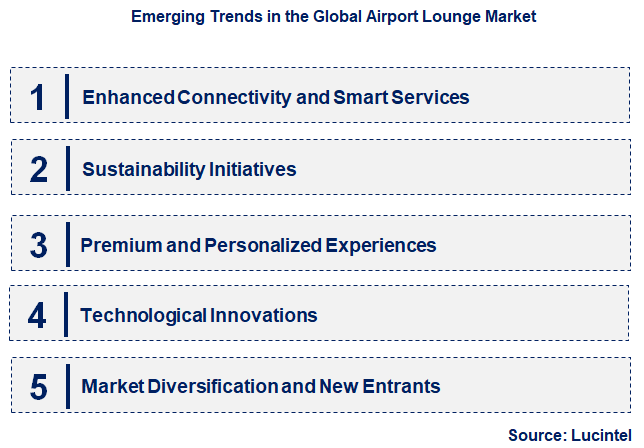
• Enhanced Connectivity and Smart Services : The adoption of digital technologies such as mobile check-ins, contactless payments, and personalized app services is revolutionizing the lounge experience. Travelers now enjoy seamless access, real-time updates, and tailored amenities, increasing convenience and satisfaction. Smart lounge features like automated check-in kiosks and digital concierge services streamline operations, reduce wait times, and improve overall efficiency. This trend is driven by the growing demand for contactless solutions, especially post-pandemic, and is expected to continue expanding, making lounges more user-friendly and technologically advanced.
• Sustainability Initiatives: Environmental consciousness is increasingly influencing airport lounge operations. Many lounges are adopting sustainable practices such as energy-efficient lighting, waste reduction, and eco-friendly materials. Some are pursuing green certifications to demonstrate their commitment to sustainability. These initiatives appeal to environmentally conscious travelers and help airports meet regulatory requirements. Incorporating renewable energy sources and promoting sustainable dining options are also gaining popularity. This trend not only reduces the environmental footprint but also enhances brand reputation and customer loyalty, aligning the market with global sustainability goals.
• Premium and Personalized Experiences: The market is shifting towards offering highly personalized and luxurious experiences to cater to affluent travelers. Customized services such as private suites, bespoke dining, and personalized wellness programs are becoming standard. Advanced data analytics enable lounges to understand individual preferences and deliver tailored offerings. Exclusive amenities like spa treatments, private workspaces, and curated entertainment options enhance the premium experience. This trend helps lounges differentiate themselves in a competitive market and attracts high-value customers seeking comfort, privacy, and bespoke services.
• Technological Innovations: Cutting-edge technologies are transforming the lounge environment. Virtual reality (VR) experiences provide immersive entertainment and relaxation options. Artificial intelligence (AI) is used for personalized recommendations, customer service chatbots, and operational automation. Robotics and automated systems streamline food service, cleaning, and security processes. These innovations improve efficiency, reduce costs, and elevate the passenger experience. As technology continues to evolve, lounges are becoming more interactive, engaging, and efficient, setting new standards for luxury and convenience in airport hospitality.
• Market Diversification and New Entrants: The market is witnessing growth beyond traditional hubs, with new lounges opening in emerging markets and secondary airports. This expansion is driven by increasing air travel demand and the desire to capture untapped customer segments. Additionally, niche segments such as business-focused lounges, family-friendly spaces, and wellness-oriented lounges are emerging to cater to specific traveler needs. This diversification broadens market opportunities, encourages innovation, and fosters competition. It also allows operators to tailor offerings to diverse customer preferences, ensuring sustained growth and relevance in a dynamic industry. These trends are collectively reshaping the airport lounge market by emphasizing technological integration, sustainability, personalized experiences, innovation, and market expansion. They are elevating the quality of services, enhancing customer satisfaction, and positioning lounges as key differentiators in the competitive aviation industry. As these developments continue, the market is poised for significant growth and transformation, aligning with evolving traveler expectations and global sustainability goals.
• Growing Premium Travel Demand: The rise in high-income travelers and business class passengers is significantly boosting airport lounge usage. This trend is driven by globalization, increased corporate travel, and a desire for comfort and exclusivity. As a result, lounge operators are expanding their facilities and services to cater to this affluent demographic, leading to higher revenue streams and market penetration. The demand for personalized experiences and luxury amenities is also fueling innovation within the sector.
• Technological Integration Enhances Experience: Advanced technology, such as AI, contactless check-ins, and personalized digital services, is transforming airport lounges. These innovations improve operational efficiency and elevate customer satisfaction by offering seamless access, tailored services, and real-time updates. The integration of smart systems also enables better resource management and security. As technology becomes more embedded, lounges are becoming more attractive, competitive, and capable of meeting evolving traveler expectations, thus driving market growth.
• Expansion of Independent Lounge Operators: Non-airline affiliated lounge providers are expanding rapidly, offering diverse options across airports worldwide. These independent operators provide flexible memberships, innovative amenities, and competitive pricing, attracting a broader customer base. Their growth is facilitated by partnerships with credit card companies and hospitality brands, increasing accessibility. This diversification enhances market competition, encourages innovation, and broadens consumer choice, ultimately contributing to the overall expansion of the airport lounge market.
• Sustainability and Eco-Friendly Initiatives: Environmental concerns are prompting lounges to adopt sustainable practices, such as energy-efficient designs, waste reduction, and eco-friendly materials. These initiatives appeal to environmentally conscious travelers and enhance brand reputation. Airlines and lounge operators are investing in green certifications and renewable energy sources, aligning with global sustainability goals. This shift not only reduces operational costs but also positions the market as responsible and forward-thinking, attracting a new segment of eco-aware consumers.
• Impact of Global Travel Recovery Post-Pandemic: As international travel resumes post-pandemic, airport lounge demand is rebounding strongly. Enhanced health and safety protocols, along with increased travel confidence, are encouraging more passengers to utilize premium services. This recovery is accelerating investments in lounge infrastructure and amenities. The market is witnessing a surge in new lounge openings and upgrades, which is expected to sustain growth momentum and expand market share across regions. The overall impact of these developments is a dynamic, competitive, and innovative airport lounge market. Increased demand, technological advancements, and sustainability efforts are driving growth, attracting diverse customer segments, and expanding global reach. These trends are creating new opportunities for operators and stakeholders, positioning the market for sustained expansion and enhanced passenger experiences.
• Expansion of Premium Lounge Facilities to Cater to Growing High-End Travelers: As affluent travelers seek exclusive and comfortable environments, airlines and operators are investing in expanding and upgrading premium lounge facilities. This includes luxurious amenities, personalized services, and innovative designs to enhance customer experience. The focus on exclusivity and comfort aims to attract more high-paying passengers, thereby increasing revenue streams and market share in the competitive airport lounge industry.
• Integration of Advanced Technologies to Enhance Passenger Experience: Incorporating cutting-edge technologies such as AI, IoT, and biometric systems is transforming airport lounges. These innovations enable seamless check-ins, personalized services, and real-time updates, improving efficiency and customer satisfaction. Technology-driven enhancements also facilitate contactless payments and smart environments, catering to health-conscious travelers and providing a competitive edge for operators seeking to differentiate their offerings.
• Strategic Partnerships with Airlines and Hospitality Brands for Market Expansion: Collaborations between lounge operators, airlines, and luxury hospitality brands are creating new opportunities for growth. These partnerships enable access to broader customer bases, co-branded lounge experiences, and shared resources. Such alliances help in expanding geographic presence, enhancing service quality, and offering integrated travel experiences, ultimately strengthening market positioning and driving revenue growth across diverse regions.
• Adoption of Sustainable Practices to Meet Environmental Expectations: Sustainability is increasingly influencing consumer choices, prompting lounge providers to adopt eco-friendly initiatives. This includes energy-efficient designs, waste reduction programs, and sustainable sourcing of amenities. Implementing green practices not only aligns with global environmental goals but also appeals to eco-conscious travelers, enhancing brand reputation and compliance with regulations, thereby opening new avenues for market differentiation and long-term growth.
• Focus on Personalization and Customized Services to Attract Diverse Customer Segments: Tailoring experiences to individual preferences is a key growth driver. Operators are leveraging data analytics to offer personalized amenities, dining options, and entertainment. Customized services cater to diverse customer segments, including business travelers, families, and leisure tourists, increasing satisfaction and loyalty. This focus on personalization helps differentiate brands, command premium pricing, and foster long-term customer relationships in a competitive market. These growth opportunities collectively position the airport lounge market for sustained expansion and innovation. By focusing on premium experiences, technological integration, strategic collaborations, sustainability, and personalization, industry stakeholders can meet evolving traveler expectations. Embracing these strategies will enhance competitiveness, drive revenue, and ensure long-term success in a rapidly evolving global travel landscape.
• Increasing Air Travel and Passenger Traffic: The surge in global air travel, driven by economic growth and globalization, results in higher passenger volumes. As travelers seek comfort and convenience during layovers or delays, demand for premium lounge services rises. Airlines and independent operators are investing in expanding lounge facilities to cater to this growing customer base, which directly boosts market revenue. The trend is particularly prominent in emerging markets where air travel is expanding rapidly, creating significant opportunities for market players to capture new customer segments and enhance brand loyalty.
• Technological Innovations Enhancing Customer Experience: The integration of advanced technologies such as biometric check-ins, AI-powered personalized services, and seamless Wi-Fi connectivity significantly improves passenger experience. These innovations enable faster entry, customized amenities, and real-time updates, making lounges more attractive. Companies investing in digital infrastructure can differentiate themselves by offering superior service quality, thereby increasing customer satisfaction and retention. Moreover, technology-driven solutions help optimize operational efficiency, reduce costs, and enable data-driven decision-making, which are crucial for sustaining competitive advantage in a dynamic market.
• Rising Disposable Income and Premium Travel Preferences: As disposable incomes increase globally, more travelers are opting for premium travel experiences, including access to exclusive airport lounges. This shift is particularly evident among middle and upper-income groups who prioritize comfort, privacy, and luxury amenities. The willingness to pay for enhanced services fuels the growth of premium lounge memberships and pay-per-use models. Market players are responding by offering diverse membership plans, luxury amenities, and personalized services to attract this affluent demographic, thereby expanding the market and increasing revenue streams.
• Strategic Partnerships and Alliances: Collaborations between airlines, hotel chains, credit card companies, and lounge operators are instrumental in expanding access and enhancing service offerings. Such partnerships enable cross-promotional opportunities, shared loyalty programs, and broader access to premium services. For instance, airline alliances often include lounge access benefits, encouraging customer loyalty and repeat business. These strategic alliances facilitate market expansion into new regions and customer segments, while also enabling resource sharing and innovation, which are vital for staying competitive in a rapidly evolving industry.
• Growing Focus on Health and Safety Standards: The COVID-19 pandemic has heightened awareness around health and safety, prompting lounges to adopt stringent hygiene protocols and contactless services. This focus influences customer perceptions and preferences, with travelers favoring lounges that prioritize cleanliness and safety. Investments in sanitization technologies, touchless check-in, and social distancing measures are now standard, impacting operational costs but also building trust and confidence among passengers. Compliance with evolving health regulations is essential for market players to maintain their reputation and ensure continued patronage in a cautious travel environment. The challenges facing the airport lounge market include:
• High Operational and Maintenance Costs: Operating premium lounges involves significant expenses related to infrastructure, staffing, technology, and amenities. Maintaining high standards of comfort, safety, and hygiene requires continuous investment, which can strain profit margins, especially during periods of fluctuating passenger traffic. Additionally, costs associated with upgrading facilities to incorporate new technologies or meet regulatory standards further add to financial burdens. These high operational costs can limit expansion plans and reduce overall profitability, posing a challenge for market players to sustain growth while managing expenses effectively.
• Regulatory and Security Compliance: The market faces complex regulatory frameworks related to safety, security, health, and environmental standards. Compliance requires substantial investments in security infrastructure, staff training, and reporting mechanisms. Changes in regulations can lead to operational disruptions and increased costs, impacting profitability. Moreover, differing regulations across regions complicate expansion strategies and require tailored compliance measures. Navigating these regulatory landscapes is critical for market players to avoid penalties, ensure passenger safety, and maintain operational licenses, making compliance a persistent challenge.
• Competition and Market Saturation: The increasing number of lounge providers, including airline-operated and independent entities, intensifies competition. Market saturation in key regions limits growth opportunities and pressures profit margins. Differentiating services becomes more challenging as providers vie for customer loyalty through amenities, pricing, and access options. Additionally, the rise of alternative comfort options, such as premium airport hotels and private lounges, further fragments the market. Staying ahead requires continuous innovation and strategic marketing, but the high costs and competitive pressures pose significant hurdles for new entrants and existing players aiming to expand their market share. The airport lounge market is shaped by robust growth drivers such as rising air travel, technological advancements, increased disposable income, strategic alliances, and heightened health standards. However, it also faces notable challenges including high operational costs, regulatory complexities, and intense competition. These factors collectively influence market dynamics, requiring stakeholders to innovate, adapt, and strategically navigate the evolving landscape. Success in this market hinges on balancing growth opportunities with effective management of operational and regulatory challenges, ensuring sustainable development and enhanced customer experiences.
• Priority Pass Limited
• Plaza Premium Group
• Delta Air Lines, Inc.
• United Airlines, Inc.
• The Emirates Group
• Qatar Airways Group
• Cathay Pacific Airways Limited
• Qantas Airways Limited
• American Airlines Group Inc.
• Lufthansa Group
• Economy Lounge
• Premium Lounge
• Food & Beverages
• Connectivity & Entertainment
• Passenger Services
• Airline, Airport & Government
• Privately Owned
• North America
• Europe
• Asia Pacific
• The Rest of the World
• United States: The US airport lounge market has seen rapid expansion, with major airlines and independent operators investing heavily in premium facilities. Innovations include contactless check-in, personalized services, and wellness amenities. The rise of membership programs like Priority Pass has increased access and customer loyalty. Airports are also focusing on sustainability, incorporating eco-friendly materials and energy-efficient designs. The COVID-19 pandemic accelerated digital transformation, with touchless technology and enhanced health protocols becoming standard. Overall, the US market emphasizes luxury, convenience, and health safety to attract high-value travelers.
• China: Chinas airport lounge market is experiencing rapid growth due to surging domestic and international travel. Major airports are expanding lounge capacities and upgrading facilities to cater to affluent travelers. Digital integration, such as mobile check-ins and app-based services, is prevalent. The government’s focus on developing high-speed rail and aviation infrastructure supports this growth. Chinese lounges increasingly incorporate local cultural elements and offer premium dining options. The market is also witnessing collaborations with global brands to enhance service quality. Sustainability initiatives are emerging, though at a slower pace compared to Western markets, with a focus on energy efficiency and waste reduction.
• Germany: The German airport lounge market is characterized by high-quality service standards and a focus on efficiency. Major hubs like Frankfurt and Munich have upgraded lounges with modern design, high-speed Wi-Fi, and gourmet dining. There is a growing emphasis on sustainability, with eco-friendly materials and energy-saving systems being implemented. Digital services such as app-based access and personalized experiences are becoming common. The market caters to both business and leisure travelers, with a trend toward more inclusive and accessible lounge options. The COVID-19 pandemic prompted enhanced health and safety measures, which continue to influence lounge operations.
• India: The Indian airport lounge market is rapidly expanding, driven by increasing middle-class income and a rise in international travel. New lounges are being developed at major airports, offering luxury amenities, spa services, and gourmet food. Digital innovations like biometric check-ins and app-based services are improving customer experience. The government’s focus on infrastructure development and airport modernization supports this growth. There is a rising demand for premium services among business travelers and high-net-worth individuals. Sustainability is gaining attention, with some lounges adopting eco-friendly practices. The market is expected to continue its upward trajectory as air travel demand grows.
• Japan: Japan’s airport lounge market emphasizes comfort, efficiency, and technological integration. Major airports like Narita and Haneda have upgraded lounges with advanced amenities, including quiet zones and high-speed internet. The focus on customer service is evident through personalized offerings and multilingual support. Sustainability initiatives include energy-efficient lighting and waste reduction programs. Digital services such as mobile check-ins and virtual concierge are widely adopted. The market caters to both domestic and international travelers, with a growing trend toward wellness and relaxation services. Post-pandemic recovery has led to enhanced health protocols and innovative service offerings to ensure passenger safety and satisfaction.


• Priority Pass Limited
• Plaza Premium Group
• Delta Air Lines, Inc.
• United Airlines, Inc.
• The Emirates Group
• Qatar Airways Group
• Cathay Pacific Airways Limited
• Qantas Airways Limited
• American Airlines Group Inc.
• Lufthansa Group Q6. Which airport lounge market segment will be the largest in future? Answer: Lucintel forecasts that, within the lounge class category, premium loung is expected to witness higher growth over the forecast period. Q7. In airport lounge market, which region is expected to be the largest in next 8 years? Answer: In terms of region, APAC is expected to witness the highest growth over the forecast period. Q8. Do we receive customization in this report? Answer: Yes, Lucintel provides 10% customization without any additional cost.


Choose a license that fits your team. Instant PDF delivery.
Prices exclude taxes. Instant delivery. Custom licensing available on request.
Market Report · July 31, 2026
Market Report · July 31, 2026
Market Report · July 22, 2026
Trusted partner for strategic intelligence and business growth


Receive a complimentary market analysis tailored to your industry. Our analysts will identify key growth opportunities and competitive dynamics specific to your business.

Market size, growth rate, and key trend analysis for your specific sector.

Top competitor positioning and market share analysis.

Strategic recommendations backed by data-driven insights.
Get curated market intelligence and competitive moves straight to your inbox.
By subscribing, you agree to receive our monthly insights. Unsubscribe anytime.
Receive a complimentary market analysis tailored to your industry. Our analysts will identify key growth opportunities and competitive dynamics specific to your business.
Market size, growth rate, and key trend analysis for your specific sector.
Top competitor positioning and market share analysis.
Strategic recommendations backed by data-driven insights.
Get curated market intelligence, emerging trends, and competitive moves straight to your inbox each month.
By subscribing, you agree to receive our monthly insights. Unsubscribe anytime.
We'll send your sample report shortly.