
Market Report · July 16, 2026

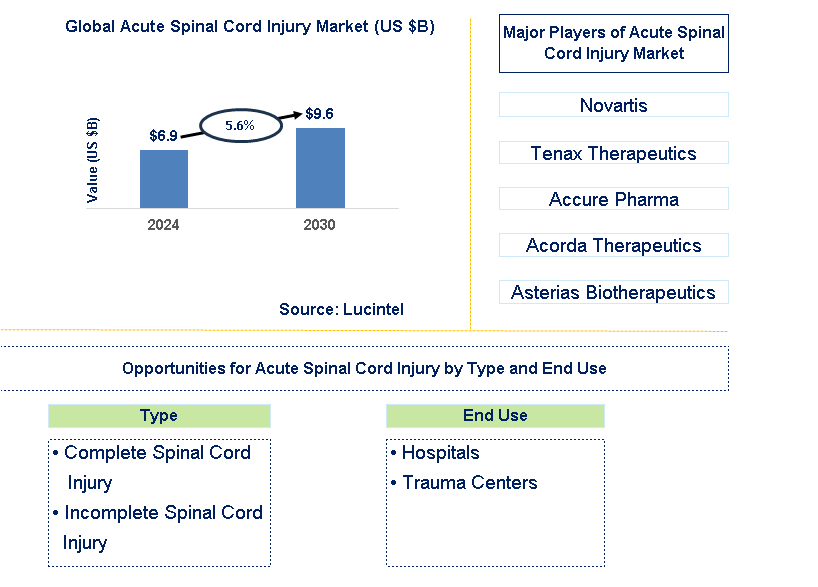
Key data points: The market size in 2030 = $9.6 billion, growth forecast = 5.6% annually for the next 6 years. Scroll below to get more insights. This market report covers trends, opportunities, and forecasts in the global acute spinal cord injury market to 2030 by type (complete spinal cord injury and incomplete spinal cord injury), end use (hospitals and trauma centers), and region (North America, Europe, Asia Pacific, and the Rest of the World)
We'll send your sample report shortly.
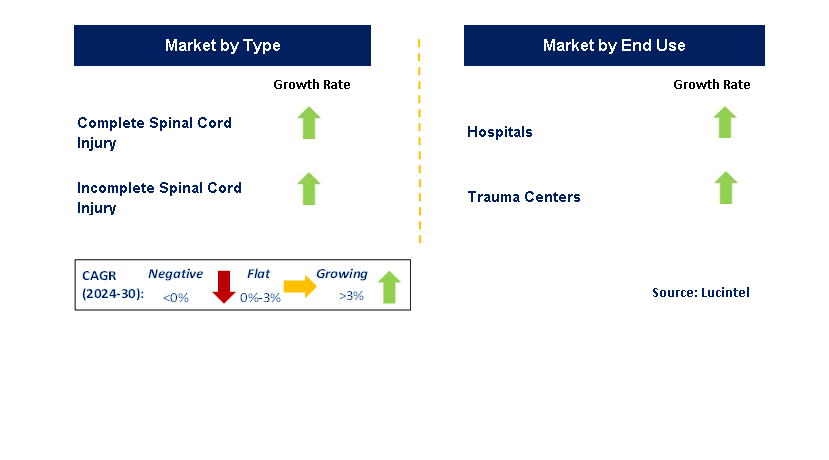
• Lucintel forecasts that, within the type category, incomplete spinal cord injury (ISCI) will remain the a larger segment over the forecast period due to increasing incidence of spinal cord injuries and growing awareness towards treatment of spinal cord injuries.
• Within the end use category, hospital is expected to remain the a larger segment due to growing number of inpatient rehabilitation programs at hospitals to deliver comprehensive services to help people.
• In terms of regions, North America will remain the largest region due to surge in aging population, well-developed healthcare system, and increasing adoption of advanced technologies in the region. Gain valuable insights for your business decisions with our comprehensive 150+ page report.
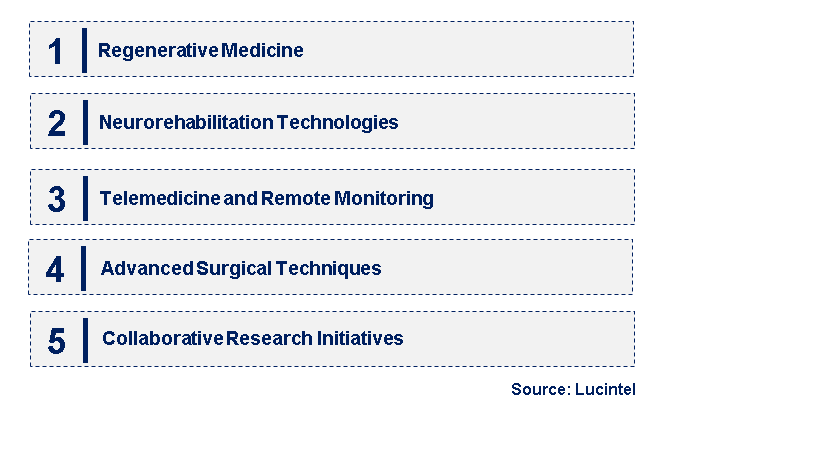
• Regenerative Medicine: Regenerative medicine, including stem cell therapy and gene editing, is emerging as a pivotal trend. These treatments aim to repair damaged spinal cord tissue and restore function. Advances in this field offer new hope for SCI patients, potentially reversing the damage caused by injuries and improving recovery outcomes. Ongoing research and clinical trials are expected to drive further breakthroughs.
• Neurorehabilitation Technologies: Innovations in neurorehabilitation technologies, such as robotic exoskeletons and virtual reality, are enhancing physical therapy for SCI patients. These technologies support motor function recovery and improve rehabilitation efficacy. By providing personalized and intensive rehabilitation programs, these tools help patients regain mobility and independence.
• Telemedicine and Remote Monitoring: Telemedicine and remote monitoring are increasingly integrated into SCI care. These technologies allow for continuous patient monitoring, real-time consultations, and remote adjustments to treatment plans. This trend improves accessibility to care, particularly for patients in remote areas, and facilitates better management of their conditions.
• Advanced Surgical Techniques: Advances in surgical techniques, such as minimally invasive surgeries and precision spinal cord repair, are revolutionizing SCI treatment. These methods reduce recovery times, minimize complications, and enhance overall surgical outcomes. As these techniques become more refined, they are likely to become the standard in acute SCI care.
• Collaborative Research Initiatives: Collaborative research initiatives between academic institutions, biotech firms, and government agencies are accelerating the development of new SCI treatments. These partnerships pool resources and expertise to explore novel therapeutic approaches and improve existing treatments. Such collaborations are crucial for advancing the SCI treatment landscape. These emerging trends are reshaping the acute spinal cord injury market by introducing innovative treatments and improving patient care. Regenerative medicine, neurorehabilitation technologies, telemedicine, advanced surgical techniques, and collaborative research are driving significant changes. As these trends evolve, they are likely to enhance treatment efficacy, increase patient access to care, and accelerate the development of groundbreaking therapies.
• Biologic Therapies: The introduction of new biologic therapies, including monoclonal antibodies and growth factors, is enhancing treatment options for acute SCI. These therapies target specific pathways involved in nerve damage and regeneration, potentially improving recovery outcomes and reducing long-term disability. Clinical trials are ongoing to validate their effectiveness and safety.
• Stem Cell Research: Stem cell research has gained momentum, with several studies exploring the potential of stem cell transplantation to repair spinal cord injuries. Advances in stem cell technology offer new hope for restoring lost functions and improving the quality of life for SCI patients. Research focuses on optimizing stem cell sources and delivery methods.
• Neuroprosthetics Development: The development of advanced neuroprosthetics, such as brain-machine interfaces and spinal cord stimulators, provides new avenues for restoring motor functions. These technologies bridge the gap between the brain and spinal cord, enabling patients to regain control over their movements. Ongoing refinement of neuroprosthetics is expected to enhance their effectiveness and usability.
• Rehabilitation Innovations: Innovations in rehabilitation, including robotic-assisted therapy and personalized rehabilitation programs, are improving patient outcomes. These advancements offer more effective and tailored rehabilitation strategies, supporting motor recovery and functional independence. The integration of new technologies into rehabilitation practices enhances the overall effectiveness of treatment.
• Regulatory Changes: Recent regulatory changes have streamlined the approval process for new SCI treatments and technologies. This has accelerated the availability of innovative therapies and improved patient access to cutting-edge care. The regulatory environment is becoming more supportive of rapid advancements in SCI treatment, benefiting both patients and healthcare providers. These recent developments significantly impact the acute spinal cord injury market by expanding treatment options, improving recovery outcomes, and accelerating the development and availability of new therapies. As these advancements continue to evolve, they promise to enhance patient care and drive further innovations in the field.
• Regenerative Medicine Applications: Regenerative medicine offers significant growth opportunities, particularly through stem cell and gene therapies. These applications aim to repair damaged spinal cord tissue and promote recovery. Investing in research and development in this area can lead to breakthrough treatments and capture a growing market share.
• Advanced Rehabilitation Technologies: The adoption of advanced rehabilitation technologies, such as robotic exoskeletons and virtual reality-based therapy, represents a major growth opportunity. These technologies enhance rehabilitation outcomes and patient engagement. Companies focusing on developing and commercializing these technologies are likely to experience substantial growth.
• Neuroprosthetics Market: The neuroprosthetics market is expanding with innovations in brain-machine interfaces and spinal cord stimulators. These devices offer new possibilities for restoring motor function and improving quality of life. Strategic investments in neuroprosthetics development and market entry can leverage the growing demand for effective SCI treatments.
• Telemedicine Integration: Integrating telemedicine into SCI care provides growth opportunities by enhancing remote monitoring and patient management. This application improves accessibility and convenience for patients, particularly in underserved areas. Companies developing telemedicine solutions tailored to SCI care can tap into a growing market segment.
• Collaborative Research and Development: Collaborative research and development initiatives between academic institutions, biotech firms, and healthcare providers present growth opportunities. These partnerships can accelerate the discovery and commercialization of new SCI treatments. Engaging in collaborative R&D can enhance innovation and drive market expansion. Capitalizing on these strategic growth opportunities reshapes the acute spinal cord injury market by driving innovation, expanding treatment options, and improving patient outcomes. Companies that effectively leverage these opportunities will likely achieve significant market success and contribute to advancing SCI care.
• Technological Advancements: Technological advancements are a major driver, with innovations in spinal cord stimulators, neuroprosthetics, and regenerative medicine improving treatment outcomes. New therapies and devices offer promising solutions for repairing damaged spinal cords and enhancing motor function. Continuous progress in technology is expanding treatment options and driving market growth by providing more effective and personalized care solutions.
• Increased Research Investment: Increased investment in SCI research fuels market growth by accelerating the development of new therapies and clinical trials. Funding from government, private entities, and research institutions supports innovation and the exploration of novel treatment approaches. This investment is crucial for advancing SCI treatment and expanding the availability of cutting-edge therapies, ultimately benefiting patients and enhancing market prospects.
• Regulatory Support: Supportive regulatory environments facilitate the approval and commercialization of new SCI treatments. Streamlined approval processes and incentives for research and development expedite the availability of advanced therapies. This regulatory support is essential for promoting innovation, improving patient access to new treatments, and driving overall market growth by making new therapies more readily available.
• Growing Patient Awareness: Growing awareness about spinal cord injuries and their impact on quality of life drives demand for improved treatments. Increased patient advocacy and educational initiatives highlight the need for effective SCI care and spur investment in research and development. This heightened awareness contributes to market growth by influencing healthcare priorities and expanding the focus on SCI treatment innovations.
• Healthcare System Improvements: Improvements in healthcare infrastructure and accessibility enhance market growth by expanding access to SCI care. Advances in diagnostic tools, treatment facilities, and rehabilitation services lead to better patient outcomes and broader adoption of new therapies. Enhanced healthcare systems support market development by providing a more robust framework for delivering effective SCI treatments. Challenges in the acute spinal cord injury market are:
• High Treatment Costs: High costs associated with advanced treatments and technologies pose a significant challenge. Expensive therapies, including biologic drugs and neuroprosthetics, can limit patient access and impact adoption rates. Addressing cost barriers is crucial for expanding market access and ensuring that innovative treatments are available to a wider patient population.
• Regulatory Hurdles: Regulatory challenges, such as lengthy approval processes and stringent requirements, can delay the introduction of new SCI treatments. Navigating complex regulatory environments can impede market entry and slow the pace of innovation. Streamlining regulatory pathways is essential for accelerating treatment availability and fostering a more dynamic market.
• Limited Research Funding: Despite increased investment, limited funding for research remains a challenge. Insufficient financial support for studies and clinical trials can hinder the development of new therapies. Securing adequate research funding and fostering public-private partnerships are vital for advancing SCI research and overcoming barriers to innovation. The acute spinal cord injury market is significantly shaped by various drivers and challenges. Technological advancements, increased research investment, regulatory support, patient awareness, and healthcare system improvements propel market growth and expand treatment options. However, high treatment costs, regulatory hurdles, and limited research funding pose challenges that impact market dynamics and therapy adoption. Addressing these factors is crucial for optimizing market potential and improving patient care.
• Novartis
• Tenax Therapeutics
• Accure Pharma
• Acorda Therapeutics
• Asterias Biotherapeutics
• ReNetX Bio
• BioArctic
• BioTime
• InVivo Therapeutics
• Kringle Pharma
• Complete Spinal Cord Injury
• Incomplete Spinal Cord Injury
• Hospitals
• Trauma Centers
• North America
• Europe
• Asia Pacific
• The Rest of the World
• United States: The U.S. market for Acute SCI has seen significant advancements with the introduction of new biologic therapies and spinal cord stimulators. Research into regenerative medicine, such as stem cell therapy and gene editing, has gained momentum, aiming to restore lost functions. Additionally, policy reforms have increased funding for SCI research and improved patient access to cutting-edge treatments. Telemedicine and digital health technologies have also become integral in patient management, enhancing remote monitoring and personalized care.
• China: China's Acute SCI market is rapidly expanding due to increased government support and investments in healthcare infrastructure. There has been a notable rise in clinical trials for advanced treatment options, including novel pharmacological agents and rehabilitation technologies. The focus is also on integrating traditional Chinese medicine with modern SCI treatments to enhance recovery outcomes. The growing emphasis on research and development, coupled with an increasing patient population, is driving market growth in this region.
• Germany: Germany's Acute SCI market benefits from its robust healthcare system and innovative research environment. Recent developments include the advancement of robotic-assisted rehabilitation technologies and neuroprosthetics. The German government has also supported initiatives aimed at improving clinical guidelines and patient management protocols. Additionally, collaborations between research institutions and biotechnology firms have led to promising new therapies, further enhancing the treatment landscape for acute spinal cord injuries.
• India: India's Acute SCI market is experiencing growth driven by increasing awareness and improved healthcare access. There is a rise in clinical trials focused on regenerative medicine and advanced surgical techniques. The integration of technology in diagnostics and treatment planning is improving patient outcomes. Moreover, government initiatives and partnerships with international organizations are facilitating research and development efforts, contributing to the expansion of SCI treatment options in the country.
• Japan: Japan's Acute SCI market is marked by significant technological advancements and research initiatives. Recent developments include progress in neurorehabilitation technologies and the implementation of advanced surgical techniques. The Japanese government has been active in funding research and development, particularly in areas such as stem cell therapy and neuroprotection. Collaboration between academic institutions and private companies is driving innovation and improving treatment options for patients with acute spinal cord injuries.


• Novartis
• Tenax Therapeutics
• Accure Pharma
• Acorda Therapeutics
• Asterias Biotherapeutics
• ReNetX Bio
• BioArctic
• BioTime
• InVivo Therapeutics
• Kringle Pharma Q6. Which acute spinal cord injury market segment will be the largest in future? Answer: Lucintel forecasts that incomplete spinal cord injury (ISCI) will remain the larger segment over the forecast period due to increasing incidence of spinal cord injuries and growing awareness towards treatment of spinal cord injuries. Q7. In acute spinal cord injury market, which region is expected to be the largest in next 5 years? Answer: North America will remain the largest region due to surge in aging population, well-developed healthcare system, and increasing adoption of advanced technologies in the region. Q.8 Do we receive customization in this report? Answer: Yes, Lucintel provides 10% customization without any additional cost.


Choose a license that fits your team. Instant PDF delivery.
Prices exclude taxes. Instant delivery. Custom licensing available on request.
Market Report · July 16, 2026
Market Report · July 15, 2026
Market Report · July 15, 2026
Trusted partner for strategic intelligence and business growth


Receive a complimentary market analysis tailored to your industry. Our analysts will identify key growth opportunities and competitive dynamics specific to your business.

Market size, growth rate, and key trend analysis for your specific sector.

Top competitor positioning and market share analysis.

Strategic recommendations backed by data-driven insights.
Get curated market intelligence and competitive moves straight to your inbox.
By subscribing, you agree to receive our monthly insights. Unsubscribe anytime.
Receive a complimentary market analysis tailored to your industry. Our analysts will identify key growth opportunities and competitive dynamics specific to your business.
Market size, growth rate, and key trend analysis for your specific sector.
Top competitor positioning and market share analysis.
Strategic recommendations backed by data-driven insights.
Get curated market intelligence, emerging trends, and competitive moves straight to your inbox each month.
By subscribing, you agree to receive our monthly insights. Unsubscribe anytime.
We'll send your sample report shortly.