
Market Report · July 16, 2026

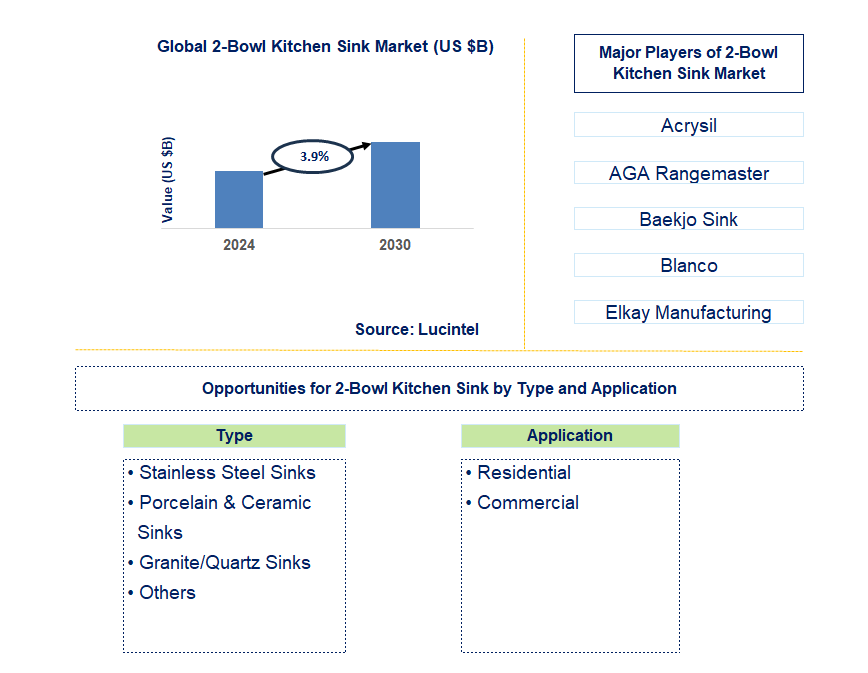
Key data points: The growth forecast = 3.9% annually for the next 6 years. Scroll below to get more insights. This market report covers trends, opportunities, and forecasts in the global 2-bowl kitchen sink market to 2030 by type (stainless steel sinks, porcelain & ceramic sinks, granite/quartz sinks, and others), application (residential and commercial), and region (North America, Europe, Asia Pacific, and the Rest of the World)
We'll send your sample report shortly.
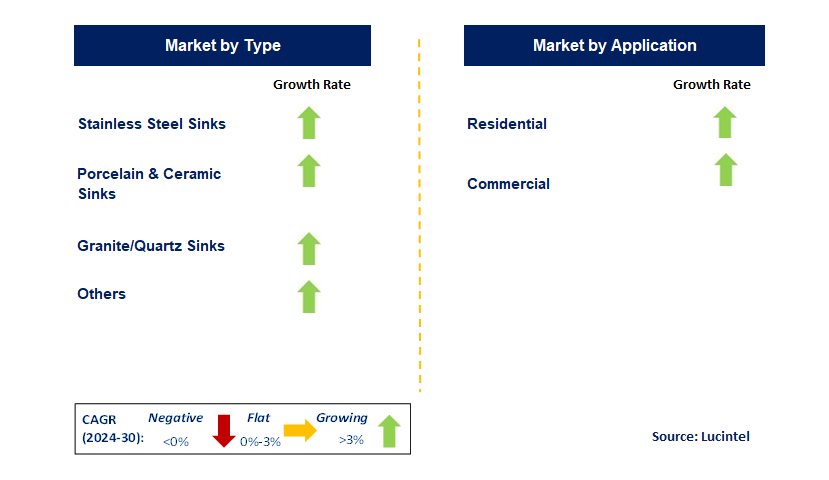
• Lucintel forecasts that, Within the type category, stainless steel is expected to witness the highest growth over the forecast period.
• Within the application category, residential is expected to witness higher growth.
• In terms of regions, APAC is expected to witness the highest growth over the forecast period. Gain valuable insights for your business decisions with our comprehensive 150+ page report.
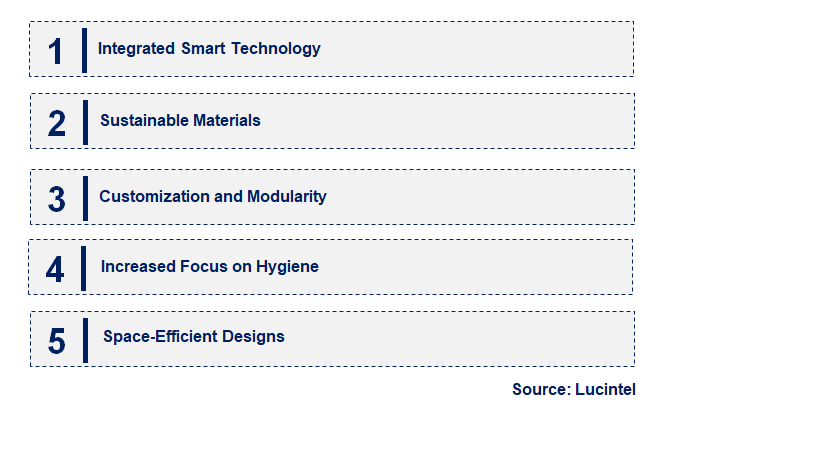
• Integrated Smart Technology: Smart technology is revolutionizing kitchen sinks with features like touchless faucets, integrated sensors, and built-in water filtration systems. These innovations enhance convenience, hygiene, and efficiency. For example, touchless faucets reduce water wastage and limit the spread of germs, while integrated sensors provide real-time feedback on water usage. This trend caters to tech-savvy consumers looking for modern, high-functionality kitchen solutions and drives manufacturers to invest in advanced features that integrate seamlessly into smart home ecosystems.
• Sustainable Materials: There is a growing shift towards sustainable materials in the 2-bowl kitchen sink market. Consumers and manufacturers are increasingly opting for eco-friendly options such as recycled steel, composite materials made from reclaimed stone, and low-impact manufacturing processes. This trend is driven by heightened environmental awareness and the desire for products that align with sustainable living practices. Sustainable materials not only offer a reduced environmental footprint but also appeal to consumers seeking to make environmentally responsible choices in their home renovations.
• Customization and Modularity: Customizable and modular sink designs are gaining popularity, allowing consumers to tailor their kitchen sinks to specific needs and preferences. Features like removable components, adjustable draining boards, and built-in accessories enable users to create a sink setup that best fits their cooking habits and kitchen layout. This trend reflects a broader demand for personalization in home products, giving consumers greater control over functionality and aesthetics and enhancing the overall usability of kitchen spaces.
• Increased Focus on Hygiene: Hygiene is becoming a primary concern in the 2-bowl kitchen sink market, leading to innovations such as antimicrobial coatings and self-cleaning surfaces. Consumers are looking for sinks that offer easy maintenance and enhanced cleanliness to prevent bacterial growth and reduce the risk of contamination. This trend is especially relevant in a post-pandemic context where cleanliness and health are top priorities. Manufacturers are responding by incorporating advanced materials and technologies that support better hygiene standards.
• Space-Efficient Designs: As urban living spaces become more compact, there is a growing demand for space-efficient kitchen sink designs. This trend includes sinks with slim profiles, integrated features that save counter space, and dual-bowl configurations that maximize functionality without taking up excess room. Space-efficient designs are particularly important in cities where kitchens are often smaller and multifunctional. By focusing on compact yet versatile designs, manufacturers are addressing the needs of consumers living in high-density areas with limited kitchen space. The 2-bowl kitchen sink market reveals a shift towards enhanced functionality and modern design. Consumers are increasingly favoring sinks with integrated features like built-in drying racks, cutting boards, and advanced drainage systems, which offer greater convenience and efficiency in kitchen tasks. Additionally, there is a growing preference for durable materials, such as composite granite and stainless steel with antimicrobial properties, that blend style with practicality. As aesthetics and usability converge, the 2-bowl sink is evolving to meet the needs of contemporary kitchens, emphasizing both versatility and elegance in its design.
• Advancements in Materials: The use of advanced materials such as composite and quartz blends is transforming the 2-bowl kitchen sink market. These materials offer superior durability, scratch resistance, and a variety of aesthetic options compared to traditional stainless steel. Composite sinks, for example, are known for their non-porous surface that resists staining and makes cleaning easier. This shift towards high-performance materials meets consumer demands for long-lasting and visually appealing products, driving growth in segments that prioritize quality and design.
• Integration of Smart Features: Smart technology integration is a major development in the market, with features such as touchless faucets, built-in sensors, and automatic water dispensers becoming increasingly common. These innovations enhance user convenience and promote efficient water use. Smart sinks can also connect with home automation systems, offering seamless control and monitoring. This development caters to tech-oriented consumers and reflects broader trends towards smart home integration, making kitchen tasks more efficient and enjoyable.
• Enhanced Hygiene Solutions: There is a notable increase in sinks designed with enhanced hygiene features, such as antimicrobial coatings and self-cleaning functions. These solutions address growing consumer concerns about cleanliness and safety, particularly in the wake of heightened health awareness. Sinks with these features help reduce bacterial growth and facilitate easier maintenance, aligning with consumer priorities for sanitary kitchen environments. Manufacturers are investing in these technologies to meet the demand for more hygienic and low-maintenance kitchen solutions.
• Customizable and Modular Designs: Customizable and modular sink designs are becoming more prevalent, allowing consumers to adjust their sinks according to their specific needs. Features such as interchangeable parts, adjustable draining racks, and integrated accessories enable a personalized approach to kitchen functionality. This development caters to the desire for flexible, adaptable home products and reflects a broader trend towards personalized home solutions. It also supports the growing trend of DIY and bespoke kitchen installations.
• Focus on Sustainability: The 2-bowl kitchen sink market is increasingly focused on sustainability, with manufacturers adopting eco-friendly materials and processes. Sustainable options include sinks made from recycled materials, low-impact manufacturing techniques, and products designed for longevity. This development responds to rising consumer awareness of environmental issues and the demand for products that minimize ecological impact. By prioritizing sustainability, manufacturers not only meet consumer expectations but also contribute to broader environmental goals. The 2-bowl kitchen sink market is evolving rapidly due to advancements in materials, technology, and design. Key trends such as smart technology integration, sustainability, and customization are driving change and shaping consumer preferences. Overall, these trends and developments are transforming the market, leading to more innovative, functional, and environmentally conscious kitchen solutions. As consumer expectations continue to shift, manufacturers must adapt to stay competitive and meet the demands of a modern, discerning audience.
• Integration with Smart Home Systems: Integrating 2-bowl kitchen sinks with smart home systems offers a significant growth opportunity. Features such as touchless faucets, sensors, and app-controlled water management align with the growing trend towards smart homes. This integration enhances convenience and functionality, appealing to tech-savvy consumers. By developing sinks that connect seamlessly with home automation systems, manufacturers can tap into the expanding market for smart home products and differentiate themselves from competitors.
• Eco-Friendly and Sustainable Designs: The demand for eco-friendly and sustainable kitchen products is driving growth in the 2-bowl sink market. Sinks made from recycled materials or with low-impact manufacturing processes cater to environmentally conscious consumers. By focusing on sustainable designs, manufacturers can attract a growing segment of the market that values environmental responsibility. This trend not only meets consumer demand but also aligns with broader sustainability goals, positioning companies as leaders in eco-friendly innovations.
• Customization and Modular Solutions: Offering customizable and modular sink solutions presents a key growth opportunity. Consumers increasingly seek products that can be tailored to their specific needs and preferences. Modular sinks that include interchangeable components, adjustable features, and built-in accessories allow for personalization and improved functionality. This approach caters to diverse kitchen layouts and user requirements, making it possible for manufacturers to appeal to a broader audience and enhance customer satisfaction through flexible product offerings.
• Integration of Hygiene Enhancements: As hygiene becomes a top priority, integrating enhanced hygiene features into 2-bowl kitchen sinks offers a valuable growth opportunity. Sinks with antimicrobial coatings, self-cleaning functions, and easy-to-maintain surfaces address consumer concerns about cleanliness and health. By developing products that prioritize hygiene, manufacturers can meet rising demand for sanitary kitchen solutions and differentiate their offerings in a competitive market focused on health and safety.
• Space-Efficient Designs for Urban Living: The growing trend towards urban living with smaller kitchen spaces creates an opportunity for space-efficient 2-bowl sink designs. Compact, dual-bowl configurations that maximize functionality without occupying excessive space are in high demand. By creating sinks that cater to smaller, urban kitchens, manufacturers can address the needs of city dwellers and expand their market reach. This focus on space efficiency aligns with current housing trends and meets the practical needs of modern consumers. The 2-bowl kitchen sink market is evolving with significant growth opportunities arising from smart home integration, sustainability, customization, hygiene enhancements, and space efficiency. These opportunities reflect broader consumer trends and technological advancements, providing manufacturers with avenues to innovate and capture market share. By aligning product development with these strategic growth areas, companies can enhance their competitive edge and meet the evolving needs of their target audiences.
• Technological Advancements: Technological advancements are a major driver in the 2-bowl kitchen sink market. Innovations such as smart home integration, touchless faucets, and advanced materials enhance functionality and appeal to modern consumers. These technologies not only improve user convenience but also align with the broader trend towards smart home solutions. As technology continues to evolve, manufacturers can leverage these advancements to differentiate their products and attract tech-savvy buyers.
• Growing Consumer Focus on Sustainability: Increasing consumer awareness of environmental issues is driving demand for sustainable kitchen products. Eco-friendly materials, energy-efficient designs, and recyclable components are becoming important factors in purchasing decisions. This shift towards sustainability reflects a broader commitment to environmental responsibility, prompting manufacturers to adopt greener practices and offer products that meet consumer expectations for eco-conscious living.
• Rising Urbanization and Smaller Living Spaces: Urbanization and the trend towards smaller living spaces are fueling demand for space-efficient kitchen solutions. Compact, functional designs that maximize utility in limited space are becoming increasingly important. As more consumers move to urban areas with smaller kitchens, manufacturers that offer innovative, space-saving sink designs will be better positioned to meet market needs and capitalize on this growing segment.
• Increased Emphasis on Hygiene: The heightened focus on hygiene, accelerated by recent health concerns, is driving the development of sinks with enhanced hygiene features. Antimicrobial coatings, self-cleaning technologies, and easy-to-maintain surfaces are becoming key selling points. This emphasis on hygiene meets consumer demand for safer and cleaner kitchen environments, influencing manufacturers to prioritize these features in their product designs.
• Consumer Preference for Customization: The desire for personalized and customizable kitchen products is a significant driver in the market. Consumers are increasingly looking for sinks that can be tailored to their specific needs and preferences, such as modular designs and adjustable features. By offering customization options, manufacturers can cater to individual tastes and requirements, enhancing customer satisfaction and expanding their market reach. Challenges in the 2-bowl kitchen sink market are:
• High Manufacturing Costs: High manufacturing costs, driven by the use of advanced materials and technologies, pose a challenge for the 2-bowl kitchen sink market. Producing high-quality sinks with innovative features can be expensive, impacting pricing strategies and profit margins. Manufacturers must balance the costs of production with market pricing to remain competitive while maintaining product quality and affordability.
• Intense Market Competition: The 2-bowl kitchen sink market is highly competitive, with numerous players vying for market share. This intense competition can lead to price wars, reduced margins, and pressure to constantly innovate. Companies must differentiate their products through unique features, quality, and design to stand out in the crowded market and attract consumers.
• Regulatory Compliance: Adhering to various regulatory standards and certifications can be challenging for manufacturers. Compliance with safety, environmental, and health regulations requires continuous monitoring and adaptation, which can increase operational costs and complexity. Ensuring that products meet regulatory requirements is essential for market entry and acceptance but adds an additional layer of complexity to the manufacturing process. The 2-bowl kitchen sink market is shaped by several key drivers, including technological advancements, sustainability, urbanization, hygiene emphasis, and customization. However, challenges such as high manufacturing costs, intense competition, and regulatory compliance also impact the market. Addressing these drivers and overcoming challenges is crucial for manufacturers to succeed in a dynamic and competitive landscape. Balancing innovation with cost-effectiveness and regulatory adherence will be essential for capturing growth opportunities and maintaining market relevance.
• Acrysil
• AGA Rangemaster
• Baekjo Sink
• Blanco
• Elkay Manufacturing
• Franke Holding
• Jomoo Group
• Kohler
• Moen
• Ningbo Oulin Kitchen Utensils
• Stainless Steel Sinks
• Porcelain & Ceramic Sinks
• Granite/Quartz Sinks
• Others
• Residential
• Commercial
• North America
• Europe
• Asia Pacific
• The Rest of the World
• United States: In the U.S., the 2-bowl kitchen sink market has been marked by a growing emphasis on customization and high-end materials. Stainless steel remains popular for its durability and ease of maintenance, but there is increasing interest in composite materials and undermount designs for a sleek look. Smart sink features, such as built-in faucets with touchless technology and integrated water filtration systems, are gaining traction. Additionally, there is a notable shift towards larger, deeper bowls to accommodate diverse cooking needs and enhance convenience.
• China: China’s 2-bowl kitchen sink market is seeing a surge in demand for modern, space-saving designs due to the increasing size of urban kitchens and changing lifestyle needs. There is a growing preference for sinks made from durable materials like quartz composite and ceramic, which offer both aesthetic appeal and functional benefits. Innovations such as built-in draining boards and multi-functional features are becoming more common. Additionally, increased consumer awareness of hygiene is driving interest in sinks with antimicrobial properties.
• Germany: In Germany, the market is characterized by a focus on minimalist and ergonomic designs. German consumers prioritize quality and functionality, with a strong preference for high-grade stainless steel and durable composite materials. Innovations in sink technology, such as integrated waste disposal systems and energy-efficient water management solutions, are also prominent. There is a trend towards modular sink units that can be customized with additional features like cutting boards and colanders, aligning with the country’s emphasis on practical and efficient home solutions.
• India: The 2-bowl kitchen sink market in India is expanding as urbanization and home ownership increase. There is a notable shift towards stainless steel sinks due to their affordability and durability. The rise in nuclear families and smaller kitchen spaces is leading to a preference for compact designs that do not compromise functionality.
• Japan: In Japan, the 2-bowl kitchen sink market is influenced by space constraints and a cultural emphasis on precision and quality. Japanese consumers favor sinks that offer space efficiency, with features like compact, dual-bowl configurations and integrated draining systems. High-quality materials such as stainless steel and composite are preferred for their longevity and ease of maintenance. Innovations like sinks with integrated drying racks and multi-functional components cater to the demand for maximizing kitchen efficiency in smaller living spaces.


• Acrysil
• AGA Rangemaster
• Baekjo Sink
• Blanco
• Elkay Manufacturing
• Franke Holding
• Jomoo Group
• Kohler
• Moen
• Ningbo Oulin Kitchen Utensils Q5. Which 2-bowl kitchen sink market segment will be the largest in future? Answer: Lucintel forecasts that, Within the type category, stainless steel is expected to witness the highest growth over the forecast period. Q6. In 2-bowl kitchen sink market, which region is expected to be the largest in next 5 years? Answer: In terms of regions, APAC is expected to witness the highest growth over the forecast period. Q.7 Do we receive customization in this report? Answer: Yes, Lucintel provides 10% customization without any additional cost.


Choose a license that fits your team. Instant PDF delivery.
Prices exclude taxes. Instant delivery. Custom licensing available on request.
Market Report · July 16, 2026
Market Report · July 15, 2026
Market Report · July 10, 2026
Trusted partner for strategic intelligence and business growth


Receive a complimentary market analysis tailored to your industry. Our analysts will identify key growth opportunities and competitive dynamics specific to your business.

Market size, growth rate, and key trend analysis for your specific sector.

Top competitor positioning and market share analysis.

Strategic recommendations backed by data-driven insights.
Get curated market intelligence and competitive moves straight to your inbox.
By subscribing, you agree to receive our monthly insights. Unsubscribe anytime.
Receive a complimentary market analysis tailored to your industry. Our analysts will identify key growth opportunities and competitive dynamics specific to your business.
Market size, growth rate, and key trend analysis for your specific sector.
Top competitor positioning and market share analysis.
Strategic recommendations backed by data-driven insights.
Get curated market intelligence, emerging trends, and competitive moves straight to your inbox each month.
By subscribing, you agree to receive our monthly insights. Unsubscribe anytime.
We'll send your sample report shortly.