
Market Report · July 22, 2026

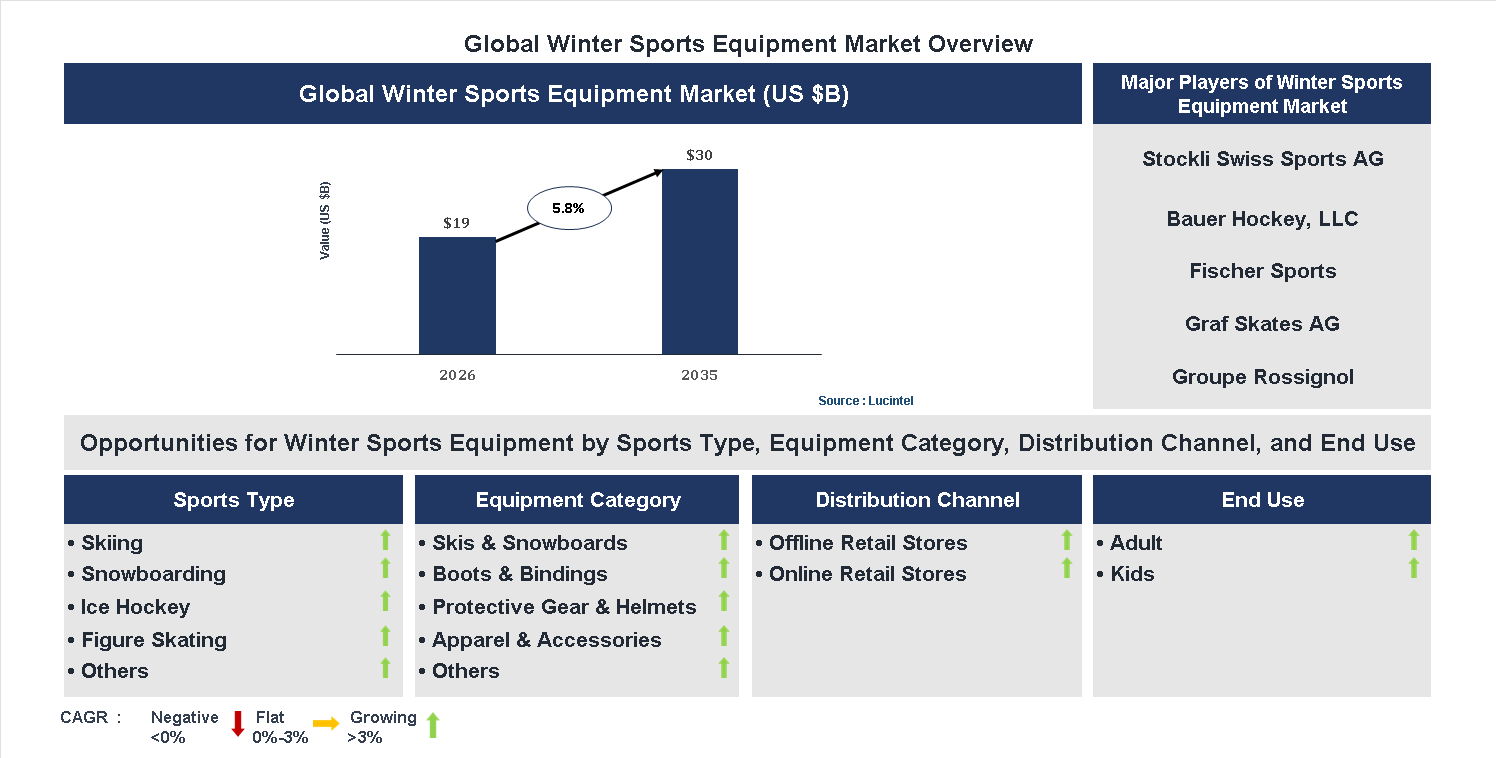
Key data points: The market size in 2035 = $30 billion, growth forecast = 5.8% annually for the next 8 years. Scroll below to get more insights. This market report covers trends, opportunities and forecasts in winter sports equipment market to 2035 by sports type (skiing, snowboarding, ice hockey, figure skating, and others), equipment category (skis & snowboards, boots & bindings, protective gear & helmets, apparel & accessories, and others), distribution channel (offline retail stores and online retail stores), end use (adult and kids), and region (North America, Europe, Asia Pacific, and the Rest of the World)
We'll send your sample report shortly.
• Lucintel forecasts that, within the sports type category, skiing is expected to witness the highest growth over the forecast period.
• Within the distribution channel category, online retail store is expected to witness the highest growth.
• In terms of region, APAC is expected to witness the highest growth over the forecast period. Gain valuable insights for your business decisions with our comprehensive 150+ page report. Sample figures with some insights are shown below.
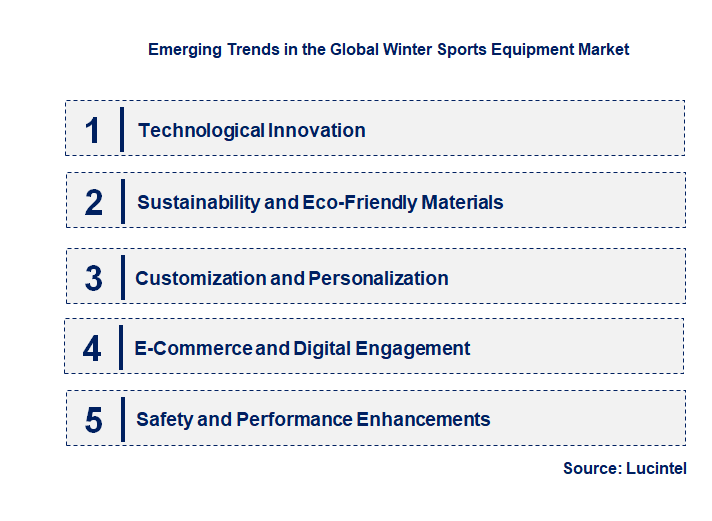
• Technological Innovation: Smart technology is increasingly embedded in winter sports equipment, such as helmets with built-in communication systems and skis with sensors that track performance metrics. These innovations enhance safety, improve user experience, and provide valuable data for athletes. The adoption of wearable tech and IoT-enabled gear allows for real-time feedback, personalized training, and injury prevention. As consumers seek more connected and high-performance equipment, manufacturers are investing heavily in R&D to develop smarter products, which are expected to drive market growth and differentiate brands.
• Sustainability and Eco-Friendly Materials: Environmental concerns are prompting a shift toward sustainable manufacturing practices in the winter sports equipment industry. Companies are adopting eco-friendly materials like recycled plastics, bio-based composites, and biodegradable components to reduce carbon footprints. Additionally, there is a focus on designing durable, long-lasting products to minimize waste. This trend appeals to environmentally conscious consumers and aligns with global efforts to combat climate change. The emphasis on sustainability is not only shaping product development but also influencing brand reputation and consumer loyalty, fostering a more responsible industry.
• Customization and Personalization: Consumers increasingly demand tailored products that suit their specific needs and preferences. Manufacturers are offering customizable options for skis, snowboards, and apparel, allowing users to select features such as size, design, and performance characteristics. Advanced manufacturing techniques like 3D printing facilitate rapid prototyping and personalized production. This trend enhances customer satisfaction, builds brand loyalty, and provides a competitive edge. As personalization becomes more accessible, the market is witnessing a shift toward unique, user-centric products that cater to diverse skill levels and styles.
• E-Commerce and Digital Engagement: The rise of online retail platforms and digital marketing strategies is transforming how consumers access winter sports equipment. E-commerce provides convenience, wider product selection, and competitive pricing, attracting a broader customer base. Virtual try-ons, augmented reality (AR) fitting tools, and online tutorials improve the shopping experience. Social media and influencer marketing further boost brand visibility and engagement. This digital shift enables brands to reach global markets efficiently, gather customer insights, and adapt quickly to trends, making e-commerce a vital component of market expansion and sales growth.
• Safety and Performance Enhancements: Safety remains a top priority in winter sports equipment development. Innovations include impact-absorbing materials, improved bindings, and advanced helmet designs to reduce injury risks. Performance enhancements focus on lightweight, durable, and aerodynamic gear to improve agility and speed. The integration of materials science and engineering advances results in equipment that offers better control, comfort, and safety. These improvements attract both amateur and professional athletes, expanding the market. As safety standards evolve and consumer awareness increases, manufacturers are continuously innovating to meet these demands, thereby elevating overall product quality and market confidence. These trends are collectively transforming the winter sports equipment market by fostering innovation, promoting sustainability, enhancing customization, expanding digital engagement, and prioritizing safety. This dynamic environment encourages brands to adapt swiftly, meet evolving consumer expectations, and capitalize on new opportunities, ultimately driving growth and competitiveness in the industry.
• Technological Innovations in Equipment: Advancements in materials and design are improving performance and safety, attracting more consumers.
• Sustainable and Eco-Friendly Products: Growing environmental awareness is driving demand for sustainable gear, influencing manufacturing practices.
• Expansion of E-Commerce Channels: Online platforms are increasing accessibility and variety, boosting sales and consumer engagement.
• Growing Tourism and Winter Sports Destinations: New resorts and destinations are expanding the market, encouraging more participation.
• Customization and Digital Integration: Personalized gear and smart technology are enhancing user experience and brand loyalty. The recent developments in technology, sustainability, digital channels, tourism, and customization are significantly impacting the winter sports equipment market. These trends are fostering innovation, expanding consumer base, and increasing sales opportunities. Companies that adapt to these changes are likely to gain competitive advantages, while the market as a whole is poised for sustained growth driven by evolving consumer preferences and global participation in winter sports activities.
• Innovation in Material Technology Enhances Equipment Performance: Advances in lightweight, durable, and eco-friendly materials are revolutionizing winter sports gear. These innovations improve safety, comfort, and performance, attracting both amateurs and professionals. Companies investing in R&D are developing high-performance skis, snowboards, and apparel that withstand harsh conditions while reducing weight. This technological progress enables brands to differentiate their products, meet consumer expectations, and expand their market share, ultimately driving overall industry growth.
• Rising Participation in Winter Sports Globally Presents Growth Opportunities: Increasing participation rates, especially among younger demographics and in emerging markets, are boosting demand for winter sports equipment. Tourism initiatives and winter sports events are encouraging more enthusiasts to engage in activities like skiing, snowboarding, and ice skating. This trend is supported by improved access to resorts and affordable travel options. As participation expands, manufacturers are developing a broader range of products tailored to different skill levels, fueling market expansion.
• E-commerce Expansion Facilitates Market Penetration and Consumer Reach: The growth of online retail channels is transforming how consumers purchase winter sports equipment. E-commerce offers wider product selection, competitive pricing, and convenient shopping experiences, especially in remote or underserved areas. Digital marketing and virtual try-on technologies enhance customer engagement. Market players are investing in online platforms and direct-to-consumer models to increase sales, gather customer insights, and build brand loyalty, thereby accelerating market growth and reaching new customer segments.
• Strategic Collaborations and Sponsorships Drive Brand Visibility and Innovation: Partnerships with sports teams, athletes, and event organizers enhance brand recognition and credibility. Collaborations facilitate co-branded product lines and innovative designs tailored to athlete needs. Sponsorship of winter sports events increases exposure and attracts new consumers. These strategic alliances foster innovation, improve product quality, and expand market reach, ultimately strengthening competitive positioning and stimulating overall industry growth.
• Focus on Sustainability and Eco-Friendly Products Meets Consumer Demand: Growing environmental awareness is prompting companies to develop sustainable winter sports equipment. Use of recycled materials, eco-friendly manufacturing processes, and biodegradable packaging appeal to environmentally conscious consumers. Brands that prioritize sustainability can differentiate themselves and build brand loyalty. This shift not only aligns with global environmental goals but also opens new market segments, encouraging innovation and responsible growth within the winter sports equipment industry. The overall market outlook is positively influenced by these opportunities, promising sustained growth, innovation, and diversification. As companies leverage technological advancements, expanding participation, and sustainability trends, the winter sports equipment market is poised for robust development, catering to evolving consumer preferences and emerging global markets.
• Technological Innovation: The integration of advanced materials and manufacturing techniques has resulted in lighter, more durable, and high-performance equipment. Innovations such as carbon fiber skis and smart helmets enhance user experience and safety, attracting more consumers. Continuous R&D investments foster product differentiation and market expansion, especially among enthusiasts seeking premium gear. These technological advancements also enable manufacturers to meet evolving safety standards and environmental regulations, further boosting market growth.
• Rising Disposable Income and Tourism: Increasing disposable income levels in emerging economies have expanded consumer spending on leisure activities, including winter sports. The growth of winter tourism destinations and improved accessibility to ski resorts encourage participation in winter sports, driving demand for equipment. Additionally, marketing campaigns and global sporting events attract new participants, broadening the customer base. This economic upliftment directly correlates with higher sales of skis, snowboards, and apparel, fueling market expansion.
• Growing Popularity of Winter Sports: The rising popularity of winter sports such as skiing, snowboarding, and ice skating among all age groups has significantly contributed to market growth. Media coverage of winter sports events and the influence of social media promote participation and brand awareness. The increasing number of winter sports enthusiasts and amateur athletes seeking quality equipment fuels demand. Moreover, the trend towards adventure tourism and fitness activities further propels the market, encouraging manufacturers to innovate and diversify their product offerings.
• Environmental Sustainability and Regulations: Growing awareness of environmental issues has led to stricter regulations on manufacturing processes and product materials. Companies adopting eco-friendly practices, such as using recycled materials and sustainable production methods, appeal to environmentally conscious consumers. Regulatory standards related to safety and environmental impact also influence product design and innovation. These factors drive market players to develop sustainable equipment, which can open new market segments and enhance brand reputation, ultimately supporting market growth. The challenges in the winter sports equipment market are:
• Seasonal and Climatic Variability: The market is highly dependent on winter weather conditions, which are increasingly unpredictable due to climate change. Shorter winter seasons and warmer temperatures reduce the duration and intensity of winter sports activities, negatively impacting sales. This variability creates inventory management challenges and affects revenue stability for manufacturers and retailers. Additionally, geographic limitations restrict market expansion in regions with less predictable winter climates, posing a significant obstacle to sustained growth.
• High Cost of Equipment: Advanced winter sports equipment often involves significant investment in research, development, and high-quality materials, resulting in high retail prices. This limits accessibility for a broader consumer base, especially in emerging markets. The high cost can deter casual or beginner participants, restricting market growth to more affluent segments. Moreover, economic downturns and fluctuating exchange rates can further impact affordability and sales, posing ongoing challenges for market players.
• Regulatory and Safety Standards: Stringent safety regulations and standards require continuous compliance and product innovation, increasing costs for manufacturers. Meeting these standards involves rigorous testing and certification processes, which can delay product launches and increase R&D expenses. Non-compliance risks include legal penalties and damage to brand reputation. As safety and environmental regulations evolve, companies must adapt quickly, which can strain resources and hinder rapid market expansion, especially for smaller players. The winter sports equipment market is shaped by technological advancements, economic growth, and increasing popularity of winter sports, which collectively drive demand. However, challenges such as climate variability, high equipment costs, and evolving regulatory standards pose significant hurdles. These factors create a dynamic environment where innovation and adaptability are crucial. While growth prospects remain promising, market participants must strategically navigate seasonal fluctuations and regulatory complexities to sustain long-term success. Overall, the market's future will depend on balancing technological progress and sustainability with managing environmental and economic challenges.
• Stockli Swiss Sports AG
• Bauer Hockey, LLC
• Fischer Sports
• Graf Skates AG
• Groupe Rossignol
• Amer Sports
• Decathlon SA
• Burton Snowboards
• Head NV
• K2 Sports
• Skiing
• Snowboarding
• Ice Hockey
• Figure Skating
• Others
• Skis & Snowboards
• Boots & Bindings
• Protective Gear & Helmets
• Apparel & Accessories
• Others
• Offline Retail Stores
• Online Retail Stores
• Adult
• Kids
• North America
• Europe
• Asia Pacific
• The Rest of the World
• United States: The US market has seen increased adoption of eco-friendly materials and smart technology integration in winter sports gear. Major brands are investing in sustainable manufacturing processes and digital features like GPS tracking and performance analytics. There is also a rising trend in rental and second-hand equipment, driven by cost-conscious consumers and environmental concerns. Additionally, outdoor winter sports tourism has boosted demand for high-performance gear, especially in ski resorts across Colorado and Utah.
• China: China’s winter sports equipment market is rapidly expanding due to government initiatives promoting winter sports ahead of the 2022 Beijing Winter Olympics. Innovations include lightweight, durable materials and the integration of smart sensors for real-time performance feedback. Domestic brands are gaining ground against international competitors through competitive pricing and localized designs. The market is also witnessing increased online sales channels and the development of winter sports infrastructure in northern regions, encouraging broader participation.
• Germany: Germany remains a leader in high-quality winter sports equipment, emphasizing technological innovation and sustainability. Recent developments include the use of recycled materials and energy-efficient manufacturing processes. German companies are focusing on safety features, such as improved bindings and protective gear, and expanding their product lines to include versatile equipment suitable for various winter conditions. The country also hosts major winter sports trade fairs, fostering innovation and collaboration within the industry.
• India: The Indian winter sports equipment market is still emerging but shows promising growth potential. Recent developments include the introduction of affordable, lightweight gear tailored for beginners and youth. There is a growing interest in winter adventure tourism, prompting local brands to develop specialized equipment. Additionally, online retail platforms are expanding access to winter sports gear in hill stations like Manali and Gulmarg, supported by government initiatives to promote winter tourism and sports infrastructure development.
• Japan: Japan’s winter sports equipment market continues to innovate with a focus on advanced materials and ergonomic designs. Recent trends include the integration of wearable technology and enhanced safety features. The country’s strong winter sports culture, especially in regions like Hokkaido and Nagano, drives demand for high-performance gear. Japanese companies are also investing in sustainable practices, such as using recycled materials and reducing carbon footprints, to meet global environmental standards and consumer expectations.


• Stockli Swiss Sports AG
• Bauer Hockey, LLC
• Fischer Sports
• Graf Skates AG
• Groupe Rossignol
• Amer Sports
• Decathlon SA
• Burton Snowboards
• Head NV
• K2 Sports Q6. Which winter sports equipment market segment will be the largest in future? Answer: Lucintel forecasts that, within the sports type category, skiing is expected to witness the highest growth over the forecast period. Q7. In winter sports equipment market, which region is expected to be the largest in next 5 years? Answer: In terms of region, APAC is expected to witness the highest growth over the forecast period. Q8. Do we receive customization in this report? Answer: Yes, Lucintel provides 10% customization without any additional cost.


Choose a license that fits your team. Instant PDF delivery.
Prices exclude taxes. Instant delivery. Custom licensing available on request.
Market Report · July 22, 2026
Market Report · July 16, 2026
Market Report · May 18, 2026
Trusted partner for strategic intelligence and business growth


Receive a complimentary market analysis tailored to your industry. Our analysts will identify key growth opportunities and competitive dynamics specific to your business.

Market size, growth rate, and key trend analysis for your specific sector.

Top competitor positioning and market share analysis.

Strategic recommendations backed by data-driven insights.
Get curated market intelligence and competitive moves straight to your inbox.
By subscribing, you agree to receive our monthly insights. Unsubscribe anytime.
Receive a complimentary market analysis tailored to your industry. Our analysts will identify key growth opportunities and competitive dynamics specific to your business.
Market size, growth rate, and key trend analysis for your specific sector.
Top competitor positioning and market share analysis.
Strategic recommendations backed by data-driven insights.
Get curated market intelligence, emerging trends, and competitive moves straight to your inbox each month.
By subscribing, you agree to receive our monthly insights. Unsubscribe anytime.
We'll send your sample report shortly.